
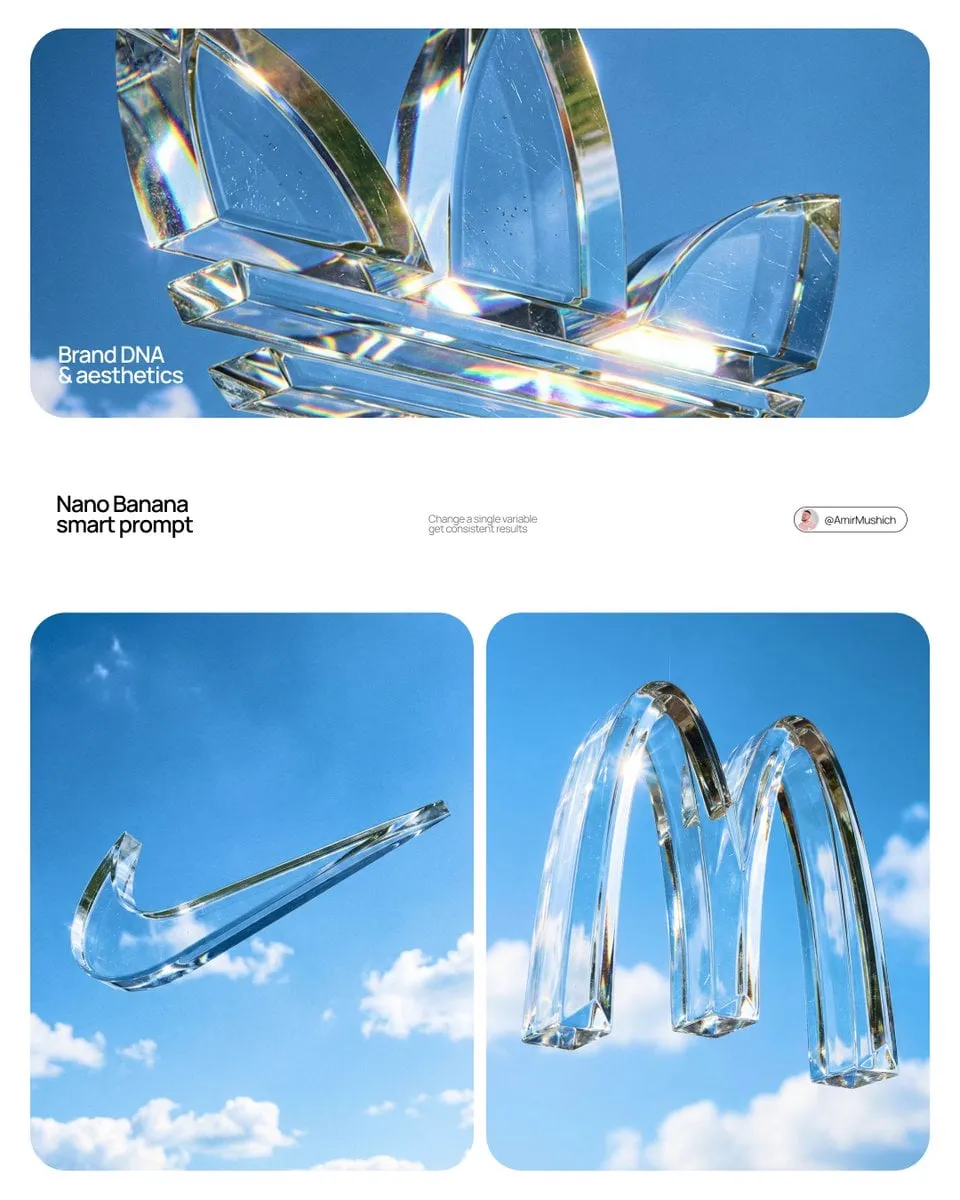
Creating unique visual effects with AI image processing is no longer a distant promise — it is a powerful and accessible reality for content creators, filmmakers, and digital artists around the world. The global market for AI-generated visual content is growing rapidly, driven by the demand for images and videos that stand out in an increasingly crowded digital space. This article is a practical guide to the techniques, models, and workflows that let you produce distinctive visual effects: from understanding the current landscape and choosing the right model, to mastering consistency, editing tools, and the business side of creative AI work.
The new landscape of AI visual effects
The current landscape of AI-generated visuals is shaped by multimodal large language models and a new generation of video models. In mid-2025, the focus has shifted from producing simple static images to generating cinematic video with temporal consistency — the ability to keep characters, objects, and environments stable across time. This shift has made visual effects achievable without expensive render farms or specialized VFX teams.
At the same time, the abundance of models creates a new challenge: choice. Each model is built on a different architecture — refined diffusion, transformer-based structures, or hybrid approaches — and has distinct strengths in specific aspects of visual generation. Understanding these differences is the first step toward creating effects that feel intentional rather than accidental.
The market for AI visual content is also being driven by the saturation of standard content. As audiences encounter more generic imagery every day, uniqueness and visual authenticity have become the most valuable assets for brands and creators. This is where AI becomes a genuine creative advantage: it lets you generate distinctive looks quickly and iterate until the effect matches your vision.
Key differences between leading video models
Every serious AI video project begins with model selection. Here is a practical comparison of the strengths you will encounter in the current ecosystem.
- Photorealism and narrative depth: Models like OpenAI Sora and Runway Gen-4 produce highly realistic imagery and understand narrative logic, making them strong choices for brand films, product showcases, and story-driven content.
- Style consistency and speed: The Flux series and Kling balance quality with speed and cost, which makes them ideal for rapid tests, drafts, and social media content.
- Multi-reference generation: Vidu Q1 accepts up to seven reference images at once, allowing you to combine character, style, and artistic elements in a single generation.
- Cinematic lens control: PixVerse provides native lens controls — depth of field, focus, motion blur — that bring professional camera language into the generation process.
- Physics and camera movement: Luma Dream Machine interprets descriptions of camera motion and physical behavior with high precision, useful for pans, tilts, zooms, and realistic object dynamics.
The best practice is to test the same idea on two or three models, compare the results against your intent, and document what works. Over time you will build a personal model map that turns model selection from guesswork into a fast, repeatable decision.
Consistency across scenes: the core challenge
One of the biggest obstacles in long-form AI video is maintaining character and environment consistency across scenes, camera changes, and lighting shifts. Visual effects are only convincing when the audience believes the world is continuous.
The standard technique is reference-based generation. Instead of relying on text alone, you provide the model with a set of key images: the character from multiple angles, the location from different perspectives, style frames, and lighting references. The model uses these images as an identity anchor and reproduces them across generations. This is the difference between a protagonist who looks the same in every scene and a character who visibly changes between cuts.
For action-heavy scenes, keyframe locking is essential. Generate key images that define the start, middle, and end of the motion, then let the model fill in the transition. This technique works especially well for fight scenes, dance sequences, and product demonstrations where physical continuity matters.
Temporal consistency also applies to style. Define a color palette and a visual language for the project, and reuse the same style references throughout. If every scene has a different look, the effect is chaos rather than craft.
The technical architecture behind advanced AI image processing
Quality AI image processing does not happen in a vacuum. Behind the scenes, it depends on robust infrastructure: GPU resource management, task queue frameworks, and modular backend architecture. Video generation consumes significant compute, so platforms that manage queues and resources well deliver more predictable results at lower cost. When you evaluate a tool, look beyond the demo videos: check how it behaves under load, whether tasks are queued reliably, and whether it offers project and version management.
For creators, this translates into practical advantages. Predictable generation times make production planning possible. Version control prevents the confusion that comes from generating dozens of variants without a system. And a well-designed API or export workflow lets you integrate AI generation into your existing pipeline instead of forcing you to work inside a single closed tool.
Practical techniques for distinctive effects
Once you understand the models and infrastructure, the craft begins. These techniques consistently produce distinctive results.
- Diffusion parameter control: Advanced models expose parameters such as guidance scale, steps, and seed. Adjusting these changes the character of the output — higher guidance follows the prompt more literally, while lower guidance allows more creative interpretation. Learning these knobs is like learning to expose film correctly.
- Style transfer: Use a style reference to impose a specific aesthetic — a film grain, a painterly look, a neon-noir palette — across a project. Style transfer keeps the look cohesive even when the content changes.
- Multi-image fusion: Combine several images into a single generation to merge character, environment, and style. This is more reliable than trying to describe everything in text.
- Localized editing: Instead of regenerating a whole image when one detail is wrong, use editing tools that preserve the subject while changing the background, colors, or lighting. This turns generation into a collaborative, iterative process rather than a one-shot gamble.
- Compositing and layering: Combine AI-generated elements with traditional footage. AI excels at generating textures, skies, backgrounds, and impossible environments; traditional footage provides real-world authenticity where it matters.
Creative and community workflows
The creative economy around AI visuals is expanding beyond single-user tools. Two trends matter for serious creators.
First, custom model training. Some platforms allow creators to train and publish their own models. This is a significant shift: creators move from consuming tools to building them. A custom model trained on your brand's style, your characters, or your product line becomes a proprietary asset that no competitor can copy. If you produce a lot of content in one style, investing time in a custom model pays off quickly.
Second, content marketplaces and community sharing. Creators share prompts, styles, and finished work; communities form around specific aesthetics and techniques. Participating in these ecosystems accelerates learning and exposes you to approaches you would not discover alone. It also creates distribution channels: some creators monetize by selling styles, presets, or trained models, not just finished videos.
Business integration and workflow design
To turn AI visual effects into a reliable business process, treat it like any production pipeline.
- Define the deliverable first: format, duration, platform, and visual language. Clarity at the start prevents expensive rework.
- Standardize your assets: character sheets, style frames, and approved references should be organized in a project library that every generation step uses.
- Separate creative and technical work: humans make the aesthetic decisions; AI executes the generation. This division of labor is faster and produces better results than either extreme.
- Build quality gates: check consistency, resolution, and brand compliance before assets move to the next stage.
- Measure and iterate: track generation success rates, rework rates, and time per shot. Use the data to improve prompts, references, and tool choices.
Building your creative toolkit
Consistency and speed come from having the right toolkit and knowing it well. Treat your creative setup as a system, not a collection of random tools.
Start with a core pair: one primary generation tool for the majority of your work, and one specialist tool for the effects the primary tool handles poorly. Master the core first. Add tools only when a specific need keeps appearing in your workflow. Every additional tool costs learning time, so add deliberately.
Build a reference library that travels with you. Keep character sheets, style frames, environment stills, and approved color palettes organized by project and by use case. When a new project starts, the library lets you begin with established assets instead of starting from zero. This is the single highest-leverage habit in AI visual work.
Develop a personal prompt style guide. Write down the vocabulary that works for you: the exact phrases for camera movement, lighting, mood, and composition that your preferred models understand best. Over time, this guide becomes faster to use than any external tutorial, because it is tuned to your tools and your aesthetic.
Keep a decision log. Record which model, references, and parameters produced each approved result. When a client or a collaborator asks how an effect was made — or when you need to reproduce it months later — the log answers instantly. It also reveals patterns: which tools actually earn their place in your workflow and which ones you can retire.
Common mistakes and how to avoid them
- Describing everything in text: text is ambiguous; images are precise. Use references whenever identity or style must be stable.
- Mixed styles in one project: a different look per scene reads as an error. Define one visual language and enforce it.
- Over-generating without review: producing dozens of shots and reviewing at the end multiplies rework. Review per shot, in context.
- Ignoring the audio: great visuals with poor sound feel unfinished. Plan voice, music, and effects as part of the project.
- Skipping rights checks: verify the rights to voices, music, images, and the tools themselves before commercial publication.
FAQ
Do I need a powerful computer to create AI visual effects?
Most heavy computation happens on the platform side. A modern laptop is usually enough for prompting, reviewing, and editing. For local models, check the hardware requirements.
How do I make my effects look unique and not generic?
Combine deliberate style references, precise prompts, and editing. Uniqueness comes from the decisions you make, not from the model alone.
Can I train my own model?
Yes, on many platforms — but start with a focused use case, such as one character or one style, and evaluate the results carefully before scaling up.
How long does a production take?
A short clip with prepared references can take minutes to generate; a complete campaign with dozens of shots takes days of iteration and post-production. Planning reduces both.
What is the fastest way to improve my results?
Start with a small, well-defined project and finish it end to end. Then build a reference library and a prompt library from what you learned. Iterate deliberately: change one variable at a time — model, references, or parameters — and record what works. Consistency improves fastest when you treat each project as an experiment with documented results, not as a one-off rush.
Is AI-generated VFX commercially safe?
It can be, with proper checks: review each tool's terms, confirm rights to all assets, and follow platform labeling rules for AI-generated content.
Conclusion
Creating unique visual effects with AI image processing is a skill, not a magic trick. It combines an understanding of models and architecture with classic creative judgment: what to show, what to hide, what to make feel real, and what to make feel impossible. Build a reference library, choose models deliberately, master consistency techniques, and integrate generation into a disciplined workflow. When you do, AI stops being a novelty and becomes a reliable extension of your creative practice — one that lets a solo artist produce effects that once required an entire studio.
