
Short-form video has taken over the feed, and Instagram Reels sits right in the middle of it. Brands, solo creators, and small teams are all competing for the same three seconds of attention before a viewer swipes away. The result is a strange situation: producing video is easier than ever, but coming up with ideas that actually stop the scroll has become the real bottleneck. This guide is about that bottleneck. Instead of another list of vague suggestions like "post consistently" or "follow trends," you will find a practical idea system, concrete Reels concepts you can adapt today, and a workflow for turning a half-formed thought into a finished short video without burning your whole week.
Why Reels Ideas Fail (or Succeed)
Most Reels do not fail because of bad editing. They fail before the camera ever opens, because the core idea was never sharp enough to survive the feed. A weak idea usually has one of these problems:
- It has no clear payoff, so there is no reason to watch until the end.
- It copies a trend without adding a new twist, so it feels like noise.
- It is aimed at everyone, which means it resonates with no one.
- It is built around production value instead of a story, so it looks expensive but says nothing.
A strong idea, by contrast, answers three questions instantly: Who is this for? What do they get in the first three seconds? Why should they stay for the whole loop? When you evaluate ideas through those questions, most of them drop out quickly, and the ones that survive are worth producing.
Retention is the metric that matters most on Reels. The algorithm watches how long people stay, whether they rewatch, and whether they share. An idea that creates a loop-friendly moment, a visual surprise, or a satisfying reveal gives viewers a reason to rewatch, and rewatching is the signal that pushes a Reel to more people. So when you brainstorm, think in loops: what will make someone tap back to the beginning?
A Repeatable Idea Pipeline for Reels
Creativity feels random, but you can build a small system that produces ideas on demand. This pipeline works for solo creators and marketing teams alike.
Step 1: Collect raw material. Keep a running list of observations, questions, comments from your audience, screenshots of things that made you stop scrolling, and phrases you hear in conversation. The goal is a messy pile, not a polished list.
Step 2: Filter through the three questions. For every raw idea, write one line about who it serves, what the hook is, and why someone would finish it. If you cannot write that line, the idea goes back to the pile.
Step 3: Validate quickly. Search the platform for similar content. If nobody has made it, that is either an opportunity or a warning that there is no demand. If ten people have made it, your version needs a clearly different angle. The best spot is usually a crowded topic with an empty niche: everyone covers "productivity tips," but nobody covers "productivity tips for night-shift workers."
Step 4: Script a mini-storyboard. Reels do not need a full screenplay, but they need a beginning, a middle, and an end. A typical 30-second structure is: hook, context, demonstration or payoff, and a closing line or CTA. Sketch the scenes as thumbnails or bullet points.
Step 5: Produce fast. Speed matters because ideas age quickly on social platforms. If a concept takes more than a few hours to produce, simplify it. A simple idea delivered today beats a perfect idea delivered next week.
Twelve Reels Concepts You Can Adapt
Here are concrete concepts, each with a why-it-works note and an example you can remix for your own niche.
-
Time travel reels. Show the same location, product, or character across different eras: "Your product in 1995 vs. 2035." The visual contrast creates an instant rewatch because viewers want to catch the details. Example: a coffee brand showing how ordering a latte looked in each decade.
-
Product lifecycle storytelling. Tell the story of an object from creation to customer. Example: a ceramic mug going from raw clay to kiln to someone's desk. This works because people love transformation arcs, and it can be done almost entirely with close-up shots.
-
Emotions as visuals. Translate an abstract feeling into images. "What anxiety looks like" or "What a good meeting feels like" gives you permission to be cinematic without a plot. The viewer instantly relates, and relatability drives shares.
-
Day-in-the-life, compressed. Instead of a full vlog, show one hour compressed into thirty seconds with a timestamp overlay. The pacing creates momentum, and the time stamps give viewers a reason to rewatch.
-
Before and after, done honestly. Transformations are reliable, but the market is saturated with fake ones. Add an honest middle: show the failed attempts between before and after. The struggle makes the payoff believable.
-
Myth busting in your niche. Find a belief your audience holds and test it on camera. Example: "Does this editing trick actually boost views? We tested it for 30 days." Testing content builds trust and gives you a natural hook.
-
POV scenarios. "POV: you finally automate your invoicing" works because it lets viewers imagine themselves in the situation. Keep the scenario specific enough that the audience feels identified but broad enough that it is shareable.
-
Sound-first remixes. Take a trending audio and add a visual that contradicts or completes it. The tension between sound and image is what stops the scroll. Do not just lip-sync; build a scene around what the audio implies.
-
Data storytelling. Turn a surprising number from your business or research into a visual sequence. "We analyzed 10,000 orders and found the weirdest hour for purchases." Numbers give credibility, and the reveal structure gives the video a payoff.
-
The one-minute micro-lesson. Teach one small thing completely, with a clear title card and step-by-step visuals. Educational Reels get saved, and saves are a strong ranking signal. Keep it to a single idea; a lesson with three points is already too long.
-
The "wrong way first" tutorial. Show the common mistake, then the fix. The mistake creates tension, and the fix provides the satisfying resolution. This works for cooking, design, fitness, code, and almost every niche.
-
Interactive cliffhanger. End with a question that invites comments: "Which one should we do next: A or B?" The CTA is simple, and the comment volume gives the algorithm a signal. Make the next video quickly to honor the engagement.
How to Pick a Visual Style That Fits the Idea
The same idea can feel completely different depending on the visual treatment. Before you start producing, make a deliberate choice between a few common styles:
- Raw and handheld: builds trust, feels authentic, works for tutorials and behind-the-scenes.
- Polished and cinematic: builds aspiration, works for product reveals and lifestyle content.
- Motion graphics and text-forward: maximizes clarity, works for data and micro-lessons.
- Mixed reality and AI-generated: creates spectacle, works when the idea itself is about imagination.
If you use AI video tools, treat them as a style option, not a shortcut. Tools like Runway, Pika, Kling, or CapCut's AI features are excellent for generating background plates, transitions, or impossible shots, but the idea still has to be strong. A generated ocean wave is not an idea; a generated ocean wave that represents "overwhelm at work" is an idea with a point.
When you pick a model or tool, match it to the mood. Photorealistic models suit product and lifestyle content. Stylized models suit character-driven and animated content. Test two styles for the same concept and let the analytics decide, rather than guessing which one will perform.
Keeping a Character Consistent Across Multiple Reels
If you plan a series, consistency becomes the hidden ingredient. Viewers recognize a series by the character or visual identity, and inconsistency quietly kills the connection. Three practical rules:
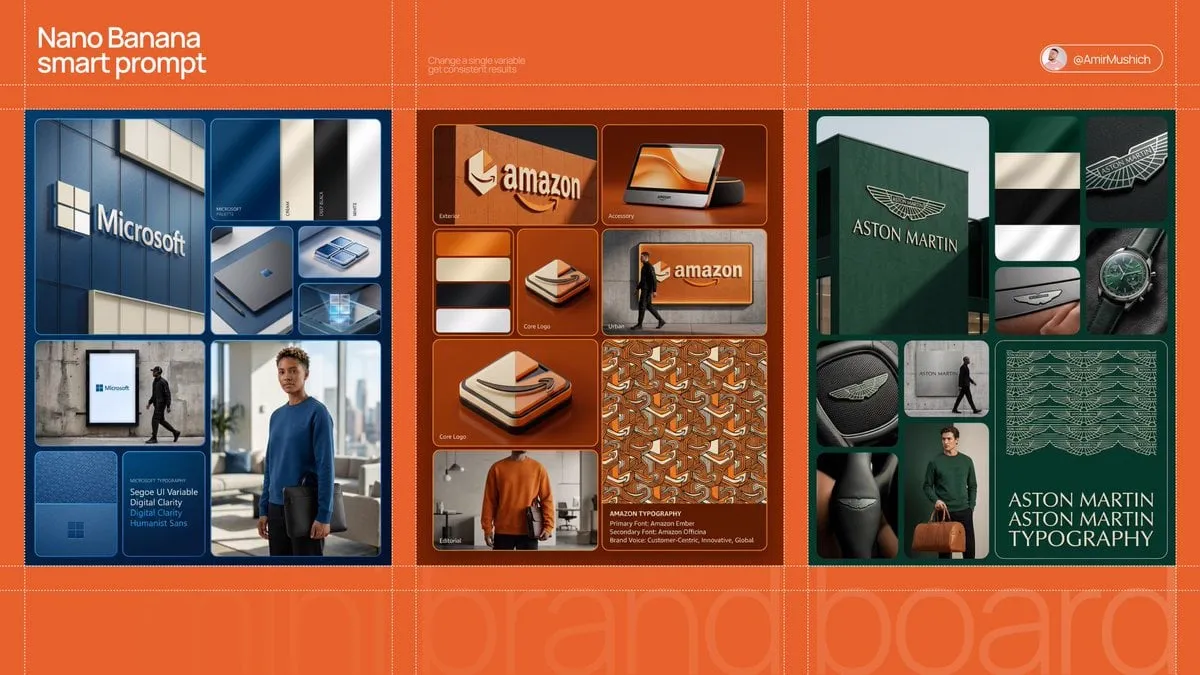
- Build a reference set. Gather several images of your character or product from different angles, in different lighting, with different expressions. Use these as reference inputs when generating new scenes.
- Lock the palette. Choose two or three dominant colors and keep them in every frame, including backgrounds and wardrobe.
- Reuse the same hooks. Repetition is a feature in a series: the same opening line, the same transition, or the same ending creates a ritual that viewers look forward to.
Character drift is the most common failure when working with AI-generated visuals. The fix is not to generate once and hope; it is to generate, compare, and regenerate until the face, outfit, and lighting match the reference. Budget for two or three iterations per scene in your production plan.
Writing Hooks That Work in Three Seconds
The hook decides whether the algorithm even gets a chance to judge your content. A few reliable patterns:
- The open loop: "Nobody tells you this about Reels growth."
- The contrarian claim: "Posting every day is hurting your account."
- The specific number: "3 edits that doubled our watch time."
- The direct address: "If you sell online, this video is for you."
- The visual surprise: start on an image that makes no sense until ten seconds later.
Write the hook first, before you script anything else. If the hook line is weak, no amount of good editing will save the video. Test two or three hook variants for the same content and keep the one with the higher retention in the first three seconds.
Measuring and Iterating Instead of Guessing
Publishing a Reel is the start of the learning loop, not the end. After each video, record the basics: average watch time, completion rate, saves, shares, and comments. Compare videos that overperformed against videos that flopped and look for patterns in the first five seconds, the topic, and the format.
A simple habit is the weekly review: pick the best and worst Reel of the week, write one sentence about why each performed the way it did, and apply that lesson to the next batch. Over a month, this compounds into a personal playbook that no generic advice can replace.
FAQ
How many Reels should I post per week?
Quality beats frequency, but consistency matters. Three well-made Reels a week outperform ten rushed ones for most accounts. Pick a number you can sustain for three months and make that your floor.
Do I need professional equipment?
No. Most successful Reels are shot on a phone with good lighting. A ring light and a decent microphone take you further than a fancy camera.
Should I follow every trend?
No. Follow trends only when you can add a twist that fits your niche. A trend without a relevant angle is wasted effort.
How long should a Reel be?
Long enough to deliver the payoff, short enough to stay dense. 15 to 45 seconds is the sweet spot for most ideas. If your idea needs two minutes, consider splitting it into a series.
Can AI tools replace a content strategy?
No. AI tools remove production friction, but the strategy, the idea quality, and the audience understanding still come from you. Treat AI as the fastest member of your production team, not the strategist.
How do I find ideas when I am completely stuck?
Go back to your raw material pile and to the comments on your last ten posts. Your audience is literally telling you what they want to see. Also try the constraint trick: force yourself to write ten ideas in ten minutes, even if nine are bad. The tenth one is usually the keeper.
Final Checklist Before You Publish
Run every Reel through this checklist: Does the hook work with sound off and on? Is the payoff clear before the end? Would someone rewatch it? Is the first frame visually interesting? Is the CTA natural rather than desperate? If the answer to all five is yes, publish it and let the data teach you the rest. The creators who win at Reels are not the ones with the best equipment or the most time; they are the ones with the most honest loop between idea, production, and learning.
