

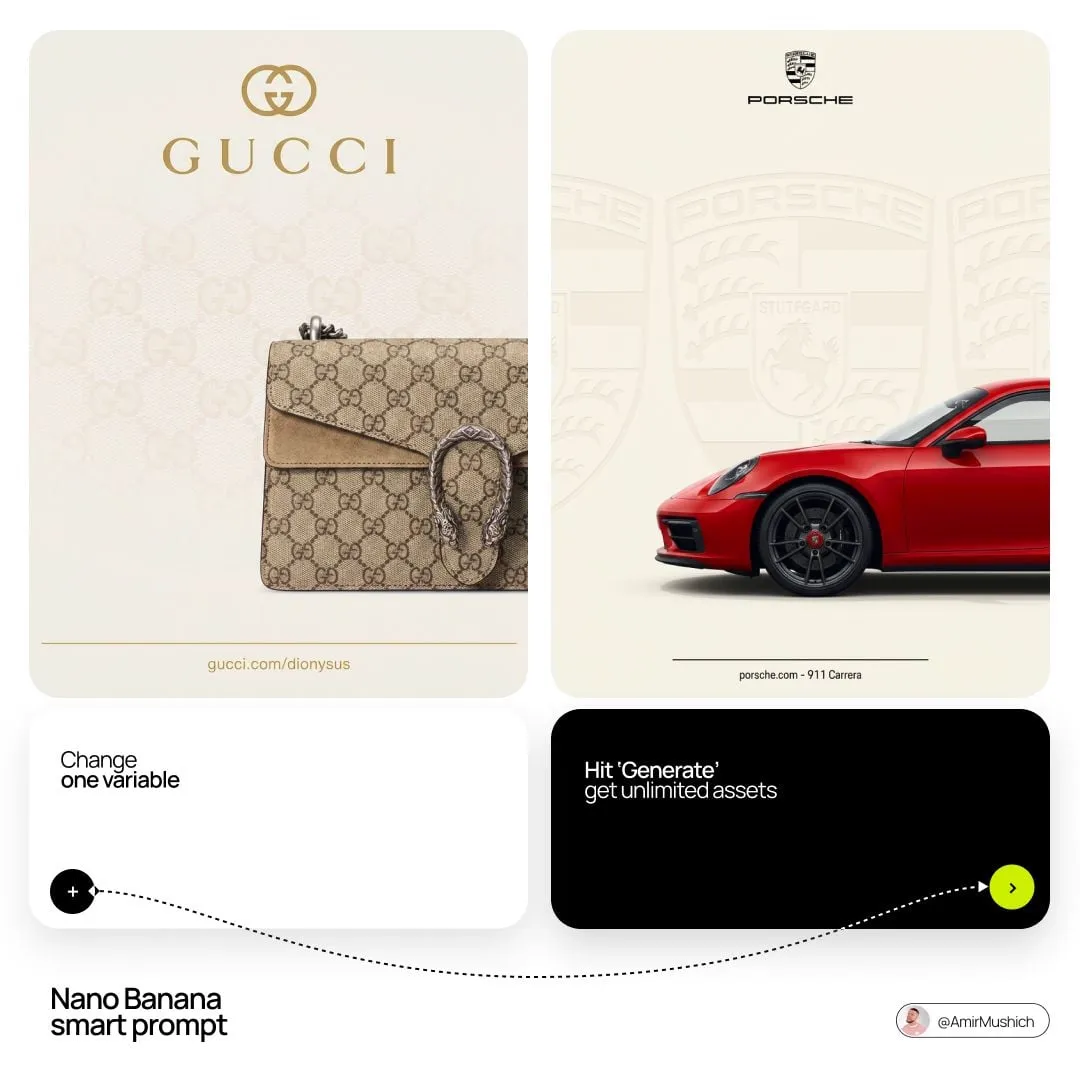
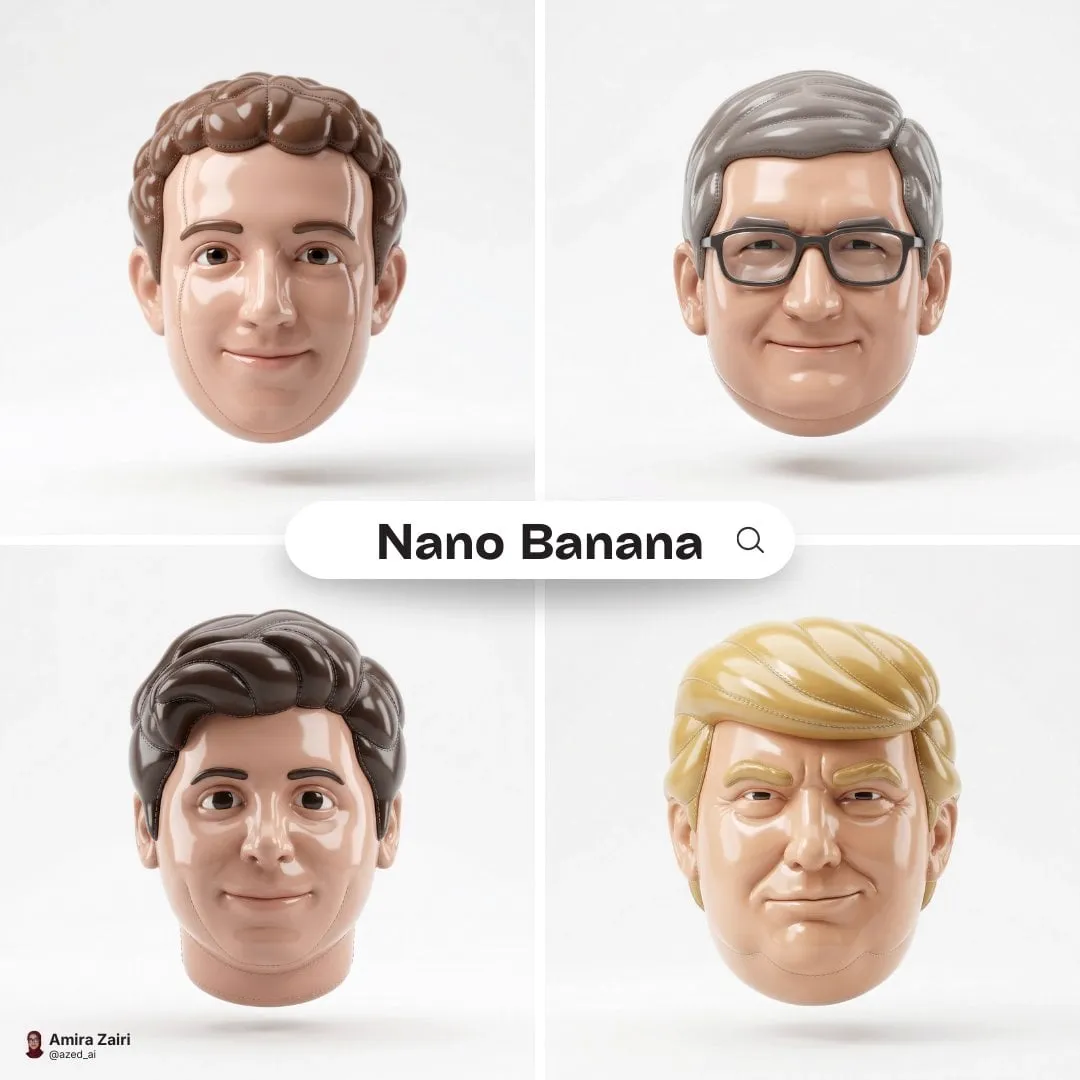
Most creators who work with generative AI sell the output: a clip, a poster, a finished video. A smaller group sells something far more durable — the model itself. Custom-trained AI models have quietly become a real product category, and for creators with good taste and consistent output, they can provide income that does not depend on posting every day.
This guide walks through the entire process of building a model business: understanding what a custom model really is, finding a niche where buyers exist, training something worth paying for, packaging and pricing it, distributing it, and avoiding the mistakes that sink most launches. It also covers the technical realities that make buyers trust a marketplace, because trust is what turns a download into a purchase.
The Asset Most Creators Overlook
Generative tools have leveled the playing field. Anyone can now produce a striking image or a short video clip with the right prompt. That democratization is wonderful, but it created a new problem: raw generation is a commodity. The moment everyone can generate the same style, the style stops being special.
A custom model is different. It is a capability, not a single output. When a creator trains a model on a specific character, a particular visual style, or a recurring product, they are packaging judgment and consistency into a reusable file. Buyers are not paying for one render; they are paying to skip weeks of trial and error and to get results that look like the creator's work. That repeatability is what makes models valuable, and it is the reason model marketplaces exist at all.
There is also a practical advantage for the seller. A model is inventory you create once and sell many times. Unlike a custom commission, which trades hours for money, a model trades hours for money plus every future copy. The economics are closer to software than to freelancing, and that is exactly why the creator economy has started to treat models as products.
What a Custom AI Model Actually Is
Technically, most custom models start with a general-purpose base model and add a small set of training images. Fine-tuning techniques adjust the weights of the base model so that it learns the subject's appearance, the style's textures, or the product's key angles. The result is a model that produces consistent output without requiring the buyer to describe everything from scratch.
What buyers receive is usually a package: the trained weights, an example set of prompts, usage instructions, and a license. Depending on the niche, the model might be one of three common types:
- A character model, trained on a fictional person or mascot so it can appear consistently across scenes and emotions.
- A style model, trained on a distinctive aesthetic such as vintage posters, watercolor, or cinematic color grading.
- An object or product model, trained on a specific product line so e-commerce teams can generate marketing images without a photoshoot.
The same training workflow applies to all three. The difference is the dataset, the niche, and how the model is positioned in the listing.
Why Buyers Pay for a Model Instead of a Prompt
Every seller eventually faces the question: why would someone buy a model when they could copy the prompt? The answer is consistency. Prompts produce approximate results; models produce reliable ones. A buyer who needs a character to look identical across forty scenes cannot afford to re-roll a prompt forty times and hope for the best. A brand team that needs on-message visuals every week needs a model that encodes their style once and then works on demand.
There are three other reasons buyers choose models over prompting:
- Speed: generating with a trained model is faster than iterating on prompts, especially for non-experts who do not know how to describe a look.
- Privacy: a company can train a model on proprietary assets and generate internally without uploading sensitive reference material every time.
- Uniqueness: a well-trained model produces a look that is hard to replicate, which matters for brands and creators who want to stand out from the default aesthetic of most generators.
If your model cannot demonstrate at least one of these advantages, go back to the drawing board before publishing.
The Monetization Flywheel
The creators who do well in this space treat models as products in a loop, not one-off files. The loop looks like this:
- Train a model on a focused subject.
- Package it with documentation, example prompts, and previews.
- Publish it where the target buyer already shops.
- Sell, collect feedback, and watch what buyers actually use.
- Improve the dataset and release an update or a new variant.
- Repeat, using the feedback to pick the next subject.
Each pass through the loop makes the next product better, because you learn what buyers search for, what they complain about, and which of your models gets the most attention. The compounding effect is the real business; individual sales are just the scoreboard. Creators who treat the loop as a system tend to outlast those who chase one viral model.
Finding a Niche With Real Demand
Niche selection matters more than training skill. A mediocre model in a hungry niche will outsell a brilliant model nobody needs. Start your research where buyers already spend money: marketplace categories, community forums, subreddits and Discord servers about AI video, and the social accounts of established creators.
Look for three signals: repeated requests, thin supply, and clear use cases. If people keep asking how to get a consistent character in a specific style, that is a demand signal. If the existing offers are generic and low-quality, that is a supply gap. If you can name the buyer's job — an indie animator needing a mascot, a real-estate firm wanting consistent property renders, a podcast wanting animated hosts — you have a product brief.
Good starter niches include:
- Character models for independent animation and short-form series.
- Style models for social media teams that need a recognizable look.
- Product models for e-commerce catalogs and ad creatives.
- Period-accurate aesthetics for documentary or history channels.
Avoid oversaturated celebrity-style models and anything that depends on copyrighted characters you do not own. Both are crowded with supply and loaded with legal risk.
Building a Model People Will Pay For
Choosing the Right Base Model
Your base model sets the ceiling for quality. Choose one that handles the subject type well, supports fine-tuning, and has an active ecosystem of tools and documentation. For photorealistic characters, pick a base that renders faces and hands reliably; for stylized work, pick one whose aesthetic is close to your target so the training does less heavy lifting. Test the base on your reference images before committing — if the base cannot render your subject type, no amount of training will fix it.
Curating a Clean Dataset
Dataset quality beats dataset size. Twenty to a hundred carefully selected images usually outperform thousands of noisy ones. Collect images with varied angles, lighting conditions, and expressions, but keep backgrounds and accessories consistent enough that the model learns the subject, not the props. Remove duplicates, blurry shots, and images where the subject is partially hidden. Write accurate captions for each image, because captions teach the model what to ignore and what to preserve.
A practical rule: if you would not put an image in your own portfolio, do not put it in the training set. Every weak image drags the whole model toward generic output.
Training for Consistency, Not Just Quality
Two models can both produce pretty images; the one that keeps the character recognizable across scenes is the one buyers want. During training, watch for the two classic failure modes: underfitting, where the model ignores your subject and drifts back to generic output, and overfitting, where the model memorizes your exact images and cannot generalize to new poses or settings. Keep a small evaluation set of images the model never saw during training, and judge consistency on that set rather than on your favorite renders.
Testing Before Launch
Before you publish, run the model through the same jobs your buyers will run. Generate a scene with the character in a new environment, a new emotion, and a new time of day. If the character stays recognizable, you have a sellable product. If not, go back to the dataset before you collect bad reviews. First impressions are sticky in a marketplace: one disappointed buyer is a negative review that costs you the next twenty.
Packaging, Pricing, and Positioning
Position the model as a solution to a specific job, not as a cool experiment. The listing should say what the buyer can do with it, show before-and-after examples, and include honest limitations. Buyers trust sellers who admit what the model cannot do.
Pricing works well in tiers:
- Basic: the model and a short usage guide, for hobbyists experimenting.
- Pro: the model plus example prompts, a commercial license, and a small preview pack, for working creators.
- Studio: everything in Pro plus updates, priority support, and a bundle of related styles, for teams.
Anchor the price against the value the buyer receives. A model that saves a freelancer a day of work per week is worth a fraction of that saved day, not a fraction of the training cost. Be explicit about the license: personal use, commercial use, and resale rights are different things, and unclear licenses are the fastest way to lose trust.
Distribution and Community
List where your buyers already are. Marketplaces provide discovery and payment handling; your own site provides margin and a mailing list; Discord and community forums provide feedback and word of mouth. Most successful sellers use a combination: a marketplace for reach, a community for reputation, and a newsletter for repeat buyers.
Invest in the parts most sellers skip: a preview gallery that shows the model in multiple contexts, short comparison clips of prompt-only versus model output, and documentation that a non-expert can follow. A buyer who understands the product before paying is a buyer who leaves a good review after.
The Technical Foundation of a Trustworthy Marketplace
Individual creators can sell files directly, but anything larger depends on infrastructure that buyers can trust. A marketplace that handles training jobs and model delivery needs the same foundations as any serious SaaS: a typed, modular backend so new features do not break old ones; a relational database for accounts, listings, orders, and licenses; a task queue that runs long training and generation jobs in the background without freezing the interface; object storage and a content delivery network for model files; and strict handling of user data, including clear deletion policies and no sharing of training images.
None of this needs to be glamorous. It needs to be reliable, because in a marketplace the product is trust as much as it is the model. Sellers benefit from a platform that tracks usage fairly, protects uploads, and resolves disputes, and buyers benefit from one that verifies listings and keeps payments safe.
Common Mistakes That Kill Model Sales
- Training on copyrighted characters or brands without rights.
- Shipping without documentation or example prompts.
- Pricing against free alternatives instead of the value delivered.
- No preview gallery, so buyers cannot judge the model.
- Unclear licenses that scare away commercial buyers.
- Launching one model and quitting instead of building a catalog.
- Using a sloppy dataset that produces inconsistent characters.
- Ignoring feedback, then wondering why reviews are flat.
Avoid these and you are already ahead of most sellers. The market rewards the small number of creators who treat models as real products with real documentation.
Frequently Asked Questions
Do I need to be a machine-learning engineer to train a model? No. Modern fine-tuning tools wrap the process in a simple interface, and the hard parts are dataset quality and testing, not math. Start with one focused model and learn the workflow end to end.
How many sales does a model need to be worth it? Treat a model like a product with a small audience: a few hundred buyers over its life is a meaningful income stream if pricing and licensing are right, and the same model keeps selling while you work on the next one.
Can I sell a model trained on public images? That depends on the licenses of the source images and the terms of the platform you use. Keep records of where every training image came from, and when in doubt, use your own images.
How do I handle a buyer who wants a custom model? Custom commissions are a natural upgrade path. Charge for your time and expertise, not just the compute, and deliver a model plus documentation just like your catalog products.
Is the market saturated? The generic end is crowded; specialized niches are not. A model that solves a specific, repeated job for a specific kind of buyer will always find demand.
The creators who treat models as products — with a niche, a dataset, documentation, and a license — will find buyers even in a crowded market. Start small, ship one focused model, learn from the feedback, and let the flywheel do the rest.
