
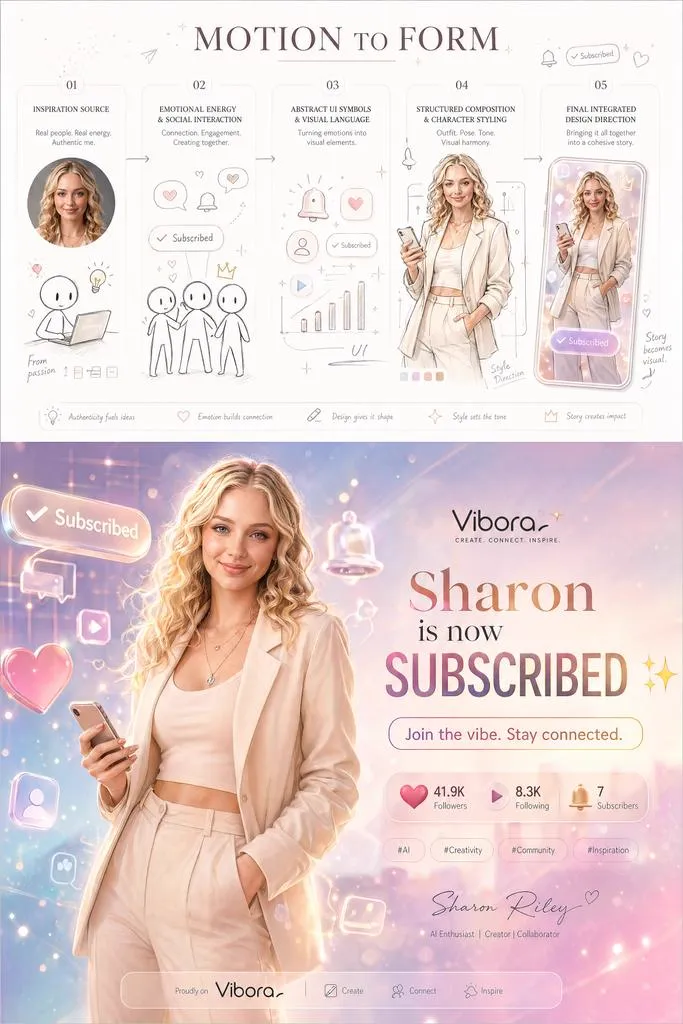

How Creators Can Build a Strong Brand and Win Sponsors with Standout Videos
The creator economy keeps growing, and so does the competition. Brands no longer hand sponsorships to anyone with a large follower count; they want creators who understand their audience, produce professional work, and can tell a story that sells. In 2025, the creators who win sponsorships are the ones who treat their channel like a brand, build a consistent visual identity, and use the latest video tools to stand out in an oversaturated feed.
This guide walks through the full path from personal branding to signed sponsorship: defining your niche, building a portfolio that impresses, creating a data-driven media kit, producing standout videos with AI tools, pitching brands strategically, negotiating like a professional, and measuring campaign success.
Why Personal Branding Is No Longer Optional
The competition for consumer attention has never been more intense. Short video dominates the platforms, and every creator is fighting for the same seconds of attention. In this environment, personal branding is not a nice-to-have; it is the basic requirement for survival and growth.
A strong personal brand does three things. It makes you recognizable, so your audience knows what to expect before they click. It makes you trustworthy, because consistency signals professionalism. And it makes you valuable to sponsors, because a brand that partners with you inherits your audience's trust. Sponsors are not buying views; they are buying relevance and credibility.
The mistake many creators make is waiting until they are big to start building a brand. The right time is now, regardless of follower count. A small channel with a clear identity and an engaged niche audience is often more attractive to sponsors than a large channel with a generic audience.
Step One: Define Your Niche and Audience
The most important first step is defining your niche. In 2025, brands do not want "anyone" with many followers; they want specialists with an aligned audience. A creator who reviews AI filmmaking tools, for example, is far more valuable to a software sponsor than a general lifestyle creator with ten times the followers.
Defining your niche means answering three questions clearly: what topic do you cover, who is your audience, and what makes your perspective different? Write these down and use them as a filter for every content decision. When your niche is sharp, your content attracts the right people, and sponsors can see exactly why their product fits your channel.
Audience alignment matters more than raw size. When you pitch a sponsor, the first thing they ask is whether your audience matches their target customer. If you have built a loyal community around a specific interest, the answer is yes, and that is worth more than any vanity metric.
Step Two: Build a Portfolio That Impresses
Your portfolio is your ticket to sponsorship. In 2025, the quality of your sample videos must reflect your ability to create content for a brand flawlessly. Sponsors will examine whether you can maintain professional visual and audio quality, whether your content is consistent, and whether your style can accommodate their product without clashing.
Building a strong portfolio means publishing consistently with a clear standard. Every video should look like it belongs to the same channel: same visual identity, same editing rhythm, same attention to detail. Sponsors are evaluating your system, not just your best video. A channel with thirty good videos is more convincing than a channel with one viral hit and nothing else.
It also helps to include portfolio pieces that mimic sponsored content. Create one or two videos that showcase a hypothetical product in your niche, demonstrating how you would integrate a brand seamlessly. This gives sponsors a concrete preview of what working with you looks like, and it removes their biggest fear: that your content will look like an awkward ad.
Step Three: Create a Data-Driven Media Kit
A media kit in 2025 is not a pretty brochure; it is a strategic document built on data insights. Sponsors make decisions based on numbers, and your media kit should give them the numbers that matter.
Include reliable statistics about your audience: demographics, watch time, completion rates, engagement rates, and click-through rates on calls to action in past videos. If you have case studies from previous brand collaborations, include the results: awareness lifted, engagement generated, conversions driven. Specific numbers beat vague promises every time.
Structure the media kit like a sales document, not an art project. Lead with your value proposition, show your audience data, display your best work, and end with clear sponsorship options. Update it regularly; a media kit with stale data signals a creator who does not pay attention to their own performance.
Step Four: Produce Standout Videos with Modern Tools
Your videos are the product you are selling to sponsors, and the production quality must be high enough to compete with professional content. This is where modern AI video tools become a strategic advantage.
Choose the right tools for the job. Different models excel at different tasks: some deliver photorealistic scenes with precise control, others understand narrative and long sequences, others shine at stylized animation. Learn the strengths of the main families, such as the Flux series for control and consistency, the Sora series for narrative coherence, and tools like Runway, Kling, and Luma for their specialized abilities. A creator who can match the tool to the task produces better work in less time.
Maintain visual consistency. Use reference images, style libraries, and character sheets so your videos share a recognizable look. Consistency is what makes your channel feel professional and your brand feel real, and it is the single most transferable skill to sponsored work.
Plan for seamless brand integration. When you work with a sponsor, the product should feel like a natural part of your content, not an interruption. Practice integrating products into your regular videos so it becomes second nature. Sponsors pay a premium for creators who can make their product look good without breaking the content's flow.
Step Five: Research and Select Target Brands Strategically
Pitching every brand in your niche is a waste of time. Strategic selection is far more effective. Build a list of brands that fit your niche, audience, and values, and prioritize the ones you can genuinely recommend.
Research each brand before pitching: their products, their recent campaigns, the creators they already work with, and their tone of voice. Look at what they have sponsored before and imagine what they might need next. The more specific your pitch, the more it feels like a partnership proposal rather than a request for money.
Timing matters. Brands plan campaigns around product launches, seasons, and trends. If you can pitch at the moment they are preparing a campaign in your niche, your chances increase dramatically. Follow the brands on social media and watch for signals that they are planning something new.
Step Six: Develop Outcome-Focused Pitches
The pitch is where most creators lose the deal, not because they lack talent, but because they pitch features instead of outcomes. A sponsor does not care how many videos you can make; they care about what those videos will do for their brand.
Structure your pitch around the result: the audience you will reach, the engagement you will generate, the trust you will transfer to their product. Show them a concept for the collaboration, not just your rates. A creator who arrives with a campaign idea demonstrates strategic thinking, which is rare and valuable.
Keep the pitch concise and visual. Use a short video or a clean one-page document, not a wall of text. Make it easy for the sponsor to say yes by being specific about deliverables, timeline, and measurement.
Step Seven: Negotiate Value Like a Professional
Negotiation is part of the job, and most creators leave money on the table by accepting the first offer or by undervaluing themselves. The key is to price based on the value you deliver, not on your follower count alone.
Understand the components of value: your reach, your engagement quality, your production value, your audience's purchasing power, and your ability to create content the brand could not make themselves. A creator with high engagement and a niche audience can justify rates far above a generic channel with more followers.
Be clear about what is included in the rate: number of videos, formats, usage rights, exclusivity, revision rounds. Ambiguity leads to disputes, so put everything in writing. If the brand asks for extra usage rights or longer exclusivity, treat those as additions to the deal, not freebies.
Step Eight: Measure and Prove Campaign Success
The relationship with a sponsor does not end when the video goes live; that is when the real work begins. Measuring and reporting results is what turns a one-time deal into a long-term partnership.
Set clear metrics before the campaign starts: views, completion rates, engagement, click-throughs, coupon redemptions, sales. Agree with the sponsor on what success looks like, so there are no surprises. After the campaign, deliver a clean report with the numbers and the insights. Sponsors love creators who can demonstrate return on investment, because it makes their internal justification easy.
Creators who report results professionally get repeat deals and referrals. The sponsorship industry is small and word travels; being known as a reliable, results-driven partner is worth more than any single campaign payment.
Common Mistakes and How to Avoid Them
The biggest mistake is chasing follower count instead of building relevance. Brands can buy reach; they cannot buy trust. Focus on engagement and audience alignment.
The second mistake is neglecting production quality. In 2025, the quality bar is high, and sponsors will judge your work against professional standards. Invest in your skills and tools, especially consistency and audio.
The third mistake is pitching without research. Generic pitches are ignored; specific pitches get meetings. Know the brand, its products, and its audience before you write a single line.
The fourth mistake is underselling. Many creators accept low rates because they fear rejection. Price based on value, be professional in negotiation, and let your results speak.
The fifth mistake is failing to report results. Sponsors who never hear from you again do not rebook. Deliver data, insights, and gratitude, and you build a career, not just a paycheck.
Frequently Asked Questions
How many followers do I need to get sponsors? There is no fixed number. Niche creators with small but highly engaged audiences regularly win sponsorships that general creators with larger audiences cannot. Focus on audience quality first.
Should I use AI tools for sponsored content? Yes, when they improve quality and efficiency. Brands care about results, not about which tools you use. AI helps you produce consistent, professional content faster, which makes you a better partner.
How do I price my sponsorships? Start by researching market rates for your niche and audience size, then adjust for engagement quality, production value, and results. Price based on the value you deliver, and be transparent about what is included.
What if a sponsor wants to change my content style? It depends on the deal. Some adjustments are normal, but never agree to content that damages your authenticity. Your audience trust is your core asset; protect it.
How do I find brands that match my niche? Build a list from the brands your audience already uses and follows, then research their sponsorship history and upcoming campaigns. Prioritize alignment over budget size.
Conclusion
Winning sponsorships is not about luck or follower counts; it is about building a professional operation. Define your niche, build a consistent portfolio, arm yourself with data, produce standout videos with modern tools, pitch strategically, negotiate professionally, and prove your results. Sponsors are looking for reliable partners who understand their audience and can create content that performs. Build that reputation, and the deals will follow. The creators who treat their channel as a business, with a brand, a system, and measurable results, are the ones who turn sponsorships into a sustainable career.
