
![Create an infographic image of [washing machine], combining a realistic...](https://storage.brightvectorlabs.com/prompts/bright/ui-and-graphic/2018668607966769212-0.webp)
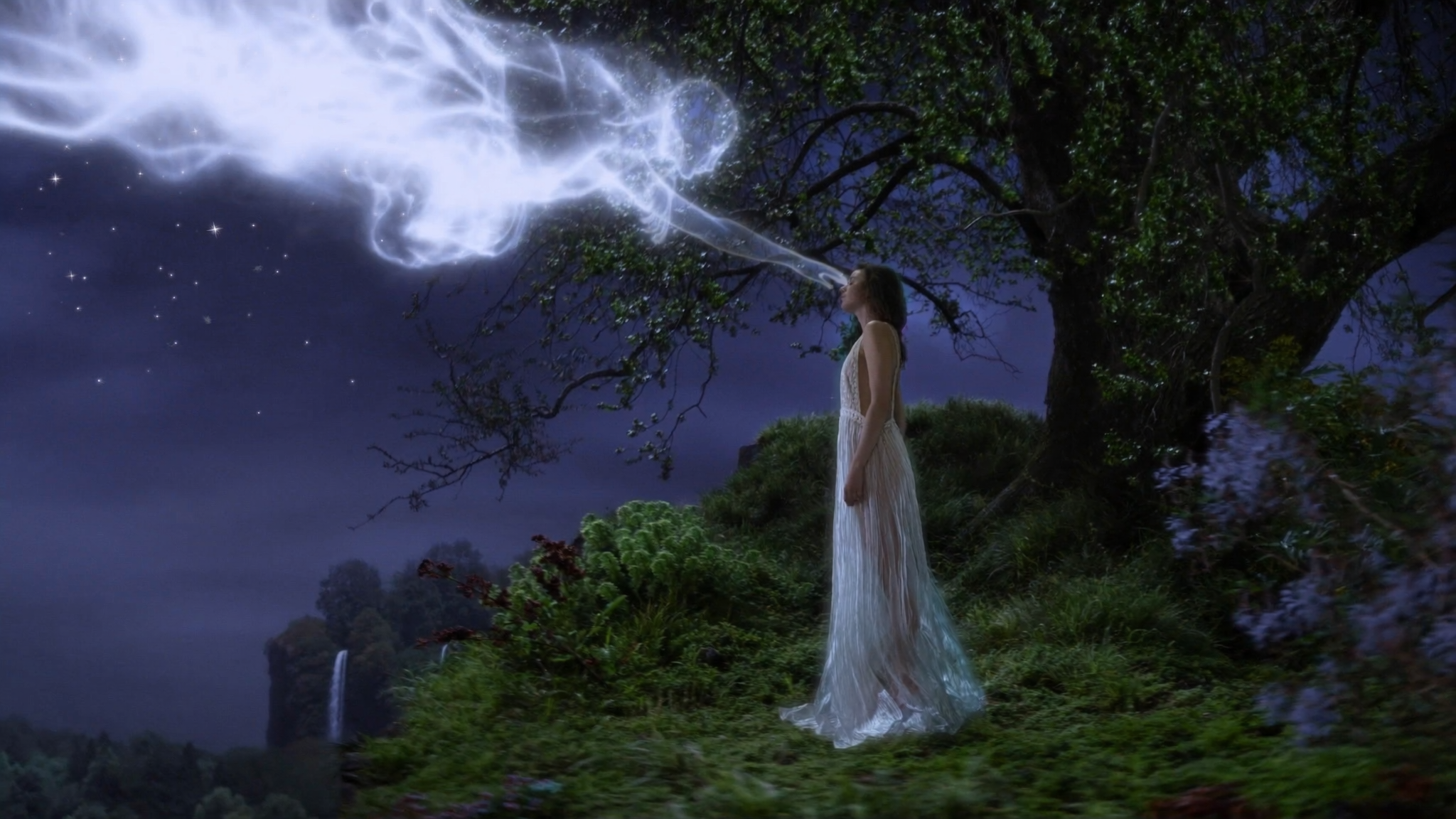
Dark fantasy is one of the most demanding aesthetics in visual storytelling. It asks for looming gothic architecture, corrupted landscapes, armor that looks battle-worn, creatures that feel ancient, and lighting that is beautiful and menacing at the same time. Building that world with traditional production meant expensive sets, prosthetics, and weeks of visual effects work. With AI video generation, the same world can be built from prompts, reference images, and careful consistency work, by a single creator.
This guide covers the full creative workflow for dark fantasy AI footage: defining the aesthetic, choosing the right models and settings, keeping characters and environments consistent across shots, directing camera and light, adding sound, and turning the results into finished work that can be published or sold.
What Makes Dark Fantasy Read as "Dark Fantasy"
Before generating anything, understand the visual grammar of the genre. Dark fantasy sits between gothic beauty and horror menace. The palette is desaturated and cold, with accents of amber, ember, or sickly green. Light comes from selective sources: torchlight, moonlight through broken windows, a single shaft through fog. Architecture is exaggerated, oppressive, and old, with spires, arches, and stone that has seen centuries of weather.
Characters belong to the world: scarred faces, practical armor, cloaks that move heavily, and creatures that follow their own internal logic. The genre fails when it becomes generic: generic castles, generic monsters, generic mood. Every element should feel like it has a history, because that history is what the audience reads as authenticity.
Choosing Models and Settings for the Right Texture
Different AI video models render texture differently, and texture is the soul of dark fantasy. Models known for high visual fidelity preserve the detail of stone, metal, and fabric, which is exactly what this genre needs. When you test a model, generate a close shot of a weathered surface: a castle wall, a rusted sword, a torn banner. The model that renders those surfaces with convincing wear is the one you want for the project.
Work at the highest resolution the tool offers, because dark fantasy lives in detail. Use longer clips for establishing shots and shorter ones for action beats. And keep the style prompts consistent across the whole project: the same lighting language, the same palette words, the same material descriptions, so every shot belongs to the same world.
Lighting, Color, and Atmosphere: The Mood Toolkit
Lighting is the fastest way to sell dark fantasy. The default mistake is generating scenes that are simply dark, which reads as muddy and hard to watch. The professional move is selective darkness: bright highlights on the subject, deep shadows around it, and atmosphere, fog, dust, or rain between the camera and the world.
Build a lighting vocabulary for your project and repeat it in every prompt: "moonlight through high windows", "torchlight from the left, long shadows", "ember glow from below". Color grading in post ties the shots together: push shadows toward blue or green for cold menace, keep highlights slightly warm for the fire, and desaturate the midtones. The same grade across all clips is what makes footage from different generations feel like one film.
World-Building: Gothic Architecture and Environments
Dark fantasy worlds are built on architecture that tells a story. Generate establishing shots of cathedrals in decay, citadels on cliffs, underground crypts, and forests where the trees themselves feel hostile. For each environment, generate multiple angles: a wide establishing shot, a medium shot of the entrance, and a close detail of a distinctive feature, a carved door, a broken statue, a hanging banner.
Use image-to-video to keep environments consistent: generate one strong concept image of the location, then animate it from different angles or let the model extend it into new shots. Keep a reference folder per location. When the audience sees the same cathedral from three different shots, they accept it as a real place, and that acceptance is what makes the world believable.
Characters, Armor, and Creatures That Stay Consistent
Character consistency is the hardest problem in dark fantasy AI work, and the genre punishes inconsistency harder than most because faces, armor, and creature designs are so distinctive. The solution is reference discipline.
Generate a concept image for every recurring character: face, costume, and key props. Use that image as a reference anchor every time the character appears. Lock the seed when the tool allows it, and use keyframe control to keep the first and last frames stable. For creatures, establish a design language: the same material palette, the same silhouette rules, and the same degree of decay. Test consistency explicitly, five shots of the same character, before committing to a project plan.
Camera Language for Action and Horror
Camera movement tells the audience how to feel. Slow, deliberate moves build dread; quick, unstable moves create panic. Dark fantasy works best with a mix: slow dolly-ins on characters and environments for atmosphere, and fast whip pans or handheld shakes for combat and horror beats.
Put the camera instruction in the prompt explicitly: "slow push-in toward the throne, dust in the light", "handheld following the knight through the corridor", "orbit around the creature, revealing its full form". When you edit, cut on the movement: start a new shot where the previous one moves, and the sequence feels continuous even if the models behind it differ.
Sound and Music: The Missing Half of the Atmosphere
Visuals set the scene; sound makes it real. Dark fantasy needs a sound palette that matches the world: low drones, distant wind through stone, metal on stone, the crackle of torches, and the heavy movement of armor. Generative audio tools can produce drones and ambiences on demand, and can compose music that matches the menace and melancholy of the genre.
Build the audio as deliberately as the visuals. Start with an ambient bed for each location, add key effects at the moments of action, and score the emotional beats with music that rises and falls with the edit. Silence is also a weapon: a sudden drop to near-silence before a scare or a reveal is one of the most effective moves in the genre.
From Concept to Finished Short: A Workflow
Here is a complete workflow for a dark fantasy short:
- Write the one-paragraph story and list the shots it needs, establishing, dialogue, action, and reveal.
- Define the style bible: palette, lighting vocabulary, material descriptions, and character concepts.
- Generate concept images for every character and location, and lock them as references.
- Generate drafts of each shot, reviewing consistency against the style bible.
- Re-render the approved shots at high quality with the references locked.
- Assemble the edit, then grade for the cold, desaturated look.
- Build the sound palette, mix the ambience, effects, and score.
- Export and review on a phone screen, because that is how most audiences will watch.
This workflow is deliberately sequential. Skipping the style bible or the reference images is what causes the world to fall apart halfway through.
Turning Dark Fantasy Footage into Income
Dark fantasy has a hungry audience and several real revenue paths. Stock footage platforms accept AI-generated clips, and dark fantasy environments and effects are a niche with steady demand. Short-form platforms reward the genre's visual strength: a well-made dark fantasy clip stops the scroll. Game developers and music artists need concept-style footage for trailers and album visuals. And the same workflow can produce a series, which compounds interest in your work.
The key to commercial use is quality and consistency. A single beautiful clip is a demo; a consistent world is a portfolio. Build three or four shots that clearly belong to the same place and story, and you have something you can show to clients, publishers, or a platform audience with confidence.
A Concrete Style Bible Example
To make the style bible concrete, here is how a short dark fantasy project might define its world.
Palette: desaturated stone grays and slate blues as the base; amber torchlight as the only warm accent; sickly green for anything magical. Word it in every prompt: "cold desaturated palette, amber torch accents, fog in the air".
Lighting vocabulary: "moonlight through high windows", "torchlight from the left with long shadows", "ember glow from below", "single shaft of light through broken ceiling". Use these exact phrases repeatedly so the model anchors on them.
Material descriptions: "weathered stone with moss in the cracks", "battle-worn steel with scratches and rust", "heavy wool cloaks, torn and muddy at the hem". Materials are the texture layer of the world, and repeating their descriptions keeps surfaces consistent.
Character concepts: the knight, scarred face, practical armor, dark cloak; the archivist, old, bent, carrying more keys than seems reasonable; the creature, antlered, gaunt, made of the same stone as the ruins. One concept image each, locked as reference.
Locations: the ruined cathedral, the crypt beneath it, and the forest between. One concept image each, with the style bible applied.
Camera rules: slow dolly-ins for atmosphere, handheld for the forest, orbit for the creature reveal. Write the camera move into every shot prompt.
With this bible written down, every shot you generate has a shared language to obey. The five-shot consistency test is no longer a gamble; it is a check against a fixed specification. And when you want a sequel, the bible is already written.
Adapting the Workflow for Short-Form
Dark fantasy is a natural fit for short-form platforms, but the format changes the rules. A vertical clip has seconds, not minutes, to land its image, and the workflow should adapt accordingly.
Compress the style bible. For short-form, the palette and lighting vocabulary stay, but you need only one strong concept: a single character, a single location, a single reveal. Build the clip around that one image rather than a multi-location story.
Front-load the hook. The first two seconds decide whether anyone watches. Open on the most striking frame you have, the creature reveal, the cathedral establishing shot, the ember-lit face, and let the rest of the clip support it.
Design for the loop. Short-form viewers often watch on repeat. Make the end flow back into the beginning, or end on a beat that rewards a second watch.
Use sound aggressively. On a phone, the audio is half the experience. A low drone and a sudden hit land harder in six seconds than in a minute, because the contrast is compressed.
The commercial upside is real: a single dark fantasy clip that performs well can pull viewers to a longer portfolio, a stock page, or a commission inquiry. Treat each short as a proof point for the world you can build, not just a standalone post.
Frequently Asked Questions
Do I need expensive hardware for this?
No. AI video generation runs in the cloud; your computer only handles editing, which light dark fantasy footage handles fine.
How long does a dark fantasy short take?
The first one takes the longest because you are building the style bible and references. Expect days of iteration, then reuse the assets for every subsequent project.
Which model should I use?
Start with the model that renders weathered texture best in your own tests. Fidelity of stone, metal, and fabric matters more than any other feature for this genre.
Can AI-generated dark fantasy content be sold?
Yes, on stock platforms and as commissioned work, provided you follow each platform's rules on AI content and disclose where required.
Final Thoughts
Dark fantasy is a genre of details: the wear on the armor, the quality of the light, the history in the architecture. AI video generation removes the budget barrier to building that world, but it rewards the same discipline that traditional production demanded: a clear style, consistent references, deliberate camera and light, and a sound palette that completes the mood.
Start with a single location and a single character. Build their story bible, generate five consistent shots, and finish them into one short sequence with grade and sound. That sequence is your proof of concept, and from it, the whole world can grow.
