

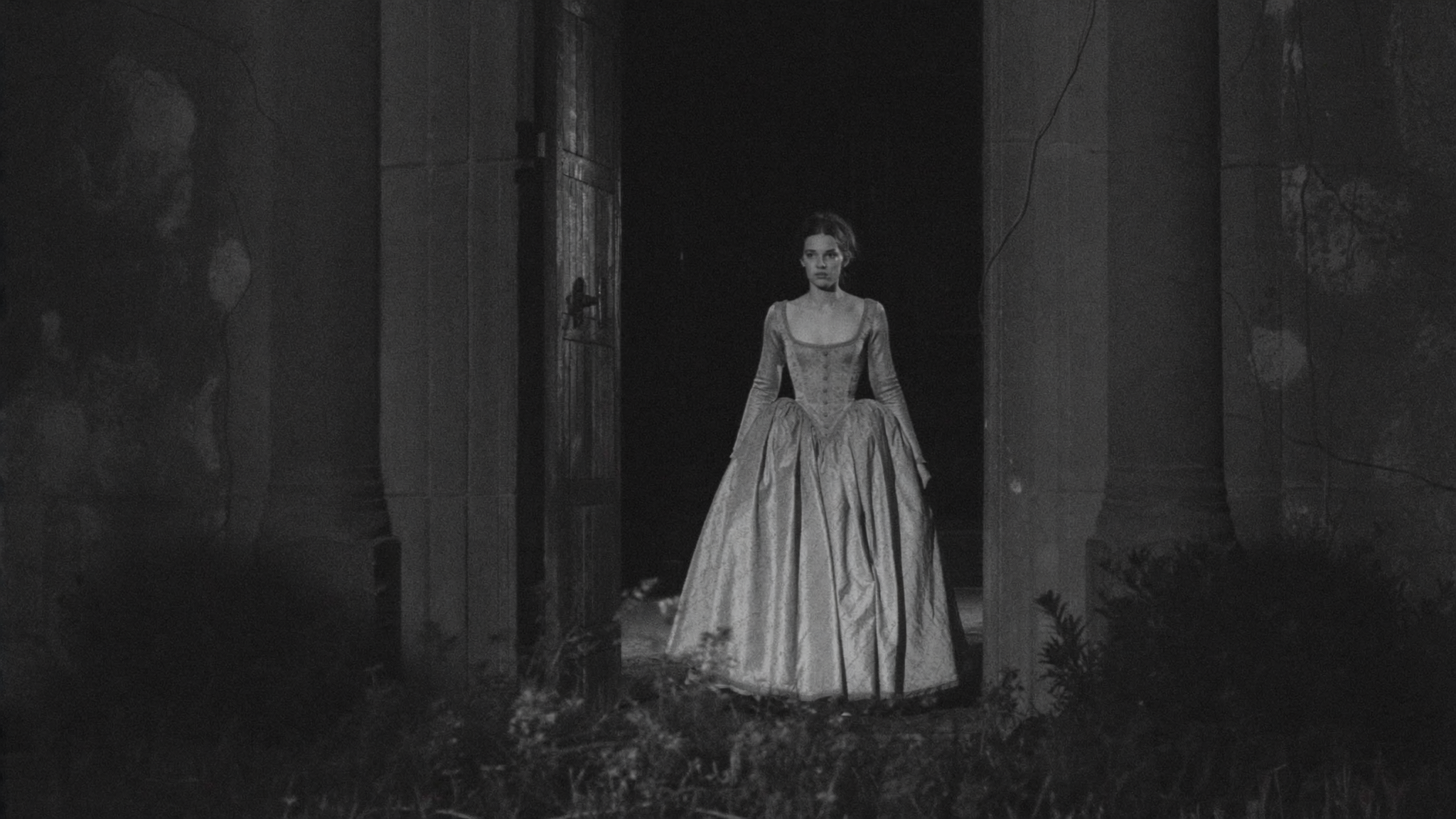
The path to becoming a digital creator used to start with expensive gear: a cinema camera, lenses, lighting, and a computer powerful enough to edit the results. That is no longer true. The tools that determine the quality of your videos today are mostly software, and the most important ones are powered by AI. This guide is for people who want to become digital creators and produce impactful videos without a studio budget. It covers the essential tools, the workflows that actually work, and the habits that turn occasional videos into a sustainable practice.
The Creator Shift: Why Video Skills Matter More Than Gear
The content economy has changed in a way that favors skill over equipment. Platforms reward consistency, clarity, and engagement, not resolution. A video shot on a phone and edited well can outperform a video shot on a cinema camera and edited poorly, because the algorithm measures viewer behavior, not production value.
This is good news for newcomers. The barriers to entry have moved from hardware to craft. The skills that matter now are: understanding what makes people watch, structuring a story, maintaining visual consistency, and using tools efficiently.
AI has accelerated this shift. Tasks that once required specialized software and years of practice, such as color grading, motion graphics, or even generating footage, can now be done with a few well-chosen tools. The creator of the future is less a technician and more a director: someone who decides what the audience should feel and uses tools to achieve it.
Your Minimum Viable Creator Setup
You do not need to buy everything at once. A realistic starting setup has four components, and most of them are available at low or no cost.
First, a capture device. Your phone is enough. Modern phones record excellent video, and their stabilization and low-light performance are far beyond what anyone could afford a decade ago.
Second, a scripting tool. Before you shoot or generate anything, write down what the video is about. AI assistants are useful here: they can help you generate hook ideas, tighten scripts, and create variations of the same message for different platforms.
Third, a video generation and editing stack. For generated footage, you need access to video models. For editing, a simple timeline editor with captions and music is enough to start. Captions are essential because a large share of viewers watch without sound.
Fourth, an organization system. A folder structure for scripts, references, and finished videos, plus a simple log of what you published and how it performed. This is the least glamorous part of the setup and the one that separates serious creators from dabblers.
Matching Models to Stories
When you start using AI to generate video, the first temptation is to find one tool and use it for everything. Resist that. Different stories need different visual engines, and choosing the right one is a core creative skill.
If your video is about a product, a place, or a realistic scene, high-fidelity models like the Flux series or Runway's Gen-4 give you detailed, believable visuals. Use them when the realism itself is the point.
If your video tells a story with a sequence of events, narrative-capable models like OpenAI's Sora series understand causality and continuity, which means fewer retries and more coherent scenes. These models shine when the plot matters more than the individual shots.
If you produce frequently and need volume, efficient models like Pika, Luma, or MiniMax's Hailuo line keep the cost per video low. They are ideal for testing ideas, social clips, and content where speed matters.
A good mental model is to think of models like lenses. A portrait lens is not better than a wide lens; it is better for a specific job. Learn what each model does well, keep a short list of go-to options, and match them to the needs of each project.
The AI Director Workflow: From Script to Scene
A reliable production workflow turns inspiration into finished videos without chaos. Here is the workflow that works for both beginners and experienced creators.
Start with a one-page script. It should have a hook, a middle that delivers value, and a payoff. Keep it short: most impactful videos are under a minute, and the script should reflect that.
Then create a visual storyboard. Generate a still image for each scene. This step is cheap and incredibly valuable, because it forces you to think about composition, lighting, and flow before any video is produced. If the storyboard works, the video has a much higher chance of working.
Next, generate the scenes. Use your reference images to keep characters and style consistent. Review each scene against the storyboard, not in isolation. Regenerate only the scenes that fail, rather than starting over.
Finally, edit for rhythm. Cut dead moments, add captions, and set music that matches the emotional tone. Watch the video with sound off to check that it still communicates, then with sound on to check the mood.
Consistency Techniques That Separate Pros from Amateurs
The fastest way to tell an amateur AI video from a professional one is consistency. In amateur work, characters change appearance between scenes, colors shift randomly, and the video feels like a collage. Professional work feels like one continuous piece.
The core technique is reference-based generation. Before producing a video, create a defining image for each character, object, and location that appears more than once. Use those images as anchors for every scene, so the model has a fixed point to return to.
Lock your style early. Decide on a color palette, a lighting mood, and a camera language, and apply the same instructions across the whole project. Style drift between scenes is one of the most common problems, and it is almost always a planning problem, not a tool problem.
Review sequences, not singles. When you assemble the scenes, watch the whole video and note where the illusion breaks. Fix those moments specifically. This targeted approach is faster and cheaper than regenerating everything.
Distribution: Turning One Video into a Content System
A single video, no matter how good, has limited reach. The creators who grow consistently treat every video as raw material for a content system.
Start with your primary platform. Learn its patterns: what lengths perform well, when your audience is active, which topics generate comments. Publish on a schedule you can sustain, because consistency teaches the algorithm and the audience to expect you.
Then repurpose. One video can become a shorter clip for a different platform, a carousel of key points, a text post with the transcript, and a newsletter item. Each version has a different job and reaches a different audience. Repurposing is the highest-ROI activity in the creator economy, and AI tools make it fast.
Engage in the first hour after publishing. Comments drive recommendations, so respond quickly and ask questions that invite discussion. Videos that generate conversation get a wider sample from the algorithm, which compounds over time.
From Hobbyist to Income
Turning creator work into income is a separate skill from making videos, and it is worth planning deliberately from the start.
The most reliable income paths are: sponsored content with brands, selling products or services that your audience needs, and licensing your videos or assets. All three depend on the same foundation: an audience that trusts your taste and returns to your content.
Build that trust with consistency and honesty. Do not chase trends that do not fit your voice; the algorithm rewards authenticity because the audience does. Document your progress openly, share what you learn, and let your process become part of your content.
Treat the business side as data. Track what earns, what takes time, and what your audience responds to. A simple spreadsheet is enough. The creators who succeed are not necessarily the most creative; they are the ones who learn fastest from their numbers.
A Sample First Month Plan
If you are starting from zero, a concrete first-month plan helps more than abstract advice. Here is one that works for most beginners.
Week one is setup and learning. Choose your primary platform, set up your folder structure, and pick the tools you will actually use. Do not buy anything expensive yet. Spend the week producing practice videos that you do not publish, just to learn the workflow and get comfortable.
Week two is your first real batch. Write three scripts, create storyboards for each, and produce three short videos. Publish them on a schedule you can sustain, and record the basic metrics: views, completion, comments.
Week three is analysis and refinement. Look at the data from your first batch. Which hook worked? Which format held attention? Produce three more videos that build on the winners, and consciously change only one variable at a time.
Week four is systems. Write down your production process, organize your reference assets and prompt templates, and create a simple content calendar for the next month. The goal is that producing the next video feels like following a recipe, not solving a puzzle.
After the first month, you will have published at least nine videos, learned something concrete about your audience, and built the basic systems that make consistency possible. That is a foundation most aspiring creators never reach.
Handling Common Beginner Problems
Every new creator hits the same walls. Here is how to get past them quickly.
The first wall is perfectionism. You will not publish your best video in the first month, and that is fine. The goal of early videos is learning, not virality. Ship imperfect work, measure it, and improve.
The second wall is tool overload. New tools appear constantly, and it is tempting to switch every week. Pick one tool per job, learn it, and only change when a tool clearly limits you. Switching costs are real and rarely worth it.
The third wall is comparison. Watching top creators can be discouraging, but their success usually comes from years of consistent work, not from a secret tool. Study their structure, not their numbers, and focus on your own weekly improvement.
The fourth wall is burnout from an unsustainable schedule. Publishing daily when you can only sustain three videos a week will end your creator journey quickly. Choose a cadence you can maintain for months, because consistency over a long period beats intensity over a short one.
The fifth wall is ignoring the audience. Early on, you will make videos that you like and nobody watches. That is data, not failure. Listen to what your audience responds to, and let the feedback guide your next experiments.
Building a Feedback Loop That Keeps You Improving
A creator's growth is not measured in any single video but in the speed of the learning loop. The fastest way to build that loop is to make every video answer a question. Before you start, write down what you want to learn. After you publish, compare the outcome with your expectation, and record what surprised you.
This habit turns production from a series of isolated projects into a compounding process. Over time, you will build a personal playbook of what works for your audience, your voice, and your niche. That playbook is worth more than any tool, because it is the one thing competitors cannot copy.
FAQ
Do I need to show my face to become a digital creator?
No. Many successful creators use voiceovers, generated visuals, screen recordings, or animated characters. What matters is a consistent perspective and clear value for the audience.
How much time does creating a video take as a beginner?
Expect several hours per video at first, mostly in scripting and editing. As you build templates and reference assets, the time drops quickly, often to under an hour per finished video.
Which platform should I start with?
Start where your target audience already spends time. Pick one platform, learn it deeply, and expand later. Trying to be everywhere at once usually means being nowhere well.
Are AI-generated videos acceptable on monetized channels?
Most platforms accept them, provided the content follows their community guidelines and disclosure rules. Check the specific policies of each platform and be transparent with your audience.
What is the single most important habit for a new creator?
Publishing on a sustainable schedule and reviewing your own performance every week. Consistency plus reflection compounds faster than any single viral hit.
