
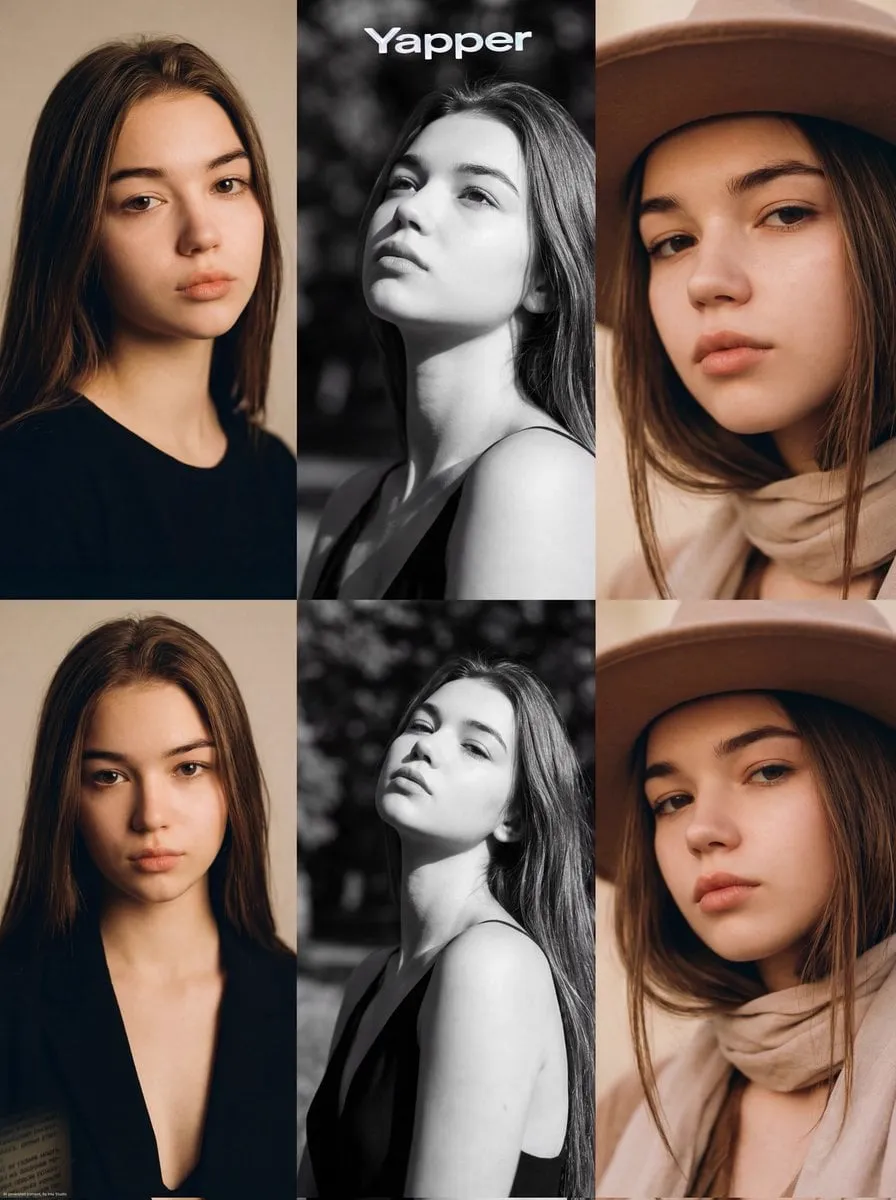

The idea of a digital influencer, a synthetic personality with a real following, has moved from science fiction to a working business model. Brands are partnering with virtual creators who never sleep, never age, and never have a bad day, while the underlying avatars look more photorealistic than ever. The craft of building these creators sits at the intersection of technology, branding, and art direction. This article explores the pillars of photorealistic avatar creation, the business frameworks that make digital influencers sustainable, and the techniques that push a synthetic face from believable to genuinely captivating.
The rise of the synthetic personality
For years, the biggest obstacle to a successful digital influencer was believability. Early avatars were clearly computery, and audiences treated them as a gimmick. That has changed. Advances in generative models have delivered faces with realistic skin, natural micro-motion, and convincing lighting, closing the gap between synthetic and human until the difference is hard to spot at a glance.
The shift matters commercially. A photorealistic avatar can post consistently, respond to trends quickly, and represent a brand without the scheduling, travel, and reputational risk of a human talent. From fashion to gaming to finance, companies see the value in a controlled, dedicated spokesperson who appears to live inside the platform the audience actually uses.
But a realistic face is only the beginning. What turns an avatar into an "influencer" is consistency, identity, and narrative, the same things that make any creator worth following. That is where the craft comes in.
Consistency: the foundation of a believable avatar
The single biggest technical challenge in building a digital influencer is keeping the same person visible across every post, video, and angle. A well-known weakness of text-to-video generation is character drift, where the face subtly changes from one shot to the next. For a synthetic personality whose entire value is recognizability, that drift is fatal.
Multi-image fusion is the practical answer. By feeding the model a stable set of reference images, the creator anchors the avatar's identity, pinning down the face, the wardrobe, and the signature style. Every new generation honors those anchors, so the influencer looks like the same person in a static post, a short clip, and a full scene.
Consistency is also a brand asset. Audiences bond with a face they recognize. When the avatar reliably shows up looking the same, the brand builds a relationship with that character, and the character becomes a memorable asset that lives across campaigns.
Choosing the right model for photorealism
Not every generation model can carry a convincing human face. Photorealism demands models with strong facial detail, natural skin texture, and believable micro-expressions. Choosing a model optimized for these qualities is the difference between an avatar that impresses and one that creeps.
It pays to understand the model's strengths and its failure modes. A model that renders faces beautifully may struggle with hands or fast motion. Designing around those weaknesses, framing shots to flatter what the model does well, is part of the art direction. The best results come from a deliberate pairing: a human subject, a premium photoreal model, and prompts that respect the model's capabilities.
For exploratory work, where you are testing a look or a pose, a faster, cheaper model is enough. Reserve the flagship photorealism model for the final posts that will actually appear, so the budget goes where the audience will look.
Automating cinematography with an AI director
A photorealistic avatar is not enough if every shot is static and stale. The visual language, camera angles, pacing, and mood, is what makes a creator feel alive. This is where an AI director agent enters the workflow.
An AI director takes an intention and translates it into cinematic instructions: which angle emphasizes the mood, where the light should fall, how the camera should move. It effectively storyboards the content before any frame is generated, so production is purposeful instead of reactive. For a social-beast avatar expected to publish regularly, this pre-production step keeps output varied and professional without exhausting a human art team.
Automating direction also keeps the brand voice consistent. The director encodes rules about how the avatar should be presented, so a fashion post and a lifestyle post still feel like they come from the same person, with the same visual DNA.
Monetization and the economics of synthetic creators
A digital influencer must earn its keep. The economics hinge on producing high-quality content at scale while controlling cost. This is where the generation pipeline's cost structure becomes a business decision rather than a technical detail.
Video generation is metered by compute, and that compute is usually priced per task. The disciplined creator treats exploration and delivery separately: cheap models for draft and concept work, premium models only for final output. This separation keeps the average cost per post low while protecting the quality of what the audience actually sees.
There is also a strategic layer. A recognizable avatar becomes a reusable asset that supports sponsorship deals, product placements, and multi-post campaigns. The initial investment in building the identity pays off each time the same character is reused, which is precisely why consistency is as much a business concern as a technical one.
Backend architecture and scaling to volume
Posting regularly as a synthetic creator requires volume, and volume stresses the infrastructure. A serious pipeline is built on a modular backend that queues tasks, tracks their status, and routes them to the right model. This keeps a daily cadence of multiple posts from collapsing into a chaotic mess.
Task queuing is the quiet enabler. With dozens of generations queued asynchronously, a creator can submit work continuously and collect it as it completes, rather than blocking on each result. Resilience under load means a spike of requests, a product launch, a trend, does not stall the whole calendar.
Asset management matters just as much. Every post, reference image, and final render is data that needs to be stored, versioned, and reused. A well-organized library makes future campaigns faster and keeps the avatar's identity consistent by making the original anchors easy to find and reuse.
Techniques for hyper-realism: lighting and texture
The step from believable to captivating lives in the details. Photorealistic avatars benefit from deliberate control over cinematic lighting and texture mapping.
Lighting shapes how the audience reads the character. Soft, directional lighting creates depth and mood, while hard light adds drama. By specifying lighting in the prompt, the creator decides whether the avatar feels glossy, ambient, or intense, and matches that mood to the campaign.
Texture mapping covers the surface-level realism: skin pores, hair strands, fabric weave. Models that handle fine detail produce avatars that hold up under close scrutiny, which matters when a post is full-frame and the face fills the screen. The profession judgment is knowing when a lighter, stylized treatment works and when only full photorealism will convince.
Building the narrative behind the avatar
Believability is not only visual. A digital influencer needs a personality, a voice, and a story. Audiences follow characters, not just faces, so the avatar's posts should build a coherent identity over time: consistent tone, recurring themes, and a point of view.
This narrative layer is what separates a mere avatar tool from an actual influencer. It requires treating the synthetic creator as a brand character, with a backstory, a voice guide, and a content strategy. The technology makes the face possible, but the narrative makes the following real.
Practical decision criteria
When building a digital influencer, decide early on the level of rigor. For a single, viral spokesperson, a good set of reference images and a premium photorealism model may be enough. For a long-running, multi-campaign personality, invest in a full character bible, normalized identity that survives model changes, and an AI director to keep direction consistent. Weigh photorealism against style based on the brand, and separate exploration from delivery to keep costs sane.
Common mistakes
The most common failure is chasing photorealism while ignoring consistency, producing a beautiful face that changes every post and therefore builds no recognition. Another is using a different set of references each time, which reintroduces drift. Judging quality from a single frame is a third mistake, since believability depends on motion and the full sequence. Finally, skipping the narrative means you end up with a realistic face but no character, and audiences quickly lose interest.
Frequently asked questions
Can a digital influencer really replace a human creator? Not entirely, but as a complementary, always-on brand asset, it is highly effective, especially for consistent presence and controlled messaging.
How do I keep the avatar looking the same? Use a stable set of reference images and multi-image fusion so identity is anchored across every generated asset.
Is photorealistic generation expensive? It can be, which is why smart campaigns separate cheap exploration from premium final delivery and reuse identity assets across many posts.
What makes an avatar worth following? Consistency of face and voice, plus a coherent narrative and personality, values that mirror why people follow any human creator.
Conclusion
Digital influencers built on photorealistic avatars are a working reality, and their success rests on several pillars working together: consistency anchored by multi-image fusion, the right photorealism model, automated cinematic direction, a sustainable cost structure, and the narrative that turns a face into a character. The technology will keep advancing, but the craft, anchoring identity, controlling lighting and texture, and building a character people care about, is what turns synthetic realism into genuine influence.
Scripting personality and a consistent voice
A photorealistic avatar without a defined voice is just a pretty face. Before posting, decide who this character is: their tone, their humor, their opinions, and the style of captions they use. A written voice guide prevents the content from drifting into generic brand speak and keeps every post recognizably the same personality, the way any human creator builds a following on consistency of character.
The voice guide should also shape visual choices. A playful, irreverent avatar might want casual, warm, high-energy frames, while a sophisticated one calls for restrained, moody lighting. When the writing voice and the visual direction answer to the same personality document, every element reinforces the character and the audience builds a much stronger attachment.
Staying ahead of ethical and disclosure expectations
Synthetic creators bring real responsibilities. Audiences and regulators increasingly expect clear disclosure when content features an AI-generated influencer, so decide early how you will label synthetic posts honestly. Transparent labeling builds trust and protects the brand from backlash later. It also makes the avatar a more valuable long-term asset, because a follower who knows the character is synthetic but still likes it is a follower who sticks around.
The same honesty principle applies to the claims an avatar makes. Because the character can be made to say almost anything, set internal guardrails about what it may assert about the brand, competitors, or results. Treat the synthetic influencer with the same compliance care you would apply to any public spokesperson, and the asset remains credible, protectable, and sustainable over time.
Planning a content calendar for a creator persona
Like any creator, a digital influencer runs on a calendar. Consistency of posting is what keeps an audience engaged and signals algorithmic relevance. Plan a mix of formats: static lifestyle posts, short motion clips, collaborative-adjacent content, and occasional stylized campaigns, so the feed stays varied without losing its identity.
The calendar also spaces out expensive premium generations. Because flagship photorealism costs more, reserve it for the posts that carry the most weight, launches and hero content, and use faster, cheaper generation for supporting, evergreen posts. This balance keeps the cadence high and the budget predictable, turning the avatar into a steady, cost-controlled publishing engine rather than a periodic stunt.
For anyone starting, the practical move is to define the character and its anchors first, then produce a small run of posts before scaling up. A handful of consistent pieces begins to build the recognition and attachment that make the synthetic creator feel real, and each further post compounds that effect. The technology is ready; what turns a photorealistic face into a genuine influencer is the deliberate combination of identity, voice, and cadence practiced consistently over time.
