


The rules that governed digital marketing two years ago are being rewritten in real time. Consumer attention has scattered, ad costs have climbed, and the channels that once reliably produced sales now demand far more production speed and far more personal relevance. Beneath all of this sits a single enabling force: generative AI, which has collapsed the cost and time of producing content from months and weeks to minutes. For marketing teams and e-commerce operators, this is not a technology story. It is a competitive story. Those who reorganize their workflows around the new capabilities will compound an advantage, while those who treat AI as a fancier way to write captions will fall behind.
This guide lays out the strategies that matter most right now, from generative content at scale to hyper-personalization, and from short-video commerce to the rising importance of character-driven, recognizable brands.
The new landscape: speed, personalization, and fragmented attention
The core shift is a multiplication of touchpoints. A customer no longer moves in a straight line from a search result to a cart. They discover a brand in a three-second clip, see it in a community feed, read a review, receive a personalized email, and only then consider buying. Each of these moments must feel native to its context, which means marketing teams must produce enormous volumes of on-brand content for platforms that each demand a slightly different tone and format.
Generative AI removes the bottleneck. Instead of a design studio physically producing every variation, a single team can generate dozens of background variations, multiple aspect ratios, and localized versions from a shared brand base. Creativity is no longer constrained by production capacity; it is constrained by how well a team can standardize and reuse its assets.
The second shift is that efficiency alone is table stakes. Customers can smell generic content instantly. The brands growing fastest are the ones using their new production speed not to post more of the same, but to make everything feel more specific to the viewer. When content generation becomes cheap, the differentiating resource becomes taste, judgment, and a deep understanding of the customer.
Generative content as the default engine
Generative AI, often called AIGC in the marketing context, has moved from experiment to production default for a reason: it is the only way to keep pace with short video platforms, feed algorithms, and always-on campaign calendars. The most effective teams treat it as an engine with three clear jobs.
First, volume without entropy. Consistent brand output, which used to require extensive manual effort, now scales from a well-crafted base. The key is consistency: a distinctive color language, a consistent voice, a recognizable art direction. If every generated asset shares a strong base aesthetic, the sheer scale becomes a brand asset itself.
Second, rapid iteration. Because generation is cheap, teams can produce multiple concept directions for a campaign and test them before committing real production budget. The loop of idea to test to ship collapses from weeks to hours, which means more experiments per quarter and fewer outright misses.
Third, format adaptation. The same core story can be re-cut for a vertical feed, a landscape story, an email header, and a product demo. Teams that build once and adapt many times stretch every creative dollar significantly further.
Building a consistent content base
Consistency is the thing that separates branded content from noise. Establish a small set of visual and tonal anchors: a signature palette, a recurring lighting style, a consistent on-screen character or mascot, and a clear voice. Every generated asset then references these anchors. This is the marketing equivalent of a brand book for generative output, and it is what makes an AI-assisted feed feel deliberate rather than chaotic.
Hyper-personalization and data-driven customer experience
The next frontier is not personalized subject lines. It is personalization of the whole experience. Customers increasingly expect a brand to remember them, to show them relevant products, and to speak to their specific stage of the journey.
Data collection remains the foundation. Consent-based first-party data, behavioral signals, and preference centers give you the raw material to make content feel personal. The role of AI is to turn that raw material into action: segmenting audiences in real time, predicting what product a visitor is most likely to want, and deciding which creative to show them.
What separates leading e-commerce operations is that personalization works across the funnel. It is not just recommending a product. It is showing a returning customer content in the style they engaged with before, adjusting the discount framing to what converts for their segment, and serving a support answer at the moment of friction. The experience should feel assembled for the individual, not broadcast to a crowd.
The privacy balance
None of this works without trust. Customers trade their data for a better experience, and they withdraw it the moment a brand feels invasive. The winning approach is transparent value exchange: tell people what you use their data for, give them meaningful control, and deliver personalization that is visibly better than the generic alternative. Churn happens not because you collected data, but because you used it clumsily.
Visual identity and style unification across touchpoints
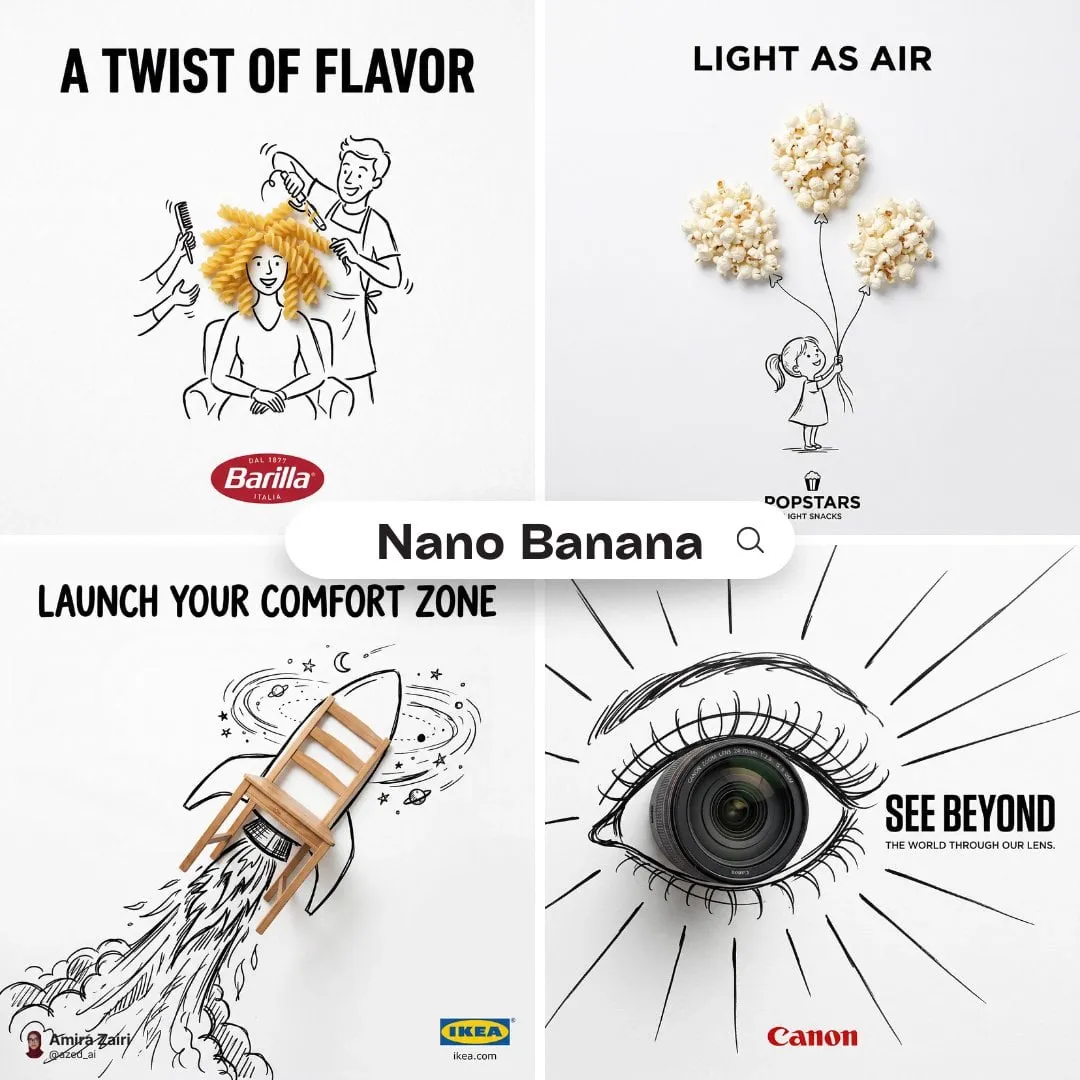
One quiet but powerful trend is the use of image fusion and style-transfer techniques to keep a brand's visual identity unified across a huge volume of assets. Instead of every post having a slightly different look, teams lock a single visual style and reuse it everywhere.
This works at two levels. At the asset level, generation tools can take a reference image or style key and ensure the output matches it, so a product shot, a lifestyle image, and a campaign banner all share the same look. At the brand level, this unification builds instant recognition. When every asset obviously belongs to the same visual family, the brand starts to win attention simply by being consistent in a noisy feed.
Character-driven content and the humanizing of e-commerce
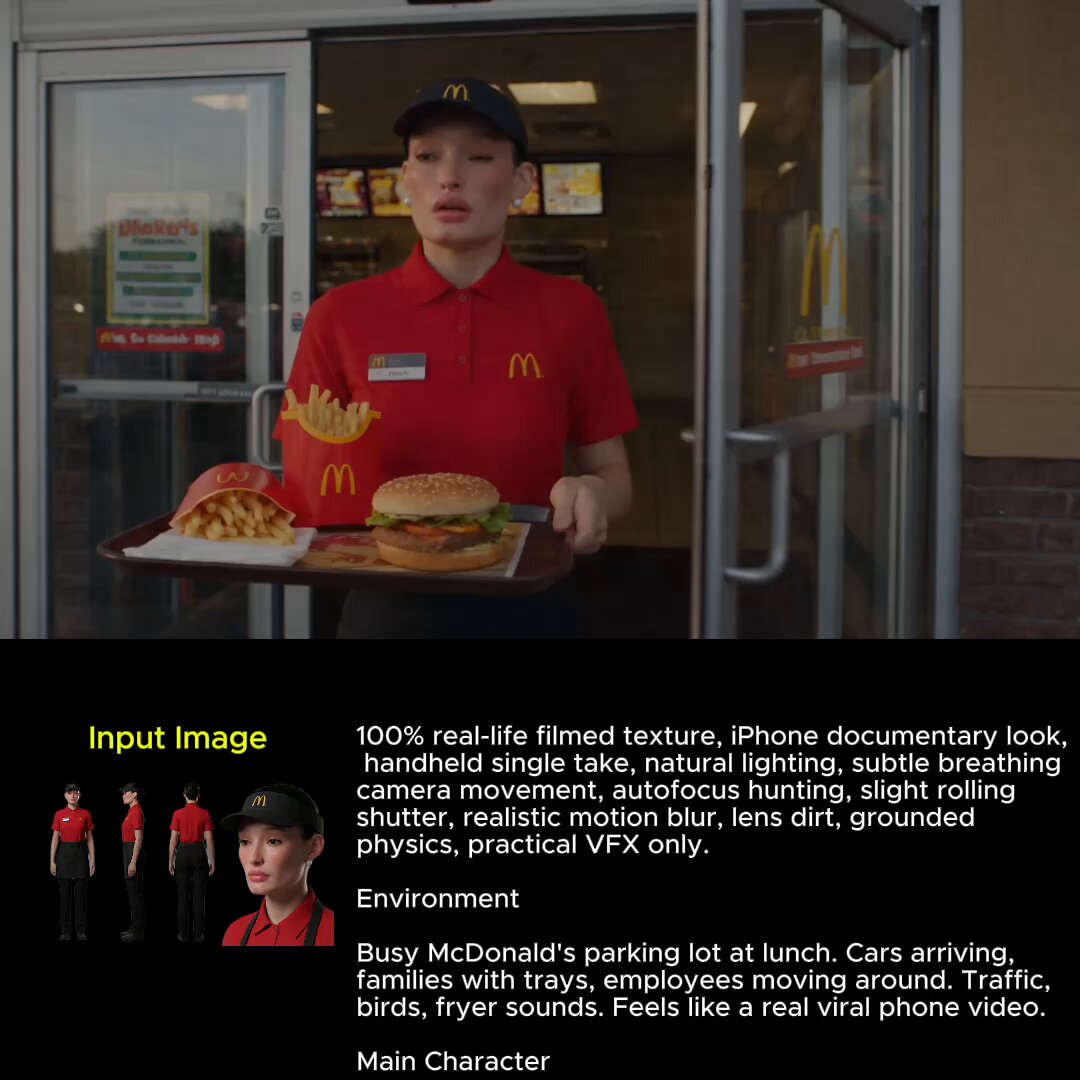
The most interesting development in e-commerce content is the rise of characters. Consumers have grown fatigued by anonymous, corporate-feeling product marketing, and brands are responding by building recognizable on-screen personas that carry the brand from video to video.
A character gives a brand continuity and emotion. It can be an invented mascot, a recurring host, or a stylized brand figure. The key is that the character appears reliably across campaigns, so audiences build a relationship with it. A recurring character solves a real problem: how to be memorable in a stream of interchangeable content.
Character-driven content is also a natural fit for the technical capability to hold a consistent visual identity. Once a brand locks a character, it can generate an endless series of scenarios starring the same persona, from product demos to seasonal sketches, all connected by that recognizable figure. This creates serialized content that audiences follow, which is far stickier than one-off posts.
From follower to customer
The psychology is straightforward. A recognizable character earns recognition; recognition invites trust; and trust shortens the path to a purchase. E-commerce channels that use a consistent character report that the content becomes a hook people look forward to, rather than an ad to be scrolled past.
Short video as the dominant conversion surface
If there is one channel that has reshaped every other strategy, it is short video. It is now the default way most consumers discover products, and it favors a very specific kind of content: quick, emotional, visually distinctive, and easy to consume on mobile.
The strategic implications for e-commerce are concrete. Product discovery increasingly happens in feeds rather than search. Short, punchy reviews, unboxings, before-and-after demonstrations, and relatable scenarios outperform glossy commercials. The brands that win are the ones that understand the platform grammar: hooks in the first second, momentum throughout, and a clear payoff.
Short video also rewards regularity. Because the format is cheap to produce with generative tools, teams can post frequently, which compounds algorithmic reach. The challenge is to keep the pace up without letting quality or on-brand consistency slip, which loops back to the need for a strong reusable creative base.
Adapting the commerce model to new consumer behavior
Beyond content, the actual mechanics of commerce are evolving. Integrated purchasing, native checkout inside social apps, and richer product presentation in video are all lowering the distance between seeing something and buying it. Strategy now means reducing friction at every step.
A few practices stand out. Make the path from discovery to checkout as short as possible; every extra click costs conversion. Use video to answer the questions a product page used to answer, such as size, use, and feel, because motion conveys these better than text. And build repeat-purchase loops, because acquiring a new customer is far more expensive than converting an existing one.
Choosing and sequencing the right technology
Not every capability needs adoption today, and adopting everything at once is a common failure mode. A practical approach is to sequence investment around your biggest bottleneck.
If your problem is that production cannot keep up with demand, invest first in a reliable generative content pipeline with strong brand anchoring. If your problem is that traffic converts poorly, invest first in personalization and friction removal. If your problem is discoverability, invest in short video production and character-driven content. Let the strategy drive the tooling rather than collecting tools and hoping they solve something.
Launching a coordinated campaign end to end
To see how the pieces fit together, walk through a concrete example: a seasonal product launch for an e-commerce brand.
Start by locking the creative base. Settle the palette, the voice, and the recurring character or mascot that will carry the campaign, because everything generated later must reference these anchors. From this base, brief the generative engine to produce the campaign toolkit: the hero images, the short-video hooks, the email headers, and the product demo clips, all in the same style.
Then set the personalization layer. Load the segments you want to reach and define what the experience looks like for each: a returning customer sees the style they engaged with before, a first-time visitor sees a broader introduction, a price-sensitive segment gets a clear value framing. The creative base guarantees consistency; the data layer guarantees relevance.
Next, sequence the channels. Open with short-video teases that build recognition of the character, follow with the full story on the channels where your audience does deep discovery, and close with the friction-free checkout experience. Monitor which touchpoint each sale came from, so the next campaign can weight effort toward what converts.
Finally, iterate. Run small tests in parallel before committing budget, keep what performs, and recycle the winning assets into reuse. A coordinated campaign run this way compounds: the base stays consistent, the personalization stays relevant, and every channel reinforces the same recognizable brand.
Building an operating cadence for the AI era
The tactical pieces matter, but they only compound when you run them on a disciplined cadence. Decide a weekly rhythm that matches your reality and stick to it: a set day for refreshing the creative base, a cadence for publishing short video, a standing review of personalization performance, and a monthly audit of the channel mix.
The cadence matters because consistency is what the new technology actually rewards. Generated content removes the natural governor on output, so teams that lack discipline quickly drown their own audience in noise. A deliberate cadence ensures the brand stays recognizable while the volume grows. It also turns learning into an ongoing process rather than a post-mortem after a failed campaign.
Common mistakes to avoid
The most costly mistakes in this landscape are strategic, not technical. Publishing large volumes of generic content dilutes the brand instead of building it. Chasing every new channel while neglecting a consistent visual identity spreads the team thin. Personalizing without consent or without clear value erodes trust. Treating generative AI as a magic output button without a brand base produces chaos. And ignoring the humanizing power of recurring characters leaves the brand feeling corporate and forgettable.
Each of these is avoidable when the strategy is built around consistency, relevance, and trust rather than raw output volume.
Frequently asked questions
Do I need a huge team to adopt generative content? No. The point of the technology is that a small team can operate at the capacity of a much larger one, provided you invest in a standardized, on-brand creative base.
Is personalization safe with privacy rules? Yes, when it is consent-based and transparent. Collect data with clear value exchange, give users control, and use it to make the experience visibly better.
Why does short video matter so much for e-commerce? Because it is where modern consumers discover products. Brands that speak the short-video grammar and post regularly capture discovery traffic that search no longer guarantees.
Should I build a brand character? If your content competes for attention in crowded feeds, a consistent, recognizable character is one of the most reliable ways to become memorable and build trust over time.
Putting it all together
The winners in today's marketing and e-commerce environment are defined by how they adapt to abundance. Generated content removes the scarcity of production, which changes the game entirely. The scarce resources are now a strong, consistent brand identity, a deep and genuinely useful understanding of the customer, and the judgment to know what deserves an audience's attention.
Build a generative content engine that serves a locked brand identity. Use data and AI to personalize the whole experience, not just the subject line. Unify your visual style across every touchpoint. Humanize your brand with a recurring character that people recognize and trust. Master short video as a conversion surface. And reduce friction from discovery to checkout. Do these with consistency and judgment, and the new technical era stops being a threat to your marketing and becomes the biggest advantage you have.
