
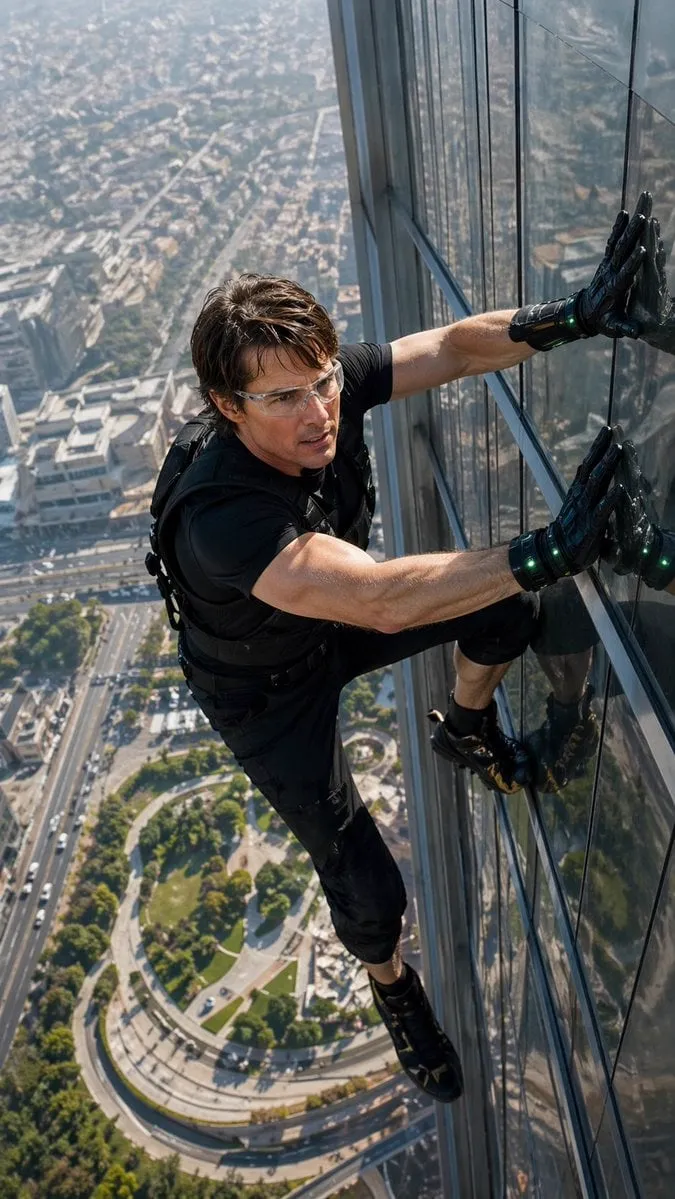

There has never been a better time to make a film without a film crew. The camera in your pocket has effectively become a professional capture device, and the software that turns raw footage into a finished story has become more capable than ever. What used to take a studio, a rented camera package, and a full editing suite now fits in a workflow any creator can run from a single mobile device.
The DIY filmmaking shift is real because the gap between a consumer capture tool and a cinema camera has narrowed dramatically. Features that were once the domain of expensive gear, like high bit-rate logging, shallow depth of field, and precise focus control, are now accessible on modern smartphones. The result is that the biggest barrier is no longer hardware; it is technique.
This guide walks through how to make professional short films with an iPhone, from the fundamentals of capture all the way through an efficient, repeatable post-production pipeline. Whether you are an aspiring director or a marketer building brand shorts, the same principles apply.
Why mobile filmmaking works today
It is worth pausing on why someone would choose to make a serious short on a phone at all. The obvious answer is cost, but the deeper answer is freedom. A phone is always with you, it is unobtrusive in real locations, and it allows you to capture candid moments a large camera would spoil. That flexibility opens doors for documentary work, street filmmaking, and quiet character scenes that a heavier setup cannot reach.
Technologically, the argument has become just as strong. Modern sensors capture impressive detail, computational photography extends dynamic range, and the lenses on flagship devices produce genuinely cinematic shallow depth of field. When you shoot in the right formats, the file you get is robust enough to survive professional grading, which was unthinkable on early phones.
The equipment gap continues to shrink because the phone's limitations are increasingly limitations of technique rather than hardware. Learn to control the image, and a phone becomes a real filmmaking instrument. That is the foundation this guide is built on.
Start with the camera, not the edit
The quality of your short is decided before you ever open an editing app. Great footage comes from thoughtful capture: choosing the right settings, controlling exposure and focus, and keeping the camera steady. No amount of post-processing can save footage that was badly framed, badly exposed, or shaky.
The first move is to abandon automatic modes for anything you care about. Automatic settings make decisions for you, and those decisions are rarely what a filmmaker would choose. By switching to manual controls for ISO, shutter speed, and focus, you take ownership of the image and give yourself a much stronger base to work from.
This discipline matters for two reasons. It lets you match the look you want while shooting, and it produces footage with the latitude needed for color grading and AI enhancement later. Good capture is not just about what looks right on the small screen; it is about capturing as much information as possible for the edit.
Using professional capture formats
If your device supports it, recording in a professional format is one of the highest-impact choices you can make. Formats that preserve more color information give you substantially more flexibility when you grade the footage or feed it through enhancement tools.
The relevant specs are bit depth and chroma subsampling. Raw or log profiles capture a wide dynamic range, protecting highlights and shadows, and they record color at a quality level that survives aggressive processing. When you record this way, you can recover detail in a blown-out sky or pull up shadows that would otherwise be crushed noise.
You do not always need the highest setting, and the largest files can be a storage burden. The trick is to match the format to the project: use the richest format for shots that demand quality and in heavy post, and lighter modes for quick tests and throwaway b-roll. Being deliberate about format keeps quality high and storage manageable.
Mastering exposure and focus for a cinematic look
Cinematic footage is defined partly by the technical choices you make at the moment of capture. Exposure control keeps your highlights and shadows intentional. The old rule of thumb, set your shutter speed to roughly twice your frame rate, keeps motion natural and gives footage that smooth, film-like cadence that audiences read as professional.
Use manual focus to control exactly where the viewer's eye rests, and learn to focus-pull between points in a scene to add depth and narrative intent. Combine that with deliberate exposure choices and you immediately distinguish your footage from default, auto-everything phone shots.
Beyond basics, look for the details professionals care about: locking white balance so colors stay consistent across a scene, using the histogram rather than the screen to judge exposure, and deciding on a frame rate up front so you do not fight inconsistent motion in the edit. These small disciplines compound quickly.
Stabilizing and framing with the right accessories
Handheld footage is fine for a run-and-gun look, but for most narrative work you want stability that lets the audience focus on the story. A few inexpensive accessories close most of the gap between a phone and a proper camera rig.
A gimbal or a sturdy tripod removes micro-shakes that look amateur. Optical add-ons, such as anamorphic lenses or clip-on wide and macro lenses, expand creative options and give footage a more considered, cinematic feel. Even a simple external microphone is transformative, because audio quality drives perceived production value almost as much as the picture.
Beyond gear, apply classic framing discipline. Compose carefully, keep horizons level, and leave headroom consistent across shots. Accessories help, but deliberate framing is a skill you bring no matter what gear you own. A stable, well-framed image is the quickest upgrade to perceived professionalism available to you.
Using advanced computational features wisely
Modern smartphones do more than capture light; they compute. Features like high dynamic range capture and depth mapping give you flexibility that was unimaginable on older devices, but they need to be handled with intent.
HDR capture preserves detail across a wide range of brightness, which is perfect for scenes with strong contrast. Depth mapping, built from multiple camera sensors, enables convincing focus effects and even lets you adjust background blur after the fact. Used well, these tools expand your creative control rather than just automating it.
The caution is consistency. If you toggle HDR on for some shots and off for others, your footage will not grade together cleanly. Decide on a consistent capture profile for a project and stick with it, so every shot in the final film shares the same technical foundation.
AI-assisted post-production that actually helps
The post-production stage is where DIY filmmakers gain the most from recent advances. Modern, often AI-driven tools can handle tedious and skilled tasks, from cleaning up noise to assisting with editing decisions, freeing you to focus on the story.
A strong approach uses an AI assistant for structure and consistency. Rather than manually logging every shot, you can let the software help assemble a scene, suggest an edit based on your footage, and keep visual and narrative continuity across cuts. This is especially valuable for longer projects where keeping track of everything by hand is error-prone.
The key is to treat AI as an accelerant, not an author. Let it handle the mechanical work of flagging usable takes, aligning beats, and maintaining consistency, but make the creative calls yourself. The moments that define a great short, which shot to cut to, when to linger, what the rhythm communicates, come from you.
Keeping visual and narrative consistency
One of the trickiest parts of a short film is consistency, both in how it looks and in how the story flows. This is doubly hard for a solo creator wearing every hat, because there is no team to catch drift.
At the capture stage, consistency means repeating your settings and your camera language from scene to scene. At the edit stage, it means grading all your footage through the same look and keeping story tones aligned. When you add AI into the mix, consistency extends to characters and style across generated or enhanced shots.
Establish your visual foundation once and reuse it. Lock your color palette, your aspect ratio, and your key character looks before you begin, and reference them throughout. This discipline is what turns a collection of clips into a film that feels intentional and coherent.
Building a repeatable workflow from capture to release
The difference between a one-off experiment and a sustainable filmmaking practice is a repeatable workflow. When your process is consistent, every new project gets faster and better because you are not reinventing the pipeline each time.
A practical sequence looks like this. First, plan: define your story, your shots, and your visual foundation before you touch the camera. Second, capture deliberately using your chosen settings and accessories. Third, organize your footage so the edit can move quickly, tagging usable takes and notes.
Fourth, edit with the help of AI for structure and consistency, while making the creative decisions yourself. Fifth, finish with a consistent grade and quality sound. Finally, distribute and review, learning from each release to sharpen the next one.
Sound design that sells the story
Sound is half the film, and it is the half DIY filmmakers most often neglect. On a phone, use an external microphone for dialogue rather than the built-in mic. Record clean location audio and add ambience in the edit to build the world around your pictures.
Keep your audio layers simple and effective: a clear dialogue or narration track, a layer of subtle ambience, and a music bed that supports the mood. Balance them so nothing fights for attention. Audiences forgive an imperfect image far more readily than a clean, natural mix, so sound is one of the highest-return investments you can make.
The same consistency rules apply. Use the same mic position, the same recording levels, and the same mixing approach across a project, and the film will feel professionally assembled rather than assembled from whatever happened to be available on each set.
Frequently asked questions
Do I really need a pro format to make good shorts?
Not always, but using a rich capture format like log gives you far more flexibility for grading and enhancement. For shots that matter, it is worth the extra storage.
Can I get cinematic depth of field on an iPhone?
Yes, using a combination of focal length, subject distance, and computational depth features. It is not identical to a full-frame camera, but it is surprisingly convincing.
How important is audio in a short film?
Extremely. Clean dialogue and considered sound design dramatically lift perceived quality. A cheap external microphone is one of the best upgrades you can make.
Is AI going to remove the creative work?
No. AI removes mechanical work and assists with consistency. The creative decisions that give a film its identity remain firmly yours.
What is the best frame rate for a narrative short?
For a natural, film-like look, shoot at the frame rate you intend to present, commonly 24 or 30 frames per second, and keep it consistent across the project to avoid jarring motion differences in the edit.
How much storage do I need for pro-format footage?
Rich formats are much larger than compressed phone videos. Plan ample storage for your shoot days, and offload carefully. The extra space is worth it for the editing flexibility you gain.
Final thoughts
The DIY filmmaking revolution is less about the gear and more about a shift in what is possible. With disciplined capture, a few thoughtful accessories, and an efficient AI-assisted workflow, a single creator can now make short films that hold their own alongside far more resourced productions.
Start with one project and care about the details. Choose your settings deliberately, keep your footage consistent, and let AI handle the busywork while you make the calls. The camera in your pocket has never been readier, and neither has the software. The only thing missing is the first shot.
