
Why E-commerce Video Is No Longer Optional
The digital shelf is no longer defined by static images; it is a rapidly moving, highly engaging video stream. Consumer attention spans, particularly on platforms favoring short-form content like TikTok, Instagram Reels, and YouTube Shorts, necessitate video assets that capture interest within the first two seconds. Failure to integrate compelling visual storytelling results in immediate abandonment.
The market for AI-assisted content creation is growing fast, fueled largely by the e-commerce sector's insatiable need for fresh, localized, and contextually relevant visual assets. The opportunity lies in hyper-personalization: AI enables brands to show a single product in hundreds of different simulated environments, tailored to specific demographics or platform requirements simultaneously.
The Shift from Static Assets to Dynamic Product Visuals
Leveraging Advanced AI Models for Hyper-Realistic Product Imagery
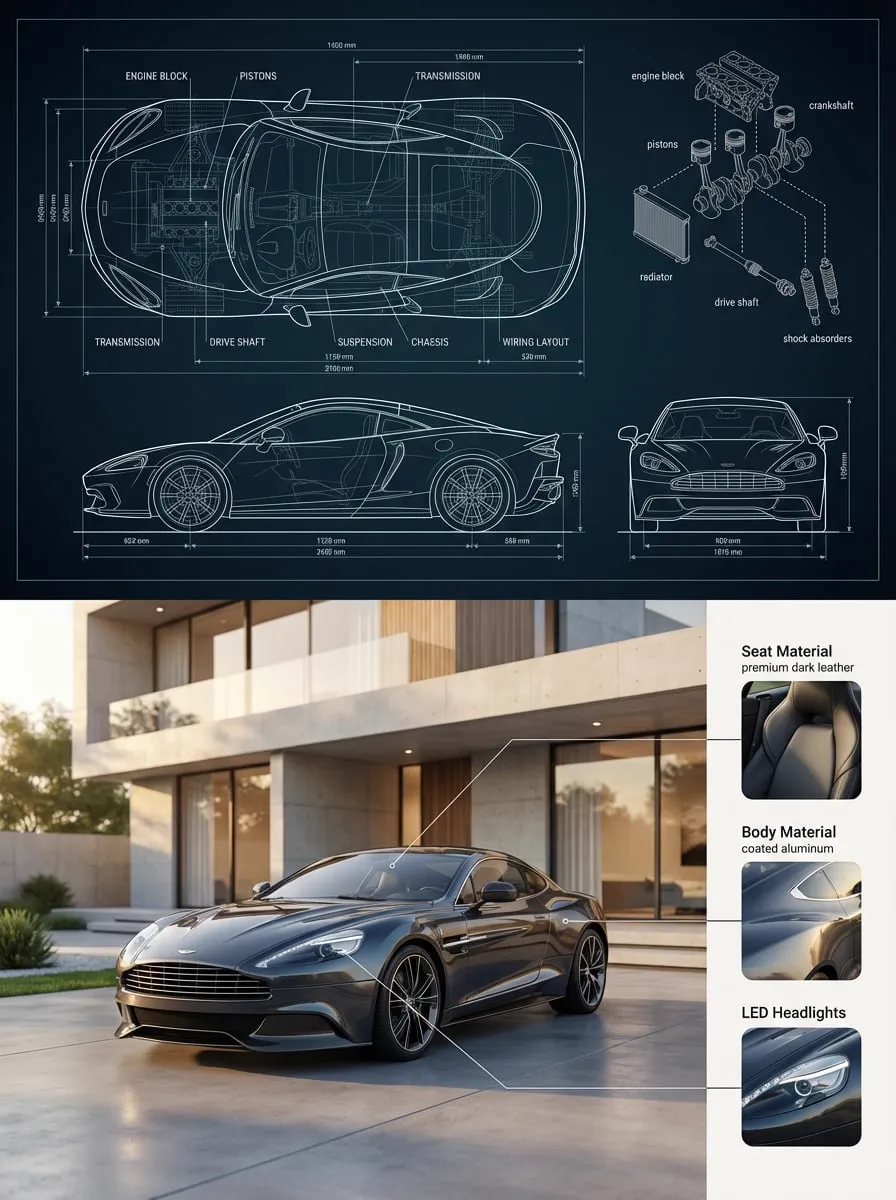
The core enabler for this shift is access to cutting-edge, high-fidelity generative models. Near-photorealistic rendering with superior prompt understanding and style consistency is crucial for maintaining brand identity across thousands of assets. The ability to use multi-image fusion ensures that if a specific product variant exists, its key features remain consistent even when transitioning between different generated scenes.
This capability directly addresses the historical weakness of early generative video: inconsistent subject portrayal. For high-end goods, subtle details like stitching or material sheen are conversion factors. The concept of non-destructive training within advanced models means brands can iterate rapidly on visual styles without corrupting the core product reference data.
Integrating Diverse Model Capabilities for Contextual Variation
True unlocking of e-commerce potential comes from applying the right model to the right use case. A budget-friendly model might suffice for simple background replacements, while complex product demonstrations requiring precise physics and lighting demand premium access. A tiered approach works best:
- Use accessible models for high-frequency social media posts with exceptional physical realism at a lower computational cost.
- Use premium models for high-stakes product reveal videos requiring unprecedented realism and superior narrative understanding.
- Strategically mix models: smooth, large-scale environmental shots with one model, rapid iteration on short attention-grabbing clips with another.
- Use multi-reference models for fashion retail, supporting up to 7 reference images to ensure the generated video accurately depicts texture, fit, and drape across varied camera angles.
Orchestrating Consistency Across Campaigns
Generating high-quality individual clips is only half the battle; maintaining narrative flow and cinematic coherence across an entire product line or seasonal campaign requires sophisticated direction. Intelligent scene composition and automated cinematography suggestions based on established marketing principles help apply consistent framing, lighting schemas, and brand pacing automatically across hundreds of product videos.
This ensures a unified brand aesthetic across all digital touchpoints. This level of automated professional direction saves countless hours previously spent on manual scene blocking and style adjustments.
Powering Scale: Technical Infrastructure
Task Queue Management
Behind the scenes, a robust backend manages the allocation of limited, high-demand GPU resources across many models, prioritizing tasks based on user membership level and usage priority. Efficient queue management ensures fair resource distribution and prevents system bottlenecks during large-scale batch generation requests—a common scenario during major holiday sales events.
Data Integrity and Asset Management
Reliable data management is non-negotiable for any platform handling financial transactions and proprietary user-trained models. Structured databases track the complex relationships between user actions, resource consumption, and the resulting video assets. Content management oversees the lifecycle of assets, linking them via unique identifiers to the creation parameters stored in the database.
Revolutionizing E-commerce Storytelling with Short-Form Video
Crafting Viral Hooks
Short-form content thrives on high-impact opening sequences. For e-commerce, this means the first 1-3 seconds must showcase the product's main benefit or unique feature dynamically. Iterative generation using faster models allows marketers to rapidly A/B test dozens of opening visual sequences before committing to higher-cost final renders.
Using image integration features, creators can seamlessly blend a high-resolution, static photo of a new product with an AI-generated video demonstrating its unique feature, maximizing visual information density in minimal time.
Ensuring Brand and Product Cohesion
A major hurdle in scaling video production is maintaining absolute style consistency. If a brand sells three different items in a campaign, the visual treatment—color grading, camera movement, lens flare, and environmental style—must align perfectly. Multi-image fusion allows creators to input multiple reference images of the product from different angles, ensuring that the generated video maintains precise geometric accuracy and texture representation.
For advanced control, some models lock down the beginning and end states of the video, allowing the AI to seamlessly generate the middle sequence while respecting strict narrative or compositional boundaries necessary for product placements.
Scaling Production with Cost-Effective Selection
E-commerce success requires high volume—hundreds of product variations, localized ads, and regional stylistic adaptations. A tactical approach involves:
- Using powerful but expensive models for a limited set of hero assets.
- Using lower-cost, high-speed models for iterating on hundreds of supporting short-form videos that target niche audiences.
- Leveraging specialized, user-trained models optimized purely for a specific product category, offering excellent ROI.
- Using models focused on physical realism for showcasing durable goods where motion fluidity is less critical than texture fidelity.
Monetization and the AI Video Ecosystem
Train and Publish Custom Models
A key differentiator is the ability to train and publish your own AI models. This democratizes innovation, allowing subject matter experts to train a model on proprietary data, ensuring future video generations perfectly adhere to their specific design language. A user who trains a highly specialized model can publish it and earn from each use, turning expertise into a revenue stream.
Audio Synchronization for Maximum Engagement
Audio is a critical component for maximizing engagement on mobile feeds. Automatic synchronization of trending, copyright-cleared audio or AI voice synthesis matching the video's generated rhythm helps videos stand out in crowded feeds. Videos with rich audio experiences also perform better in search and recommendation systems.
Practical Steps to Get Started
- Audit your product library: identify which products need video demonstrations.
- Build reference assets: create multi-angle product imagery for consistency.
- Choose models strategically: match model capability to the task and budget.
- A/B test opening hooks: generate multiple opening sequences and measure performance.
- Maintain brand cohesion: apply a consistent style profile across all campaigns.
- Scale with batch generation: produce hundreds of variations from core assets.
FAQ
How much does AI product video cost compared to traditional production?
AI production typically reduces visual asset production costs by 30-50% while cutting time-to-market significantly. The tiered model approach lets you control costs: budget models for volume, premium models for hero assets.
Can AI maintain product accuracy across different scenes?
Yes. Multi-image fusion and keyframe control ensure that product features, colors, and textures remain consistent across scenes, even when switching between different models.
What types of e-commerce content work best with AI video?
Short-form social ads, product demos, lifestyle showcases, localized campaign variations, and personalized product videos all benefit from AI generation. The key is matching the right model to each use case.
Conclusion
The e-commerce landscape in 2025 is fundamentally shaped by the demand for dynamic short-form video content and hyper-realistic AI product imagery. Brands that embrace scalable AI video production gain a critical competitive advantage: faster time-to-market, lower production costs, and consistent brand storytelling across every touchpoint.
To unlock e-commerce video, start with the AI video generator for dynamic product demos, use the AI image generator for consistent product imagery, and explore models like GPT Image or Seedance for high-fidelity visuals that drive conversion.
