

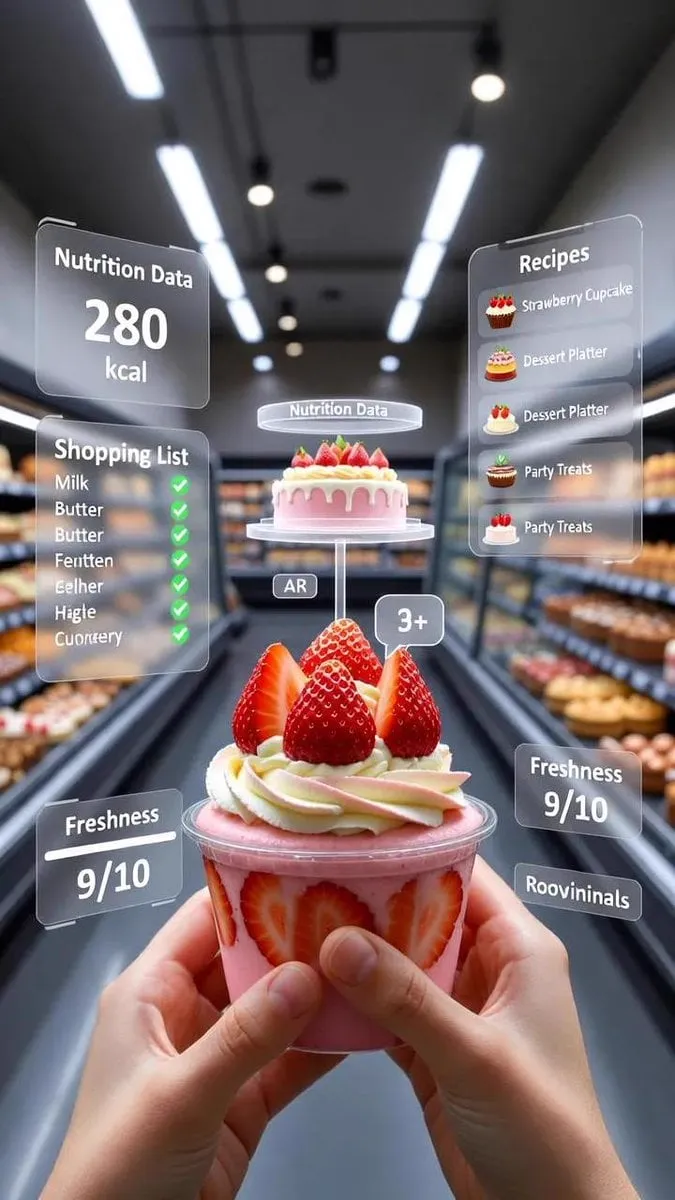
The digital storefront of a modern e-commerce brand looks more like an entertainment feed than a catalog. Shoppers discover products through short videos, decide based on demos and reviews, and buy without ever reading a long description. Video now drives the majority of e-commerce traffic, and the brands that produce relevant, trend-aligned video quickly are the ones that grow. AI video generation has made this speed achievable for teams of any size.
This guide explains how to build a seamless e-commerce video workflow: how to catch trends early, produce at scale without losing brand identity, make videos shoppable, and measure the impact on sales.
Video Is Now the Storefront
The shift is measurable. Video content accounts for a large and growing share of e-commerce traffic, and products with video demonstrate higher conversion rates than those without. The reason is simple: video answers the questions shoppers actually ask, showing how a product looks, moves, and works in a way that static images cannot.
The consequence is that video production is no longer a marketing afterthought. It is part of the product listing itself. A new product without video is incomplete, and a trend without a video response is a missed revenue window.
This changes the economics of content production. The old approach, filming every product in every variant, is too slow and too expensive. The new approach generates video from assets and scripts, producing platform-ready variants in hours. The brands that treat video as an operational system rather than a creative project are the ones winning the feed.
How to Catch a Trend Before It Peaks
Trend-driven e-commerce is a race against the curve. The brands that profit from a trend are the ones that ship content as the trend accelerates, not after it peaks. AI video helps compress the production cycle, but the detection problem comes first.
Watch the high-velocity platforms daily. Short-form feeds, social audio, and meme formats reveal rising patterns: a sound, a visual style, a product category suddenly in demand. The signal is not any single video but the cluster: several unrelated creators using the same format within days.
When a cluster appears, map it to your catalog immediately. Ask which products fit the format, what angle matches the trend's energy, and which segment will respond. The mapping is a human decision; the production that follows is where AI does the heavy lifting.
Act within days, not weeks. The goal is to be early in the curve with a video that captures the format's appeal while it still feels fresh. A perfect video a week late underperforms a good video two days early.
Producing at the Speed of Social Media
Once the trend is mapped, the production workflow has to be fast and repeatable. The core principle is modularity.
Keep a library of reusable segments: product close-ups, lifestyle shots, feature callouts, comparison frames, and a flexible ending. When a trend appears, assemble a draft from existing segments and generate only the missing pieces. Most trend videos reuse more than they create.
Generate multiple options per scene and select. A batch of candidates per shot, reviewed quickly, produces better results than a single attempt refined endlessly. The selection step is where the team's taste shows, and it is cheap to repeat.
Protect the review gate. Speed is valuable, but publishing broken or off-brand content costs trust. Keep a fast human checkpoint: brand fit, factual accuracy, platform formatting. The gate should take minutes, not days, but it must exist.
Keeping Your Brand Consistent at Volume
High-volume production creates a predictable failure mode: visual fragmentation. When dozens of videos are produced quickly, each one can look slightly different, and the cumulative effect makes the brand feel inconsistent and cheap.
The fix is a locked asset system. Define the brand world once: colors, lighting, typography, product presentation style, and approved characters. Store these as reference images and style guidelines that every generation uses.
Product consistency deserves special attention. A product's shape, logo, and color must be identical across every video, or shoppers lose confidence. Generate a perfect product reference shot once and reference it in all product scenes.
Apply the same rule to audio. One narrator voice, one music direction, one sound design style. Audio drift is less visible than visual drift but equally damaging to the brand feel.
Schedule a monthly consistency audit. Watch a sample of the month's videos side by side and note anything that drifts. Catching drift early keeps the cost of correction low.
Making Videos Shoppable
A video that entertains but does not convert is a wasted asset. Shoppable video connects the content directly to the purchase.
Start with the basics: every video needs a clear product, a clear benefit, and a clear next step. The call to action should match the platform, whether that is a product tag, a link in the description, or an embedded checkout.
Structure the video for decision support. Show the product in use, address the top objection, and demonstrate the outcome. The best product videos answer the three questions shoppers have: does it look right, does it work, and is it worth it.
Use data to improve conversion. Track which videos lead to purchases, not just which ones get views. A high-view, low-conversion video has a fixable problem: the wrong angle, the wrong audience, or the wrong call to action. Because generation is cheap, iterate the underperformers instead of accepting them.
Sound, Music, and Voice
Sound is the most underestimated element of e-commerce video. A trend format often rides on a specific audio track, and matching that audio is what makes the video feel native to the platform.
For trend alignment, use the sound that defines the format, with attention to licensing. For brand content, invest in a distinctive music style and a consistent voice. Text-to-speech voices have improved enormously and work well for product explainers, especially when paired with captions.
Captions are not optional. Most short-form video is watched without sound, and captioned videos hold attention longer and reach more viewers. Design the video so it works both ways: with sound for engagement, without sound for clarity.
Choosing Tools and Controlling Costs
Tool selection should follow the workflow, not the other way around. Map your needs: generation, assembly, audio, and measurement. Choose one tool per need at the start, and only add options when the process demands it.
Cost control comes from tiering. Use fast, inexpensive generation for drafts and high-volume variants, and premium generation for hero assets and key product shots. Track cost per video and per converted customer, not just total spend. A video that costs more but converts proportionally better is not expensive; it is efficient.
Beware of tool sprawl. Every new tool adds integration cost and training time. The teams with the fastest workflows are usually the ones with the fewest tools, used well.
Measuring What Matters
E-commerce video has a clear bottom line, which makes measurement straightforward. Define the funnel: views, engagement, clicks, conversions, and revenue. Instrument every video to report these, and review them per product and per platform.
Top-of-funnel metrics tell you about reach and fit: are the right people seeing the video? Engagement and completion tell you about the content: is it holding attention? Conversion tells you about the message: is it driving action? The most useful metric is revenue per video, because it corrects for vanity numbers.
Run controlled experiments. Change one variable at a time, whether the hook, the angle, or the call to action, and compare revenue. Document the winners and fold them into the templates. Over a few months, the system learns what works for your catalog, and every new video starts from a stronger baseline.
Frequently Asked Questions
How fast can we actually produce a trend video? With modular assets and a fast generation tier, a small team can ship a trend response in a day, sometimes in hours. The bottleneck is usually the review gate, not the production.
Do we need to film anything at all? Not necessarily. Product reference shots are the foundation, and they can come from existing photography. Generation handles the rest. Filming adds uniqueness but is not a requirement.
How do we avoid looking like every other brand on the feed? Through the asset system and the angle. The format may be the same, but the product, the voice, and the specific benefit are yours. Generic output comes from generic inputs.
What about platform differences? Design modular segments that adapt: vertical for short-form feeds, square for social, horizontal for web. The asset system makes the variants cheap, and the review gate ensures each version fits its platform.
Is this sustainable for a small business? Yes. Start with one product line and a two-tool workflow. The economics improve with reuse, so the first campaign is the most expensive and every campaign after that gets cheaper.
How do we keep quality high as volume grows? By protecting the review gate, maintaining the asset system, and auditing consistency monthly. Speed without those guardrails produces volume without quality, and volume without quality does not convert.
Building a Content Calendar That Follows the Curve
Trend-driven video needs a calendar, but not the kind most teams use. A fixed monthly plan assumes the market stays still, which it never does. The calendar should have three layers.
The always-on layer holds evergreen product videos: demos, feature explainers, and category guides. These are produced steadily and improved through the experiment loop. They build the base of the catalog and perform consistently over time.
The planned layer holds the seasonal and campaign content you can predict: launches, holidays, and category moments. These get scheduled in advance, and the asset system makes them cheap to produce at scale.
The reactive layer is where trends live. It cannot be planned, but it can be prepared. Keep a standby pool of flexible segments, a fast approval path, and a shortlist of trend categories that match your catalog. When a signal appears, the reactive layer activates and ships within the day.
The discipline is to protect the layers from each other. Reactive production must not starve the always-on base, and planned campaigns must not get delayed because a trend stole the team. Clear ownership per layer keeps the calendar honest.
Case Study: From Trend to Sale in 48 Hours
A home goods brand notices that a specific kitchen aesthetic is suddenly appearing across short-form feeds: the same color palette, the same lighting style, and the same sound. Within twenty-four hours, three independent creators have used the format, which is the cluster signal the team watches for.
The team maps the trend to their catalog and finds a matching product line. They pull the product reference shots and the color palette from the asset system, and a strategist writes a modular script that fits the format: a strong hook, a quick demonstration, a benefit statement, and a shoppable ending.
Production starts immediately. Fast-tier generation produces twelve candidate versions of the hook and four versions of the demonstration. The reviewer selects the strongest combination, verifies the product details, and adds the platform's product tag. The video ships the next morning, roughly thirty-six hours after the signal was detected.
The results are immediate: the video outperforms the category average on views and conversion, and the same segments are recombined for two more platforms by the end of the week. The cost was a fraction of a traditional shoot, and the asset system made the speed possible. The team logs the winning segments and the format notes, so the next trend response starts from a stronger position.
A Note on Disclosure and Trust
AI-generated product video raises a legitimate question: should shoppers know the video was made with AI? The honest answer is that transparency is almost always the right policy, and it rarely hurts performance.
The reason is simple. Shoppers do not object to AI production; they object to deception. A video that accurately shows a real product, uses real product reference shots, and makes claims that are true is honest, regardless of the tools used to assemble it. The asset system exists precisely to keep the product representation accurate.
What damages trust is the opposite: exaggerating product qualities, showing impossible results, or using synthetic people to imply a real testimonial. If a video features a synthetic presenter, say so in the description. If a claim cannot be verified, do not include it. The brands that disclose responsibly build a reputation for integrity, and in a feed full of noise, that reputation is a competitive advantage.
Frequently Asked Questions: Practical Details
Do I need to disclose AI use in every video? Follow platform rules and local guidance, and use common sense. Disclosure is essential where realism could mislead; it is less critical for obvious stylized content. When in doubt, disclose.
How do I handle negative reactions? Publish accurate content, respond to questions honestly, and correct mistakes fast. A single transparent response builds more trust than a hundred defensive posts.
Can AI video work for regulated products? Yes, but with stricter controls. Keep a human reviewer for every claim, archive the asset versions, and retain the record of what was generated and approved. The process is the same; the stakes are higher.
