
Why a professional ad is no longer out of reach
Not long ago, a polished advertising video meant a studio, a crew, and a budget that most small businesses and solo founders simply did not have. That has changed. Generative AI can now produce a convincing ad video from a text description, a few images, and some time. You no longer need expensive software or a video editor to get a result that looks and feels professional.
This guide is written for absolute beginners. We are going to keep everything practical: what you need, how to think about an ad idea, how to write the prompts that get good results, and how to keep a professional look even when you are working with free or low-cost tools. The goal is to help you create your first real ad video today, not to overcomplicate the process.
What you actually need to start
Genuine beginners are often surprised by how little they need. You need an idea for what you want to show or say, a text prompt that describes it, access to a video generation tool, and a desire to iterate. You do not need a camera, a studio, or a rendering machine, because almost all of the powerful tools run in the cloud.
Start with one tool and learn it. Trying to master five generators at once is how beginners get lost. Choose something with a usable free tier, generate a few test clips, and get comfortable with how your words turn into images and motion.
Building a strong ad idea before you generate
The quality of your video starts upstream, with your idea. A good ad says one clear thing to a specific person. Before you open any tool, write down the product or service, the person you are speaking to, and the single benefit you want them to remember. If you cannot summarize that in one sentence, your ad will feel scattered.
Describe the mood and the look as well. Do you want it bright and optimistic, sleek and metallic, or warm and personal? This feeling guides every prompt you write. The most common beginner mistake is jumping straight to generating before deciding what the video should communicate.
Writing prompts that get professional results
Be specific about the scene
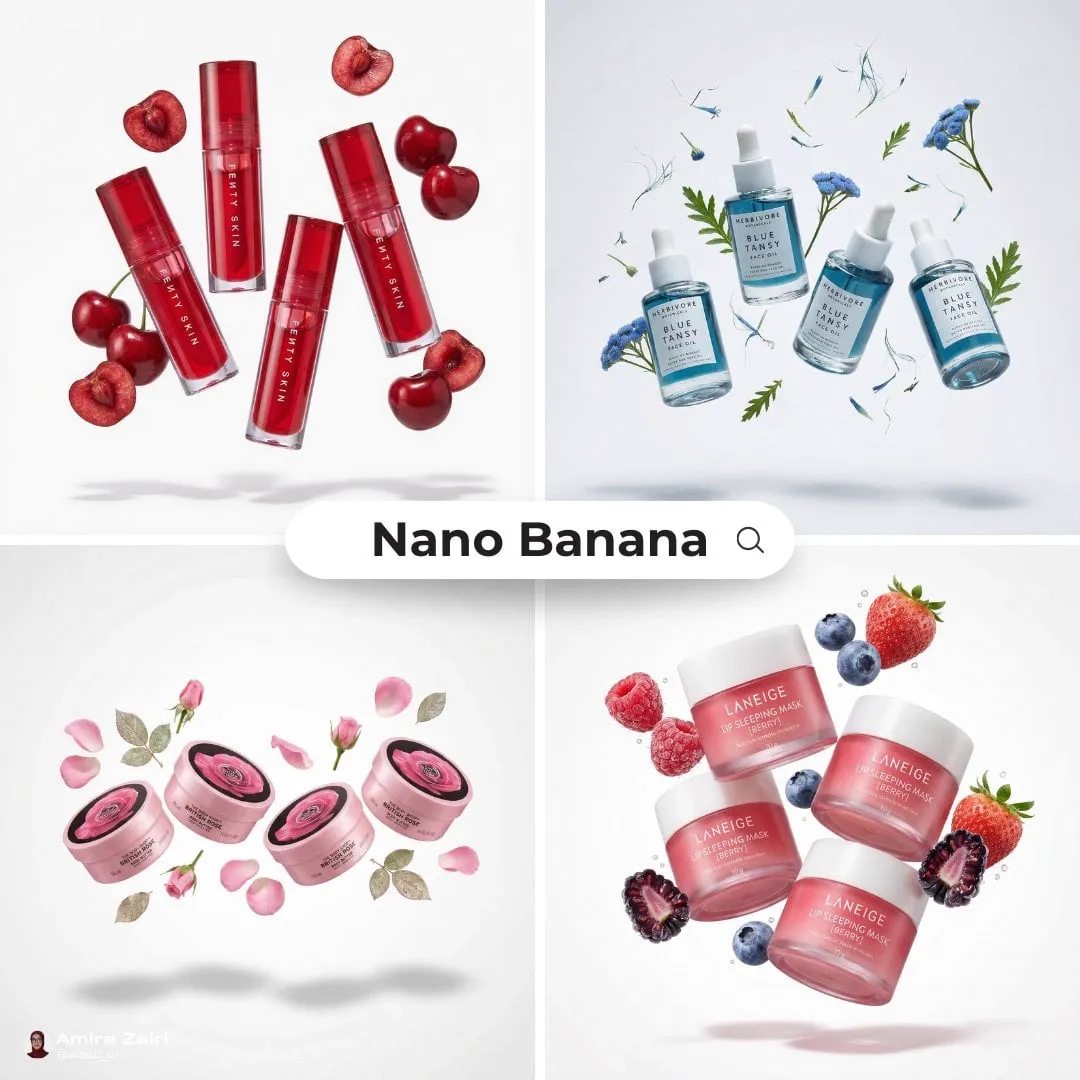
Vague prompts produce generic video. Instead of "a woman using the product", write something like "a smiling woman in a bright modern kitchen uses the product on the counter, soft daylight, clean look, shallow depth of field". Specificity gives the model useful direction and prevents the awkward, random frames that betray a beginner.
Describe the camera and motion
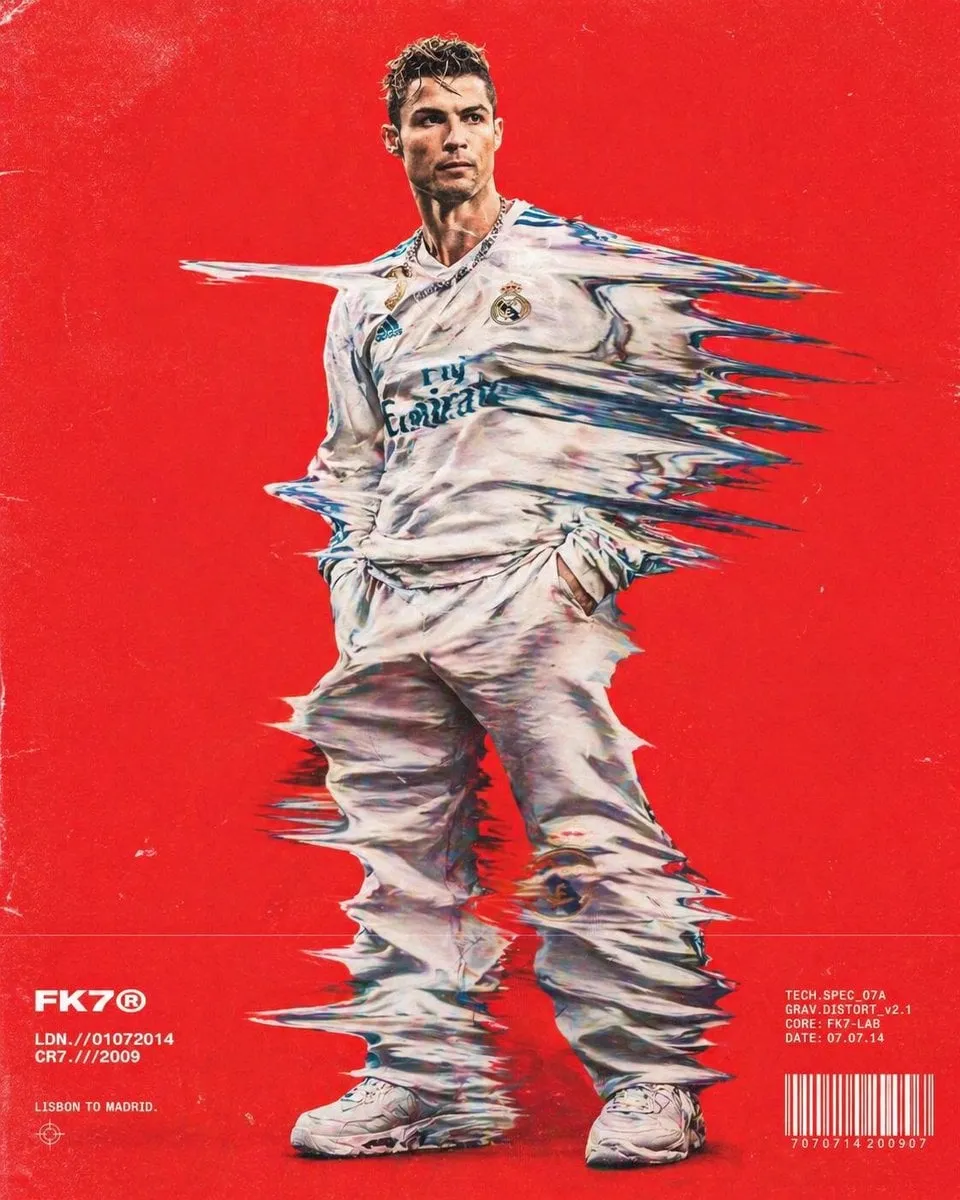
Mentioning the camera behavior helps enormously. Words like close-up, slow pan, top-down shot, or drifting toward the subject give the result a directed feel. Motion, in particular, is where amateur videos stand out for the wrong reasons. If you tell the model how the camera moves, you are already ahead of most first attempts.
Include the mood and lighting
Lighting sets the professional tone. Terms like soft studio lighting, golden hour, neon glow, or a moody low-key look go a long way. Write these into every prompt so your shots feel intentional rather than accidental.
Using free or low-cost tools well
Free tiers usually come with limits: shorter clips, lower resolution, or a delay in processing. Plan for them instead of fighting them. If you only get short clips, split your ad into coverage shots (a close-up of the product, a lifestyle moment, a text-over overlay) and assemble them later, or use image-to-video to animate a strong still you already like.
Editing is simpler than you expect. A basic editor that lets you trim clips, add text, and line them up in order is enough to combine your shots into a coherent ad. You do not need to master motion graphics on day one.
Keeping the ad coherent across shots
Real brands look coherent because every shot shares the same world. When you generate multiple clips, repeat the same style cues in every prompt: the same lighting words, the same color palette, the same setting description. This consistency is what makes several separate clips feel like one professional ad rather than a collage of experiments.
Using a reference image is the most reliable way to stay consistent. Generate one still that defines the look, then feed it back into the model for follow-up shots. This keeps the product, the colors, and the atmosphere aligned across the whole spot.
Managing your time and iterations
Do not expect the first generation to be perfect. Professional-looking results come from iterating: try a prompt, review the result, adjust a word or two, and try again. Budget for several attempts per shot, and accept that some keep, some are discarded. This is normal, even for experienced creators working with the best tools.
Set a time limit. It is easy to spend hours refining a single clip. Decide in advance how many rounds of iteration each shot deserves, and move on when you reach it. Speed and consistency matter more to a growing brand than perfecting a single frame.
Putting it together: a simple step-by-step flow
- Write your one-sentence message and describe the mood you want.
- Break the ad into short shots: an opening hook, a product look, a lifestyle moment, a call to action.
- Write a specific prompt for each shot, including camera, motion, and lighting.
- Generate a consistent still first, then use it as a reference for motion.
- Assemble the clips in an editor, add clear text for the hook and end, and trim.
- Review for coherence, adjust prompts, and redo any weak shots.
- Export in the format your platform needs and publish.
Common mistakes beginners make
Starting without an idea generates random video, not an ad. Reusing one vague prompt for every clip produces disconnected shots. Publishing the first result almost always looks unfinished, since good results need a round of iteration. Ignoring the target audience makes a pretty video that no one acts on. Trying to use every tool at once spreads you too thin. Avoid these five and you will already outperform most beginners.
Writing a creative brief: the five-minute habit
A short creative brief is the fastest way to keep every shot on target. It does not need to be formal; five minutes of writing is enough. Note your audience, the single message, the mood, and the call to action. Then, for each shot, add one line describing what the viewer should feel or understand. When a prompt drifts, compare it against that line and rewrite it. This guardrail is what prevents a collection of nice images from becoming a confusing ad.
Keep the brief and your best prompts beside each other in the same file. When you return to the project days later, or hand it to someone else, the brief makes the intent obvious. It also speeds up future ads, because you will recognize the patterns that led from a brief to a finished spot.
Testing your ad before you commit
Even a quick ad deserves a light check before you finalize it. Share the rough cut with two or three people who match your target audience and ask them two questions: what is the product, and what is the main benefit? If the answers differ or the benefit is unclear, the message is not landing, regardless of how the video looks. Adjust the hook or the call to action and run it again.
Because generated clips are cheap to revise, use that flexibility. Swap a confusing middle shot, tighten the opening, or simplify the end card. You are not bound to a fixed edit the way you would be after an expensive shoot. The ability to iterate is one of the strongest advantages of an AI-driven workflow, so use it to polish the message.
Scaling from one ad to a small campaign
Once the workflow works, you can scale it. A single product ad can become a small campaign by varying the setting, the lifestyle moment, and the call to action while keeping the same message and visual style. Generate a bank of clips, then assemble several variations from the same pool. This lets you test different hooks and end cards against your audience without shooting anything new.
Keep the visuals consistent so the variations read as one campaign rather than isolated videos. Reuse the same reference image and style cues across all of them. Over time, you can treat ad production like a template library: refine the few formats that perform, and adapt them quickly to new products or promotions.
Building a small reusable toolkit
You do not need a large set of expensive tools to keep producing ads. A small toolkit is enough: one reliable video generator, one way to make consistent stills, and a simple editor that lets you trim, order, and add text. Choose tools you can use quickly and lock in your favorite settings, so every project starts with a proven base instead of a blank experiment. Consistency in your tools translates to consistency in your output.
When you find a prompt that works well, save it as a template along with the reference images and style choices. Build a small library of these reusable pieces, one for a product showcase, one for a lifestyle moment, one for a call to action. Over time, creating a new ad becomes a matter of filling in a template with new product details rather than starting from scratch, which is exactly what keeps quality high and production fast.
Staying lean while keeping the look professional
A professional look does not require a heavy setup; it requires discipline. Keep your palette consistent, reuse the same type style for text overlays, and hold a single reference for each product so nothing drifts. When you compare your finished ads side by side, they should feel like they came from one team with one art direction, even if you created them in an afternoon with free tools.
Protect that discipline when scale tempts you to cut corners. It is better to publish four well-made ads than a dozen that break the visual identity. As your process speeds up, keep the small details that give everything a polished finish, and your audience will perceive your brand as far more established than its actual budget suggests. Small, repeated improvements in consistency matter far more than any single ambitious shot.
Frequently asked questions
Can free tools really produce a professional-looking ad? Yes, especially for short, platform-format ads. The results may be lower resolution than a paid tier, but the look and message can be genuinely professional.
How long does the first ad take? Allow a few hours for your first attempt, including learning the tool and revising prompts. After that, familiar workflows get much faster.
Do I need to know video editing to do this? Only a little. Basic trimming, adding text, and ordering clips is enough to combine generated shots into an ad.
Is it legal to use AI-generated ads commercially? It depends on the specific tool's license. Check the terms of whichever tool and tier you use before publishing anything commercial.
What if my ad looks generic? Generic usually means a vague prompt. Add specific details about setting, mood, and camera action, and the result almost always improves.
Final thoughts
Creating a professional ad video no longer requires a production budget, only a clear idea and a skill you can learn in an afternoon. Write specific prompts, describe your camera and lighting, keep every shot in the same visual world, and iterate instead of settling for the first attempt. Start small with one tool, spend real time on the message, and you will produce ad videos that make your brand look far more established than its actual resources. The barrier to entry has never been lower, so the only thing stopping you is starting.
