
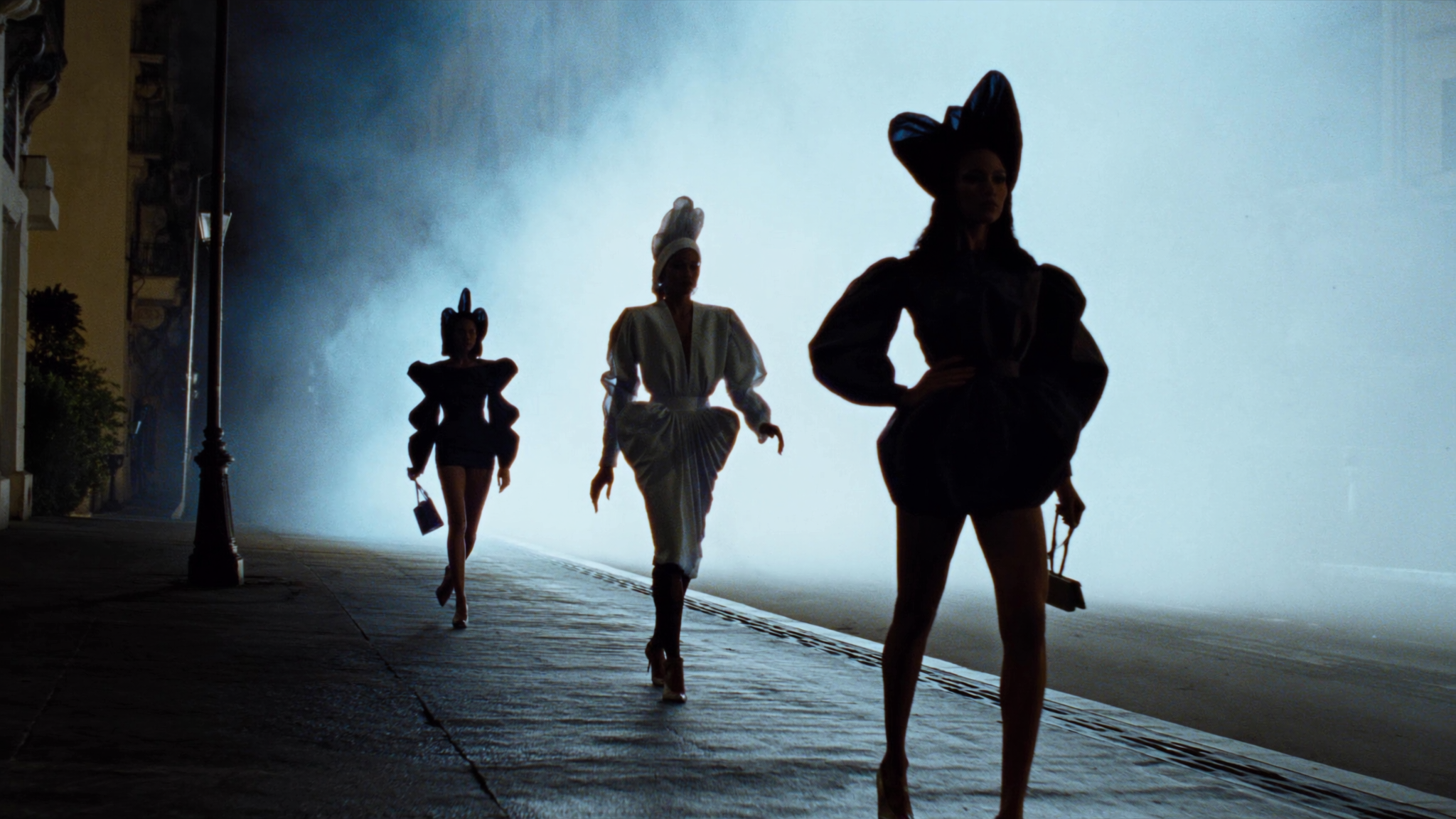
From Idea to Finished Clip: A Complete Guide to AI Video Synthesis
There was a time when producing a video meant hiring a studio, booking actors, renting equipment, and spending weeks in post-production. That pipeline still exists, but it is no longer the only path. AI video synthesis has opened a second route: a creator can go from a written concept to a polished clip in hours, using models that generate footage from text, images, and audio.
The democratization is real, but so is the confusion. With dozens of models, endless prompt techniques, and conflicting advice, the gap between "I generated something" and "I produced something good" is wider than the marketing suggests. This guide covers the full journey: choosing models, keeping consistency, writing effective prompts, integrating audio, and quality control, so you can build a repeatable production process rather than a series of lucky experiments.
The New Production Landscape
Traditional video production is capital-intensive because every element is expensive: locations, crew, equipment, talent, and the time of everyone involved. AI synthesis changes the cost structure. The expensive parts become text, judgment, and iteration. What used to require a team now requires a clear concept, a well-chosen model, and a willingness to refine.
This does not mean traditional production disappears. It means the two worlds coexist. High-stakes brand films still benefit from real cameras and real people. But concept exploration, storyboards, social content, product demos, and educational material can be produced synthetically at a fraction of the cost, and that is where most creators will find the biggest return.
Choosing the Right Generation Model
Model selection is the first decision that shapes everything downstream. The market splits into a few rough categories, and each serves different needs.
- Photorealistic generalists, such as the Sora series from OpenAI, produce cinematic footage with strong physics and natural motion. They are the best starting point for narrative scenes and anything that must look real.
- Director-oriented platforms like Runway give you more control over staging, camera movement, and iteration, which matters when you need repeatable, brand-consistent results.
- Character and motion specialists like Kling AI and MiniMax Hailuo excel at human figures, gestures, and expressive movement.
- Control-focused tools like PixVerse and Luma Ray offer granular parameters for lens, composition, and lighting, ideal for precise art direction.
There is no objective winner. The right model depends on your scene, your style, and your tolerance for iteration. Test two or three candidates on the same prompt and compare the outputs side by side; the differences will be obvious quickly.
Consistency: The Skill That Separates Amateurs From Pros
The defining weakness of early video AI was inconsistency. Characters changed appearance between shots, objects morphed, lighting shifted for no reason. The best modern workflows treat consistency as an explicit engineering problem with three main tools.
Multi-Image Fusion
If your project involves a recurring character or product, provide several reference images and let the system build an identity vector from them. This anchor keeps the subject recognizable across scenes. It is the single highest-leverage technique for any multi-scene project, from a short brand film to a five-episode series.
Keyframe Control
Define the first and last frames of a shot, or a sequence of key poses, and let the model fill in the motion between them. This gives you editorial control over staging without sacrificing generative quality. Keyframing is how you ensure that a shot starts wide and ends on a close-up, or that two separate scenes share matching boundaries for seamless editing.
Style Locking
Choose a palette, lighting scheme, and aesthetic direction at the start, and enforce them through every prompt and reference image. Consistency is not only about characters; it is about the whole visual language of the piece.
Advanced Prompt Engineering
Prompts are the interface between your intent and the model, and they reward structure. A strong prompt for video generation typically contains four parts:
- Subject and action: who or what is in the frame, and what are they doing
- Environment: where the scene takes place, including light and weather
- Camera: framing, movement, lens feel, depth of field
- Mood and style: atmosphere, color, reference to a genre or aesthetic
Write prompts as precise directions, not wishes. "A woman in a red coat walking through rain at night, neon reflections on the street, slow dolly forward, moody cyberpunk atmosphere" gives the model far more to work with than "a rainy city scene." When something fails, diagnose which part of the prompt failed: if the subject is right but the mood is wrong, adjust the mood clause, not the whole prompt.
Integrating Audio: From Silent Footage to Finished Scene
Many synthetic video tools generate footage without synchronized audio, and creators treat sound as an afterthought. That is a mistake. Audio carries half the emotional weight of a scene, and platforms reward complete experiences.
Plan the soundtrack from the start. Decide whether the clip needs dialogue, narration, music, or ambient sound, and generate or source these elements alongside the visuals. When narration is involved, write it before you prompt the visuals, because the script defines the pacing and the beats of the scene. Several platforms now generate synchronized audio, voiceover, and even lip-synced dialogue, which makes full-scene production possible without a recording studio.
The Production Cycle: From Prompt to Polished Clip
A reliable cycle beats improvisation every time. Here is a sequence that works across projects:
- Concept brief: write down the idea, audience, platform, and duration in a few sentences.
- Script and storyboard: if the clip has narration or multiple beats, write the script first and sketch the shots.
- Reference setup: gather or generate the key images that define look and identity.
- First generation: run your best prompt through your chosen model and review honestly.
- Iteration: fix one thing at a time. Change the prompt, swap the model, or adjust references, but never change everything at once.
- Post-production: grade color, add audio, cut the best takes, and export for the target platform.
- Review and archive: log what worked, save the winning prompts, and keep the references for reuse.
The last step is the one most people skip, and it is the one that turns a one-off experiment into a production asset library.
Quality Assurance: Catching the Failure Modes
Synthetic video fails in predictable ways, and a quick review checklist catches most problems before publication:
- Hands, eyes, and faces: the classic tell for generated footage
- Text in frame: signs, labels, and captions often render incorrectly
- Physics: objects should not pass through each other or float unnaturally
- Continuity: does the character look the same across shots?
- Audio sync: do mouth movements match dialogue?
Run every clip through this list before you consider it done. It takes two minutes per clip and prevents the embarrassment of publishing content that viewers immediately recognize as AI slop.
Building a Reusable Workflow
The real value of AI video synthesis emerges when you systematize it. Create a template for your prompts, keep a folder of approved reference images, and maintain a log of which models and settings worked for which scene types. Over time, this becomes a personal production system: the concept goes in, the clip comes out, and the quality is predictable because the process is repeatable.
Start small. Take one recurring need, such as weekly social clips or product explainers, and build a workflow around it. Measure the time from concept to finished video, and refine until the cycle is fast enough to sustain. Then expand to the next use case.
A Tour of Model Families
Understanding the broad families makes model selection much easier. The three families that matter most for video synthesis are text-to-video, image-to-video, and specialized control models.
Text-to-video models generate footage directly from a written prompt. They are the most flexible and the most unpredictable, because the model decides everything about staging and motion. They are ideal for exploration, concept work, and scenes with no real-world reference.
Image-to-video models start from a still image and animate it. This is the workhorse family for production, because the image lets you control composition and identity precisely, and the model only has to solve the motion problem. Most character and product work belongs here.
Specialized control models add explicit handles for the creative process: first and last frames, camera paths, depth maps, or pose sequences. They are less magical but far more reliable when you need a specific result. Many serious workflows use all three families in sequence: explore with text-to-video, lock the look with image-to-video, and refine with control tools.
Diagnosing Common Failures
When output goes wrong, resist the urge to regenerate blindly. Identify the failure class first.
- Morphing subjects: the character or object changes shape mid-shot. Usually a consistency problem, fix it with reference images or stronger keyframes.
- Frozen or repetitive motion: the scene feels like a slideshow. Try a different model or add more motion cues to the prompt.
- Prompt drift: the result does not match your description at all. Simplify the prompt, check for contradictions, and verify the model actually supports the style you requested.
- Artifacts and flicker: texture instability between frames. Lower resolution targets or use a model with stronger temporal smoothing.
- Audio-visual mismatch: dialogue and mouth movement disagree. Check sync settings or use a dedicated audio tool.
Writing down the failure and its fix builds a personal troubleshooting reference, which is the fastest path to consistent quality.
Frequently Asked Questions
How long does it take to produce a synthetic video clip?
A single short clip can take minutes to generate, but a finished piece with iterations, audio, and post-production realistically takes a few hours. Complex multi-scene projects take days.
Do I need a powerful computer?
No. Almost all serious video generation runs in the cloud. You need a decent machine for post-production and a stable connection, nothing more.
Can I generate long videos?
Yes, but quality and consistency become harder with length. The best approach is to generate shorter shots and edit them together, using keyframes and identity anchors to keep the result coherent.
Is AI video good enough for professional use?
For many use cases, yes. Concept art, storyboards, social content, product demos, and internal communication are already production-ready. High-stakes brand films still benefit from traditional production, but even those now use AI for previsualization.
How do I avoid generic-looking results?
Specificity is the antidote. Precise prompts, strong reference images, and a defined visual language produce distinctive work. Also vary your structures: don't let every clip follow the same formula.
What is the minimum viable setup to start?
One good text-to-video platform, one image tool for reference frames, and a simple video editor. You do not need multiple subscriptions on day one. Learn one workflow end to end, then expand.
Can I use synthetic clips in client work?
Yes, with disclosure. Clients care about results and about rights. Make the licensing terms of your tools explicit, and tell clients which parts of the work are AI-generated so expectations are aligned.
How much iteration is normal for a good clip?
Plan for several rounds. The first generation is often 60 to 80 percent of the way there; the gap is closed with prompt refinements, reference adjustments, and post-production. If you are consistently happy with first generations, you are probably under-challenging your prompts.
From Concept to Clip, Systematically
AI video synthesis has collapsed the distance between an idea and a finished clip. The tools are accessible, the quality is high, and the main barrier is no longer budget but method. Choose models deliberately, engineer consistency with references and keyframes, write structured prompts, plan audio, and review every output against a checklist. Do that consistently, and you will have something more valuable than any single impressive video: a production system that turns concepts into clips on demand.
