
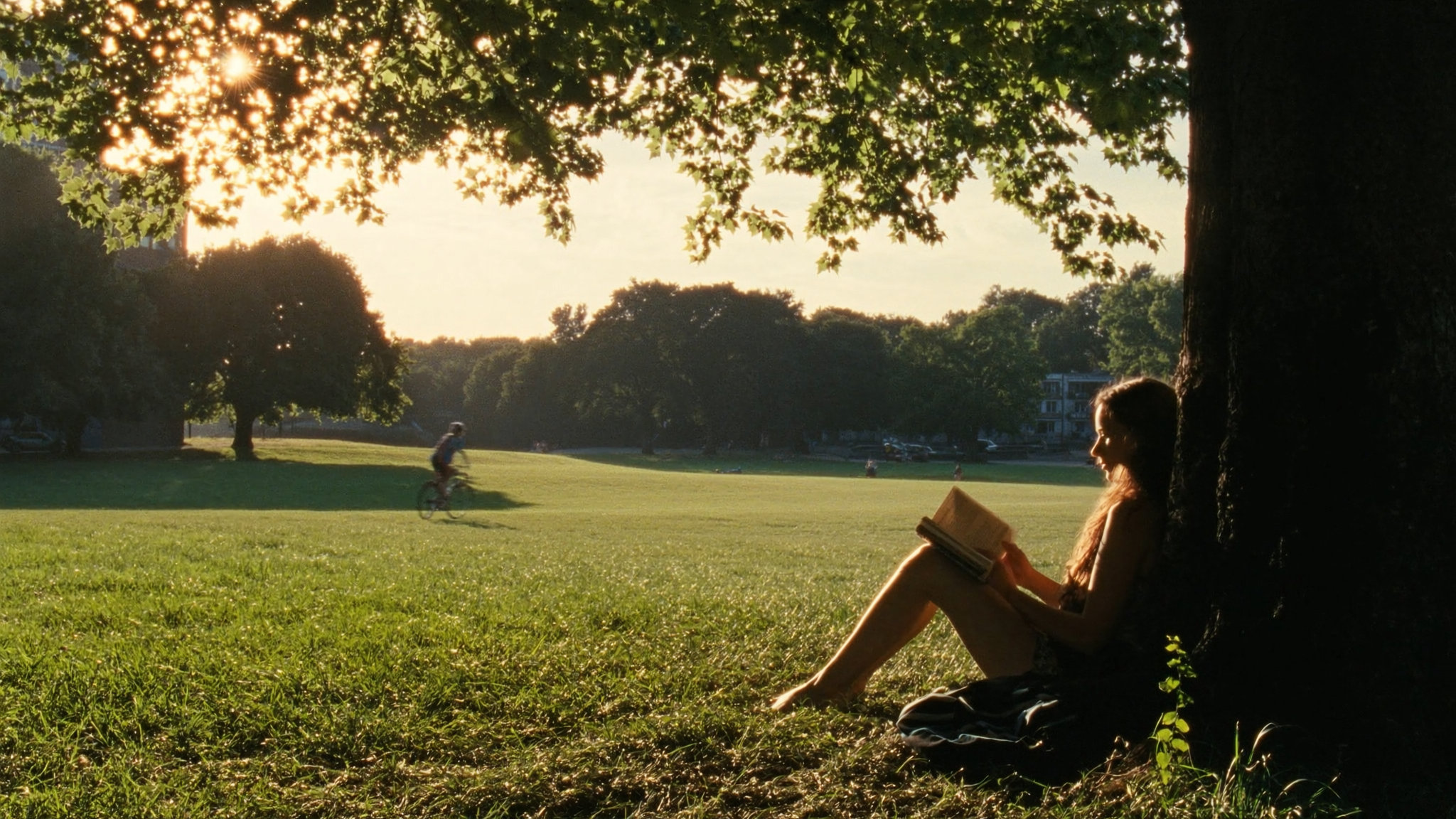
One of the most useful breakthroughs in AI video is the ability to start from a single still image and give it motion. Instead of hoping a text prompt keeps everything coherent, you lock the composition, the character, and the lighting in a frame, then animate from there. This guide walks you through the shift from stills to professional video, the tools that make it possible, and the workflow decisions that separate polished results from generic ones.
Why your starting image matters so much
For a long time, generating video meant describing a scene in text and hoping the model produced something close to your intent. The results were often impressive in isolation but hard to control across a series of clips. The still image changes the equation entirely. A generated image becomes a fixed reference that anchors the whole sequence.
Starting from an image gives you several advantages at once. The composition is decided, so you control framing from the beginning. The character is defined, so the same face persists across shots. The lighting and mood are set, which keeps the whole piece visually consistent. This is the reliable route for anyone who wants professional-level control rather than a roll of the dice.
The tools reshaping image and video creation
The creative world is going through a paradigm shift in which deep technical skill is no longer the only barrier to making films. A wave of new AI image and video tools in the first half of recent years has democratized the process, allowing a creator with a strong idea and a library of models to produce work at a professional standard.
What makes this possible is that different tools now cover the whole journey. Image generators create the still and establish the style. Video models animate those stills with motion, camera movement, and action. And because there is a wide library to choose from, you can match each stage to the best tool rather than being forced to make one model do everything.
Picking the right model for each part of the journey
Not every model is equally strong at every task. The first thing to accept is that you will usually want different models for creating the still than for animating it. Learning which models are strong at realistic faces, which at stylized animation, and which at smooth motion is the fastest way to raise your baseline quality.
Quality leaders for cinematic control
Certain models are widely regarded as the top tier for cinematic quality and advanced control. They excel at detail, lighting, and preserving the look you set in your starting image. When you need a hero shot or a face that must be perfect, this is usually the class to reach for.
Fast and affordable options
For drafts, rough versions, and social media placeholders, lighter models do the job at a fraction of the cost and time. Matching the task to the model is a professional habit: reserve the premium class for what the audience will actually scrutinize, and use the fast class everywhere else.
Asian market models and multi-image control
Some of the strongest tools come from outside the usual flagships. They bring a distinctive stylistic range and, importantly, strong multi-image controls. These models are particularly useful when you want the same character to appear in different environments while keeping identity consistent.
The image-to-video workflow, step by step
Moving from still to moving picture follows a clear sequence, and mastering it makes your work consistent and fast.
1. Lock the still
Generate the starting frame with as much care as you would apply to a finished photograph. Decide the composition, the character's look, the environment, and the lighting before you ever animate. The effort you invest here pays off in every shot that follows.
2. Add references for consistency
Bring in additional reference images of your character from different angles or outfits. Multi-image referencing lets the video model understand who it is animating, which dramatically reduces the drift you see when identity is carried by text alone.
3. Prompt the motion, not the world
This is the key mental shift. Once the still holds the scene, your prompt does not need to rebuild it. Instead, describe what happens: "the camera slowly pushes in while she turns toward the window," or "he stands up and walks out of frame." Focus your words on action and camera, not on re-describing the environment.
4. Iterate on the result
If the clip is close but not right, feed it back as a new reference and refine only the prompt. Each pass sharpens the motion while the visual base stays stable. This kind of tight iteration is what turns a nice clip into a professional sequence.
Keeping character and world consistent across shots
The real test of a filmmaker, human or AI-assisted, is whether everything holds together from shot to shot. Two forms of consistency matter most.
Character consistency
Characters must remain recognizable across a whole film. The reliable technique is to reuse the same character reference images for every shot. When lighting or action changes but the face stays the same, the audience trusts the story instead of noticing the seams. Long sequences in particular depend on this discipline, which is why multi-reference workflows have become so central to serious AI filmmaking.
Visual style consistency
Beyond characters, the whole look should hold: same color palette, same grade, same depth of field, same overall mood. Repeating your style descriptors in every prompt keeps every shot visually related. When both characters and style stay in one world, the finished film reads as intentional rather than assembled.
Realistic costs and the business case
Reducing cost and speeding up innovation are the two reasons businesses adopt these tools, and both are real. The image-to-video route is particularly efficient because it reduces failed renders: because composition and character are locked in a reference, fewer shots miss their mark and need redoing.
That efficiency changes who can produce what. Small studios, marketing teams, and individual creators can now compete in a premium-looking space. The professional polish that used to require a large budget is within reach of a focused solo artist who knows how to control consistency and model choice.
Common pitfalls and how to avoid them
Even experienced creators hit predictable problems. Here are the ones most worth learning to avoid.
- Re-describing the scene in the motion prompt. Once the still holds everything, adding redundant scene detail splits the model's attention and causes drift.
- Skipping character references. Relying on text alone to hold identity is the most common source of faces that change between shots.
- Using one model for everything. Different models cover different parts of the journey, and forcing one to do it all lowers quality.
- Over-rendering the expensive tier. Using premium models for every draft burns budget on work the audience will never scrutinize.
- Neglecting the edit. Generating brilliant individual clips but assembling them with no shot variety produces a flat, monotonous result.
Choosing tools for your own work
There is no single best tool for everyone, and the landscape moves quickly. What works is to build your own shortlist based on criteria that matter to you.
- Decide which styles you create most, and find the models strongest in those.
- Confirm the tools support image references and multi-image control, since these unlock consistency.
- Check how each tool handles speed versus cost, and where your typical projects sit on that trade-off.
- Test with your own material, not just showcase examples, because real world results vary.
Frequently asked questions
Is image-to-video always better than text-to-video
For consistency and control, usually yes for multi-shot work. Text-to-video is faster for exploration, but image-to-video anchors what you create, making series and films far more reliable.
How important is the starting image really
Enormously. It locks composition, character, and mood, which are exactly the elements that tend to drift in video generation. The better the still, the better everything that follows.
Can I use several models in one project
Yes, and you often should. Generate the still with one tool and animate it with another that handles motion better, as long as style stays coherent.
How do I avoid characters changing appearance
Feed consistent character reference images into every shot. Multiple references from different angles make identity even more stable.
Do I need to learn editing too
Some editing skill helps a lot, because films are assembled from shots. Assembling generates clips into sequence with varied framing is what turns clips into a story.
Working with a budget and avoiding wasted renders
Moving from stills to video can quietly consume budget if you are not careful. The good news is that starting from images already reduces waste, because composition and character are settled before you spend a single render on motion. A few habits protect your budget further.
Prototype on the light tier. Before committing a premium render to a shot, generate a rough version on a fast, cheap model to confirm the action and framing. Rework the idea cheaply, then render the final version at high quality only once. This staged approach keeps the expensive tier reserved for what actually ends up in the cut.
Set a revision limit. Endlessly iterating on one clip is the fastest way to inflate spend and stall a project. Decide in advance how many passes a shot gets; if it still fails, change the approach, fix the reference, or simplify the motion rather than rendering again. A clear stopping rule keeps you moving and protects your balance.
Organizing your asset library
Style of images, work-in-progress renders, and finished clips accumulate quickly. Set up a simple folder structure early, grouped by project, with a place for references and a place for outputs. Clear names prevent you from regenerating a shot you already had and make collaboration far easier. A little discipline here saves time and money on every project.
Reviewing your work like a director
The final discipline is honest self-review. Professional AI video, like any film, improves when you look at it critically rather than defensively. Watch your assembled sequence once to enjoy it, then watch again as an editor: is the pacing right, does every shot earn its place, does the character stay consistent, does the sound carry the moment?
Cut ruthlessly. A beautiful shot that does not serve the story weakens the piece. The audience should feel the momentum of the narrative, not the pride of hard-won renders. When you adopt this director's eye, you will notice a leap in quality that no individual generation could have given you, because the craft is in the assembly as much as in the shots themselves.
Planning a sequence before you begin
Before you generate the very first still, spend a few minutes planning the sequence as a whole. Decide the arc of the piece, note the key beats, and list the shots you imagine covering each beat. This short outline prevents you from discovering halfway through that you have no way to get from one moment to the next, and it tells you exactly how many stills you will need.
For longer work, sketch a simple storyboard, even in crude form. Mark which shots share the same character reference and which introduce new locations. You will consistently find that a little sequencing up front saves far more time than it costs, because every shot you plan in advance is one that will not need to be recreated later.
Start with one still
None of this is out of reach. Choose a single image you already like, pick a model that can animate it, and describe one simple motion. You will quickly discover how different control feels when the composition is already settled. From there, add references, build consistency, and assemble your first shots into a sequence. The distance from a still image to a professional-looking film has never been shorter, and there is no better moment than now to test it.
