
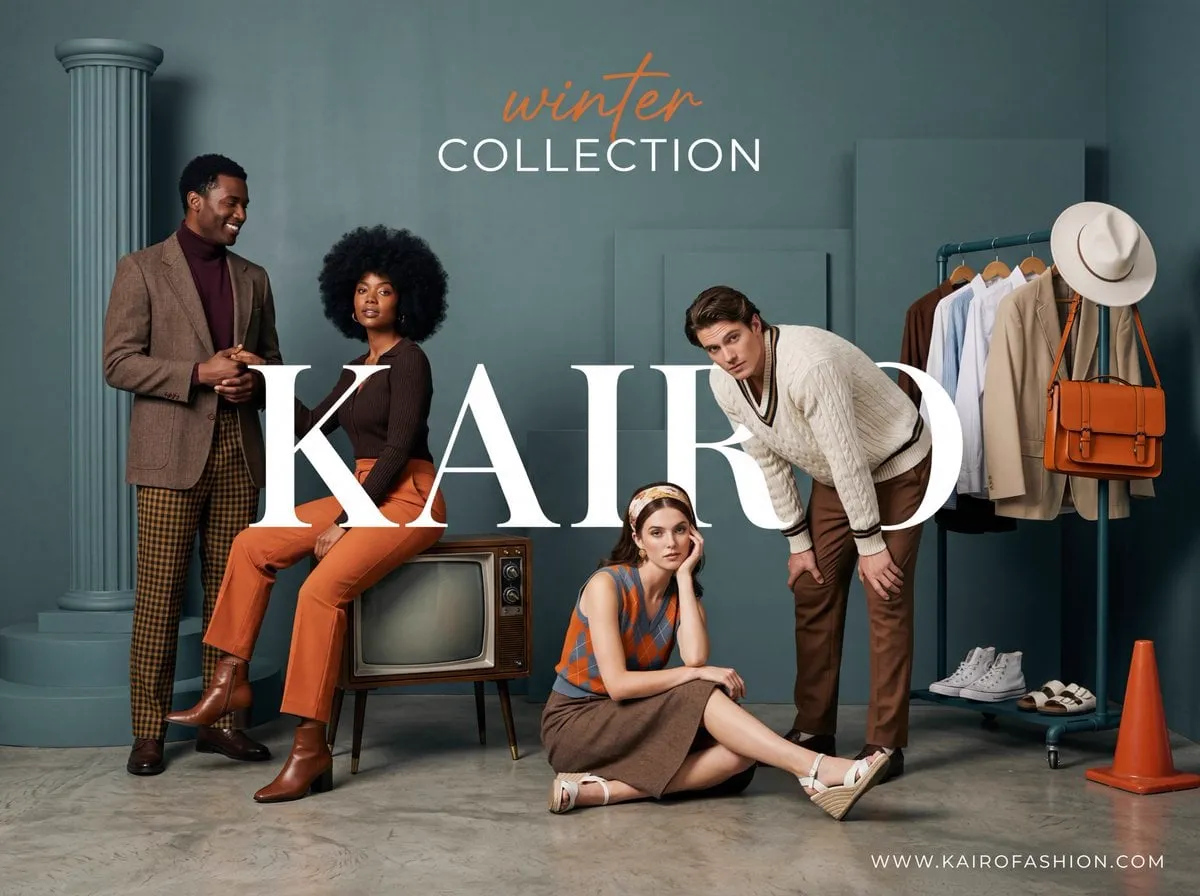
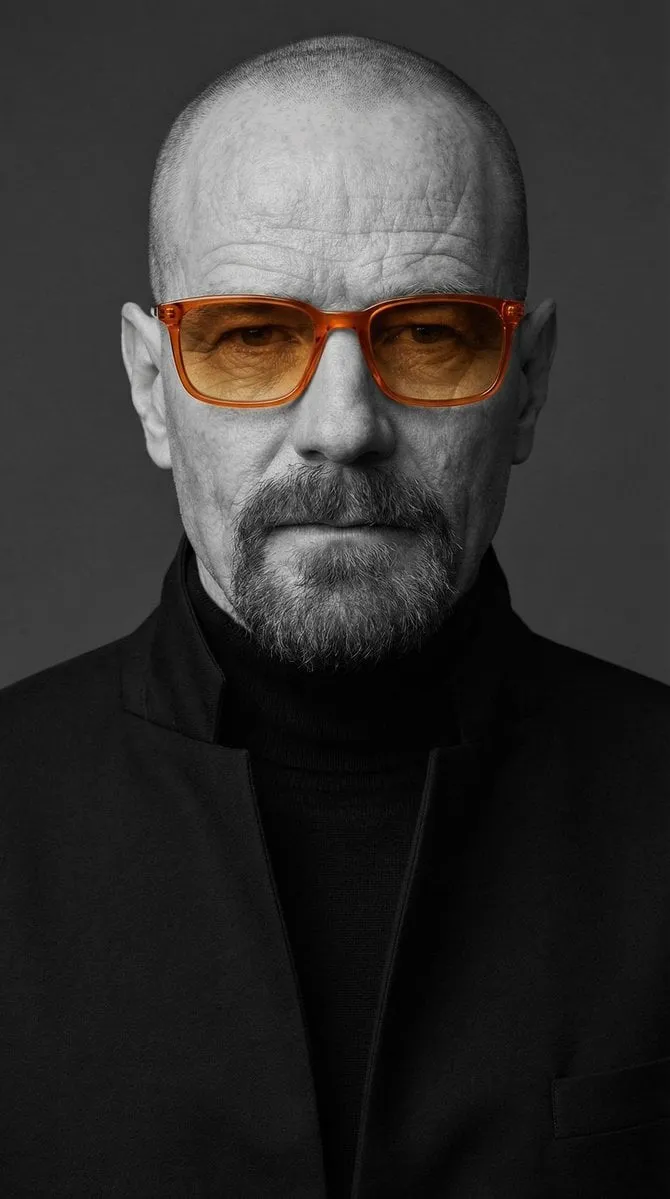
The shift from creating content by hand to creating it with generative AI is one of the biggest changes in digital media since the internet itself. At the center of this shift is a simple idea: you describe what you want in words, and the machine builds the image or the video for you. Text to image and text to video generation have moved from research labs to everyday creative tools, and they are changing who gets to call themselves a creator.
This guide explains how these tools work, how to evaluate the models behind them, how to build a practical workflow, and how to use them for real projects like marketing campaigns. If you are curious about unlocking your creative potential with AI, start here.
What Text to Image and Text to Video Actually Do
Text to image tools turn a written description into a still picture. Text to video tools go further: they generate a sequence of frames that moves, sometimes with audio, following the logic of your description.
The underlying technology has improved dramatically. Flagship models such as Runway Gen-4 and OpenAI's Sora series can generate realistic scenes, coherent motion, and even narrative sequences. Image models like Flux and Stable Diffusion offer fine control over style and detail. Each generation of models understands language better, follows instructions more precisely, and produces more consistent results.
The practical result is that a small team, or even a single person, can now produce visual assets that used to require a full studio. That is the creative unlock: the bottleneck moves from budget and equipment to imagination and direction.
Why This Matters in 2025
Content creation has become the primary way brands reach audiences. Every business needs images, videos, and campaign assets, and the demand keeps growing faster than production capacity. Generative AI closes that gap.
For individual creators, the stakes are even higher. The ability to turn an idea into a visual in minutes means more experiments, faster learning, and a wider portfolio. For marketers, it means campaigns that can be produced, tested, and iterated in days instead of weeks. For educators and nonprofits, it means professional-looking materials without professional budgets.
The tools are not perfect, and they require skill to use well. But the direction is clear: generative visual AI is becoming a standard part of the creative toolkit.
Evaluating Models in 2025
Not all models are equal, and choosing the right one depends on what you need. When evaluating a model, look at three axes.
Consistency: does the model keep the same character, object, and style across frames or across separate generations? This is the most important quality for any project with multiple scenes.
Prompt adherence: does the model follow your instructions precisely, or does it drift toward its own interpretation? Good adherence saves hours of rework.
Control: can you steer details like camera angle, lighting, composition, and motion? Control separates toy tools from production tools.
Flagship models generally score high on all three, while cheaper or faster models may trade control for speed. For serious projects, prefer quality over speed; for brainstorming, speed is fine.
Multi-Modal Integration
Modern video is rarely just pictures. It combines still images, audio, text overlays, and motion into one experience. The best workflows integrate multiple modalities:
Generate stills for key frames and storyboards, then animate them into video.
Add voiceover or background music that matches the mood of the scene.
Overlay text captions for accessibility and for platforms where viewers watch without sound.
Use image references to keep visual identity stable while the scene changes.
The creators who succeed treat generation as one step in a broader production pipeline, not the whole pipeline. Integration is where the magic happens.
The Role of an AI Director Agent
A newer trend in generative video is the AI director agent: an assistant that applies cinematic principles to your project automatically. It can suggest scene composition, camera movement, and narrative structure based on your goal.
For beginners, this is a shortcut to better results. Instead of guessing what makes a shot cinematic, you receive concrete suggestions you can accept or adjust. For professionals, it is a productivity boost that handles routine decisions.
The important caveat: an AI director is a tool, not a replacement for judgment. You still define the message, the audience, and the tone. The agent helps with the how, not the why.
Building a Practical Workflow
A reliable workflow keeps generative projects under control. Here is one that works:
Define the outcome. Write one sentence describing the final asset and who it is for.
Write a brief. Describe the subject, style, mood, and any constraints. Share it with the tools as your anchor.
Generate in stages. Create stills and storyboards first, approve the look, then generate the video.
Keep references. Save the images and prompts that worked. They become your visual kit for future projects.
Review against the brief. Check consistency, accuracy, and brand fit before finalizing.
Iterate deliberately. Change one variable at a time, whether it is the prompt, the model, or the reference image.
This workflow turns a chaotic creative process into something repeatable. Repeatability is what allows you to scale.
Maintaining Visual Consistency
Consistency is the difference between a collection of clips and a professional production. If a character changes appearance between scenes, the audience loses trust. The same applies to products, logos, and environments.
The techniques are straightforward. Use reference images consistently across all generations. Prefer multi-image fusion when you need to keep identity while changing context. Build a visual kit for recurring characters and environments, and reuse it across a series or campaign.
For long projects, keep a style sheet: the character's look, the color palette, the lighting rules, and the camera language. This documentation makes consistency a repeatable process rather than luck.
Real-World Applications: Marketing Campaigns
Marketing is where generative AI is delivering the most visible results. Consider a typical product launch:
Concept exploration: generate dozens of visual directions in a day, without hiring an agency.
Campaign assets: produce hero images, social posts, and short videos from a single creative brief.
Personalization: adapt the same asset to different markets by changing text, accents, or context.
A/B testing: create several versions quickly and test which one performs, then double down.
Fast iteration: update campaign creative in hours when the market responds unexpectedly.
Small businesses benefit the most because they gain capabilities that were previously reserved for large budgets. A local brand can now launch a campaign that looks professional, test it, and improve it within a single week.
Choosing the Right Platform
Platform choice depends on your goals. Evaluate tools on model quality, ease of use, workflow features, and cost. Start with one platform and learn it deeply before expanding.
For image-heavy work, choose a platform with strong style control and reference features. For video, prioritize consistency and motion quality. For integrated production, look for platforms that combine image, video, audio, and editing in one place, since switching between tools burns time and breaks context.
Many platforms offer free tiers. Use them to test the workflow before committing. The goal is not to find the perfect tool; it is to find a tool you can use consistently.
Monetization and Community Markets
Generative AI also creates new income streams. Creators can sell style packs, prompt libraries, and trained models. Some platforms host community markets where these assets are bought and sold, turning a distinctive style into a tradable product.
If you develop a recognizable visual identity, treat it as an asset. Document it, package it, and consider how it could serve others. A style that clients recognize and request is a business moat.
The same caution applies here as elsewhere: respect the rights of people whose images you use, and check the license terms of the tools and models you build on.
A Step-by-Step Example: Launching a Product Campaign
Let us walk through a concrete campaign to show the workflow in action. Imagine you are launching a reusable water bottle for outdoor enthusiasts.
Brief: we need a 15-second social video and a set of stills showing the bottle in mountain settings, with a rugged, natural feel.
Stage 1, stills: generate ten stills of the bottle in different mountain scenes using a photorealistic image model. Keep the same prompt template for the bottle description so it looks identical in every shot.
Stage 2, selection: pick three stills that match the brand: one hero image, one lifestyle shot, one detail shot.
Stage 3, video: animate the hero still into a short clip, a slow push-in over the bottle with mist in the background. Use the still as a reference image to preserve the look.
Stage 4, assembly: add a text overlay with the campaign line, background music, and a final frame with the logo. Export in 9:16 for social and 16:9 for web.
Stage 5, variation: generate two alternative versions with different moods, one bright and energetic, one calm and natural, then test both.
This example is small enough to finish in a day, and it shows the full loop: brief, stills, selection, animation, assembly, variation.
A Practical Checklist Before You Publish
Before shipping any generative project, run this checklist:
Does the asset match the original brief? If not, return to the brief, not to the tool.
Is the visual identity consistent? Check characters, colors, and style across every frame.
Is the text accurate? Verify any factual claims, numbers, or labels.
Is the audio intentional? Music and voiceover should match the mood.
Are rights clear? Confirm the tool license, and confirm no real person's likeness is used without permission.
Is the file optimized? Export at the right aspect ratio and resolution for the destination platform.
Is the AI origin handled transparently? Where required, label AI-generated content honestly.
This checklist takes two minutes and prevents most embarrassing failures. Make it a habit, and your average quality rises immediately.
The Minimum Viable Creative Loop
If you remember only one framework, remember this: brief, generate, select, refine, ship. Five steps, repeated every time. The brief keeps you honest, generation gives you options, selection applies taste, refinement fixes errors, and shipping closes the loop with real feedback. Everything else in this guide is detail around that loop. Start small, run the loop often, and let the results teach you. That is the fastest path from curiosity to confident creation.
FAQ
Do I need artistic skills to use these tools?
Not to start. The tools handle execution; you provide the idea and the direction. Artistic sense develops as you practice selection and refinement.
How accurate are generated images and videos?
Accuracy depends on the model and the prompt. For factual content, always verify. Generative models can invent details with total confidence.
Can I use these tools commercially?
Usually yes, but read the license terms of each tool. Some restrict commercial use, and some require labeling AI-generated content.
What is the fastest way to get good results?
Use a consistent workflow, keep a visual kit, and iterate one variable at a time. Speed comes from discipline, not from luck.
Will AI replace human creators?
It replaces parts of production, not the creative judgment behind it. The value shifts to direction, taste, and storytelling, which remain human skills.
How do I avoid the generic AI look?
Develop a distinctive style through consistent prompts, references, and edits. The generic look comes from generic inputs and no post-production.
Final Thoughts
Text to image and text to video tools have removed the production barrier that kept most people from making professional visual content. What remains is the creative work: deciding what to say, who it is for, and how it should feel. Those decisions are yours, and they are exactly what make content valuable.
Start with one small project. Write a brief, generate a few directions, refine the one you like, and publish it. The tools are waiting, and the skills you build now will compound as the technology improves. Unlocking creativity with AI is less about the machine and more about giving yourself permission to try.
