

Video editing is quietly turning into video directing. For decades, the editor's job began after the footage existed: cut what was shot, fix what was broken, make it flow. AI is dissolving that boundary. Now the same tools can decide what a shot should be, generate it, and assemble it — and the person at the center of the process is no longer just an editor. They are a director who works in prompts. This guide is about the craft that matters in this new world: shot design. You will learn how to think about shots like a cinematographer, and how to make AI director agents and generation models execute your intentions.
The new paradigm: from editing to directing
The shift is easy to miss because the interface looks familiar. You still have a timeline, clips, and cuts. But the clips no longer arrive from a camera; they are summoned from a prompt. That changes the creative loop. In traditional editing, you select from what exists. In AI-driven editing, you define what should exist and then refine it.
The consequence is that composition skills — the visual grammar that used to belong to directors of photography — have moved to the front of the workflow. The quality of your output is decided before you ever touch a timeline, in the shots you design and the prompts you write. Editors who learn shot design will thrive; editors who only know cutting will find the floor of the profession rising beneath them.
Shot composition principles applied by AI
The rule of thirds and the golden ratio
Composition is how the frame organizes visual weight. The rule of thirds divides the frame into a three-by-three grid and places subjects on the intersections; it is the fastest way to make a frame feel intentional. The golden ratio is a subtler version of the same instinct, distributing visual weight according to proportions that the eye finds pleasing.
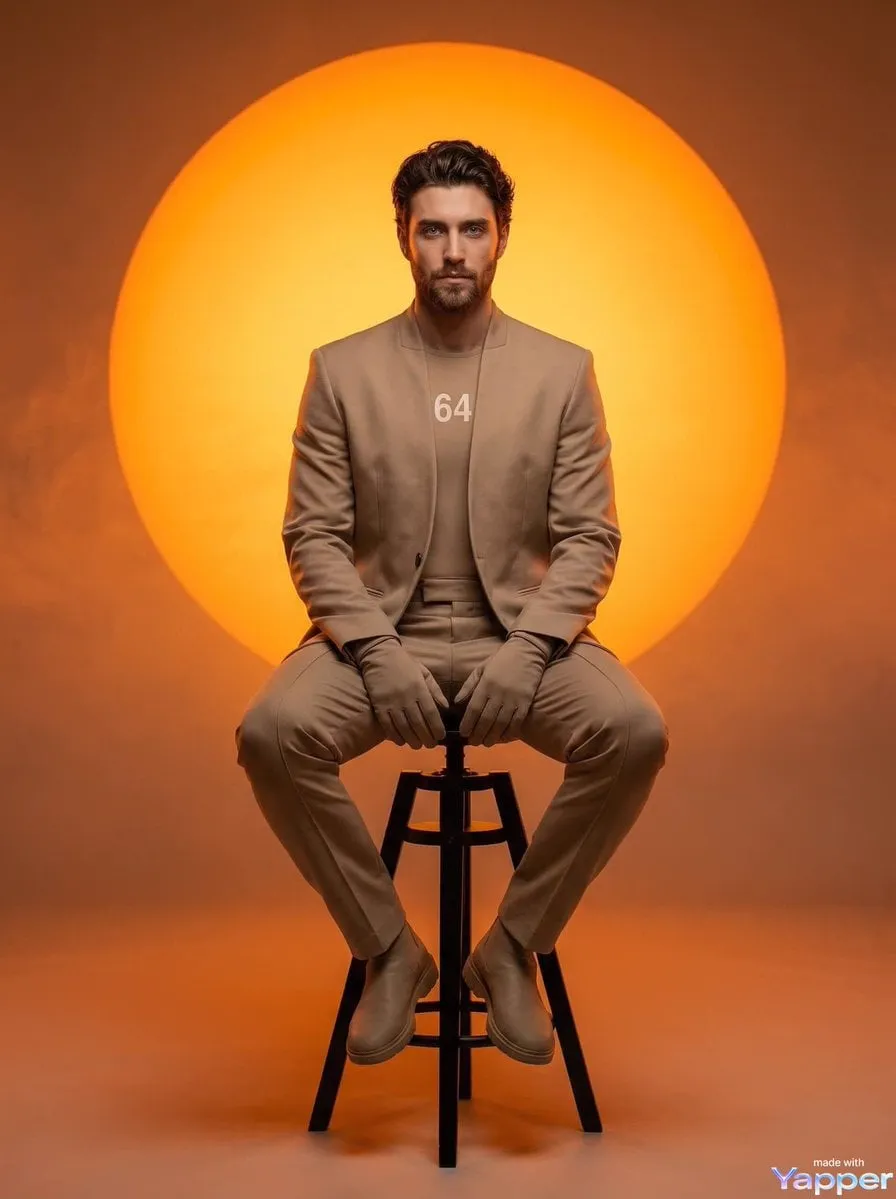
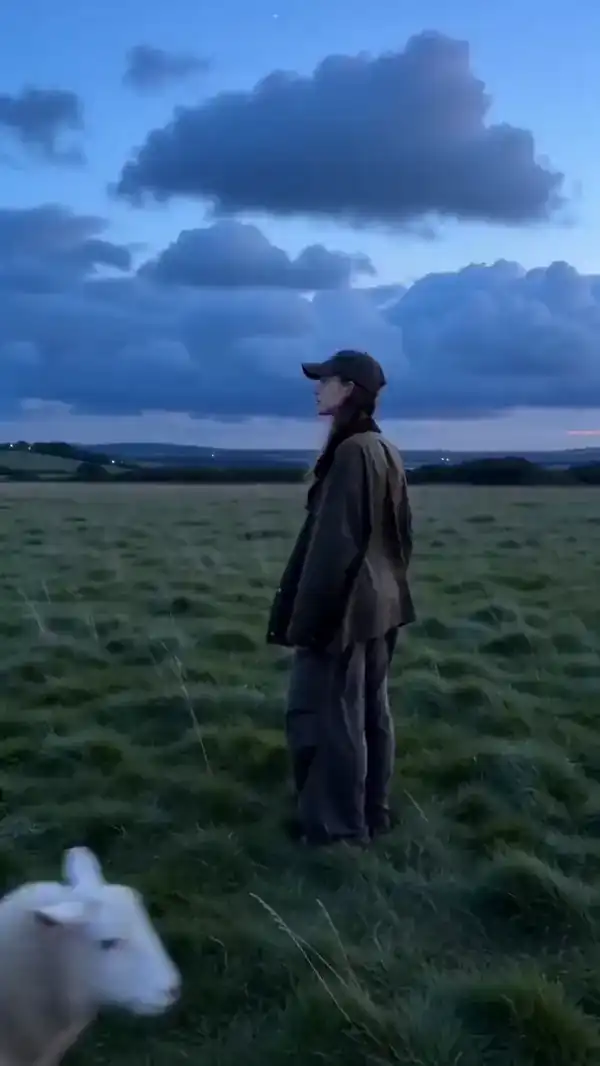
AI models have absorbed these conventions, and they respond to the vocabulary. If a prompt says "subject on the left third, negative space on the right," the model will produce that composition. The craft is knowing which composition serves the scene. Centered subjects feel powerful and formal; off-center subjects feel dynamic and natural. Choose with intention.
Leading lines and framing
Leading lines are elements in the frame that pull the eye toward the subject: a road, a railing, a row of lights, a gaze. They are the cheapest way to create depth and focus. Framing is the use of foreground elements to enclose the subject — a doorway, an arch, a shoulder — which adds depth and a sense of looking in on the scene.
In AI prompts, these are directly expressible: "a corridor of trees leading to the subject" or "framed through a doorway, foreground bokeh." The model renders the geometry, but you choose the geometry's meaning.
Camera control: angle, depth, movement
The director's toolkit of camera decisions maps one-to-one onto AI generation parameters. Angle sets the emotional relationship: low angle for power, high angle for vulnerability, eye level for trust. Shot size sets the information density: wide for context, medium for action, close-up for emotion.
Depth of field sets the focus of attention: shallow for isolation and premium feel, deep for context and scale. Movement sets the energy: a slow push-in builds intimacy, a tracking shot creates momentum, a static tripod feel signals calm authority.
The practical rule for AI work is to name every one of these in the prompt. "Low-angle medium shot of the protagonist, shallow depth of field, slow push-in, warm light" is a complete instruction. Each parameter is a creative decision, and each decision should serve the story beat.
Character consistency with multi-image fusion
The hardest problem in AI video is continuity: the same character must look the same in every shot. The technology that solves it is reference-based generation, often called multi-image fusion. You provide one or more images that define the character — face, wardrobe, environment — and the model anchors its generations to those references.
The workflow is simple but requires discipline. Build a reference package before generating: a character sheet with the face from several angles, a wardrobe image, an environment shot. Use the same references in every prompt for the project. When a shot drifts, regenerate with the reference reinforced, not by describing the character again in words.
This is where shot design and technology meet. A director who plans consistency from the start gets coherent footage; one who fixes it in post pays for it in every shot.
Keyframes and style consistency
Keyframing is the director's insurance policy. Instead of letting the model decide everything between two moments, you define the important frames yourself and let the model animate between them. This gives you control over the story's turning points: the exact expression at the emotional peak, the exact composition at the reveal.
Style consistency works the same way. Generate or select one style frame — lighting, color palette, texture — and use it as a reference for the whole project. The result is a video that feels shot by one cinematographer, not a patchwork of generations.
Prompt engineering for shots
Shot design and prompt engineering are the same skill with different names. A strong shot prompt has a structure: subject, action, setting, camera, lighting, mood. Within that structure, the camera block deserves the most care, because it is where most beginners leave quality on the table.
Write the camera block like a cinematographer's note: shot size first, then angle, then movement, then lens feel. "Close-up, low angle, slow dolly-in, wide lens, shallow depth of field." Test one variable at a time when something fails; changing everything at once teaches you nothing.
Choosing models for the shot
No single model is the best camera. Modern generation models have distinct personalities, and shot design includes choosing the right one for each shot. One model may render environments with exceptional realism, another may excel at faces, another at motion. An AI director agent can route each shot to the model that fits it best — and even if you are working without an agent, the same logic applies manually.
The decision criteria are the same as for any tool: what does the shot demand, and which model delivers that reliably? A hero shot of the product deserves the premium model; a background insert can use a faster, cheaper one. Match the tool to the shot's importance.
A practical shot design workflow
Here is the workflow that puts all of this together.
Step one, break down the script: list every scene and the story beat it serves. Step two, design the shots: for each beat, decide the composition, camera, and lighting, and write the shot list. Step three, build references: character sheets, environment shots, style frames. Step four, generate: prompt each shot with the full camera block and the references, iterating on weak results. Step five, assemble and refine: edit for pacing, normalize color, add sound, and deliver.
The checkpoint that separates professionals from beginners is step two. If the shot list is specific, the generation and editing phases become execution. If it is vague, every later phase becomes improvisation, and the video will look like it.
Lighting design in prompts
Lighting is half of shot design, and it is the half that beginners most often skip. A shot with good composition and flat light looks unfinished; the same shot with deliberate light looks expensive.
The vocabulary is small and powerful. Key light defines the subject; fill light softens the shadows; rim light separates the subject from the background; practicals — lamps, screens, windows — add motivation and atmosphere. In a prompt, specify the direction, the quality, and the temperature: "hard sunlight from the right" is a different scene from "soft overcast light from above," and both are different from "neon practicals, magenta and cyan."
Mood follows light. High-key, bright, even lighting reads as clean and optimistic — standard for product and corporate work. Low-key, contrasty lighting reads as dramatic and mysterious — standard for suspense and premium brands. Decide the mood first, then translate it into lighting language, and the model will cooperate.
From shot to finished film: assembly, color, sound
Shot design ends where the film begins. The final stage is where generated shots become a video, and it demands the traditional crafts.
Assembly is about rhythm: cut the shots against the music or the voiceover, vary the shot lengths, and hold the moments that matter. Color unifies the shots into one world: a consistent grade hides the differences between models and generations. Sound completes the illusion: dialogue or narration, music, and effects build the emotional frame that the images alone cannot carry.
For AI-driven work, two extra steps matter. First, check continuity during assembly — regenerate any shot where a character, prop, or light drifts from the references. Second, deliver with captions and safe margins for social platforms. The craft is the same as traditional post-production, but the raw material is cheaper to replace, which makes iteration a normal part of the process rather than a last resort.
FAQ
Do I need to learn traditional cinematography first?
It helps, but you can learn the principles through practice. Start with the core vocabulary — shot size, angle, movement, depth of field — and apply it in prompts. The feedback loop is fast, which makes it an excellent way to learn.
What is the difference between an AI director agent and a video model?
A video model generates footage from a prompt. An AI director agent plans the shots, applies film grammar, manages consistency, and may route work to different models. The agent is the layer that thinks in scenes; the model is the layer that renders pixels.
How do I keep a character consistent across dozens of shots?
Build a reference package and use it everywhere. One character sheet, one wardrobe image, one environment reference, repeated in every prompt. Add keyframes for the most important moments. Consistency is a planning problem, not a luck problem.
Which composition rule should a beginner use first?
The rule of thirds. It is simple, it improves nearly every frame, and it is the convention AI models understand best. Once it becomes automatic, add leading lines and framing.
Can AI shot design work for live-action footage?
Yes. The shot list, composition language, and consistency planning apply to any footage. AI models can also match live-action plates with generated inserts, which is how many commercial projects now blend the two.
How do I learn to see good composition?
Study frames the way musicians study chords. Pause films and ads, and ask three questions about every shot: where is the subject in the frame, what is the camera doing, and how does the light make me feel? Ten minutes of this per day sharpens the eye faster than any course, and the vocabulary transfers directly into prompts.
What should I do when a shot keeps failing?
Diagnose before regenerating. Identify whether the problem is composition, camera, lighting, or subject, and change only that variable. If the shot still fails, change the model — some shots need a different tool, and forcing the wrong model wastes hours.
How much should I rely on the AI director agent?
As much as you trust its output, and no more. Use it for coverage, speed, and consistency; keep the final call on every creative decision. The best relationship is collaborative: let the agent propose, then direct with your own taste.
Is shot design worth learning if I only edit for clients?
It is becoming a required skill. Clients increasingly ask for AI-assisted work, and the editors who can plan and generate shots, not just cut them, command higher rates. Shot design is the differentiator between an editor and a director-editor.
Conclusion
The future of video editing belongs to people who can design shots. The tools have made the mechanics cheap and fast; the differentiator is intent. Learn the camera language, plan consistency before you generate, and treat every prompt as a directorial decision. The workflow — breakdown, shot design, references, generation, refinement — turns a chaotic pile of possibilities into a video that looks like someone made it on purpose. That purpose is the whole craft, and it is now within reach of anyone willing to learn it.
