
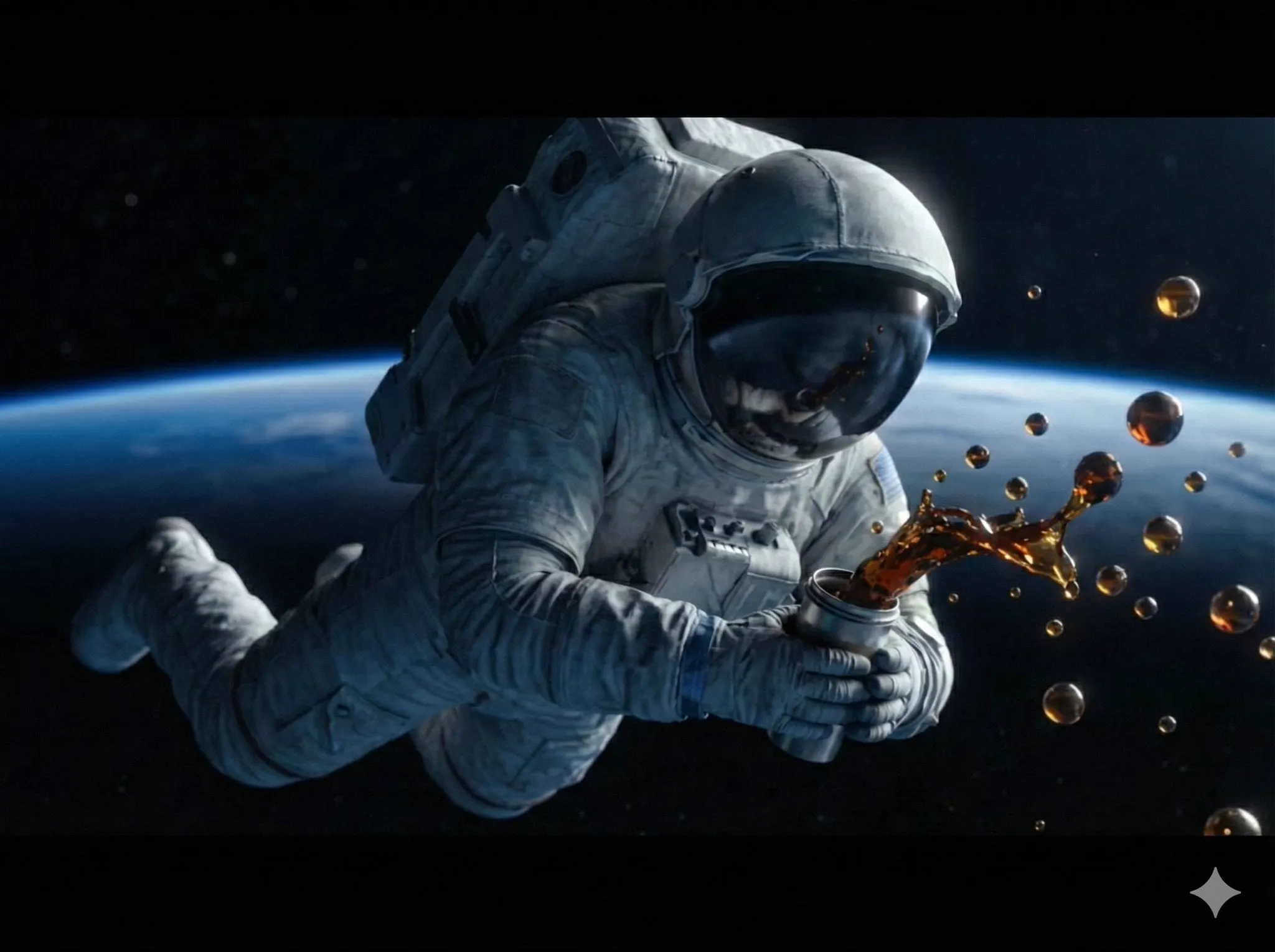
The Shift: From Tool-Powered Content to Story-Driven Production
For the past few years, the conversation about AI content has been dominated by tools. Which model renders faster, which prompt produces the most photorealistic frame, which platform has the best price per clip. That conversation is now aging. The tools have matured to the point where raw generation quality is no longer the bottleneck. What separates content that works from content that disappears is no longer the model, it is the story.
This is a genuine turning point. When every creator has access to the same generation models, the advantage shifts to whoever can direct those models toward a narrative purpose. The future of content production is not about generating more; it is about generating with intention. The synthesis of artificial intelligence and cinematic storytelling is the defining trend of this phase, and it changes the economics of creativity at every level.
What Machine Intelligence Actually Contributes to Narrative
It is tempting to think of AI as a replacement for human storytellers. That framing is wrong and leads to weak content. The realistic picture is more useful: machine intelligence handles the labor-intensive parts of storytelling while humans handle the intentional parts.
The labor includes everything that used to consume days of work: visualizing scenes from text, generating consistent characters, exploring camera angles, testing lighting moods, and producing variations of a shot until one matches the intended emotion. These tasks are mechanical in nature but were previously expensive because they required skilled human labor. Now they are cheap and fast, which means the cost of exploration has collapsed.
The intentional part remains stubbornly human. Someone must decide what the story is, what emotion each scene carries, and what the audience should feel at the end. These decisions cannot be delegated to a generator, because they are not technical decisions; they are judgments about meaning. The creators who thrive in this era are not the ones who prompt the best. They are the ones who combine machine speed with human judgment.
The Changing Economics of Creativity
The collapse of production cost changes more than workflows; it changes the business of content. When a video costs a fraction of what it used to, the economic model shifts from scarcity to experimentation.
Previously, production budgets forced teams to commit to a small number of high-stakes pieces. A campaign was shot once, edited once, and published once, because redoing it was too expensive. Now the same budget can fund dozens of variations, and the winning approach is to test, measure, and iterate.
This has three practical consequences for creators and businesses:
- Volume becomes a strategy. More variations mean more chances to find what resonates.
- Data becomes the director's partner. Performance feedback on early variations informs the next round of production.
- Speed becomes a moat. Teams that can go from idea to published content in hours can outpace teams that still take weeks.
The risk is that volume produces noise. The countermeasure is the story-driven approach: every variation should test a narrative hypothesis, not just a visual style. Testing ten different hooks for the same story is experimentation. Testing ten random scenes is waste.
The Technical Layer That Makes It Possible
Underneath the creative shift sits an infrastructure story that is rarely told. Reliable production at scale requires more than a single clever model. It requires a system that schedules work, manages expensive compute, keeps assets organized, and maintains security.
Three technical components matter most:
- Task queues and resource management. Video generation is compute-intensive, and demand is bursty. A queue that schedules jobs fairly and prioritizes the right work keeps production predictable even during peaks.
- Model libraries that stay current. The model landscape changes monthly. A production system that can swap in new models without rebuilding everything keeps output quality rising over time.
- Asset and storage management. Character sheets, style references, and finished clips accumulate quickly. Losing or corrupting these assets destroys consistency, so reliable storage is a production requirement, not an afterthought.
Creators do not need to build these systems themselves, but they should understand why platforms that invest in them produce more consistent results than tools that are just a single generation endpoint.
Character Consistency as the Missing Link
Ask any serious AI creator about their biggest frustration, and the answer will almost always be the same: keeping a character consistent across scenes. The technology has made enormous progress, but consistency remains the technical bottleneck of narrative AI content.
The current best practice is a combination of techniques. Reference images establish the appearance. Multi-image fusion combines several references, such as a character portrait and a location shot, into a stable context for generation. Prompt templates keep the style language consistent between clips. And disciplined asset management ensures the same references are used across the entire project.
What makes consistency a narrative issue rather than a technical one is that audiences notice it instantly. A character whose face shifts between scenes breaks the emotional contract of the story. The viewer stops believing, and once belief is gone, engagement collapses. Consistency is therefore not a polish item; it is the foundation of narrative credibility in AI production.
Sound as Story
The most underrated element of narrative AI content is audio. Visual generation has received most of the attention, but the emotional spine of a story is often carried by sound: the voice that sets the tone, the music that paces the emotion, the ambient layers that make a world feel alive.
A story-driven approach treats sound as a first-class citizen. The voice direction is decided with the script, not after the cut. The music follows the emotional arc of the story, changing where the emotion changes. The sound design supports the world-building, making a fictional location feel inhabited.
Creators who ignore sound produce content that looks finished but feels empty. The gap between a silent visual clip and a fully mixed one is the difference between a demo and a production, and audiences register that difference in seconds.
What Creators Should Prepare For
If the synthesis of AI and cinematic storytelling is the direction of travel, then the practical preparation is clear:
- Learn story fundamentals. Structure, character, conflict, and emotional pacing are permanent skills. They do not expire when the models change.
- Build a visual vocabulary. Understanding composition, camera angles, and lighting lets you direct the generator instead of being surprised by it.
- Develop consistent asset systems. Character sheets, style references, and templates are the new production assets. Treat them with the same care as footage.
- Adopt an experimental mindset. Budget for variations, test early, and let performance data inform the next iteration.
- Keep judgment sharp. The tools will keep getting better, but the taste that decides what is worth publishing remains the human advantage.
None of this requires abandoning the technology. It requires using it as an amplifier of intent rather than a substitute for it.
Risks and Guardrails
The optimistic picture needs a sober counterpart. The same power that democratizes production also amplifies risks, and honest practitioners plan for them.
Quality risks are the most immediate. Volume without curation floods platforms with mediocre content, and audiences develop fatigue. The guardrail is editorial discipline: publish what serves a purpose, not everything that renders.
Trust risks matter for commercial creators. Audiences increasingly want to know when content is AI-generated, and platform rules are tightening. Transparency is not just compliance; it is a brand asset. Deception, even accidental, destroys the relationship with the audience.
Legal risks are still settling. Rights around generated likenesses, style imitation, and training data remain contested. Professional creators should track the rules in their jurisdictions and keep records of their production process.
Finally, there is the creative risk of homogenization. When everyone uses similar models and similar prompts, output converges toward a sameness that is easy to spot. The defense is the same as it has always been in art: personal perspective. The model provides the craft; only the creator provides the point of view.
FAQ
Will AI replace video editors and directors?
It will replace the mechanical parts of those roles, not the judgment. Editors and directors who use AI as an amplifier of their intent will be more productive; those who wait to be replaced will be replaced by those who adapt.
How do I start with story-driven AI production?
Start small: write a one-page script, break it into shots, generate a storyboard, and produce a single short film with consistent characters and sound. The discipline of finishing a small project teaches more than reading about large ones.
What is the best way to keep characters consistent?
Lock a character sheet, use the same references for every clip, keep the same model settings within a project, and verify each generated clip against the references before accepting it.
Is AI-generated content bad for creativity?
It is neutral. It amplifies whatever the creator brings. Without intention, it produces noise; with intention, it produces work that was previously impossible for solo creators.
How important is sound in AI video?
Very. Sound carries a large share of the emotional impact, and it is the layer that most AI-first creators neglect. A good mix can make average visuals feel professional.
A Concrete Example: A One-Minute Story
Theory becomes clear with a concrete example. Imagine a one-minute brand story for a coffee brand: a tired office worker discovers a better morning.
The structure in one line: the worker is exhausted, the coffee ritual changes the mood, the day turns around. Three beats, three scenes, one emotion arc from gray to warm.
The pre-production phase generates storyboard variants for each scene. For the first scene, the worker at a desk in cold morning light, two variants are tested: a wide shot showing the empty office and a medium close-up on the tired face. The close-up wins because it establishes the emotional state faster.
The production phase renders the three scenes with a consistent character reference and a locked palette: warm browns for the coffee scenes, cool grays for the morning. The key shot, the moment the character takes the first sip, gets the premium render and a slow push-in for intimacy.
The post-production phase adds a gentle acoustic track that warms as the story progresses, a soft voiceover with the brand's tone, and ambient layers: office hum in scene one, quiet café texture in the final scene. The color grade shifts from cool to warm across the cut.
The result is a one-minute film that costs a fraction of a traditional production and carries a clear emotional arc. None of it required a studio, and all of it was directed: every choice served the story.
What This Means for Teams
The story-driven approach changes how content teams are organized and evaluated. The old model assigned people to production roles: writer, designer, editor, motion artist. The new model assigns people to judgment roles: story owner, style owner, audience owner.
The story owner decides what is told. The style owner decides how it looks and sounds. The audience owner reads performance data and feeds it back into the next iteration. The generation work in the middle is increasingly automated, which means the team's value shifts to decisions that cannot be automated.
This is good news for small teams and solo creators. The same structure that once required five specialists can now run with one or two people who own the judgment and delegate the labor to machines. The constraint is no longer headcount; it is taste, and taste is trainable.
Conclusion
The future of content production belongs to the synthesis of machine capability and human storytelling. The tools handle the labor; the creator handles the meaning. Consistency, sound, structure, and judgment are the new competitive advantages, and they are all learnable. The creators who embrace this synthesis will produce work that looks effortless, because the machines do the heavy lifting and the humans do the thinking.
