
Video production is in the middle of its biggest shift since digital cinematography replaced film. The change is not only in how images are generated, but in where creative decisions are made. Scriptwriting and shot design, once the slowest, most manual parts of production, are now being accelerated by AI at every stage. This article looks at how AI is reshaping the journey from a raw idea to a finished sequence: script structure, character consistency, shot design, camera language, and the pipeline that connects them all.
The Production Bottleneck That AI Is Removing
For decades, the pre-production phase set the ceiling on a project's quality. A storyboard could take weeks, a script breakdown days, and a shot list hours of careful planning. Teams that could not afford that time simply produced worse work. The rise of generative video made the bottleneck even more visible: models can render a shot in minutes, but deciding which shots to render, in what order, and with what intention still required the same slow human process.
AI collapses that timeline. Language models can draft narrative structures, generate scene outlines, and stress-test story logic in seconds. The same models, working from a script, can propose shot lists with camera angles and movements. What used to take a small crew a week can now be iterated in an afternoon. The result is not that directors disappear; it is that directors can explore many more options before committing to a vision.
From Idea to Structured Story with Language Models
The first creative act in any video is deciding what happens. Language models are surprisingly good collaborators for this step, provided you treat them as thinking partners rather than oracles. A productive pattern is to give the model a premise, a protagonist with a clear goal, and a constraint, then ask for three structurally different outlines. The variety is the point: most ideas sound reasonable in their first version, and the second and third versions expose assumptions you did not know you were making.
Once you have an outline, use AI to attack it. Ask for the story's weakest link, for scenes that could be cut without loss, for alternative obstacles that raise the stakes. Models trained on enormous amounts of narrative are good at pattern recognition: they have seen thousands of stories and can point out where yours is drifting into cliché. The final call is always yours, but the critique is cheap and often sharp.
The output of this phase should be a written document: a treatment or scene-by-scene outline that becomes the contract for everything that follows. Every later decision, from character design to camera placement, should trace back to this document.
Keeping Characters and Scenes Consistent
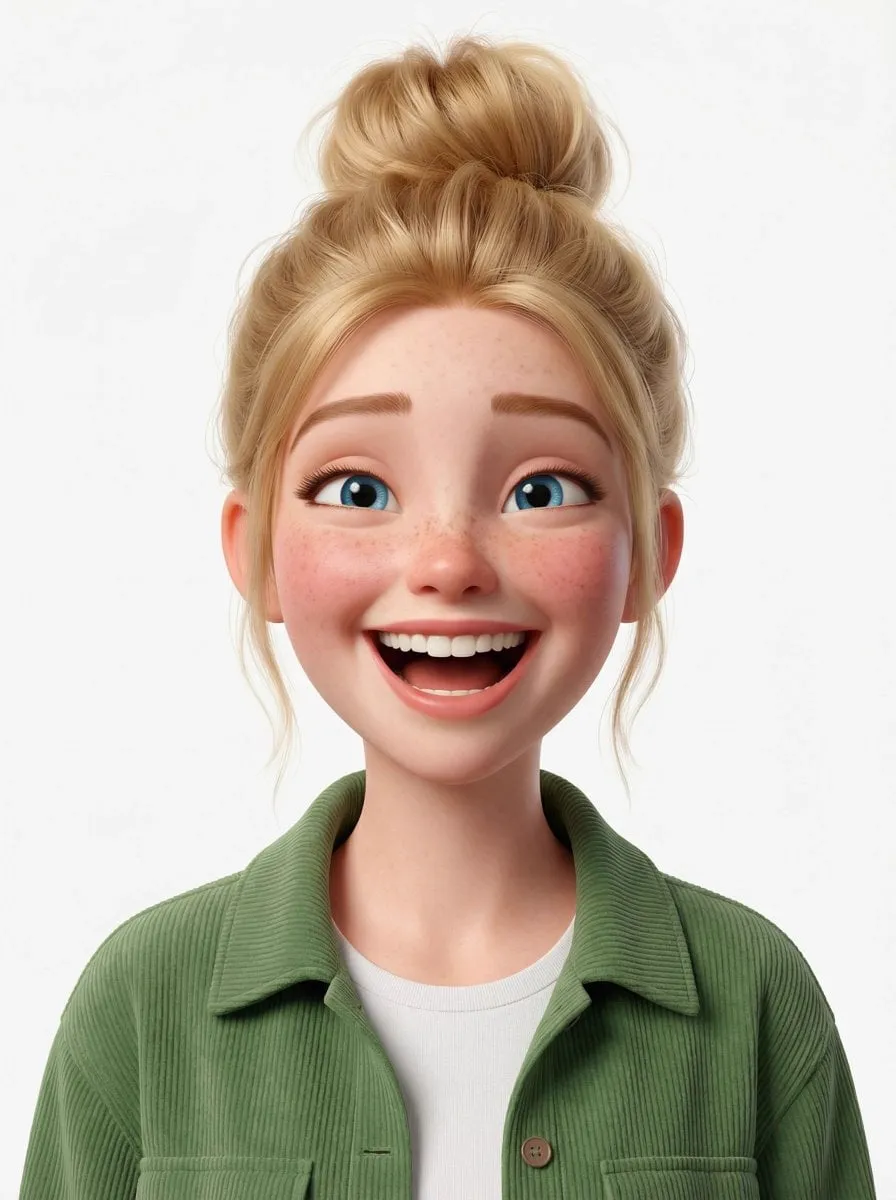
The oldest complaint about generative video is that characters change appearance between shots. Modern production pipelines solve this with reference systems and keyframe anchoring. You define the character precisely in writing, generate a set of reference images from multiple angles and expressions, and feed those references to the generation process so every new shot stays aligned.
Scene consistency works the same way. A location that appears in several scenes should have its own reference set: the same room, the same props, the same lighting logic. When scenes must match across a long sequence, first-to-last frame control keeps the beginning and end of a shot on rails, and the model fills the motion between them.
The discipline required here is mostly organizational. Keep a character bible, a location bible, and a reference folder per asset. Label everything. When a reference is updated, update the downstream prompts that depend on it. The teams that manage these assets well get reliable output; the teams that improvise get drift.
Shot Design: From Words to Camera Language
A script tells you what happens; a shot list tells you how the audience sees it. AI has made this transition dramatically faster. Given a scene description, a model can propose a shot list with sensible coverage: a wide establishing shot, medium two-shots for dialogue, close-ups for emotional beats, inserts for details that matter. You can then refine the list with explicit cinematography language.
This is where camera vocabulary becomes a practical skill. Shot size: extreme close-up, close-up, medium, wide, extreme wide. Camera movement: dolly, tracking, pan, tilt, handheld, crane, gimbal. Angle: high, low, eye level, dutch. Lens feel: wide angle, telephoto compression, shallow depth of field. Each choice changes the audience's emotional read of a scene, and the more precisely you can specify it, the more control you have over the final image.
AI-assisted shot design does not remove the need to understand these choices; it removes the grunt work of enumerating them. The director still decides that a character's isolation is best shown with a wide shot and a tiny figure in the frame. The model just helps translate that instinct into a complete, structured shot list quickly.
Lighting, Composition, and Visual Consistency
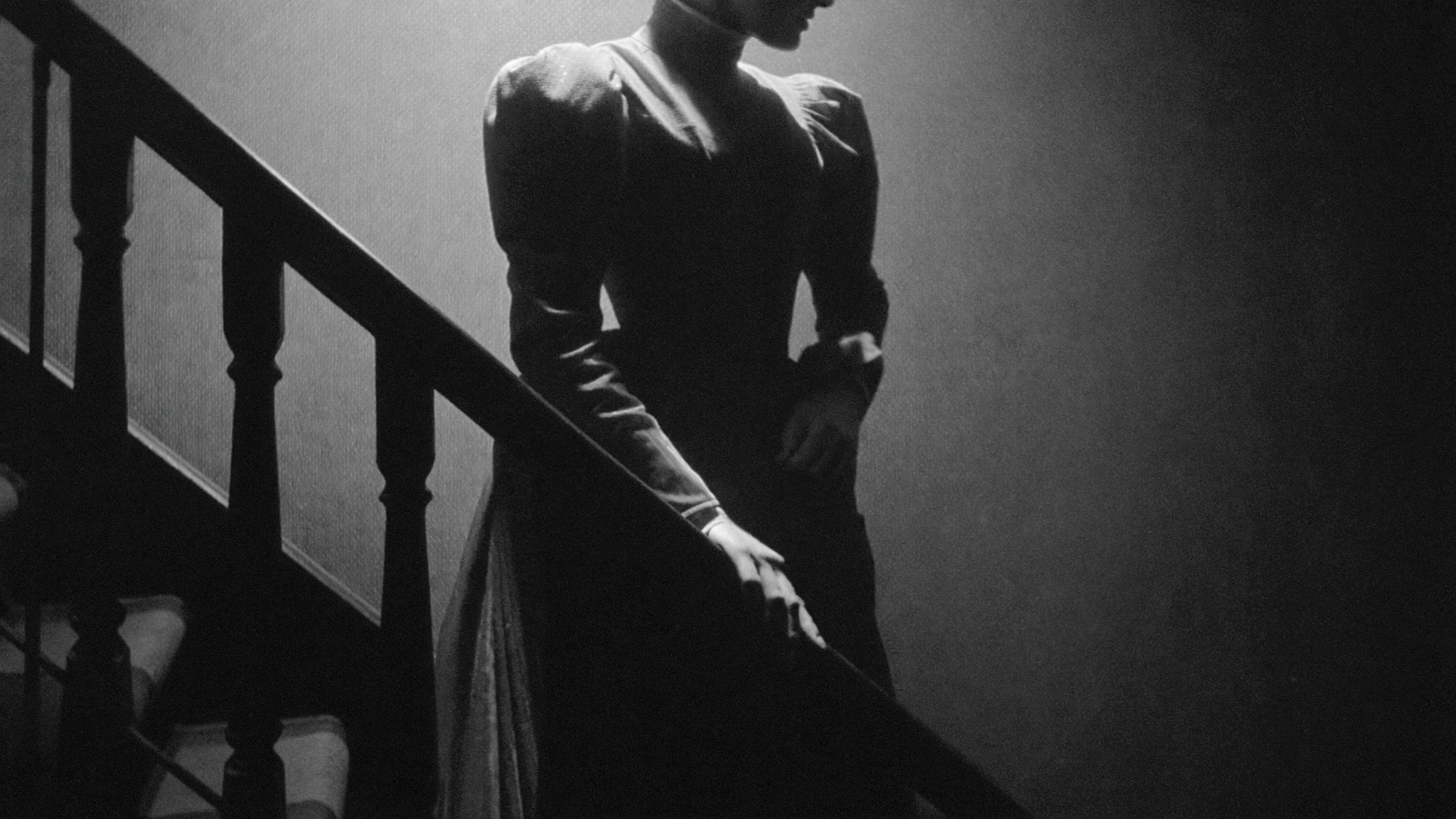
Once the shots are defined, the look of each frame still needs direction. Describe lighting with intent: hard light for confrontation, soft diffused light for intimacy, practical sources that motivate the scene's color. Describe composition: rule of thirds, symmetry, negative space, leading lines. Describe atmosphere: time of day, weather, haze, reflections.
These descriptions are prompts for the visual generation stage, but they are also creative decisions. The most common mistake is writing vague visual prompts and accepting whatever the model returns. The better habit is to specify the visual logic of the scene the same way you would brief a cinematographer, then let the model render it. When the render misses, adjust the description, not the luck.
For serialized work, lock the visual language early: the color palette, the grade, the texture treatment, the camera grammar. A show that switches look between episodes reads as broken; one that holds a consistent grammar reads as deliberate.
The Integrated Pipeline: Script to Render
The real payoff comes when script, shot list, references, and render queue are connected into one pipeline. The script feeds the shot list; the shot list, combined with the character and location bibles, feeds the generation prompts; the generation jobs run through a queue that balances available compute; and the results flow into the edit with metadata intact.
This pipeline is how teams produce at scale. Instead of hand-crafting each prompt, you generate dozens of variants from structured data: the same shot with different lighting, the same scene with different coverage, the same character in different scenarios. The pipeline handles the mechanics, and the human reviews the output, approves the strong frames, and sends the weak ones back for revision.
Scaling also demands cost discipline. Long sequences and high resolutions consume significant compute, so decide which shots deserve premium quality and which can be rendered leaner. Budget the queue the way you would budget a shoot day: plan the expensive shots, protect the hero moments, and keep the connective tissue efficient.
Sound, Music, and the Missing Senses
Video is half audio, and AI production pipelines that ignore sound produce flat work. Script-to-render should extend to the soundtrack: narration that matches the pacing of the edit, music that shifts with the emotional arc, and sound design that grounds the images in physical reality. Synchronization matters more than people admit. A cut that lands on a beat feels professional; the same cut a fraction late feels amateur.
Plan audio in the same document as the visuals. Mark the emotional rhythm of each scene, the musical mood you intend, and the moments where sound design carries information. Then produce the audio track against the approved visuals, not as an afterthought.
The Creator Workflow of Tomorrow
The practical workflow that emerges from all of this has a recognizable shape. First, develop the story with language models and lock an outline. Second, build the character and location bibles and generate reference sets. Third, generate the shot list with explicit camera language. Fourth, anchor keyframes and generate the sequence. Fifth, add sound, music, and final polish. Sixth, review, iterate, and publish.
What is striking about this workflow is how much of it is human judgment wrapped in faster tooling. The AI proposes, drafts, and renders; the creator decides, curates, and owns the vision. The people who thrive in this new production landscape are not necessarily the best prompt writers. They are the ones with a clear point of view, the discipline to keep their references organized, and the taste to know which of a hundred generated options deserves to be in the final cut.
Building Your Own Production System
The workflow described here becomes a system when you write it down and automate the mechanical parts. Start with a one-page runbook: how you define a project, where references live, how prompts are structured, how keyframes are approved, and how renders flow into the edit. The runbook does not need to be fancy; it needs to be followed.
Then look for the repetitive steps and remove them. Prompt templates that merge project data with scene descriptions save hours. A naming convention for renders makes review and feedback unambiguous. A simple review table, where each shot lists its status, owner, and issues, keeps a large project honest. If you work with a team, assign the asset-management role explicitly; it is the least glamorous job in AI production and the one that prevents the most disasters.
Finally, budget the pipeline like a shoot. Decide in advance which shots get premium generation, which get standard, and which get the fast experimental tier. When the queue backs up or the budget runs tight, the plan tells you what to protect: the hero shots, the keyframes, and the moments that carry the story. A system is what separates teams that ship series from teams that post single clips.
Risks to Keep in Mind
The speed of AI production comes with risks. Over-reliance on models can flatten your style into whatever the default look happens to be. Unchecked generation can produce a pile of footage with no governing idea. Character drift, if not managed with references, quietly destroys immersion. And the ethics of synthetic media are real: disclose synthetic content where platforms and audiences expect it, and avoid generating deceptive material.
The counterweight to every risk is the same: a strong written plan and a human who makes the final decisions. The tools are amplifiers, and amplifiers make good intentions louder, but they also make sloppiness louder.
FAQ
Do I still need to understand cinematography if AI designs the shots?
Yes, more than ever. The AI proposes options based on your vocabulary. If you cannot say what a low-angle dolly shot communicates, you cannot direct the model to use it where it matters.
Can AI write a complete script on its own?
It can draft one, but the draft will be generic without your input. The best results come from giving the model a specific premise, characters, and constraints, then iterating on its proposals.
How do I stop characters from changing appearance between scenes?
Build a character bible, generate a consistent reference set, anchor keyframes, and never change the references mid-project without updating everything downstream.
Is this workflow only for professionals?
No. A solo creator with a laptop can run the whole pipeline. The tools have democratized pre-production; the bottleneck now is taste and organization, not budget.
How many reference images do I need before generating a character?
Start with five to twenty consistent images covering different angles and expressions. Quality and consistency matter far more than volume; a small clean set beats a large messy one.
What is the biggest mistake teams make when scaling AI production?
Skipping the planning layer. Teams jump straight to generation, produce hundreds of clips, and then discover the characters drift, the story is incoherent, and the renders do not match the edit. The teams that scale successfully spend more time on the script, the references, and the shot list, not less.
Production Is Now a Thinking Game
The future of video production is not a future without filmmakers. It is a future where the expensive parts of production get cheaper and the thinking parts matter more. AI will draft your story, design your shots, and render your frames, but it will not know what you want to say. That knowledge, and the discipline to turn it into a coherent, consistent, well-crafted video, is still entirely human. Learn the vocabulary, build the systems, and let the machines handle the speed.
