

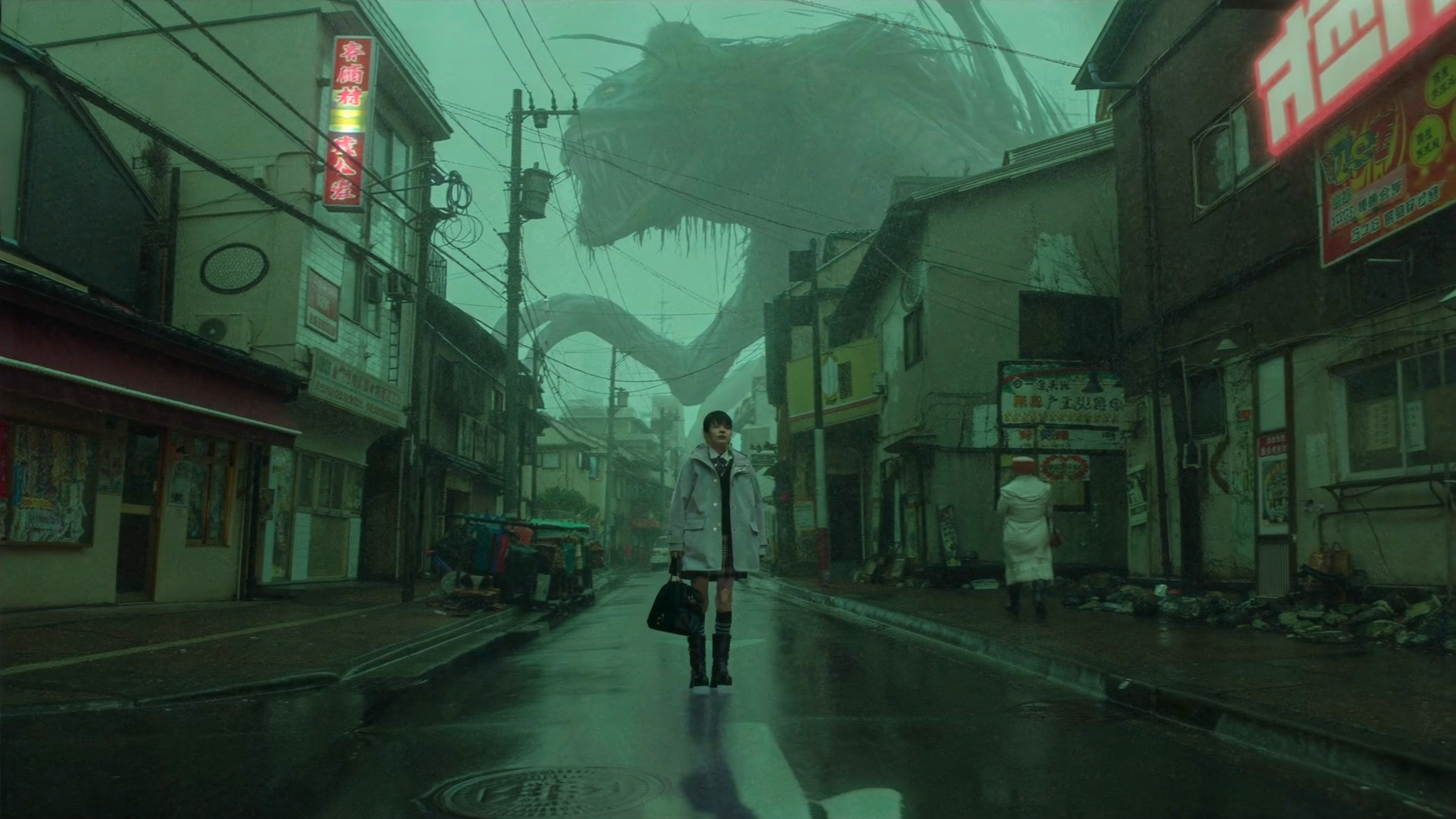
The future of content is being rewritten by AI video editors. What used to take weeks — scripting, shooting, editing, rendering — now takes hours. But the real shift goes deeper: AI is moving from simple automation to intelligent creative direction, enabling hyper-personalized ads and cinematic storytelling for creators at every scale.
From automation to autonomous direction
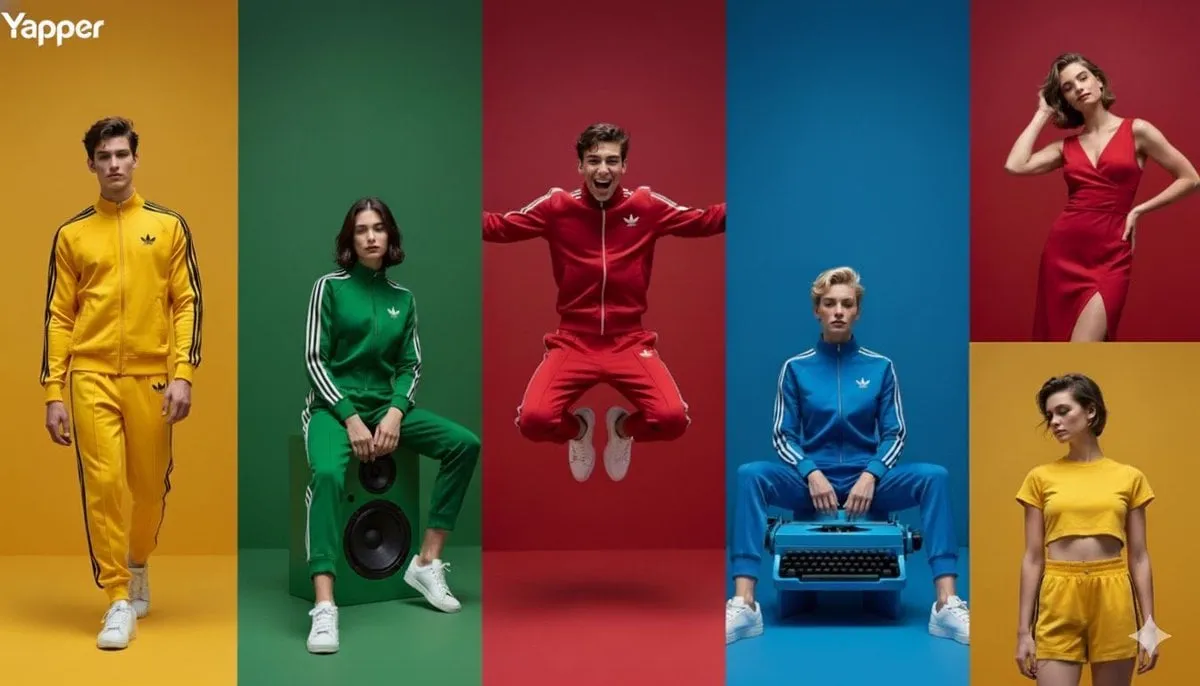
The biggest technical hurdle in AI video was visual drift: characters changing appearance across clips. Modern platforms solve this with multi-image fusion and keyframe control, so a brand mascot or spokesperson stays consistent in every variation. This turns AI video from a novelty into a reliable production tool. Start by exploring the AI video generator to see how model selection and consistency work together.
Content velocity as a competitive edge
In digital advertising, speed is everything. Batch generation and rapid iteration let marketing teams produce hundreds of assets in the time it used to take to finish one commercial. Combined with AI voice synthesis, a single script can become five localized voice-overs matched to different markets within minutes. This velocity directly improves campaign performance.
Hyper-personalization at scale
Instead of segmenting audiences into broad groups, AI editors can generate slightly varied ads for thousands of individual profiles — different landmarks, colors, or inferred interests — while keeping perfect character consistency. This is the scalable version of 1:1 marketing that was impossible with traditional production.
The economics of creation
The economics of AI content are shifting toward creator-centric models. Platforms price models by computational cost, so creators balance quality against budget. Users can also train and publish their own models, earning from others who use them — turning creative skill into a revenue stream. See the available plans on the pricing page.
A practical adoption path
- Identify your highest-volume video need (ads, tutorials, social clips).
- Build a library of consistent character and brand references.
- Use fast models for testing and premium models for final renders.
- Measure performance by model and prompt, then iterate.
- Scale what works into reusable templates and custom models.
For projects that start from existing assets, image-to-video keeps product photography consistent while adding dynamic motion.
Conclusion
AI video editors are not just faster tools; they are catalysts for a new content economy. Teams that adopt multi-model workflows, consistent identities, and data-driven iteration will lead their markets. Explore the AI tools and start building your future content strategy today. More insights on our blog.
