
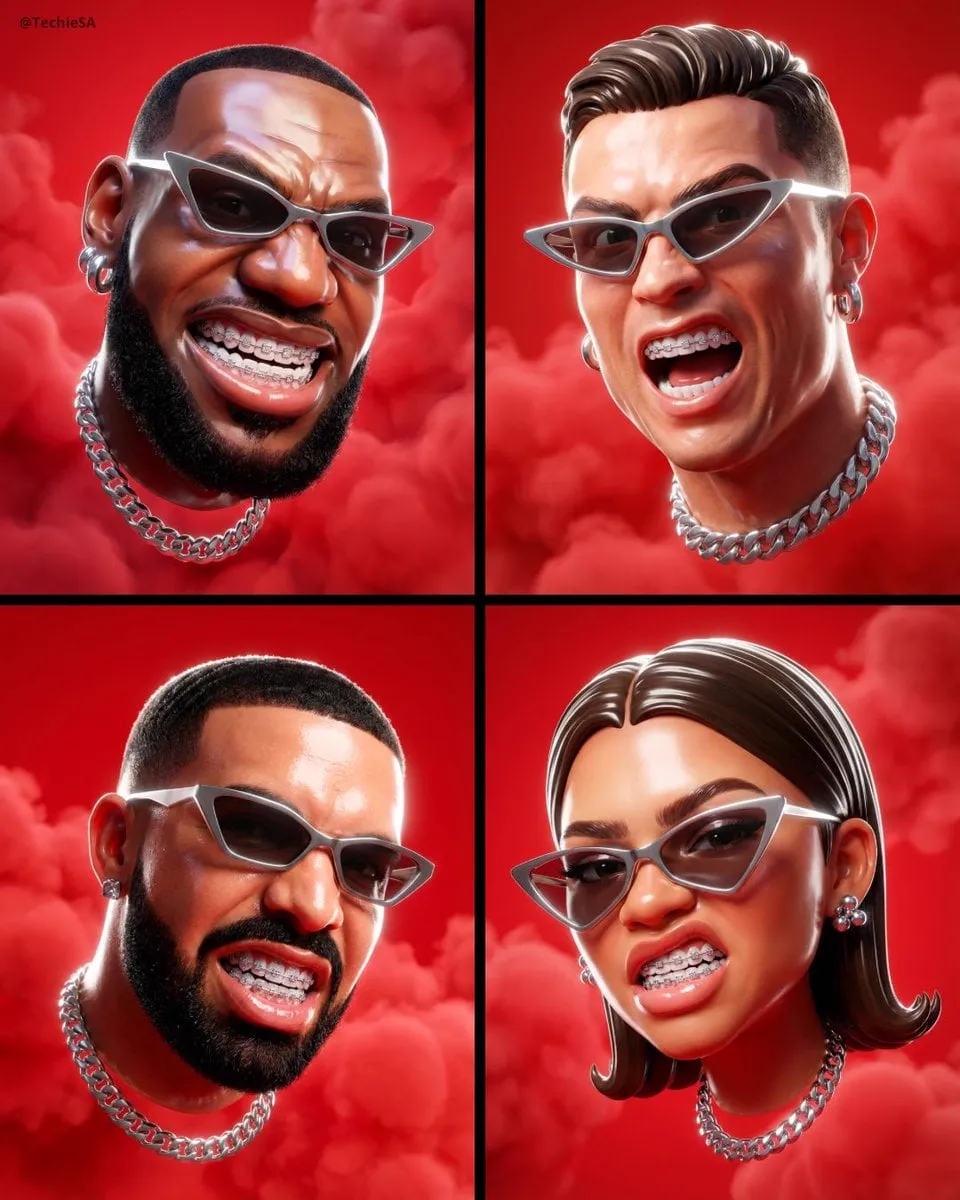
Video creation is being reshaped by one stubborn problem: consistency. Generating a single impressive frame is no longer remarkable; generating a story where the same character, the same world, and the same style hold across every shot was, until recently, the hard part. The technique pulling creatives across that gap is multi-image fusion, the practice of feeding a model several reference images at once so it can pull a face from one photo, a setting from another, and a wardrobe from a third, and keep them coherent through the whole sequence.
For a creative sector like the Netherlands', where advertising, film, design, and digital studios compete on speed and brand fidelity, consistency is the difference between an experiment and a deliverable. Clients do not pay for a beautiful one-off; they pay for a campaign that looks like one continuous story. This guide explains what multi-image fusion is, why consistency has become the defining skill, and how Dutch teams can put it to work responsibly.
From a Single Image to a Coherent World
The older generation tools worked from a single prompt or a single reference image. That is how you get a great photograph and a jarring next shot: the model had no second input to keep the two in sync. Characters changed faces, colors drifted, and the world fell apart between cuts.
Multi-image fusion changes the input from one image to several. The model takes each reference, builds a feature or embedding that summarizes what it saw, and then blends those embeddings so the final generation can call on elements from all of them at once. One image supplies identity, another supplies costume, a third supplies the environment, and the model synthesizes a scene that honors every input.
The result is a coherence tool. Because the identity is anchored to a fixed reference rather than invented fresh, that same face can appear in many shots, in different lighting, from different angles, and still read as the same person. That is the foundation of every long, consistent narrative.
Why Consistency Is the New Creative Currency
Speed was the first promise of generative video, and teams everywhere now have it, to some degree. The market has moved on to quality and control, and within quality, the value that clients actually pay for is consistency.
A brand campaign needs its hero character to look identical across a product shot, an emotional closer, and a social cut. A series needs its world to feel continuous episode to episode. A founder needs their digital avatar to keep the same face and mannerisms across every presentation. When those hold, the audience finds the content trustworthy and professional. When they break, the audience notices in a frame, and the illusion of craft collapses.
Consistency is also what allows reuse. A team that can reliably generate a character once and then place it anywhere accumulates a reusable asset library, a "cast" they can deploy across campaigns without reshooting. That compounding value turns a one-off tool into long-term production infrastructure.
How Multi-Image Fusion Fits the Production Workflow
The technique slots into familiar production pipelines rather than replacing them. It is an extension of pre-visualization, casting, and art direction, done with reference images instead of a location scout.
In practice, the director or producer curates the reference set first: a face reference, a clothing reference, a setting reference, and a style or color reference. These are the fixed elements. The text prompt then describes the action, the camera, and the mood. The fusion model combines the fixed references with the described motion and produces a scene that moves while staying anchored to the chosen identity.
Because the references are what lock the look, curating them carefully is the craft. A reference with inconsistent lighting or a noisy background will inject those problems into the output. Clean, controlled references yield clean, controlled results, which is why professional teams invest in art-directing the inputs as much as the output.
The workflow stays human-centered: a human decides which references matter, writes the direction, reviews the renders against the brief, and signs off. The fusion model is a powerful assistant, not a replacement for editorial judgment.
Choosing References That Hold a Look
The quality of a fused result sits or falls on the references you feed it. Treat reference curation as its own discipline.
Keep each reference singular and clean. A face reference should show one person, front-lit, unobstructed, so the model can confidently extract identity rather than guessing which face is which among clutter. A setting reference should show the environment on its own, free of characters that might be mistaken for the subject.
Match lighting intent across references when possible. If your face reference is lit warmly and your environment reference is cold, the fusion has to reconcile conflicting light, and that reconciliation often produces artifacts. Choose references that share a common lighting logic, or at least a common exposure, to give the model an easier job.
Provide stage references for elements you must keep identical. If the character always wears a red jacket, give the model a clean jacket reference and restate it in the prompt, rather than letting it invent a wardrobe across shots.
Finally, keep a library of approved references. A carefully maintained set of canonical faces, worlds, and props becomes the visual bible for a campaign, the single source of truth that keeps every fused render on brand.
Locking Style and Character Across an Entire Sequence
A fused still is only a start; the real test is whether the identity and world survive an entire sequence of shots. That requires discipline repeated at every step.
Restate the anchors in every prompt. Do not assume the model remembers the earlier shot. Re-list the identity, the setting, the wardrobe, and the style anchor each time, like a call sheet for the sequence, so continuity is described rather than hoped for.
Keep the camera and action per-shot, but keep the anchors constant. A changing, committed camera direction and a stable, repeated identity description together produce both visual interest and continuity. If the style anchor drifts, so does the piece.
Generate and compare in batches focused on continuity. Review each render not just for beauty but for identity: does the face still match the reference, does the jacket still match, is the world still the same room? The moment any anchor drifts, fix the reference or the prompt before moving on.
Plan the sequence as one arc, the way you would any directed piece, with a mood that escalates while the world stays constant. Consistency is not uniformity; it is stability across change.
The Technology Behind the Consistency
Beneath the polished outputs, fusion relies on a stack that balances many specialist models and the glue that orchestrates them. Understanding the shape of that stack demystifies the results and helps you choose tooling.
A backend that manages many models behind one interface lets you route each job to the engine that suits it, a realism model for a character moment, a stylized model for a dream sequence, a specialist model for a specific texture. Because each adapter shares a common contract, the fusion result inherits consistency from the orchestration as much as from any single model.
Storage and idempotency keep the work reproducible and efficient. Jobs are tracked through a queue so a long render can survive and resume, and the same references can be reused across many generations without recomputation. A modular design, often a web framework backed by a relational store and a task queue, gives the whole system the reliability professional production needs.
The practical takeaway is that consistency at scale is an engineering discipline, implemented through a unified serving layer, a durable queue, and careful reference management, more than it is any single magic model. Teams evaluate platforms on exactly these structural qualities.
Practical Uses Across Dutch Creative Teams
Multi-image fusion scales to every corner of the creative economy.
For advertising and brand agencies, it means a hero character can star across a full campaign, in every resolution and every platform facing, with the same face and style, cut production time from weeks to days.
For film and content studios, fusion supports shot mapping and pre-visualization, letting directors lock the look and the cast before a single camera rolls, and bridging between live footage and generated elements.
For e-commerce, it generates on-model and on-consistent-look product content at volume, so a catalog can show the same model in the same setting across dozens of items and the display feels cohesive.
For training and education, it creates consistent explainer characters and reusable visual worlds that carry a lesson across many modules without visual whiplash.
For individual founders and creators, it keeps a digital avatar or a series identity stable, so a one-person brand reads as professionally produced across every post.
In every case the value is the same: repeatable, recognizable, brand-true visual output that scales beyond the hours a human team can physically spend.
A Responsible Adoption Checklist
Consistency is powerful, and with power comes responsibility. Teams adopting fusion should put governance in place from day one.
Get permission for the face references. If you are cloning a real person's likeness, even with the most benign intent, keep explicit documented consent and stop using the reference at their request.
Label synthetic output honestly. Audiences and platforms care about provenance, and a clear, consistent policy on how you disclose AI-generated content builds trust and keeps you clear of misleading-your-audience problems.
Keep references accurate to the deliverable. Do not promise a client "real" footage when the deliverable is generated from a model. Set expectations in the brief so the value offered is the value delivered.
Preserve a clean audit trail. Store the references, the prompt, and the model version for every render, so you can reproduce, explain, and defend anything you publish.
Review new capabilities before betting production on them. Model behavior changes quickly; validate a newly released model on your own references before committing a paid campaign to it.
Frequently Asked Questions
Do I need dozens of images to use multi-image fusion?
No, but you need the right few. A tight set of clean, singular references, a face, a setting, a wardrobe, and a style, typically outperforms a large pile of cluttered ones.
How different can the fused output be from the references?
As different as the prompt asks while protecting the anchors. Identity and the chosen fixed elements hold, while camera, action, lighting feel, and mood are free to follow the direction.
Is fusion still useful if I mostly generate stylized or animated content?
Yes. Consistency is even more important in stylized work, where a drifting character design is instantly noticeable. Anchor the style references and the character sheet and the rules apply the same.
Who owns the right to use a cloned face?
The person whose face it is. Get explicit, updated consent, and never assume that a public image authorizes ongoing commercial cloning.
Will multi-image fusion replace the need for a human art director?
No. The value shifts, but the judgment grows. A human still decides which references tell the story, what the anchors should be, and whether a render honors the brief. That taste is what the tool amplifies.
Applying Fusion to a Full Campaign
Seeing the technique outside a single use case makes it concrete, so consider a realistic campaign plan for a brand that needs a consistent animated spokesperson.
Begin with reference production. Shoot or generate one clean hero reference of the spokesperson, a single front-lit, unobstructed view, plus a wardrobe reference and a set of approved environment stills for the worlds the brand owns. These become the campaign bible, the canonical assets every render must honor.
Then write the beat map. Plan the sequence as a directed arc: an opening product shot, an emotional testimonial moment, a quick-paced social cut, and a calm closing. Each beat gets its own camera and mood, but every prompt restates the same spokesperson identity, the same wardrobe, and the same world references.
Generate and review in continuity batches. Compare each render against the reference set, not just against the individual brief, and flag any drift in face, costume, or setting before it propagates to the next shot. Fix drift by strengthening the reference or the prompt, never by accepting an off-brand frame for expedience.
Deliver the full cut with a style sheet attached, the exact references, the prompt templates, and the model settings, so the next campaign, or a second studio, can reproduce the same look without re-inventing it. That transferability is what turns a single effort into long-term brand infrastructure.
Run the same lens over other formats, e-commerce product film, training modules, founder videos, and you have a repeatable method rather than a one-time trick.
Frequently Asked Questions
How long does it take to produce a consistent multi-shot campaign with fusion?
After the references and beat map are ready, each shot is often a few renders and a review, so a mid-length campaign can move from plan to final cut in days rather than weeks. The setup always takes the time; the generation is the fast part.
Can I mix live-action footage with fused AI elements in one campaign?
Yes, and matching them is a matter of light and grade. Keep the lighting intent consistent across the live and generated material, then run a shared color grade so the two read as one piece.
What happens if the client changes the character's look mid-campaign?
Update the reference set and regenerate. Because the anchor is a reference rather than baked into the footage, a reshoot of the reference propagates the change across all future renders without starting over.
Is the consistent look worth the extra art direction effort?
For any content meant to feel branded and professional, yes. Incoherent output reads as low quality even when the individual frames are beautiful; the consistent look is precisely what signals craft.
Conclusion
Multi-image fusion answers the question generative video has always stumbled on: how do I keep a story intact? By anchoring identity, world, and style to reference images and carrying them through the whole sequence, it turns one-off generation into coherent, reusable production. For Dutch teams competing on speed and brand fidelity, consistency is the skill that pays, and it rewards those who build it on clean references, disciplined prompts, a reliable technical stack, and clear governance. The studio that masters consistency does not just make more content; it makes a world audiences recognize, frame after frame.
