

The Next Big Thing in AI Video: Hailuo 3.5 Capabilities Explained for Creators
The proliferation of powerful diffusion models has ushered in the Golden Age of Generative AI Video. Creators are no longer constrained by traditional production pipelines; instead, they navigate a vast ecosystem of specialized models, each offering unique strengths in motion, style, and fidelity. In this dynamic environment, identifying the truly impactful updates — the ones that shift the accessibility or quality paradigm — is crucial.
This article explains what makes the latest Hailuo generation stand out: physical realism, temporal consistency, cost efficiency, and how to integrate it into a modern creator workflow.
The rise of cost-effective realism
The current video generation market is characterized by a 'Model Wars' scenario, where specialized tools compete fiercely on parameters like temporal consistency, prompt adherence, and cost-per-second of output. Older models often struggle with maintaining character identity across scene cuts, forcing reliance on tedious manual editing.
The primary differentiator of the latest Hailuo-derived capabilities is strategic positioning against the dominant, often closed-source, behemoths. While some models promise peak performance, creators must weigh that against the cost-effectiveness offered by platforms aggregating superior budget options. This economic advantage, combined with noted strengths in visual appeal, forces a re-evaluation of the creator technology stack.
Superior rendering of physical realism
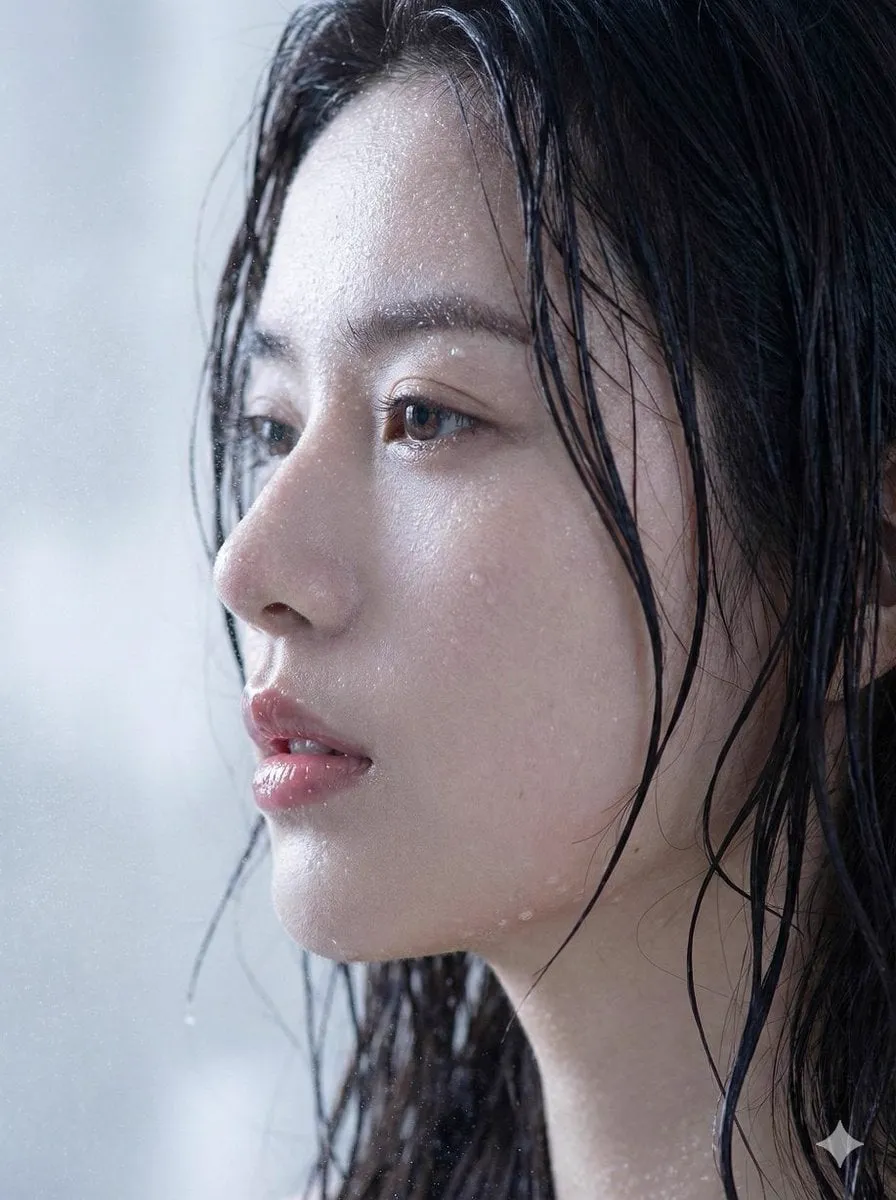
The focus of the latest updates has been a deep dive into physical realism — the subtle aspects of lighting, material interaction, and human/object motion that often betray lower-tier AI generations. Creators report noticeably improved rendering of skin textures, natural environmental interactions, and an inherent 'charm' in generated subjects that transcends mere anatomical correctness.
This focus on subjective quality is vital for engagement metrics in the highly competitive social media environment, where users have become adept at spotting synthetic artifacts. This focus moves AI video from the uncanny valley toward genuine cinematic integration, a key indicator of maturity in the field.
Temporal consistency and motion coherence
While early text-to-video models struggled severely with temporal consistency — where objects flicker, disappear, or change shape between frames — the latest advancements show marked improvement. This is critical for narrative storytelling, where maintaining the identity of a character or object across several seconds of footage is non-negotiable for professional output.
Motion coherence improvement means that character movements — especially subtle gestures or complex physics interactions — are rendered naturally, minimizing the need for complex negative prompting or external correctional tools. The ability for a generated character to reliably look and behave consistently is a primary factor separating hobbyist output from marketable content.
Cost-to-quality ratio: the real breakthrough
The true "big thing" about the latest capabilities is the cost-to-quality ratio. In 2025, access to the most expensive models represents a significant per-project investment, limiting experimentation and high-volume output. Conversely, the Hailuo series provides outputs deemed "cinematic-grade" for substantially lower cost.
For a creator building a subscription revenue stream or managing ad-spend costs, this difference is monumental, allowing them to quadruple their daily generation capacity for the same budget. A transparent cost system efficiently manages these expenditures, showing users the cost-benefit of utilizing the efficient line within their production queue.
Advanced prompt adherence
The latest iterations demonstrate significantly improved prompt adherence, especially when dealing with multiple objects, specific camera angles, or complex emotional instructions — areas where prior text-to-video models often defaulted to generic interpretations.
Increased semantic understanding reduces the need for lengthy "negative prompts," streamlining the text-to-video process significantly. Successful adherence across challenging prompts is directly correlated with higher viewer engagement, as the content more accurately matches the viewer's expectation set by the title or description.
Multi-image fusion for character consistency
One of the long-standing frustrations in generative video is ensuring a character remains visually identical across different scenes, lighting conditions, or even model switches. Multi-image fusion addresses this directly.
Creators can generate a set of keyframe images using a baseline model and then utilize this reference set when prompting the target model. This technique forces the model to adhere to the established visual identity while benefiting from its superior motion and physical realism — a perfect marriage of stability and dynamism. This technique is essential for long-form episodic content.
If you want to explore this workflow, Domer's AI video generator is a good place to start. Build your character references with the AI image generator and models like GPT Image 2, then bring them to life with text-to-video.
Multi-modal input translation
While primarily known for text-to-video, the latest iterations are increasingly effective at interpreting multi-modal inputs, particularly when paired with reference imagery. When a creator supplies a specific reference image to guide the visual style or character pose, the model excels at translating that 2D input into coherent 3D motion dynamics.
This capability bridges the gap between static concept art and dynamic video sequences. Reference-guided generation ensures that the physical realism displayed is anchored to a specific, desired aesthetic, avoiding generic or unexpected interpretations of the prompt. This strength makes the model highly valuable for creators who start their ideation process with detailed character sketches or environment mockups.
Integrating with a structured workflow
Even the best generative model fails if the underlying story structure is weak or the cinematography is amateurish. Modern AI agent directors transform raw clips into structured scenes by analyzing narrative intent and suggesting optimal camera angles, shot pacing, and scene transitions that align with cinematic conventions.
This layer of directorial intelligence ensures that the content created is not just visually competent but narratively effective. The collaboration between a cost-effective base model and high-level strategic guidance represents a unique approach to empowering creators beyond simple prompt execution.
Managing resources efficiently
In a platform supporting many AI models, efficient GPU resource management is non-negotiable. A sophisticated task queue built into the backend handles concurrent generation requests, particularly important when creators switch between resource-intensive and leaner models.
This queue ensures fair resource distribution, prevents system overload, and provides creators with realistic wait times, enhancing user trust. Creators can prioritize their renders, knowing that while other heavy tasks are being processed, their core, cost-effective content generation will proceed smoothly.
Conclusion
Hailuo 3.5 represents a new balance point in AI video generation: cinematic-grade realism at an accessible cost. The key takeaways for creators:
- Use cost-effective models for high-volume output without sacrificing quality.
- Lock character identity with multi-image fusion across generations.
- Leverage improved prompt adherence for complex scenes.
- Combine static references with dynamic generation for full control.
- Integrate with a structured workflow for narrative effectiveness.
With this approach, high-end realism is democratized, making complex visual storytelling achievable for those without large studio budgets.
