
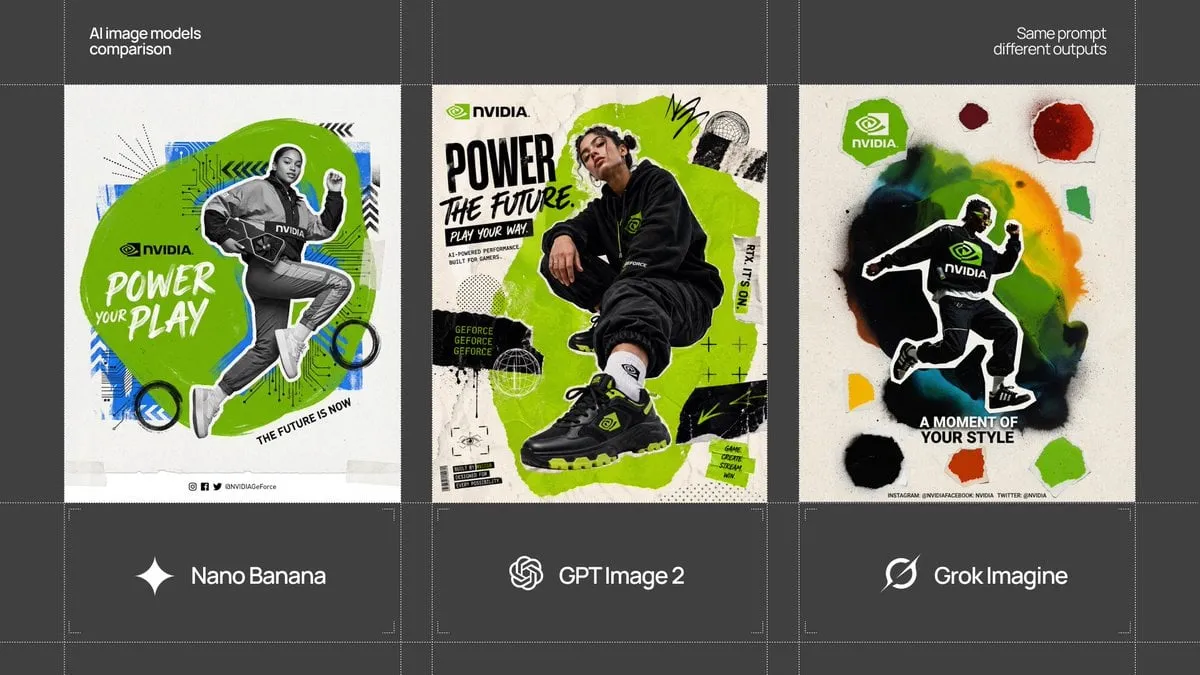
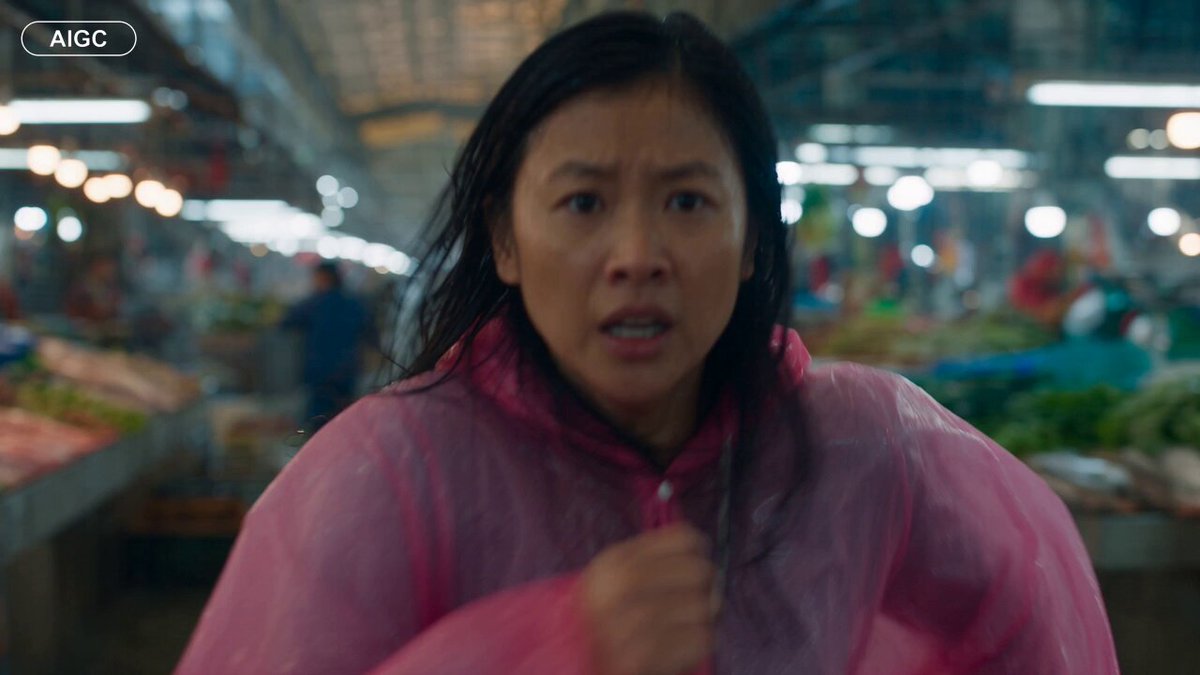
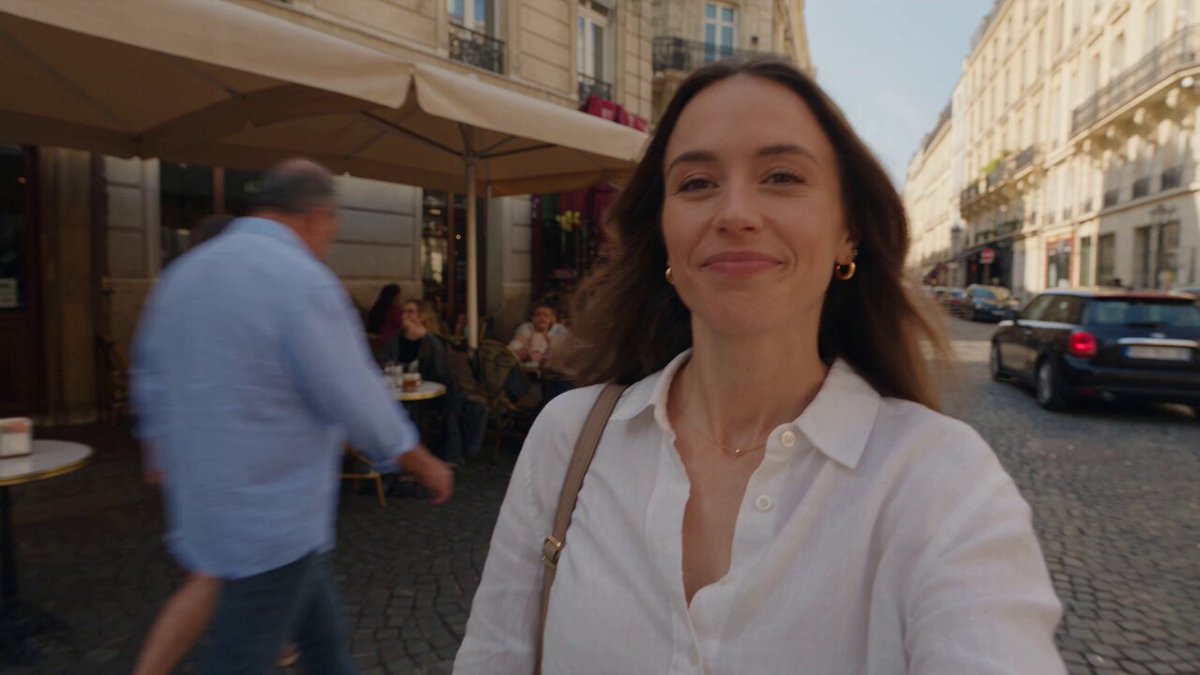
Text-to-video AI has moved from a research curiosity into a practical production tool in a very short time. Today you can type a description of a scene and receive a moving, coherent clip matching that description, often in seconds. For content creators, this is a genuine turning point because it removes the biggest barrier to video: the need for a camera, a set, a crew, and the time to shoot.
This guide explains how text-to-video actually works under the hood, how the leading models differ, and how you can punch the technology into a practical creative workflow. You do not need a machine-learning background to follow along. The goal is to give you a mental model solid enough to choose the right tool for a job and write prompts that produce what you actually want.
From Words to Moving Pixels
At its core, text-to-video takes a natural-language description, a prompt, and translates it into a sequence of images that form a moving scene. The model learns from enormous collections of videos how things look, how they move, and how they relate to language. When you give it a prompt, it reconstructs a plausible moving scene that matches your description.
The hard part is not drawing a single picture. It is keeping a scene coherent across frames so that motion looks smooth, objects do not morph randomly, and characters stay recognisable. That temporal consistency is what separates a good text-to-video model from a toy.
The role of diffusion models
Most modern text-to-video tools are built on diffusion techniques, the same family of methods behind popular image generators. The model starts with visual noise and refines it step by step toward a target, guided by your prompt. Applied across time, this produces a coherent video rather than a still image. The more the model understands motion and camera behaviour, the more film-like the output feels.
Why the Underlying Model Matters
The model is the engine, and not all engines are equal. Content creators should care because model choice directly affects realism, motion quality, style control, and cost. A model that excels at photorealism may be weak at stylised animation, and one that is fast and cheap may not handle complex scenes.
Think of models as strengths rather than a ranking. Before you judge them, define what you need: realistic footage for a product, stylised motion for an explainer, fast iterations for testing, or consistent characters for a series. Matching the model to the job is the difference between frustrating results and effortless ones.
Specialised models for control
Beyond the general leaders, there is a growing group of specialised models tuned for specific tasks, such as tight camera control, character consistency, or stylised animation. These let you grab specific outputs instead of improvising over and over. If a task keeps coming back in your work, find a model built for exactly that task.
Consistency and Multi-Modal Workflows
One of the most practical trends is the ability to combine inputs. Instead of describing everything from scratch, you can start from a reference image, a character sheet, or a storyboard sketch and ask the model to animate it. This is where text-to-video starts to behave less like a random generator and more like a production tool.
Multi-image fusion is a good example. You supply several consistent images, and the model uses them as anchors so that faces, products, and styles remain stable across scenes. A creator working on a series saves the same reference set and reuses it, so every episode of the series shows the same character in the same world.
Bringing video into a bigger pipeline
Text-to-video rarely works in isolation. In a typical workflow, you generate the footage, then bring it into an editor to add captions, music, transitions, and sound. Some tools are also starting to handle voice-over and audio so that a clip ships with synchronised sound. The result is that a full short video can be assembled from text in a fraction of the time a shoot would take.
The Leading Models and Their Strengths
The model landscape changes quickly, but a few names recur as the leaders because they set the benchmark in different areas.
Sora from OpenAI is widely cited for temporal coherence and the ability to keep scenes consistent over longer generation spans, pushing the ceiling on what a single prompt can produce. Kling AI is respected as a precision-focused alternative, strong on detail and controllable motion. The Flux family is known for photorealistic image control, which is useful when you want the visual foundation to be extremely realistic before it moves.
Runway's Gen series has become a staple in narrative work because it balances creativity with consistent story flow. PixVerse is popular for viral and social-oriented content, with advanced lens control baked in. Luma's Ray 2 and Dream Machine pair realism with smooth camera motion, making them handy for dynamic pulling shots and focus transitions.
On the efficiency side, models like MiniMax Hailuo appeal to those who want good physical realism and charm without spending on the premium tier. The practical message is to build a shortlist around two or three models that cover your needs rather than chasing every release.
Choosing the Right Model for the Job
Use this simple decision framework. If you need maximum realism and long coherent scenes, lean toward the high-fidelity leaders and give them a clear, detailed prompt. If you need consistent characters across a series, choose a tool with strong reference and multi-image fusion support. If you are testing concepts and need speed at low cost, use a fast economical model and only reinvest in premium renders for the winners.
Whatever you choose, write your prompt with the camera and motion in mind. Describe the shot type, the movement, the mood, and the subject clearly. A prompt that reads like a mini storyboard almost always beats a vague one-liner.
Writing Prompts That Work
The quality of your output depends heavily on the quality of your prompt. A good prompt is specific about the subject, the setting, the style, the camera movement, and the feeling you want. Avoid ambiguous words that the model must guess at.
For example, instead of "a person walking in a city," try "a medium close-up of a woman walking through a neon-lit night market in rain, cinematic lighting, slow dolly follow, moody atmosphere." The extra detail gives the model concrete direction. Describe motion explicitly, because text-to-video models respond well to verbs that imply movement like zoom, pan, dolly, tracking, and slow-motion.
It also helps to keep a library of prompts that worked, so you can reuse and remix proven formulas instead of starting over each time.
Practical Production Tips
Treat text-to-video as one stage in a production pipeline, not the whole pipeline. Generate multiple takes of a scene and pick the best rather than accepting the first result. Review footage for quality before you commit time to editing. Keep your reference materials organised and reusable.
Batch your work. Plan several scenes at once, write all the prompts together, and generate them in a session. Batching is faster and lets you keep a consistent look across everything you produce in one go.
Turning flaws into features
Not every generation is perfect, and that is fine. Minor imperfections in motion can often be hidden with fast cuts, cropping, or overlay text. Rather than fighting a flawed render, work with the edit to make it feel intentional. Creators who succeed with AI video treat the edit as part of the creative process, not just cleanup.
Ethical and Practical Considerations
As AI-generated video becomes commonplace, audiences are getting better at recognising it, and platforms are setting clearer rules around disclosure. Be transparent when content is AI-generated, especially in contexts where realism could mislead. For commercial work, check the terms of the tools you use regarding ownership and usage of the output, and keep evidence of what you generated.
Copyright for prompts and outputs is still an evolving area. A safe habit is to assume you should not train on or resell others' creative work, and to read the license of any model or platform before you rely on it commercially.
The Future of Content Production
Text-to-video is heading toward longer generations, better character consistency, integrated audio, and more natural control over camera and emotion. As these tools improve, the role of the creator shifts from operating a camera to directing ideas, writing prompts, and making creative decisions. The technical barrier to producing video is collapsing, and the differentiator becomes taste, consistency, and storytelling.
The creators who thrive will be those who learn to direct AI as a capable but imperfect collaborator, guiding it with clear intent and refining the output with a strong editorial eye.
Frequently Asked Questions
Do I need to know coding to use text-to-video tools?
No. Everything is driven by prompts written in plain language. The skill is writing descriptive instructions, not programming.
How long can a generated clip be?
It varies by tool, but most are a few seconds to a minute or two. Longer, coherent generation is an active area of improvement.
Is AI video replacing human creators?
It is changing the job, not replacing the judgment. A creator still decides what to make, why it matters, and what feels right. AI removes the shooting labour, but it does not remove the taste.
Building a Reusable Prompt Library
Your prompt library is the single most valuable asset you will accumulate as a text-to-video user. Every prompt that worked, every phrase that produced great motion, and every setting that held a style together belongs in a file you can search. Over time, it becomes a translation between what you want and what the models understand.
Structure your library by intent: realism prompts, stylised prompts, camera-movement prompts, character-consistency prompts, and mood prompts. When you start a new project, pull the relevant templates and remix them instead of writing from a blank slate. Not only does this make you faster, it keeps your output consistent, because proven phrasing produces reliable, repeatable behaviour from the model.
Version control for your prompts
Treat prompts like code you might want to revisit. Label iterations of a good prompt and record what changed and why. When a model gets an update that shifts its behaviour, you will need to know which variation to adjust. A little discipline here saves you from rediscovering your own best work months later.
Combining Text, Image, and Audio
Production quality rises sharply when you bring inputs together. Instead of asking a model to invent a scene purely from text, start from a strong image or storyboard and animate it. Starting from an image anchors the composition, so you keep the framing you already approved rather than negotiating a new one every time.
Increasingly, tools can also generate or accept voice-over and background audio. A clip with synchronised sound and a coherent score feels finished rather than like raw footage. Work toward a pipeline where text or reference images drive the picture and audio is added in the same step, because that shortens the path from idea to polished, publishable video.
Scheduling Your Production Work
Consistency beats intensity in a creative practice. Set a regular production rhythm, whether that is one focused day per week or a shorter daily session, and protect it. Batch your generation work: plan several scenes, write all the prompts, and generate in one sitting. Batching keeps a uniform look and lets you improve prompts with the momentum of immediate feedback.
Block out time to organise your output too. Generated content can pile up fast, and a clean archive of what you made, what worked, and what is reusable saves you from rectifying sprawling folders later. A tidy library is a creative asset; a chaotic one is a tax on future you.
Common Technical Hiccups and Fixes
A few technical issues recur. Watermarks and artifacts appear when a generation is too ambitious for the model's resolution, so simplify the scene or split it into shorter clips. Faces can smear in fast motion; describe the motion more precisely or use a reference still to stabilise the subject. Text rendering in AI video is often unreliable, so keep on-screen words short or add clean captions in post.
When a model ignores part of your prompt, simplify. Overloaded prompts split the model's attention and weaken every element. Cut the scene to its essence, generate that, then build complexity in the edit. Treating each clip as a single focused idea is a reliable way to quality.
Start Creating Today
If you are new to text-to-video, do not overthink the model choice. Pick a tool with a free tier, write a clear descriptive prompt, and generate a short clip. Study what worked and what did not, then iterate. In a few sessions you will have a feel for the tool and a small library of prompts you can build on.
The technology is moving fast, but the fundamental skills, clear direction, consistent style, and good editing, are timeless. Marry those with a capable text-to-video model and you have a production capability that once belonged only to teams with cameras and budgets.
