


Why ASMR Keeps Pulling in Audiences
ASMR did not fade away like a lot of other online trends; it got quietly enormous. Millions of people now watch hours of whispered role-plays, tapping, scratching, and careful repetitive sounds not just for entertainment but as a ritual for winding down, focusing, and sleeping. The audience is loyal, returns again and again, and, crucially, tolerates long watch times that platforms reward. A viewer who watches a fifteen-minute relaxation video to the end is worth far more to the algorithm than one who bounces off a thirty-second clip.
That combination, loyalty, duration, and low production overhead, is exactly what a creator who wants consistent, compounding content should want. You do not need a huge set, a cast, or a viral hook. You need an environment where sound can be captured cleanly, a reliable trigger vocabulary, and the patience to build a recognizable sonic identity.
This guide is a practical production playbook. It skips the vague advice and walks through the recording, the visual layer, the sound design, and the platform strategy that separates forgettable ASMR from channels people actually subscribe to and come back for.
Treating Audio as the Whole Product
In almost every other video genre, audio is a support column. In ASMR, audio is the product. Millions of people will judge your entire channel on whether the sounds make them feel the intended tingle, so the recording chain deserves more of your attention than the camera does.
Start with the room. A quiet, soft-furnished space is worth more than a fancier microphone. Hard surfaces such as bare walls, floors, and ceilings bounce echo into your recordings, and echo is the enemy of intimacy. Hang curtains, rugs, and a few pillows; anything that absorbs reflections will make the sound feel as if your audience is sitting right next to you. If you can stand in the room, clap once, and not hear a tail, you have a usable space.
Next comes the microphone, and the honest truth is that you do not need a studio-grade rig to begin. A decent USB condenser is plenty for your first dozen videos. What matters more is learning where it sounds best, which is always closer to the action than you first guess. Most ASMR artists keep the microphone a few centimeters from the sound source so the proximity effect makes even soft sounds feel immediate and present. Test distance until the sound is full without becoming harsh or distended.
For viewers with headphones, you can add real presence through binaural technique. A binaural setup uses two microphones spaced roughly like human ears, so when the audience listens on earbuds the effect is a convincing three-dimensional soundscape: you can make the tapping appear behind them, the whisper beside them, the crinkle above them. It is one of the easiest ways to sound dramatically more professional without turning your editing time into a project.
Building a Trigger Vocabulary That Works
Popularity in ASMR is not about a single magic sound; it is about a library of reliable triggers you can deploy in combination. The proven workhorses are consistent across most successful channels:
- Whispering and soft speech, the backbone of most ASMR, which works because it forces intimacy and slow, deliberate pacing.
- Tapping and scratching on different materials, each surface, stone, wood, paper, plastic, fabric, giving a slightly different timbre to keep the ear engaged.
- Brushing and crinkling, from makeup brushes to plastic packaging, which produce the high-frequency textures viewers find soothing.
- Gentle repetitive motion, sorting, folding, arranging, that offers both a visual rhythm and a matching sound.
You want several triggers per video, but you want them sequenced rather than jumbled. The strongest rule of thumb is to let each trigger have a turn. Spend an unhurried minute on tapping, then move to brushing, then return. The variety resets the ear and gives the viewer a reason to keep the session running instead of stopping the moment one trigger stops landing.
Texture is where expression lives. Two creators tapping the same wooden box will sound completely different depending on where they strike it, which nail or knuckle they use, and how much pressure they apply. Treat material exploration as your signature craft. When you discover a texture that makes you shiver, that is the sound to build a video around, because if it works on you, it will work on a large share of your audience.
Matching the Visual Layer to the Sound
The video is slower and calmer than other content, but it is far from static. Your visuals have two jobs: to be soothing enough not to break the mood, and to give the eye something gently interesting so the viewer does not feel the need to look away.
Lighting matters more than the camera. Strong, direct lighting looks harsh and clinical and can read as stressful. Favor soft, diffused light, warm temperatures, and a sense of gentle depth. A curtained window or a lamp with a shade facing away from the lens does a great deal of work. You want the scene to feel like a comfortable evening, not a studio inspection.
Stable framing is the baseline. Slow, deliberate camera movements, or no movement at all, keep the session calm. When you do move, make the motion match the audio cadence. If the sound is slow, the visual should drift; if the trigger is rapid and rhythmic, a matching slow pull-in can feel electric.
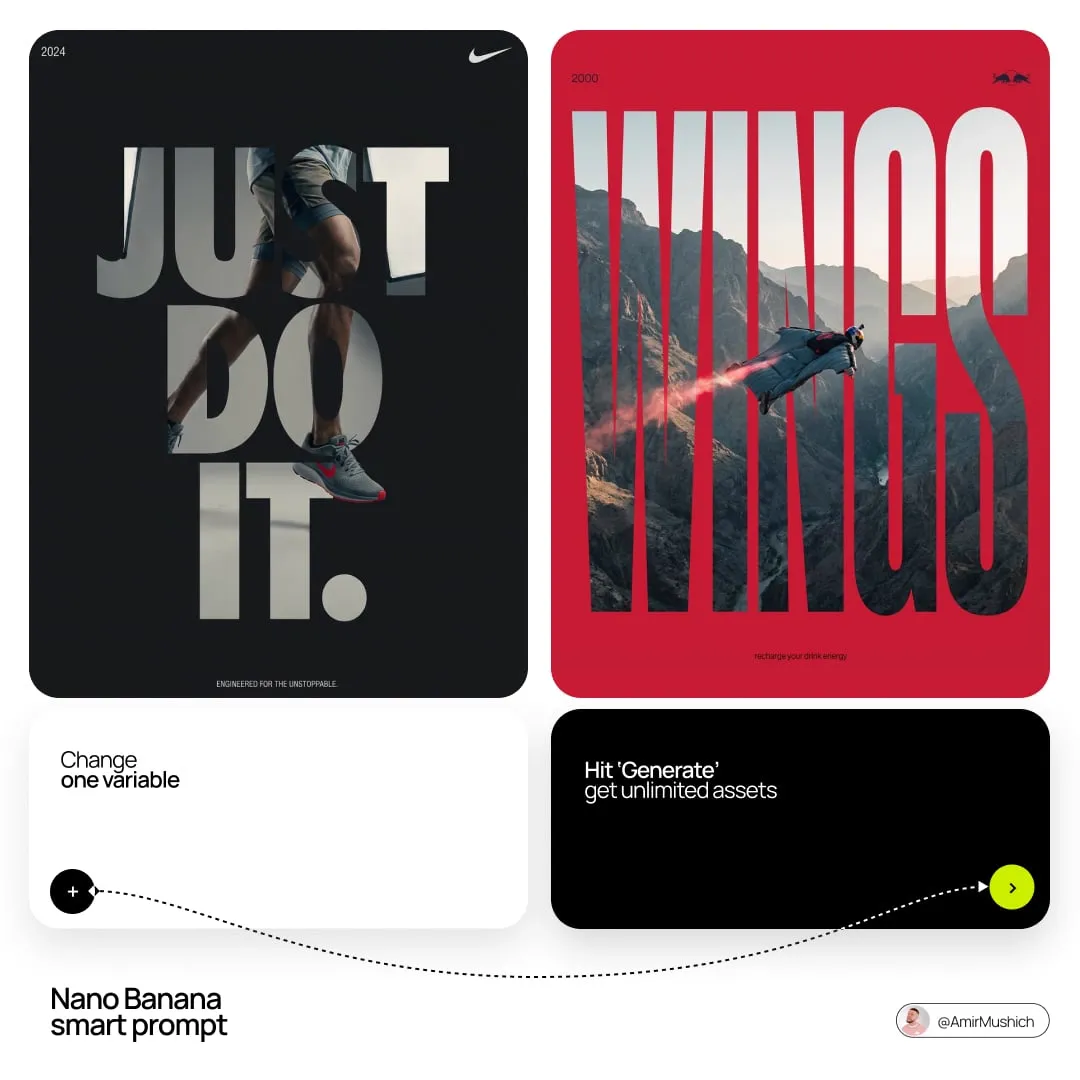
A genuinely useful modern trick is using AI-assisted image tools to hold visual consistency across an entire channel, which is harder than it sounds when every video has a different mood. The key idea is a fixed reference for your character and setting. Whether it is "the creator sitting at the same table, same warm lamp, same ceramic cup," a written scene spec that you reuse makes every video read as part of one cohesive world. Some tools also support generating consistent backgrounds and characters across many renders, which lets you experiment with new settings without losing the identity the audience has come to trust.
The Art of the Pacing and the Up-Close Transition
Pacing is the invisible director of a good ASMR video. Most successful sessions open without words. A few seconds of ambient sound, a hand moving into frame, a texture being picked up, ease the viewer in before the first whisper. The opening should signal relaxation rather than present information, because the first decision a viewer makes is "can I settle into this?"
The transition into close-up work is a signature moment you can exploit. When the frame moves in tight on a texture, the intimacy spikes sharply. Viewers describe a close-up on a satisfying action as the moment the tingle actually lands. Plan these transitions deliberately. Let the camera breathe for a beat, then move into the macro shot while the audio goes quieter and more present.
In the edit, resist the urge to over-cut. ASMR lives and dies by continuous, immersive sound. Rapid cuts shatter the trance. If you must trim, cut on material and rhythm changes where the eye is already resetting, and always keep the audio track flowing without gaps or flinches. The ear is doing the real storytelling, so the edit should serve the sound, never the other way around.
Recording Habits That Save Your Session
Nothing kills a shoot faster than discovering hours later that the audio has a problem you cannot fix. Adopt a few habits that protect your work before you start editing.
- Monitor with headphones while recording. If you rely on the camera screen to know the sound is good, you already know too late when it is not. Real-time monitoring, as plain as an audio interface or as light as a splitter, shows you the background hum and echo the moment it appears.
- Record room tone. Capture thirty seconds of silence at the recording level you used. Room tone is your best friend in editing; it fills the gaps between lines with natural, continuous background instead of a jarring silent pocket.
- Record longer than you think you need. The best material often appears in the moments you thought were dead air, a fortuitous scrape, a breath, a second take that nailed the texture. Give yourself runway.
- Back up twice. Sound files are cheap to lose and painful to redo. A second drive and a cloud copy cost nothing and prevent the worst possible outcome.
Sound Design and Post-Production That Translates Everywhere
Mixing ASMR is more about restraint than effect. The goal is a clean, intimate, evenly-loud file that does not surprise the listener when they switch devices.
File the basics: remove background hum and rumble, gently cut any harsh transients from a sudden loud tap, and normalize so the quietest whisper stays audible off-headphone, such as from a phone speaker on the bus. A gentle limiting pass prevents the occasional loud sound from blowing out the listener's volume.
Distribution-specific music is where many creators fall short. One even mix rarely serves a sleeping-session on earbuds and a mid-day browse on a phone equally well. Binaural content, remember, only works on headphones, so if you rely on three-dimensional placement, make sure the audience who needs that experience can actually hear it, and consider a fixed mono-capable mix for flat speakers.
Nothing changes results more than honest feedback. Play your finished session on a phone speaker, on laptop speakers, and on good headphones, and adjust until it feels good on all three. That single habit catches more problems than any plugin.
Content Strategy for the ASMR Niche
The quantity-versus-quality debate is decided differently in ASMR than in most niches. Long, rewarding sessions win, but regular release matters. The audience is built on trust that new material keeps arriving. A sustainable cadence, even if it is weekly, outpaces grander plans that stall.
Keywords matter in a niche that lives on search. New viewers are not scrolling casually; they are searching for a very specific feeling, "haircut roleplay," "cranial nerve exam," "tapping oak box," "rain ramble." Optimize your titles and descriptions for the specific trigger and setting you performed, because that is how the algorithm understands what your session actually offers. Honesty beats keyword-stuffing every time; if the video is a scalp-massage ramble, say so plainly and let the right people land on it.
Secondary distribution is how you grow off-platform. A forty-second cut that isolates a single satisfying trigger, a clean close-up tap with a simple caption, catches scroll-based audiences on short-video feeds and drives them to the long session on your main channel. Short teasers and long sessions are not competitors; they are a funnel.
Responding to comments is unusually valuable in ASMR because the community is intimate and often shares the specific thing they want to hear next. A single request thread can supply you with a month of listener-approved video ideas, material that is nearly guaranteed to perform because the audience asked for it directly.
Frequently Asked Questions
Do I need expensive equipment? No. A quiet room, a decent USB microphone, and a phone or basic camera are enough to produce genuinely popular sessions. Skill in pacing and trigger sequencing matters far more than hardware.
Why do my recordings sound hollow or echo-y? Almost always it is a reflective room, not a bad microphone. Add soft surfaces and move the mic closer to the source.
Is binaural audio necessary? It is optional but it is one of the easiest upgrades for headphone listeners. It fails on phone speakers, so provide a compatible normal mix too.
Can AI really help ASMR specifically? Yes, mainly on the visual side: maintaining a consistent character and setting across many videos, generating backgrounds, and drafting scene variations so your channel develops a coherent look without reshooting the same corner every week.
Settling Into a Reliable Rhythm
The secret to a popular ASMR channel is boring in the best way: show up consistently with a clean, intimate recording of sounds people want, wrapped in a calm visual world and a title that tells the searching viewer exactly what they will get. It is a genre that rewards craft, patience, and listening, three things any determined creator can practice and improve with every session.
Do not overthink the first video. Pick one trigger you genuinely enjoy, find its best texture, set up a soft light near a quiet corner, and record an unhurried fifteen minutes. Release it, listen to what the comments tell you, and make the next one a little closer to the audience that is already forming around you. That feedback loop, release, listen, refine, is the entire game, and it is one you can start winning this week.
