

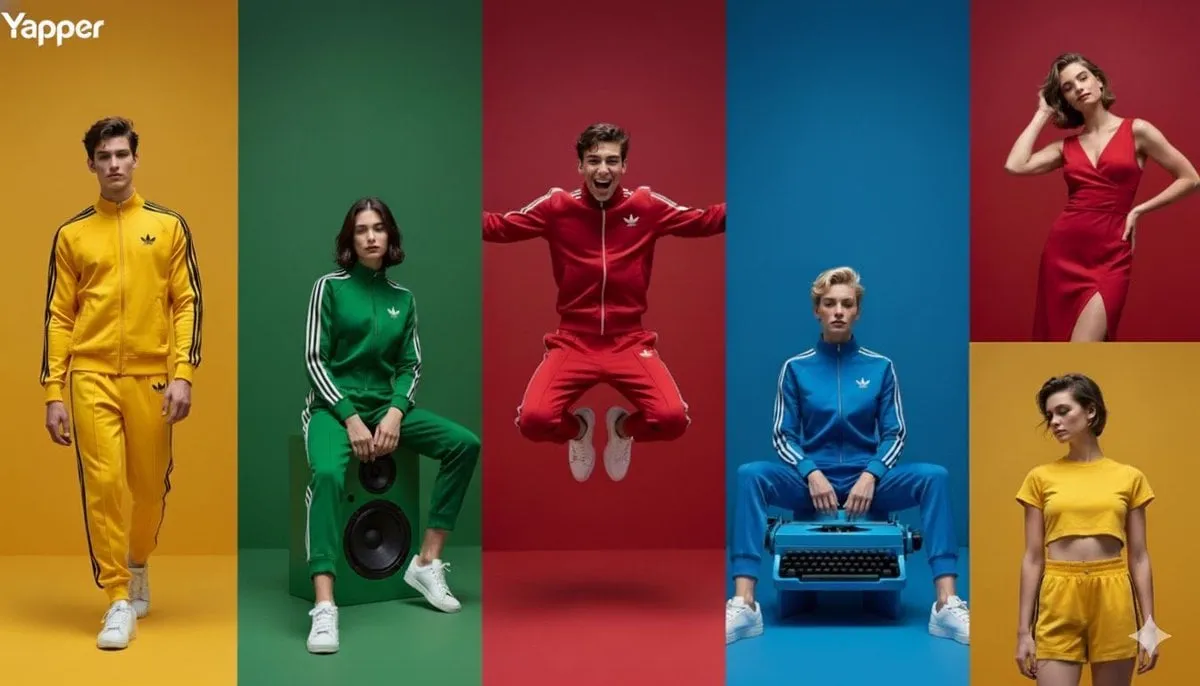
Short-form video has become the dominant way people spend time online, and TikTok sits at the center of that shift. The platform has grown from a social app into a primary search and discovery channel, and a well-made short video can reach an audience that traditional channels cannot. The challenge is that making engaging videos at volume is hard. An AI video editor changes the math: it automates the slow parts, speeds up iteration, and lets you focus on the ideas that actually stop a thumb mid-scroll.
This is a hands-on tutorial. You will learn how to plan a short video, choose the right generation model, keep your visuals consistent across clips, optimise audio, and assemble a finished TikTok you can publish today.
Why short-form video dominates right now
The attention landscape has shifted decisively toward short vertical clips. TikTok and similar platforms are no longer just entertainment; they are where people search for recommendations, learn skills, and discover creators and products.
What makes this relevant to you is the reward structure. Short-form content that hooks a viewer in the first moment can be pushed to thousands or millions of people through algorithmic recommendation, regardless of your starting follower count. That is why the quality of the opening seconds matters more than the length of the finished video.
AI editing is the practical answer to the workload this creates. Instead of spending hours on recording and editing for every post, you generate strong visuals, assemble them quickly, and spend your real effort on the story and the performance.
Plan your clip before you generate anything
Nobody likes scrolling past a dull first second, so the plan has to begin with the hook. Before you touch the editor, write down the one idea behind the video and commit to how you will communicate it in the first moment.
A useful structure for a short video is: hook, payoff, and loop. The hook grabs attention in the first few seconds. The payoff delivers the value or the surprise. The loop gives the viewer a reason to watch again, or to comment, which helps the algorithm.
Decide the platform's own conventions. Vertical 9:16 framing, bold captions, and a concise runtime all belong in the plan. Knowing your aspect ratio and where you will place text up front saves rework later.
Finally, choose a single visual anchor. One character, one place, or one style that will appear throughout the clips keeps the video feeling unified even when you generate multiple shots.
Choosing the right model for a maximum-impact TikTok
A modern AI video editor lets you select from a range of generation models, and that choice matters for the look and feel of your output. Different models emphasize different strengths, so the right pick depends on your goal.
For fast, punchy social content, choose a model that prioritises clean motion and bright, legible visuals. Eye-catching color and smooth movement tend to outperform complex realism for short-form entertainment.
For storytelling where characters matter, prioritise a model known for maintaining a coherent character and consistent style across shots. Nothing kills engagement faster than a character who changes appearance between scenes.
For brand or high-production work, you may trade some speed for a model with more detailed textures and cinematographic control.
Because choices carry trade-offs, test your first few picks. Generate a short clip with two different models, compare them side by side for your specific style, and standardise on the one that best fits the content you actually make.
Keep characters consistent across clips
Consistency is the single biggest quality difference between amateur and professional AI video, and it is especially visible in short-form where scenes intercut quickly.
The most reliable approach is to define a fixed character reference before you generate. Keep a copy of the key descriptors you use so every generation starts from the same specification of appearance, outfit, and mood.
Use the reference image or style features the editor provides. Feeding a stable starting image into each clip gives the model something to anchor to, which dramatically reduces drift between shots.
Keep camera and environment language consistent too. If your character walks through similar lighting and backgrounds in each clip, the batch of shots reads as one scene instead of disconnected fragments.
Review overlapping moments. When two clips must match at the edit point, generate them from the same reference and check that the transition feels continuous rather than jarring.
Optimise audio for the attention economy
Viewers often watch with sound on, but many also scroll with it muted. Winning on TikTok means performing well in both modes.
Start with a strong on-screen text layer. Captions and bold keywords carry the story when the sound is off, and they also reinforce engagement when read aloud. Keep them short and readable at a glance.
When sound does matter, choose music that sets the right emotional tone and never overwhelms the voice or the main beat of the edit. Sync notable cuts to the music if you can; rhythmic alignment makes an edit feel intentional.
If you add a voiceover, keep it tight, energetic, and front-loaded. Establish the point early and resist the urge to pad. Every extra second that is not earning attention is a risk.
Remember that audio and visuals should serve one idea. When the beat, the captions, and the motion all land on the same moment, the video feels cohesive and professional.
Assemble the video step by step
Once you have generated your clips, assembly is where it all comes together. Follow a clear sequence so you do not miss anything.
Layout a rough cut. Place the clips in the order of your hook, payoff, and loop. Get the story down before you polish anything.
Add the captions. Write on-screen text that reinforces the spoken or visual message, and check it fits the vertical frame.
Edit to the beat. Trim clip lengths so scene changes and emphasis land on rhythmic moments in the music.
Layer the audio. Balance music, any voiceover, and sound effects so nothing clips and the voice stays clear.
Add a consistent intro or outro element, whether it is a signature transition or a repeated visual, to make your content recognisable.
Finally, review on a phone. Short-form has to feel right in the hand, at the size and speed people actually consume it. Adjust pacing and caption size until it reads well there.
Using quality pacing and tight runtime
Runtime is a discipline many creators fumble. Longer is not better. The ideal length is the shortest that still delivers your one idea completely.
Hook in the first second and a half. Use motion, an unexpected visual, or a bold caption immediately. The first impression decides whether the rest is seen at all.
Cut fat aggressively. If a shot does not advance the hook or payoff, remove it. Each clip earns its place.
Keep momentum between shots. Short cuts read as confident and engaging when the story stays coherent; only let a shot linger when the payoff genuinely benefits from the pause.
Title the video with a clear promise. The caption or text frame up front should tell viewers exactly what they are about to get, which builds anticipation and sets expectations.
Monetisation and building a habit of quality
The point of producing short, engaging video is usually to grow an audience or a business, so being thoughtful about the broader goal is worthwhile.
Batch your work. Producing several videos in one session, using the same references and settings, is far more efficient than making one from scratch each time. Consistency across a batch also supports your recognisable style.
Track what performs. Note which hooks, formats, and visual styles earn the most watch time, and feed those learnings back into the next batch. Short-form rewards iteration more than it rewards perfection.
Keep your ask simple. Whether the goal is a follow, a save, a comment, or a purchase, state one clear next step and make it effortless.
Treat quality as a habit, not a mood. A modest but consistent standard, applied reliably, builds the library of content and the momentum that algorithmic growth depends on.
Frequently asked questions
Do I need acting or editing experience to make good TikTok AI videos?
No. The editor handles most of the technical work. Your main job is picking a strong idea, writing a compact hook, and choosing which generated clip best serves the story.
How long should each clip be?
Aim for the shortest runtime that fully delivers your idea. Many effective short videos run well under a minute, with an immediate hook and no wasted seconds.
What if my character changes between clips?
Use a fixed character reference and stable style prompts, feed a consistent starting image, and keep lighting similar. These habits drastically reduce visual drift.
Can I use the same approach for other platforms?
Yes. The vertical format, hook-first structure, and audio-conscious editing carry over to Reels, Shorts, and similar short-form placements with minor format tweaks.
Start with one strong idea
You do not need a pile of content or a long production pipeline to get started. Choose one idea you genuinely think will land, generate a small set of consistent clips, assemble them around a sharp hook, add clear captions and fitting sound, and publish.
Then watch what happens and let the data guide your second video. The tools are fast, the format rewards iteration, and every post teaches you a little more about the audience you are building. The habit of making short, engaging, well-prepared videos is the asset that compounds over time.
A reference sheet of prompt phrases for TikTok scenes
Descriptive prompts give the AI editor a clear target, so build the habit of writing them with a structure. A reliable prompt states the subject, the environment, the action, the mood, and the technical look.
For a scene of a character reacting, try something like "a young person smiling in a bright cafe, looking directly at the camera, cheerful, soft daylight, shallow depth of field". Adding the mood and the look anchors the generation.
For an product reveal, "a clean product shot on a pastel background, studio light, subtle slow zoom, high detail" tells the model exactly what kind of frame you want edited into your sequence.
For a transition moment, "a sweeping motion from a city street to an indoor room, fast camera push, day light" gives you a clip built for an edit point.
Keep a small library of these structured prompts alongside your character reference. Because you reuse the same vocabulary across videos, your content becomes recognisable, and your edits get easier to assemble.
Editing tips that lift the finished video
The gap between good clips and a good video lives in the edit. A few discipline points bring polish without complexity.
Cut on motion. Ending one clip on a moving element and starting the next in motion makes the transition feel continuous rather than hard splices.
Punctuate with beats. When a point matters, hold a half-second longer. When you need energy, cut faster. Pacing is your call, and it shapes how the video breathes.
Keep captions readable in two seconds. Place text within the safe vertical area, use a strong contrast color, and size it so a quick glance gets the message.
Match the end to the beginning. If you want the video to feel like a unit, echo a visual or a line from the hook in the final moment.
Export once, twice-check. Review the finished file on a phone before posting. A skipped caption or a clipped voiceover caught here saves you a bad first impression you cannot easily take back.
Turning one idea into a series
The biggest efficiency win in short-form is treating every idea as a series rather than a one-off. If one hook connects with your audience, the follow-up interpretations of the same topic can ride that momentum.
Break one broad subject into a sequence of distinct instalments, each with its own hook and payoff. This builds a library of related content, invites the algorithm to surface a thread, and gives returning viewers a reason to follow.
Reuse what worked. When a style, a character, or a transition earns strong engagement, adapt it to new topics instead of reinventing each time. Recognisable elements compound into a channel identity.
Let performance decide the next step. The data on your earlier posts is the best brief for the next batch. Lean into the formats that hold attention and retire the ones that do not.
The series habit turns short-form from a string of isolated experiments into a compounding system, which is exactly what sustainable growth on these platforms rewards.
Frequently asked questions
How do I get reposts or engagement from AI-made content?
Focus on the value and the format rather than the origin of the visuals. A strong hook, a clearly delivered idea, and platform-native captions drive engagement; viewers judge the result, not the tool.
Do I need a script for a sixty-second video?
A short outline is enough, roughly a hook, one main point, and a closing action. Writing three lines helps more than improvising into the deadline.
How many clips do I need to generate per video?
Start with two to five. More clips give you more edit variety, but too many generations spent on one video slows your output. Match the count to the story you are telling.
Should I worry about my AI videos looking repetitive?
Only if you repeat the same scene. Vary environments, angles, and actions while keeping the character and style stable, and the consistency reads as a brand rather than as repetition.
