
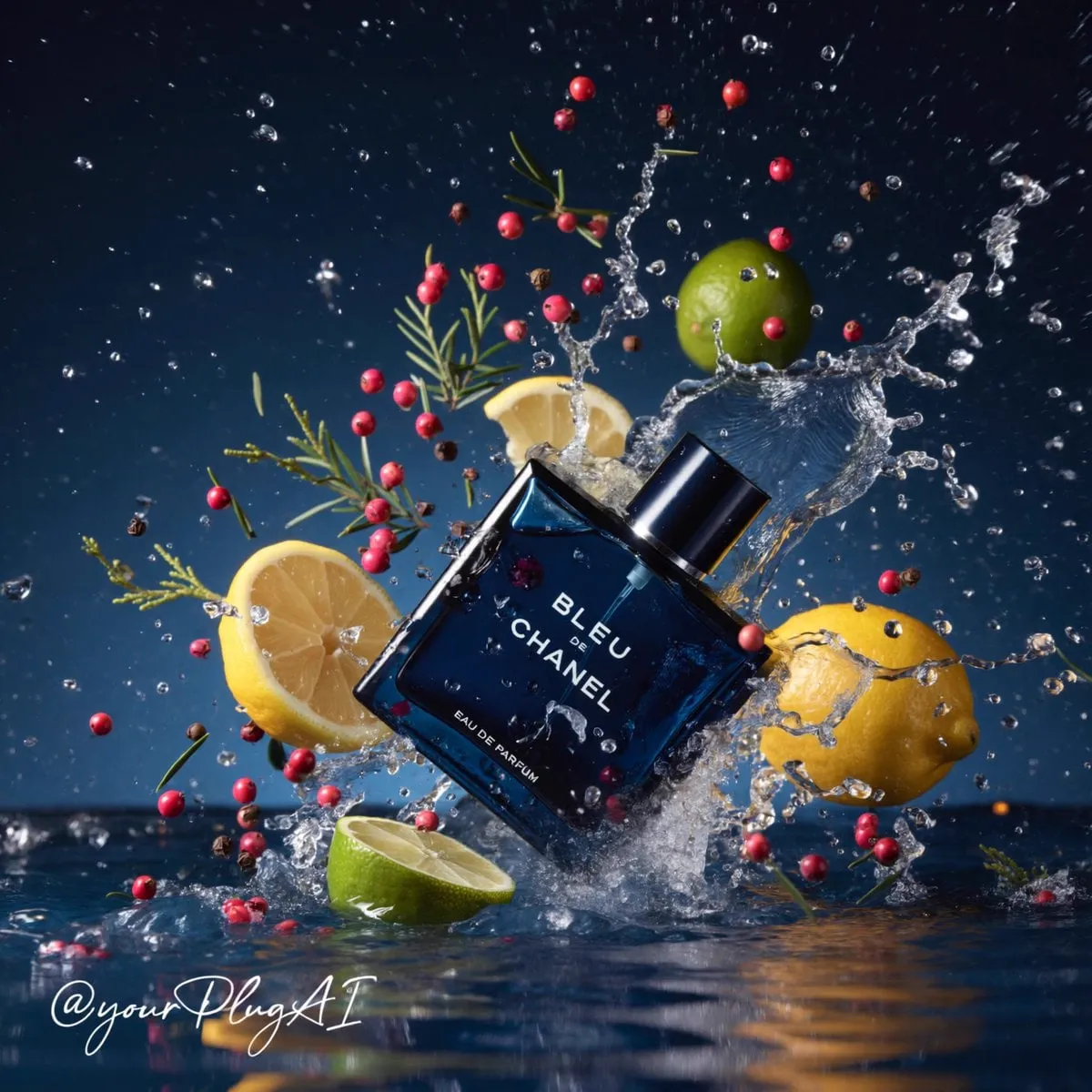
Short-form video ads have moved from an experimental channel to the center of modern digital marketing. The mechanics of social platforms reward short, visually striking clips that capture attention in the first two seconds, and the cost of producing enough of them used to be prohibitive for most businesses. Generative AI has changed that equation completely. A brand that once needed an agency, a production crew, and a month of lead time can now produce a campaign-ready video ad in hours with a text prompt and a reference image.
This guide walks through a complete, step-by-step system for producing short-form video ads with AI: defining your brand identity, choosing the right models for each goal, writing scripts and prompts that convert, keeping characters and scenes consistent, editing with sound, and scaling the whole pipeline without blowing the budget.
Why Short-Form Video Ads Are Now a Business Necessity
Attention spans on social platforms are measured in seconds, and the platforms themselves are engineered around that reality. Instagram Reels, TikTok, and YouTube Shorts all prioritize content that keeps viewers watching, which means the first frame and the first line of a video decide whether anyone sees the rest of it. Traditional advertising formats that open with a logo and a slow introduction simply do not survive in this environment.
The practical consequence is volume. A single polished video is not enough. Brands that perform well on short-form platforms publish several ads per week, testing different hooks, angles, and offers, then doubling down on whatever wins. That cadence is expensive when every video requires a shoot, an editor, and a media buy. AI production collapses the marginal cost of each new variation, which is why so many marketing teams have adopted generative video as their primary ad factory.
There is also a competitive pressure argument. When every competitor can publish daily video ads, the brands that win are the ones with the strongest creative system, not the biggest production budget. AI tools level that playing field, but only for teams that use them deliberately.
What the AI Video Toolchain Looks Like Today
The term "AI video" covers several distinct capabilities that are easy to confuse. Text-to-video models generate a clip from a written description. Image-to-video models animate a starting image, which is often much easier to control. Video-to-video models restyle or modify existing footage, which is useful for repurposing content. Understanding which mode you need for each ad is the first step to a sane workflow.
The model landscape is crowded but roughly tiered. Runway Gen-4 and OpenAI Sora sit at the top of the cinematic-quality range, producing photorealistic motion with strong scene coherence. Kling AI has built a reputation for realistic physics and natural character movement, which makes it a strong choice for product and lifestyle footage. Flux models excel at image quality and stylized looks, while MiniMax Hailuo, PixVerse, and Luma Ray 2 offer solid quality at lower cost and are ideal for high-volume experimentation.
Most creators do not interact with these models one at a time. Aggregator platforms expose a library of models behind a single interface, letting you switch between a cheap model for drafts and a premium model for the final render. Some platforms also include director-style agents that accept a script, plan scenes, and generate a sequence of shots, which is where AI production starts to feel like working with a junior film crew rather than a search box.
Step 1: Lock Down Your Brand Visual Identity First
The most common mistake in AI ad production is generating first and branding later. If you open a text-to-video tool without a clear visual identity, you will get attractive but interchangeable footage that could belong to any company. Every clip has to be recognizable as yours.
Start by writing a one-page visual identity sheet. Define your primary and secondary color palette with exact values. Describe your product or service in concrete visual terms: shape, materials, scale, and typical environment. Decide on a photography style, whether that is bright studio lighting, natural window light, or moody cinematic contrast. If you have a mascot or a recurring presenter, write a detailed character description covering age, clothing, hair, and personality, because the model needs that specificity to reproduce the same person across clips.
This sheet becomes the foundation of every prompt you write. You can also generate a set of reference images that represent the brand look and feed those into image-to-video or multi-image workflows. The goal is that a viewer should be able to scroll through ten of your ads and recognize a single coherent brand, even though each ad was generated independently.
Step 2: Map Campaign Goals to the Right Models
Not every ad needs the most expensive model, and using the wrong model for the job wastes both money and quality. Build a simple mapping between campaign types and model classes.
For product demonstrations, prioritize physical realism. Models with strong physics, like Kling AI, handle liquids, fabrics, and object interactions convincingly, which matters when your ad shows a drink being poured or a gadget being assembled. For aspirational brand films, prioritize cinematic control, which is where Runway Gen-4 and Sora lead, especially for camera movement and lighting. For stylized or illustrated looks, Flux-family models give you the most control over aesthetic, which works well for apps, games, and lifestyle brands with a distinctive art direction.
Write down the decision criteria in advance. If the ad depends on accurate product details, image-to-video from a real product photo will beat text-to-video every time, because the model does not have to invent your product from a description. If the ad depends on a specific mood, spend your budget on a premium model. If the ad is a hook test where you expect to generate twenty variations and keep one, use a budget model for the first pass.
Step 3: Write Scripts and Prompts That Convert
AI is not a substitute for marketing fundamentals. A well-generated video of a weak script still fails. Structure your short-form ad scripts around the hook-problem-solution loop that dominates high-performing social content.
The hook is the first one to three seconds. It must create a gap in the viewer's mind: a surprising claim, an unfinished situation, a direct question, or a visual anomaly that stops the scroll. The problem section makes the pain concrete and specific, ideally with a visual demonstration. The solution introduces your product as the resolution, and the final seconds deliver a clear, low-friction next step.
Once the script exists, translate it into a prompt anatomy that video models understand. A strong prompt has five parts: the subject, the action, the environment, the camera, and the lighting and mood. "A ceramic coffee mug with a matte sage finish, being filled with steaming espresso, on a minimalist oak counter, slow push-in camera, soft morning window light, warm and inviting mood" produces far more consistent results than "a coffee ad."
Keep a prompt library organized by ad type. After a few rounds of generation you will learn which phrasings your preferred models respond to, and that library becomes a genuine asset because it encodes your brand's visual language.
Step 4: Keep Characters and Scenes Consistent
Consistency is the hardest problem in AI video, and it is the difference between a professional-looking campaign and a collection of random clips. The same presenter must look like the same person in every shot, and the same product must look like the same object from every angle.
The practical toolkit has three layers. First, use reference images: generate or photograph your character and product once, then drive every video from those images with image-to-video and multi-image workflows. Second, use keyframe control where your platform supports it, locking the start and end frames of a shot so the model fills in motion between two fixed points. Third, reuse the same character description verbatim across all prompts, including the small details that anchor identity such as hair, clothing, and distinguishing features.
Apply the same discipline to scenes. If your campaign takes place in a specific location, define it once with a reference image and reuse it. The goal is a production bible that every AI generation reads from, exactly like a traditional film production would use.
Step 5: Edit, Add Sound, and Localize
Generation produces raw footage, not finished ads. Editing is where raw clips become persuasive videos, and it is also where you differentiate your brand, because every brand can now generate similar footage.
Assemble the winning shots in a timeline that follows your script's hook-problem-solution structure. Keep cuts fast but readable. Add captions burned into the video, since a large percentage of social video is watched on mute, and caption style is a subtle but powerful brand signal. Choose music that matches the emotional arc, using AI music or voice tools when you need an original track that will not trigger copyright claims.
Localization deserves its own step. If you market in multiple regions, plan for translated captions, subtitles, and voiceover from the start. Modern AI voice synthesis makes dubbing practical and affordable, and re-rendering localized versions of an ad is dramatically cheaper than reshooting. Keep source text short and modular so that localization never requires regenerating the entire video.
Step 6: Test, Iterate, and Scale
The production system pays off at the testing stage. Generate multiple hooks for the same product, render each as a complete ad, and push the variations into paid or organic rotation. Let performance data choose the winner rather than your personal taste.
Set up a simple testing rhythm. Weekly, define the product or offer to feature. Produce three to five hook variations and two versions of the core message. Launch the variations, review engagement and conversion metrics, and feed the winning patterns back into your prompt library and script templates. Over a few weeks, this loop compounds: each cycle makes your prompts sharper, your hooks stronger, and your production faster.
Scaling is the reward for a working system. When you have a repeatable prompt library, reference assets, and testing rhythm, adding more ad variants is nearly free. That is when businesses start outperforming competitors who still treat every video as a one-off production.
Budgeting for AI Video Production
A realistic budget model separates draft quality from final quality. Plan to spend most of your generation budget on the last 20 percent of videos that make it to a final render, and use cheap models for exploration. Count iteration costs: every rejected draft still consumed compute, so invest in the prompt library and reference assets that reduce rejection rates.
Audit your usage monthly. Look at which models produced the ads that actually performed, and shift budget toward them. Look for repeated failures, such as a model that consistently mangles your product logo, and remove it from your rotation. The goal is not to spend less, but to spend where the return is measurable.
FAQ
How long does it take to produce one AI video ad?
After the initial setup of identity assets and prompts, a single ad can go from script to finished video in a few hours. Variations are faster, often under an hour each.
Do I need a video editor if I use AI tools?
Yes, at least a light one. Editing, captions, sound, and pacing are what turn generated clips into ads, and a simple editing tool plus a caption template is usually enough.
Can AI video models use my real product photos?
Most platforms support image-to-video, so yes. Feeding a real product photo is the most reliable way to keep product details accurate.
How do I avoid generic-looking AI footage?
The brand identity sheet and reference assets described in this guide are the answer. Generic footage comes from generic prompts, so specificity at the identity stage is the real fix.
Is AI-generated ad video safe for copyright?
Generated output is generally treated as your own creative work, but the safest approach is to avoid prompting for real people, celebrities, or copyrighted characters, and to use original or licensed music.
What should I do first?
Write the one-page brand visual identity sheet. Everything else in this system depends on that foundation.
