
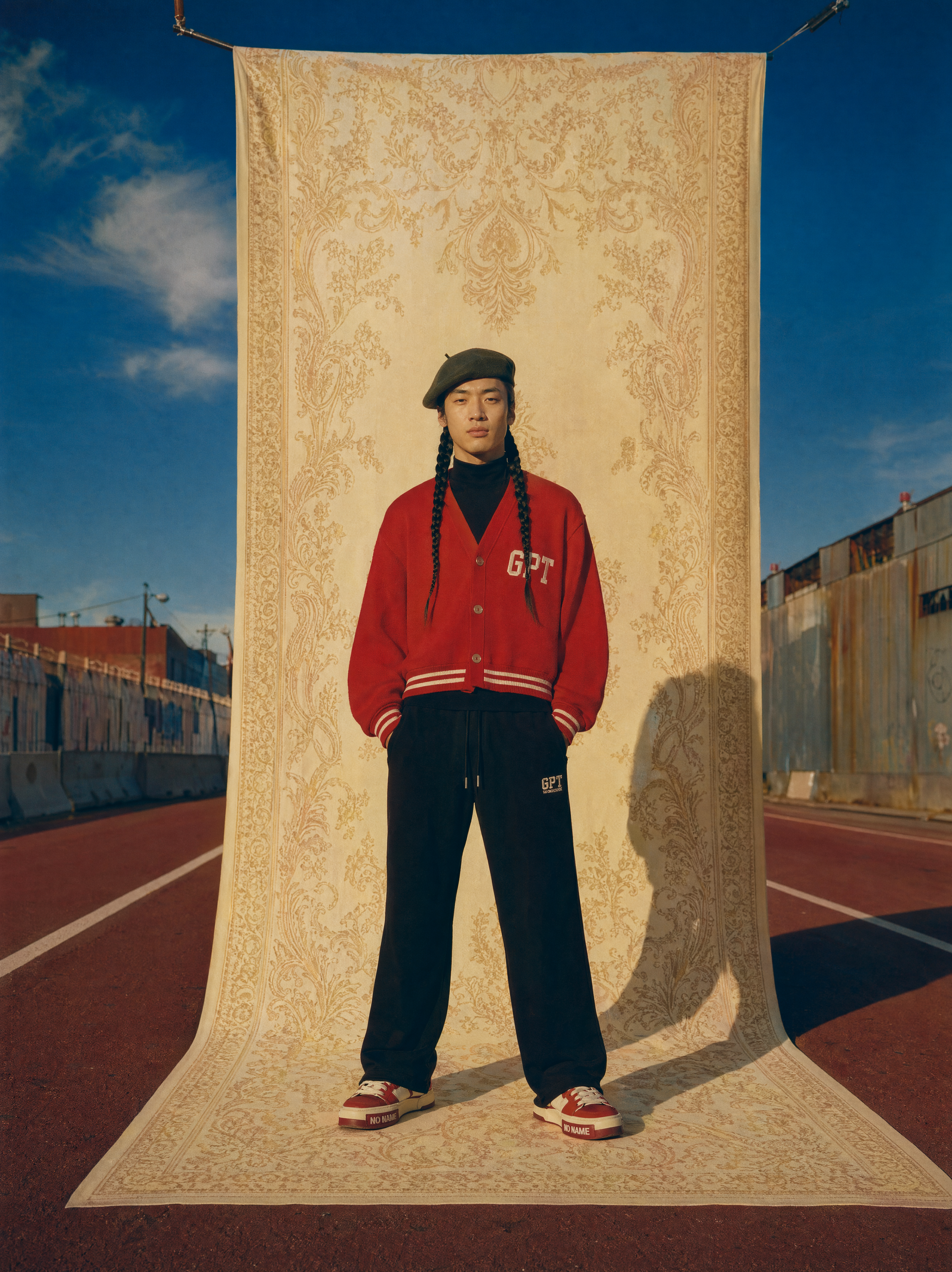
The looped video is one of the oldest tricks on Instagram, and it is still one of the most reliable. A well-made boomerang stops the thumb, earns a second watch, and often earns a share, because a seamless loop feels almost like magic. In a feed where a video has less than a second to prove itself, that small illusion matters more than most creators realize.
This guide covers the whole chain: planning a loop before you shoot, the camera techniques that make boomerangs smooth, fixing loops in post, using AI to style and extend clips, creating "hidden" boomerangs, and turning a simple text idea into a finished Reel. The goal is not a one-off flashy effect but a repeatable process you can run every week without burning out.
Why Looped Video Still Wins in a Feed Built for Speed
Short-form platforms reward completion. When a viewer watches a video to the end, the algorithm assumes the content is good, and the platform shows it to more people. A seamless loop exploits this by removing the ending entirely. The video never technically finishes, so the watch session stretches, the rewatch rate climbs, and both signals push the post further.
Boomerangs have two extra advantages. First, they are cheap to produce: one action, a few seconds of footage, and the loop is done. Second, they work without sound. Most Reels are watched muted in public, and a visual-only loop does not depend on audio to land its effect. That makes the format ideal for the first three seconds of any Reel, even when the rest of the video is a longer narrative.
The practical takeaway: keep a boomerang in your regular posting mix, and use it as an opener, a transition, or a self-contained post when you have no time for a full production.
Plan the Loop Before You Press Record
The single biggest mistake in boomerang creation is thinking about the loop after recording. By then it is usually too late. The loop is decided by the motion you capture, so you need to design the movement before the camera rolls.
Ask three questions before every take:
- What is the start frame? The subject should begin in a visually interesting position, not halfway through a gesture.
- What is the end frame? The end frame must be identical or nearly identical to the start frame, because the reverse play will return to it.
- What is the direction of motion? Motion that travels along one axis, then back along the same axis, loops cleanly. Motion that changes direction mid-clip, such as a spin, often produces a visible jump.
Predictable, repetitive actions are your friends: jumping, waving, pouring, bouncing, walking in place, throwing and catching. Actions with an obvious midpoint, like a hair flip or a hat tip, also work because the reverse reads as a natural return.
If you can, storyboard the loop with two thumbnails, one for frame one and one for frame last. If the two frames look like the same moment from the same angle, the loop will almost always work.
Shooting Techniques for Seamless Boomerangs
The camera setup does most of the work. These habits separate professional loops from jittery ones.
Lock the camera down. A handheld boomerang can work for an intentional shaky look, but for clean loops use a tripod, a gorillapod, or any stable surface. Shake is the most common reason a loop visibly jumps.
Use a burst or a continuous mode. Instagram's native boomerang captures a short burst, but you get far more control by shooting a normal video clip at 30 or 60 frames per second and converting it later. Extra frames give you room to trim the exact loop point.
Keep exposure and focus fixed. Auto-exposure will brighten and darken the clip as the subject moves, which reads as a flicker at the loop seam. Tap and hold to lock exposure and focus before recording, or switch to manual controls if your phone supports them.
Simplify the background. Busy backgrounds make seamlessness harder to notice and easier to break. A clean wall, a consistent sky, or a plain surface lets the viewer focus on the motion and makes the loop feel intentional.
Shoot a little longer than you need. Record at least five seconds of action. The extra footage is your raw material for finding the perfect start and end frame in editing.
Fixing the Loop in Post
Even with good planning, most clips need a small edit to become truly seamless. The core workflow is simple: find the frame where the motion peaks, cut there, and let the reverse handle the rest.
In a standard video editor like CapCut, Premiere, or DaVinci Resolve:
- Import the clip and play it frame by frame.
- Identify the moment where the action is at its most dynamic but the position and framing match the beginning of the clip.
- Cut the clip at that frame and duplicate it in reverse.
- Play the sequence on repeat and look only at the seam. If there is a jump, nudge the cut point by a few frames in either direction.
- Add a tiny crossfade of two to four frames across the seam if the jump will not disappear any other way. A short fade hides minor mismatches without being visible to most viewers.
For an even smoother result, some editors can generate intermediate frames between the last and first frame using optical flow or AI interpolation. This is the technique behind the "hyper-smooth" loops you see from big accounts: the interpolation fills the tiny gap that the reverse cannot.
Stylizing a Boomerang with AI Models
Once the loop is technically clean, the next level is style. A plain loop of someone jumping is fine; a loop of someone jumping in the style of a vintage film, a watercolor painting, or a sci-fi render is shareable.
This is where image-to-video and video-to-video AI tools come in. Several modern generators accept an input clip or a still frame and return a stylized version: Runway's video tools handle motion transfers well, Kling and Pika are strong at maintaining subject identity through a restyle, and Flux-based pipelines are known for photorealistic look transfers. The general approach is the same for all of them:
- Export a high-quality frame or a short clip from your boomerang.
- Write a prompt that describes the target style explicitly: "watercolor illustration, soft edges, bright colors, keep the original motion" or "1980s VHS footage, grainy, natural motion".
- Generate a short stylized clip and check the motion against your original.
- If the model changes the movement too much, use a lower style intensity or feed it more reference frames.
Keep the style prompt simple. The longer and more contradictory the prompt, the more likely the model will drift from your original motion.
Creating the "Hidden" Boomerang
The hidden boomerang is a clip that looks like a normal video on the first watch and only reveals its magic when it loops. The object appears to vanish, the scene changes slightly, or a person teleports to a new position. Viewers usually notice on the second or third loop, which is exactly the moment they decide whether to share.
The technique is a controlled version of the same principle: make the first and last frame feel like different moments while the motion stays continuous. Common patterns:
- Disappearing object: a cup is on the table at the start and gone by the loop point. The reverse play makes it vanish and reappear.
- Scene morph: the background subtly changes between frame one and frame last, so the loop feels like a time shift.
- Person swap: two people start in the same pose and end in swapped positions.
With AI, you can push this further. Generate a "last frame" with a generator that supports frame-to-frame continuation, then feed that last frame back into the loop. The model handles the morphing between the frames, and your job is simply to align the two end states.
From Text to Finished Reels
Boomerangs are one piece of the Reels puzzle. For days when you need volume, a text-to-video workflow lets you produce short clips from a written idea in minutes.
Start with a tight prompt. State the subject, the action, the setting, the lighting, and the mood in one or two sentences. A prompt like "a red fox jumping into fresh snow, slow motion, golden hour, shallow depth of field" will outperform a vague one like "fox video".
Match the model to the job. If the clip needs to look like real footage, choose a photorealistic generator. If it needs character consistency across several clips, choose one with strong reference-image support. If it needs to be fast and cheap, choose a lighter model and accept slightly lower fidelity.
Keep the format in mind. Reels are 9:16, so generate vertical output or plan to crop. Leave headroom in the frame for captions, and keep the most important action in the center third of the screen where the interface does not cover it.
Sound, Music, and Timing
The loop is visual, but the post is audiovisual. Music selection and timing decide whether the loop feels satisfying or accidental.
Drop the beat exactly on the loop point. When the video is a continuous loop, the music should also loop, and the strongest moment of the track should land precisely at the cut. Most editors let you place a marker on the beat and snap your clip to it.
Use sound design for physicality. A soft whoosh for a jump, a click for a snap, a splash for a pour: small foley details make the loop feel real and satisfying even at low volume.
Match audio length to loop length. If your loop is 2.4 seconds, a 2.4-second musical phrase is ideal. If you use a longer track, cut it at a phrase boundary so the loop does not cut a note in half.
Publishing, SEO, and Growing With Reels
The best loop will not grow an account by itself. Publishing discipline matters.
Write the caption for search, not just for people. Instagram now indexes captions, alt text, and even spoken words in video. Include the topic clearly: "how to make a boomerang", "loop video ideas", "smooth boomerang tutorial". Use plain keywords naturally, not hashtag spam.
Keep the hook in the first second. Because the loop is seamless, the viewer may join at any point, so make the entire loop interesting, not just the opening. A strong subject, clear motion, and good color do more than a verbal hook that only works from frame one.
Post consistently and review the data. Track rewatch rate, shares, and profile visits, not just views. A high rewatch rate means the loop is working; a high share rate means the concept is working. Iterate on whichever metric is lagging.
FAQ
What makes a boomerang look professional? A stable camera, locked exposure, one clean axis of motion, and a cut point where the first and last frame match. Everything else is decoration.
Can I make a boomerang from an existing video? Yes. Any clip with a clear start and end can be looped if you trim it to the right moment, reverse it, and smooth the seam. AI interpolation helps with clips that do not match perfectly.
Why does my boomerang flicker? Usually exposure or focus drift. Lock both before recording, and avoid moving light sources in the frame.
How long should a boomerang be? Two to four seconds is the sweet spot. Long enough to show the action, short enough to loop quickly.
Do I need expensive gear? No. A modern phone, a cheap tripod, and a free editing app cover 90 percent of what matters. Gear improves convenience, not loops.
What is the fastest way to create a Reel from scratch? Start from a text prompt, generate a vertical clip with a reliable model, add a caption keyword block and a beat-synced track, and publish. With practice, the whole loop takes under fifteen minutes.
