
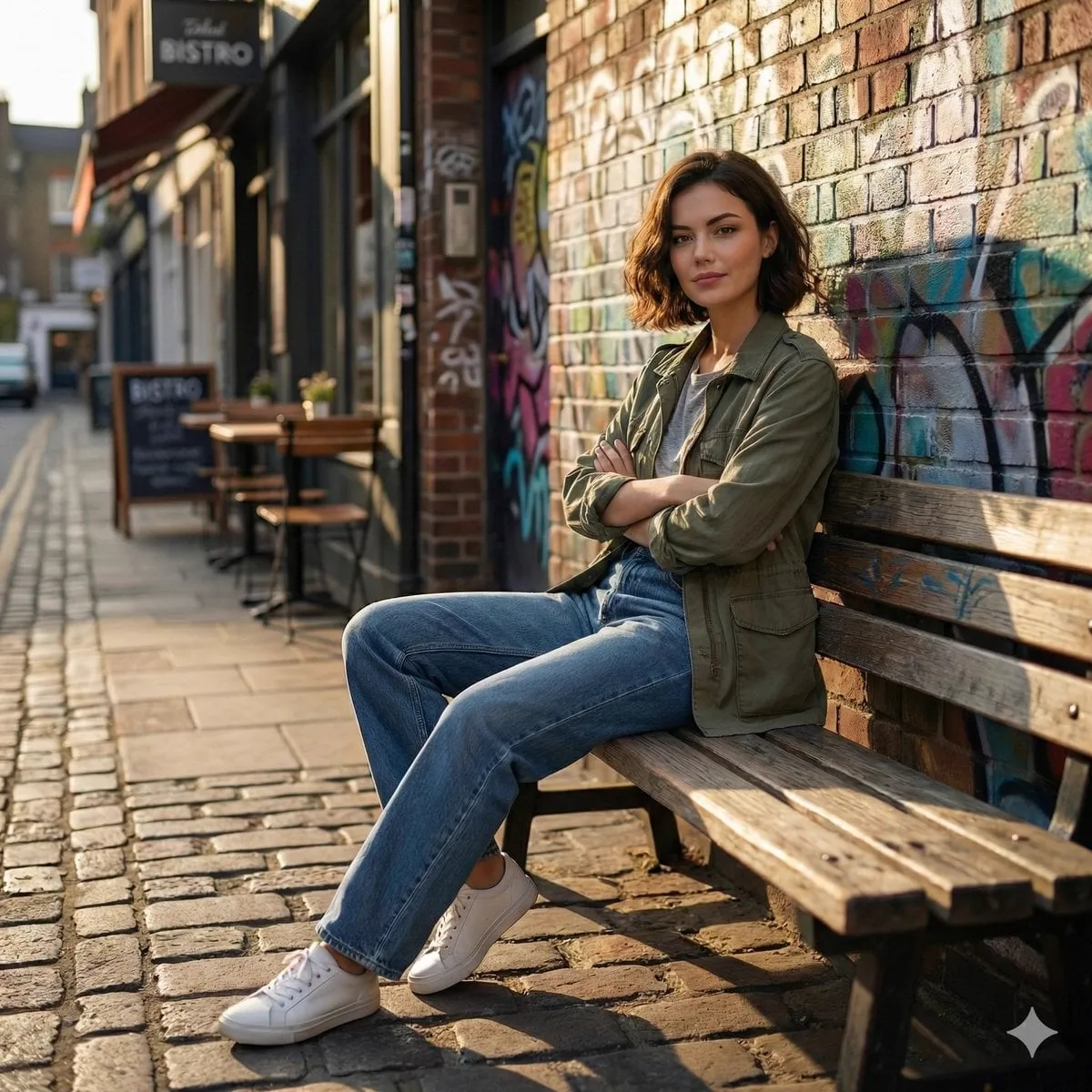
Image-to-video conversion is one of the most dynamic areas of content production in 2025. The AI-assisted video creation market is projected to grow by roughly 45 percent, and the ability to turn static images into moving, cinematic sequences has become essential for creators who want to stay competitive. Whether you are animating product shots, turning concept art into motion, or applying anime effects to bring illustrations to life, the underlying discipline is the same: choose the right model, prepare the right inputs, and maintain consistency.
This guide collects the best practices that separate professional image-to-video work from amateur results, with special attention to AI filters and anime effects.
The Current Landscape
Image-to-video conversion is redefining the foundation of content production. As of 2025, creators no longer need weeks of traditional rendering to turn raw images into complex animations or cinematic sequences. The technology has moved from novelty to necessity, and the competitive advantage now belongs to those who understand the craft rather than just the tools.
1. Model Selection and Strategy
1.1 Choosing Models for Visual Consistency
The first and most critical step in image-to-video conversion is selecting the model that best fits the project requirements. In 2025, there are clear differences between models in terms of purpose and cost. Some are built for photorealistic physics, some for stylized aesthetics, and some for speed.
For projects that demand visual consistency, prioritize models with strong reference support. The ability to feed the model reference images of the subject, and have it respect those references across frames, is the single most important feature for professional results.
1.2 Prompt Engineering and Visual Input Optimization
The quality of a model's output depends largely on the quality of its input. In image-to-video, prompt engineering is not limited to text; it also covers how you prepare the visual input. A clean, high-resolution, well-lit source image gives the model a solid foundation, while a noisy or poorly composed image forces it to compensate and produces artifacts.
When writing prompts for image-to-video, describe the motion and camera behavior precisely: what moves, in which direction, at what speed, and how the camera relates to the subject. Keep the description of the subject itself minimal, because the image already defines it. This division of labor, the image owns identity, the prompt owns motion, is the core of effective I2V prompting.
1.3 Advanced Model Fusion for Video Continuity
Animating a single frame is not enough; you need a connected sequence. Advanced model fusion techniques maintain scene consistency across multiple generations, so a character or environment remains coherent when you extend a clip or stitch segments together. This is especially important for anime work, where style drift between segments is immediately visible.
2. Deep Dive into Anime Effects and Stylization
2.1 The Role of AI Filters in Anime Style Transfer
AI filters have made anime style transfer dramatically more accessible. A photograph can be converted into anime-style art, and then animated, all within a single pipeline. The key to convincing results is consistency of the style itself: line weight, color palette, shading conventions, and background treatment must stay uniform across every frame.
The practical approach is to establish the style in a reference image first, then animate that reference rather than trying to apply the style during animation. Style-first, motion-second is a reliable order of operations.
2.2 Consistent Character Creation with Multi-Image Fusion
Anime characters are defined by highly specific visual traits, hair color, eye shape, costume details, and proportions, which makes consistency challenging. Multi-image fusion is the technique that solves this: provide the model with several reference frames of the character, and it maintains those traits across scenes and camera angles.
For anime specifically, build a character reference sheet before production: front view, side view, full body, and key expression. Feed these to the model and reference them in every prompt. The investment in preparation pays off in every subsequent generation.
2.3 Surrealist and Experimental Animation with Filters
Beyond straightforward anime conversion, AI filters enable surrealist and experimental animation. Creators can apply dreamlike distortions, abstract color grading, and impossible physics, then animate the results. This is where the technology gets genuinely fun, and where experimentation is rewarded. The discipline of consistency still applies, but the rules of the world are yours to define.
3. Efficiency and Professional Workflow Integration
3.1 Task Queues and Resource Management
Efficient production depends on managing generation resources intelligently. Task queues keep high-priority work moving, prevent interactive jobs from being blocked by background renders, and make batch generation practical. For a creator producing multiple clips, this is the difference between a smooth afternoon and a frustrating wait.
3.2 Cinematic Automation with AI Director Assistants
AI director assistants bring cinematic automation to image-to-video workflows. They can propose shot structures, camera moves, and pacing, turning a single image into a storyboard with motion. For creators who think visually but lack cinematography training, this capability closes a significant gap.
3.3 Adding Voice and Music to Image-Based Outputs
A complete video needs more than visuals. Voiceover and music transform an animated image sequence into a finished piece of content. Modern production suites integrate narration, sound effects, and music libraries directly into the workflow, so the final assembly happens in one place rather than across half a dozen tools.
4. Maintaining Anime Character Consistency
4.1 Building the Correlation Between Visual Cues and Prompts
The most reliable way to maintain consistency is to build a clear correlation between visual cues and prompt language. Establish a naming convention for your character and style references, and use it consistently in every prompt. The model learns that "character A" always refers to the same reference sheet, and that "style B" always means the same aesthetic parameters.
This systematic approach turns consistency from a hope into a process. When a character drifts, you can trace the cause to a prompt that failed to reference the right asset, and fix it rather than starting over.
Photorealistic or Stylized: Choosing Your Lane
Before starting a project, decide which visual lane you are in, because the two lanes demand different tools and habits.
Photorealistic work lives or dies on physics and believability. Motion must obey the world's rules: weight, momentum, and light. Model choice skews toward realism-first systems, and the discipline is restraint, describing only motion that physics supports. Stylized work, anime being the biggest category, lives or dies on consistency of the style itself. The world does not have to obey physics, but it must obey the style's own rules: line weight, color logic, and motion conventions.
The mistake is mixing the lanes unconsciously. A photorealistic scene that suddenly renders anime-style shading reads as an error, not an artistic choice. Decide the lane up front, build the references for it, and keep every generation inside it. You can intentionally blend lanes later as an experiment, but do it deliberately, not by accident.
Example: Anime Music Video from a Single Illustration
A creator wants to produce a thirty-second anime-style music video but has only one finished illustration of the main character. The traditional path, hiring animators or learning frame-by-frame animation, is out of reach. The image-to-video path makes it possible in an afternoon.
The illustration becomes the character reference. A reference sheet is generated from it: close-up, full body, and two expressions, all in the same line-art style. The music track is analyzed for its beat structure, and the creator maps visual beats to musical beats: a slow zoom on the first chorus, a fast pan on the drop, a freeze-frame on the final chord.
Each beat becomes a segment. The creator writes a motion prompt per segment, using the character reference and a consistent style tag. Fast models generate the first pass of all segments; the creator reviews, regenerates the weak ones with tighter prompts, and upgrades the hero segment to a premium model. The voice studio adds a short vocal hook, the music library provides the backing, and the segments are stitched into a final cut.
The result is a music video with consistent character design, deliberate visual rhythm, and a finished sound layer, produced from a single image by one person. The technique scales: change the music, change the motion prompts, and the same character can star in a different video next week.
Common Style Drift Issues and Fixes
Style drift, where the visual identity changes subtly between segments, is the most common failure in stylized image-to-video. The fixes are systematic.
Lock the style in a reference image, and reference it in every prompt. Do not rely on style keywords alone; keywords are interpreted differently by different models and even different runs.
Standardize the generation settings. Keep resolution, aspect ratio, and quality settings identical across segments. Changes in settings change the rendering, which reads as drift.
Generate all segments of a sequence with the same model. Switching models mid-sequence is the fastest way to introduce drift, even with strong references.
For anime specifically, keep the line treatment consistent. Specify line weight and color handling in the style reference, and avoid describing different shading conventions in different prompts.
If drift persists, use segment stitching that blends the final frames of one segment with the first frames of the next, so transitions mask residual differences.
A Practical Workflow for Image-to-Video with Style
- Prepare a clean, high-resolution source image.
- Create a style reference (anime, filmic, surreal) and a character reference sheet if needed.
- Write a motion-focused prompt: subject, camera, movement, and atmosphere.
- Run a fast test pass to check style and motion.
- Generate the final version with the quality model.
- Add voiceover and music, then review the full sequence.
- Archive the references and prompts for reuse in the next project.
FAQ
Can any image be converted to video?
Most images can be animated, but the results depend on the source quality and the motion you request. High-resolution images with clear subjects animate far better than cluttered or blurry ones.
How do I stop anime characters from changing appearance between clips?
Use a character reference sheet with multiple angles, feed it to the model as reference images, and use consistent naming in every prompt. For long projects, consider a custom-trained model.
Are AI filters enough to create professional anime content?
Filters handle the style; the craft is in the prompts, the reference preparation, and the consistency discipline. Professional results come from the whole workflow, not the filter alone.
What is the best way to learn image-to-video quickly?
Pick one model, master its reference and consistency features, and produce a complete short project. Depth in one workflow teaches more than superficial familiarity with many.
Do AI filters work on any art style?
Filters are strongest when the target style is well represented in the model's training data. Anime and filmic styles transfer reliably; niche or highly specific art styles may need a custom-trained model for convincing results.
How do I know when a clip is good enough to ship?
Review on the criteria your audience will notice: character identity, style consistency, motion believability, and audio-visual alignment. If a clip fails any of these and you can name why, regenerate with a targeted fix rather than shipping a known weakness.
Should I prepare separate references for every project?
Maintain a shared style library and reuse it. Characters get their own reference sheets; environments and styles can be shared across projects with consistent naming. The less you rebuild from scratch, the faster and more consistent your output becomes.
Conclusion
Image-to-video conversion with AI filters and anime effects is one of the most rewarding creative workflows available in 2025. The technology is powerful, but the results depend on craft: choosing the right model, preparing clean inputs, writing motion-focused prompts, and maintaining consistency through reference systems. Master those practices, and you can turn a single still image into a finished, stylized video that looks intentional rather than generated.
