
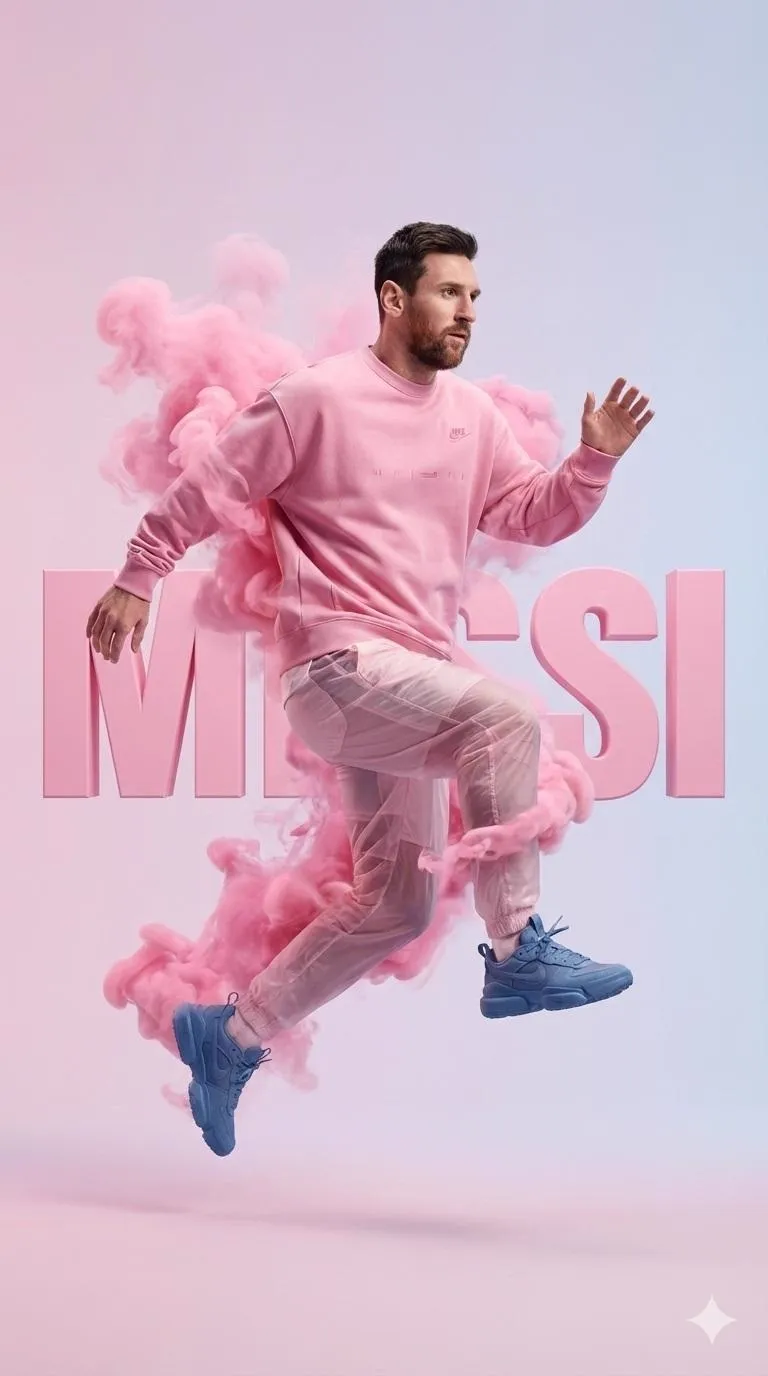
A single powerful image can carry a whole idea. What it cannot do, on its own, is move. Image-to-video AI fills that gap: it takes a still frame and animates it into a short clip, adding motion to what was frozen. This is one of the most practical generation techniques available, because it starts from something you can actually see and control. Instead of describing a scene and hoping the model pictures it the way you do, you hand the model the exact image and ask it to bring it to life. This guide explains how image-to-video works, what it is good at, and how to build a workflow around it.
Why Image-to-Video Is Different from Text-to-Video
Text-to-video starts from nothing but words. You describe a scene, and the model invents the entire frame, which is powerful and also unpredictable. Image-to-video starts from a frame you already approve. The composition, the subject, the mood, and the color are already locked; the model only has to figure out how the scene moves.
That small difference changes the workflow completely. With text-to-video, you iterate on prompts to chase a visual. With image-to-video, you spend your effort on making a strong source image, then iterate on motion. The source image is the contract between you and the model, and it makes results far more controllable.
This is why image-to-video has become the backbone of professional AI production. Concept art becomes motion tests. Product shots become product videos. Character portraits become character scenes. Anything you can render as a still image, you can now turn into footage.
How the Technology Actually Works
Under the hood, image-to-video models learn the relationship between static frames and the motion that connects them. Training data contains millions of video clips, and the model learns what typically moves, how, and at what speed. Given a start image, it generates the subsequent frames by predicting plausible motion consistent with what it sees.
The quality of the result depends on a few factors. The source image needs to be detailed enough for the model to understand what it is looking at; a blurry or ambiguous image produces muddled motion. The motion itself should be within the model's wheelhouse: walking, camera pans, water, wind, and simple object movement are reliable, while complex physics like fabric tearing or precise facial expressions are harder.
The modular approach that many production pipelines use breaks generation into components. The image is processed into a set of visual elements, the scene is analyzed for what should move and what should stay still, and the motion is generated in calibrated steps rather than all at once. This is why a well-structured pipeline produces steadier results than a single blind generation: each stage has a clear job, and failures are easier to isolate and fix.
In practice, this means you can steer the process. You can tell the model what should move, what should stay static, and how much motion is appropriate. Camera language matters too: a slow push-in feels different from a whip pan, and you can request either from the same source frame.
What Image-to-Video Does Exceptionally Well
The technique shines in specific situations worth knowing about.
Character work is the biggest one. If you have a character design you love, image-to-video keeps that design intact because it starts from it. Generate a portrait, then animate the character walking, turning, or reacting. This is the foundation of AI-driven animation and narrative work, because the character looks the same in every shot, which is the hardest problem in generative video.
Product and brand content is another strength. A product render can become a rotating hero shot, a lifestyle scene, or a detail close-up with minimal effort. Brands can produce consistent visual language across an entire campaign because every video starts from approved art direction rather than a fresh prompt.
Concept visualization lets filmmakers and designers test ideas before committing to a shoot. A storyboard frame becomes a motion test; a concept sketch becomes a proof of concept. The cost of testing an idea drops to almost nothing, which changes how many ideas you can afford to explore.
Style transfer is the bonus use case. A strong still image in a specific style can be animated while keeping that style, which is hard to achieve with pure text generation. If you have a painterly illustration or a retro poster, image-to-video can move it while preserving the look.
Building a Reliable Workflow
The workflow below turns image-to-video from a toy into a repeatable production step.
Create the source image with intent. The image is the boss of the clip, so make it strong: clear subject, good composition, defined light. If you are generating the image with AI, spend real effort on the prompt and the selection, because every flaw in the still will be amplified once it moves.
Define the motion in a sentence. Decide what moves, what stays, and the camera feel. Write it down before you prompt. "The hero turns to camera as rain falls, slow push-in" is a complete direction; "add some motion" is a wish.
Generate short, focused takes. A five-second clip that does one thing well beats a fifteen-second clip that does several things badly. If the scene needs more, generate the next beat as its own clip and cut them together.
Use multiple reference frames when available. Some pipelines accept several images, which is invaluable for characters: feed the front and side views, and the model has a much better sense of the subject's identity when it moves.
Review motion quality, not just visual quality. A beautiful frame with jittery movement is a failed take. Watch the clip for physics, stability, and naturalness before you celebrate it. If the motion is wrong, regenerate with different motion language rather than patching it in post.
Solving the Movement and Consistency Challenges
Two problems dominate image-to-video work: motion artifacts and identity drift.
Motion artifacts are the visible signs that generated frames are approximations: flicker, warping, limbs that bend unnaturally. They are most common with fast motion, complex scenes, and subjects the model does not recognize well. The mitigations are practical. Keep motion moderate; a subject that moves a lot gives the model more room to fail. Keep the background simple or locked when possible. And use tools that let you control the amount of motion, starting gentle and increasing only as the take allows.
Identity drift is the character problem from the still's perspective: once the subject moves, its face, clothing, or proportions subtly change. The fix is reference discipline. Start every character clip from the same locked design image. Feed multiple frames when the pipeline supports it. And keep the prompt language for the subject identical across every take, changing only the action.
Batch review is the habit that catches both problems early. Generate the takes, put the frames side by side, and check identity and motion before moving to the edit. The cost of catching a problem at the frame stage is one regeneration; the cost of catching it in the final cut is a re-edit.
Real-World Uses Across Industries
Image-to-video is not just for filmmakers. The practical applications span most of the economy.
Marketers use it to turn static campaign visuals into social video without a shoot. One approved key visual becomes a family of clips for different platforms and aspect ratios. E-commerce teams animate product photography for listings, ads, and unboxing content.
Educators animate diagrams, maps, and historical images, turning flat teaching materials into visual explanations. A chart that moves with narration is easier to follow than a static slide.
Game studios and animation teams use it for concept exploration and previsualization. A character concept becomes a motion test that informs the actual production. It is cheap to explore many directions before committing to one.
Independent creators use it to produce consistent series content. A signature visual style, once established in stills, carries across every episode because each clip starts from the same art direction.
Architecture and real estate teams animate renders and photographs, turning a static building visualization into a walkthrough that buyers can feel. Journalists and historians animate archival images, giving old photographs a life that draws viewers into stories that still frames cannot tell. Even personal projects benefit: a wedding album becomes a moving montage, a travel photo becomes a short film, and the barrier to trying any of these is simply the cost of one generation.
The common thread across every industry is the same. The work starts with a still that someone already approved, and the video inherits its strengths. That is why image-to-video is so easy to add to an existing workflow: it does not ask you to change how you make images, only to press play on the ones you already have.
A Practical Example: Animating a Character Portrait
The best way to understand image-to-video is to walk through one concrete job. Suppose you have a character portrait you love, a knight in a storm, and you want to turn it into a short cinematic clip.
Start by defining the motion in one sentence: the knight turns his head toward the camera as rain falls harder, with a slow push-in. That sentence contains the subject, the action, the environment change, and the camera move, everything the model needs.
Feed the portrait as the source image and prompt the motion. The model will produce a take; expect to run several. On the first pass, you might see the rain but a stiff head turn. Adjust the language: "head turns slowly toward camera, slight hesitation," and the speed and character of the motion change. Keep the subject description identical between takes so the knight stays the same person.
Review the result against two bars. Does the character still look like the portrait? That is identity, and it should hold because the source image anchors it. Does the motion feel natural? That is physics, and it is where regeneration usually pays off. If the take passes both bars, bring it into the edit and cut it against the next beat.
This small loop, source image, motion sentence, regeneration, review, is the entire craft of image-to-video. Once it is comfortable, the same loop scales to a whole scene: multiple portraits become multiple shots, each animated and reviewed the same way, then assembled into a sequence that holds together because every clip started from art direction you already approved.
FAQ
What makes a good source image for image-to-video?
Clarity, good lighting, and a well-defined subject. The model needs to understand what it is looking at, so avoid busy, dark, or ambiguous frames. Strong composition transfers directly to the result.
How long can generated clips be?
Most tools generate five to fifteen seconds reliably. Longer clips can be produced by chaining takes, but each additional second increases the risk of artifacts. Plan your scenes in short, single-beat clips.
Can image-to-video preserve a character's face across clips?
Yes, when you use the same reference image and consistent descriptions. Multi-image fusion, where several frames are fed together, makes identity even more stable. The discipline is in the references, not the luck.
Is it better to start from a real photo or a generated image?
Both work. Real photos bring authentic detail; generated images give you total art direction. The rule is the same either way: start from the strongest possible still, because the video inherits everything the image does.
Do I need to know how to animate?
No. The model generates the motion from your direction. You do need to judge whether the motion works, which is a taste and observation skill that improves with practice.
Image-to-video is the bridge between the visual control of stills and the emotional pull of motion. It turns a single strong frame into a whole range of possibilities, and it does so with far more predictability than generating from words alone. Master the source image, direct the motion, and review the takes with discipline, and you will have a production capability that used to require a full animation team.
