
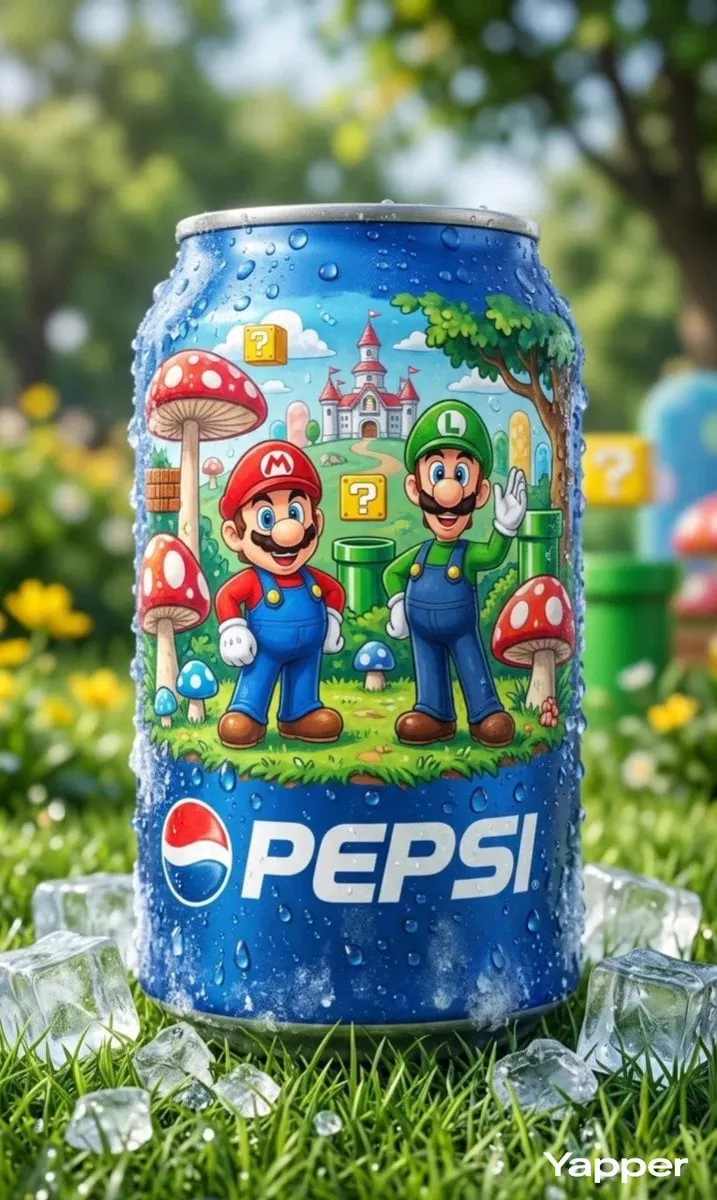
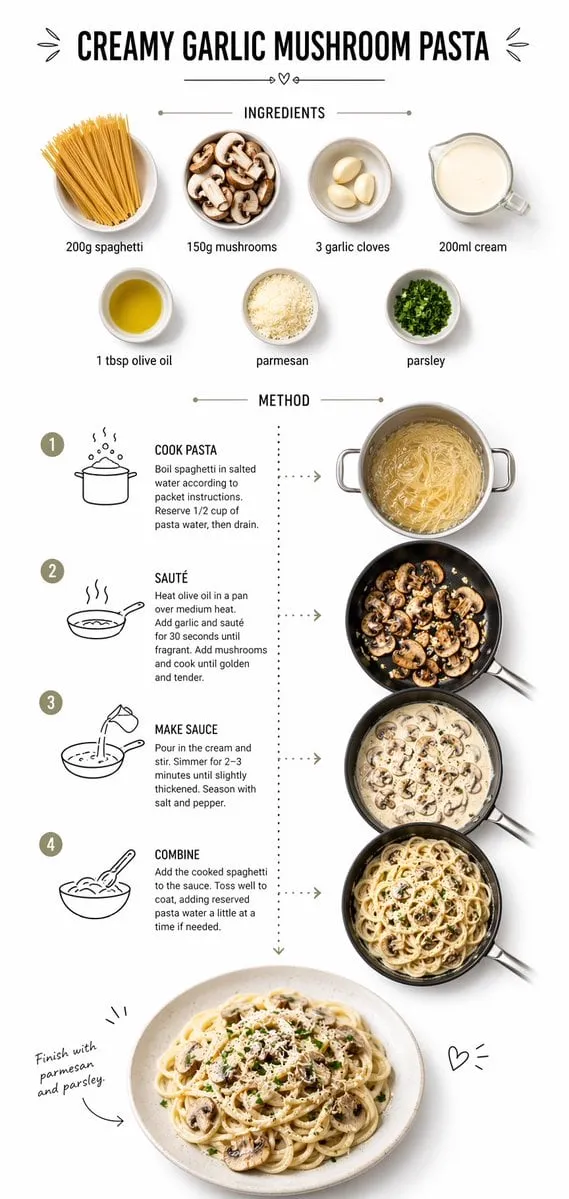
The single most exciting capability in AI video might not be generating a scene from scratch, but animating an image you already love. Image-to-video turns a still — a photograph, a painting, a character design, a frame you carefully built — into living motion. It lets creators invent anime and art styles that have never existed before, then watch them move. For illustrators, animators, and filmmakers, this is a genuine bridge between static craft and cinematic life.
This guide explains how image-to-video works, how to unlock distinct anime and original art directions, how to keep a style and character consistent across multiple shots, and how to turn raw generations into finished, coherent pieces.
What Makes Image-to-Video Freedom Possible
Text-to-video is powerful but temperamental: the model decides a lot about the look on its own. Image-to-video flips that. You define the visual world in an image — composition, lighting, color, character, style — and the motion engine animates within that fixed frame. Give it a great keyframe and much of the style battle is already won before any movement appears.
How the model uses your image
The engine reads your source image as the structural anchor: the subject stays centered on the same identity, the palette stays locked, the environment stays constant. Then it adds plausible motion on top. The strength of the result depends on how cleanly the source frame is composed and how well the model preserves it during the denoising steps.
Start with a stronger still
Because the still is the foundation, better input images produce dramatically better video. A flat, cluttered, poorly lit source gives the engine little to hold onto. A crisp, well-composed keyframe with clear subject separation gives it a stable spine. The work that produces a great image is the same work that produces great animation.
Generating Anime Styles That Feel Original
Anime is a rich target because it spans so many sub-styles, from soft pastel slice-of-life to sharp, mechanical action. Image-to-video lets you reach beyond the default look into something distinctive.
Naming the style in your prompt
Be concrete about the aesthetic. Reference the visual grammar rather than copying anyone: thin clean linework, cel-shaded lighting, large expressive eyes, desaturated backdrops with a single accent color. Combine multiple descriptors to push away from the generic look most people get.
Using style reference from your own keyframe
The most reliable way to stay original is to bake your style into a single reference image and animate that. If you have a character painting in your signature approach, feed it in and the engine carries your style through the motion. Originality in AI output usually starts with originality in the frame you provide.
Iterating toward the look
Do not expect the first pass to nail the style. Generate a draft, inspect where the engine drifted, and adjust either the source image or the prompt. Add an adjective to hold the color, sharpen the linework in the still, simplify a busy background. Two or three iterations usually get you from "close" to "that is exactly it."
Inventing Art Styles No One Has Seen
Beyond anime, image-to-video is a laboratory for entirely original art directions. Textural, painterly, sculptural, cinematic — the engine will move any style you can render as an image.
Mixing media
Create hybrids no single source would suggest: a photograph animated with watercolor physics, a pencil sketch that gains volumetric light, a 3D render brushed with hand-drawn texture. Feed-in unusual reference images as the jumping-off point and let the motion engine run with them.
Controlling lens and composition
Even stylized content benefits from filmmaking discipline. Specify camera behavior — slow push-in, lateral track, overhead drift — in the prompt. Good image-to-video tools respect camera direction, which is what separates a moving painting from a wobbling still. Add lens language: shallow focus, anamorphic flare, long exposure feel.
Consistent grading across a series
If you are building a series of stylized clips, keep the same grade and palette in every keyframe and generate them through the same engine settings. Consistency across pieces is what turns a set of experiments into a recognizable body of work.
Keeping a Character Identical Across Shots
The hardest problem in any animation pipeline is continuity: the same character must read as the same person from one shot to the next. Image-to-video gives you a powerful tool for this if used deliberately.
One keyframe to rule the project
Design one canonical keyframe of each character — neutral pose, clear face, full outfit, consistent palette — and treat it as the locked reference. Use that same keyframe, or minimal poses derived from it, for every shot in which the character appears. The model holds the identity because the input keeps reinforcing it.
Freeze wardrobe and proportions
The most common continuity breaks come from the engine improvising wardrobe or body shape. Reduce the risk by keeping the keyframe unambiguous: fixed outfit, stable hair, consistent proportions. If the engine drifts, regenerate with the same source rather than patching a broken take.
Plan the sequence before rendering
Decide the shots, their order, and the emotional beats before generating. Then produce each shot against the shared keyframe. Finally, assemble and grade together. Doing it shot-by-shot with disciplined references yields a coherent film instead of a collage.
From Clip to Film: Assembling the Sequence
Image-to-video shines at clips, but finished work needs assembly. Apply editing craft to the raw generations.
Choose motion over wildness
For a film, prefer controlled, legible motion on the most important beats. Save the most dramatic movement for the moments that deserve it. Volume and chaos cheapen a piece; restraint and hierarchy make it feel directed.
Sync to a beat
If the piece will carry music or sound, edit your cuts and holds to the rhythm of the track. This is the fastest way to make generated clips feel composed rather than random.
Layer finishing on top
Add titles, grades, sound design, and music in post. The engine provides the visual base; your finishing applies the polish and identity that make it a complete deliverable.
Choosing a Moment to Animate
Not every image deserves animation, and forcing it can look odd. Pick stills that have a natural, legible motion path: hair catching wind, fabric shifting, light moving across a face, water, leaves, a turning body. A still that implies motion animates beautifully; a frozen, static pose has nowhere to go.
Start with implied movement
Look for keyframes with dynamic energy — a gust of hair, a drifting curtain, a reflective surface. These read as obviously alive within seconds and give the audience an immediate payoff.
Show a transformation
Some of the most exciting uses animate a reveal or metamorphosis: a sketch resolving into full color, a neutral look shifting into a dramatic one, a daytime scene fading to night. Because you control the still, you control exactly where that transformation begins.
Building a Complete Animated Short From Stills
The techniques above scale from a single image to a full piece. Treat a short as a chain of keyframes, each animated and then joined in the edit.
Design the keyframes like an animatic
Before generating any motion, lay out the keyframes in order, roughly as a storyboard or animatic. You do not need polished art; you need to know the visual beats, the camera moves, and the moods. When the plan is solid, each shot has a clear target and the assembly is straightforward.
Animate in order of importance
Generate the most important shots first — the reveal or the emotional peak — while your energy and render budget are highest. Then fill the transitions. This ordering means a partial delivery is already strong, and you never run out of budget on the shots that matter.
Hold style with a single grade
Because every shot starts from your own still, you control the grade. Apply one consistent grade and palette across all shots in post so the finished short reads as one world rather than a sampler of styles. Consistency is what separates a film from a demo reel.
Cut to the rhythm
Edit the animated stills to music or a base rhythm before polishing each clip. Cutting the skeleton first lets you see pacing problems early and tells you which shots need more motion and which should be held. Motion and pacing are decided together, not after the fact.
Camera Language for Lively Stills
Camera work is where a moving image earns its weight. Even in stylized and anime content, deliberate camera behavior makes the difference between a test and a production.
The three moves that carry a scene
A slow push-in builds intimacy or tension. A pull-back reveals context and gives relief. A lateral track carries energy and momentum. Master these three and assign one to each beat rather than mixing everything into every shot. Restraint is a strength.
Handheld energy versus controlled steadiness
Handheld-style shake reads as urgency and realism; a locked, smooth camera reads as confidence and deliberation. Choose deliberately per scene. A frantic subject over a locked camera feels composed; calm subject over jittery camera feels unstable.
Let depth tell the story
Use shallow depth-of-field to isolate a subject in a moving scene, and deep focus to show a vast world. Because you begin from a still you control, you decide where focus sits and keep it consistent across the motion. Focus is another way your still becomes the director.
Troubleshooting Common Image-to-Video Failures
Expect some shots to miss. A short checklist helps you fix them instead of restarting blindly.
The style degrades once motion starts
Cause: the keyframe details are too subtle for the model to hold. Fix: strengthen linework and color contrast in the still, and keep the clip short enough to preserve the style.
The character drifts between shots
Cause: different references or an unstable keyframe. Fix: use the exact same canonical keyframe for every shot of that character and regenerate drifted takes against it.
Motion feels repeated or plastic
Cause: limited motion vocabulary from a generic prompt. Fix: name specific, varied actions and let the camera complement rather than duplicate the subject motion.
The final piece lacks clear pacing
Cause: shots assembled without a rhythm. Fix: cut to music or a beat first, shorten holds, and let the reveal land on a strong sync point.
Keeping a Style Coherent Across a Series
A single image or short is one thing; a series of stylized pieces is where craft shows. Coherence across episodes is what lets an audience recognize your work and return to it.
Build a style bible once
Define the fixed elements of your look — the palette, the line treatment, the lighting rules, and the grade — and document them. Keep that bible beside every new episode so the style does not drift week to week. The bible is the cheapest insurance against losing your visual identity.
Reuse the same engine settings
Changing platform or settings from episode to episode quietly changes how the same style renders. Stick with the model and resolution you calibrated, and only shift deliberately when a project genuinely needs a different feel.
Test the series together, not one at a time
Before releasing into an ongoing series, generate a batch and view the episodes side by side. What looks right alone can look mismatched in sequence. A quick side-by-side grade and palette check catches drift before the audience does.
When Stills Belong in the Final Cut
Not every idea needs motion. Some of the strongest work plays at the boundary between image and video, using stillness as a deliberate directorial choice.
Motion as restraint
A locked, near-static shot with one living detail — a single strand of hair lifting, a flicker of light — reads as intimate and deliberate. Restraint signals confidence and is often more memorable than constant busy motion.
Motion as release
Opposite the restrained shot, a sudden burst of movement at the right moment creates impact by contrast. Save the strongest movement for when it releases tension that stiller frames have built. The rhythm between stillness and motion is the essence of direction.
Frequently Asked Questions
Q: How is image-to-video different from text-to-video in practice?
Text-to-video invents a world from text; image-to-video stabilizes the look with your frame. Use image-to-video when you already know exactly how the shot should look and want that appearance locked while things move.
Q: Which images animate the best?
High-detail, well-lit frames with clear subject separation and obvious implied motion. Busy, low-contrast, or oddly composed images give the engine too little to work with and tend to drift.
Q: Can I make genuine anime from an imported illustration?
Yes. Feed-in your illustration as the keyframe and the engine will animate within that style. Keep the reference clean and iterate on the prompt to hold linework and palette.
Q: How do I keep several shots of the same character matching?
Lock a single canonical character keyframe and reuse it as the reference for every shot that includes that character. Verify each take against the keyframe and regenerate any that drift.
Image-to-video sits at a beautiful intersection: it rewards the craft of making a great still while unlocking motion that static art cannot deliver. Anchor every shot to a strong keyframe. Nail a distinctive style and hold it. Lock character identity with one canonical reference. Plan the sequence, then finish in post. Do those things, and the styles you invent will move exactly the way you want them to.
