
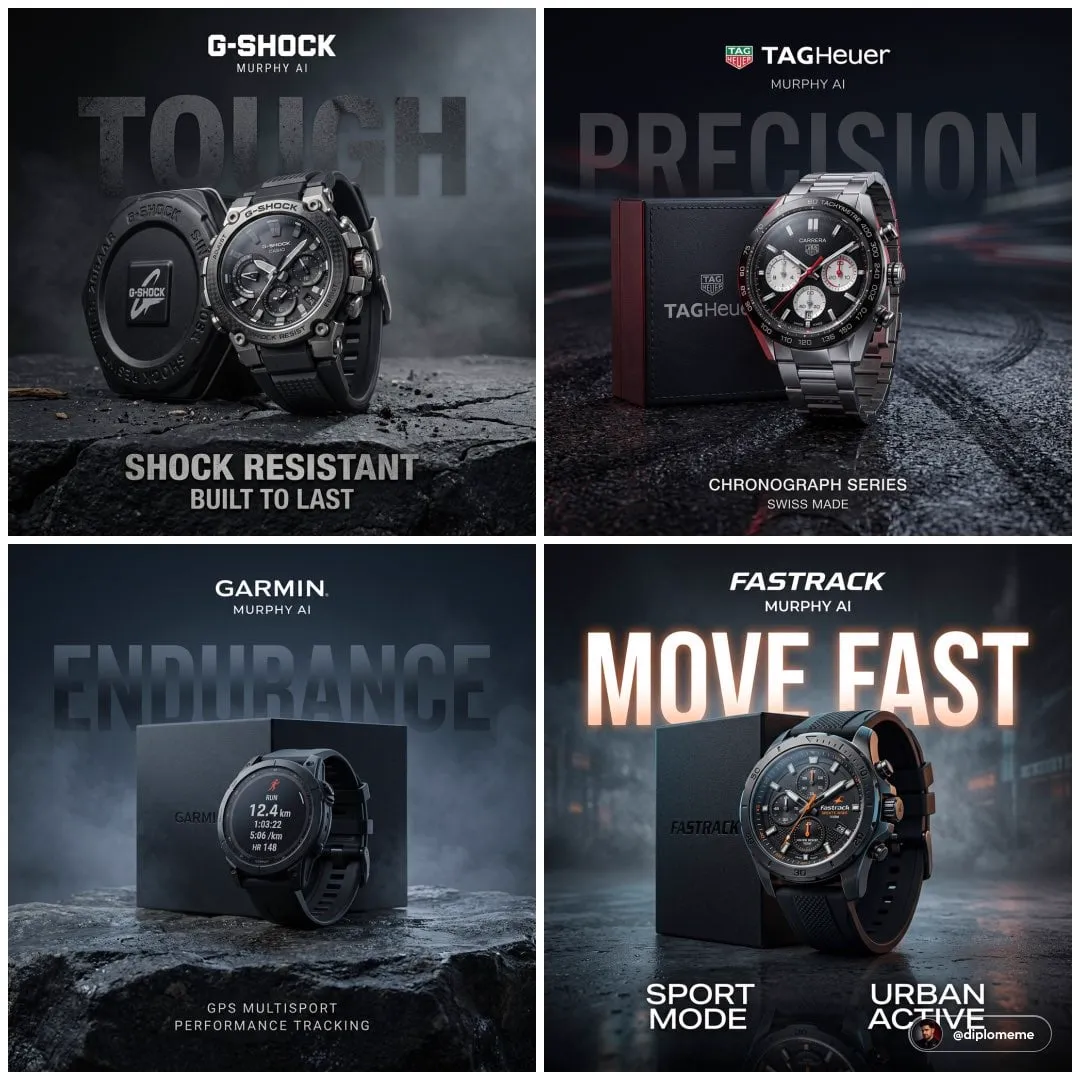
The gap between a beautiful still image and a believable animated scene has always been wider than it looks. Anyone who has tried image-to-video tools knows the pattern: the first frame is perfect, the character is recognizable, and then by the third clip the face has subtly changed, the clothes have a different collar, and the light no longer matches. Character drift, not raw realism, is the obstacle that separates demos from deployable work. The answer, increasingly, is character fusion: locking a subject onto a reference so the model animates inside that identity instead of reinventing it. This guide digs into how consistent-character image-to-video actually works and how to set it up without frustration.
Why a Single Well-Chosen Image Beats a Thorough Description
A common instinct is to describe a character exhaustively in words, listing eye color, haircut, outfit, and posture in elaborate detail. But every word you add is another dimension for the model to approximate, and approximations drift across frames. A reference image compresses all that information into a single, unambiguous anchor. One faithful portrait tells the model more about a face than five paragraphs ever could.
This is not just a convenience; it is a reliability strategy. The model stops guessing at what the subject should look like and starts animating what it sees. Practical results bear this out: projects that begin with a strong reference image spend far less time correcting identity drift than those that lean on verbal description alone. The quality of the source frame, then, is the first decision that predicts everything that follows.
The Mechanics of Spatial and Temporal Consistency
Understanding why drift happens helps prevent it. Consistency has two distinct jobs. Spatial consistency means a character reads as the same person everywhere they appear in the frame, with matching proportion and lighting. Temporal consistency means they stay stable as they move, so motion does not melt the features from one instant to the next.
Each job strains the model differently. Spatial errors surface as a face that changes between distant parts of the shot; temporal errors appear as warping during motion. Fusion techniques address both by giving the model the reference to hold onto at every step. When a sequence shares one strong anchor, the model has a target to return to, which is exactly what keeps a waving arm attached to a stable, recognizable character.
Clean Inputs, Predictable Outputs
The reference image should be as uncontaminated as possible. A clean head-and-shoulders or full-frame shot with even lighting and a separable subject gives the model the clearest signal. Pay attention to what is in frame that you do not want the camera to freeze: fragile props, clutter, or inconsistent logos become frozen quirks that linger across every animated frame.
Resolution matters more than most people expect. A crisp reference preserves fine details, while a blurry or over-compressed image forces the model to interpolate, and interpolation is where drift sneaks in. If the source is low quality, upscale it before generating. This small investment at the front end pays off in stability across the entire sequence, and it removes a predictable class of failure before it ever reaches the render queue.
Fusing Multiple References for a Cohesive Look
For some projects a single image is not enough. A character who needs both a defined face and a consistent wardrobe, or a scene that must hold its environment across shots, benefits from several references working together. Multi-reference fusion lets the model balance constraints: the face from one image, the costume from another, the setting from a third.
The key is knowing which reference governs which attribute, and keeping them compatible. If the face image and the wardrobe image disagree on lighting or pose, the result is a compromise that satisfies neither. Curate references that are stylistically coherent, and let one clearly lead. As long as the constraints pull in the same direction, fusion produces a stable identity that reads as intentional rather than patched together.
Checking Stability Early, and Cheaply
Nothing ruins a schedule like discovering identity drift after a long, expensive render. The fix is to probe stability early and inexpensively. Generate a few short test passes from the same reference before committing to the final resolution, and inspect them critically: does the face hold, does the costume stay consistent, does the lighting survive the motion?
Look specifically for hard cuts between the subject and the background, since those boundaries are where drift appears first. If the early passes are stable, proceed to higher quality; if not, fix the reference before spending more compute. This habit turns a free-for-all into a controlled pipeline, and it is the single cheapest way to raise the success rate of every project.
Syncing Audio With a Stable Subject
A character that stays consistent image by image unlocks another benefit: reliable audio integration. When the face and lips remain stable, voice-over and dialogue can be aligned with believable timing instead of fighting a shifting mouth. Sound design, ambient audio, and music can be treated as equal partners to the picture rather than awkward overlays.
The payoff is a completed short rather than a slideshow. A stable subject lets you cut together multiple shots that agree on look and presence, then layer score and dialogue over the whole piece with confidence. This is the difference between a technical demo and something an audience can emotionally follow, and it is made possible entirely by the consistency you enforced at the reference stage.
Building Consistency Into a Repeatable Workflow
Fusion is not a one-time trick; it is the foundation of a workflow you can trust across many projects. Maintain a small library of clean, high-quality references for recurring characters and brands, along with notes on which seed and settings produced them. Reusing these anchors cuts setup time dramatically and keeps an entire catalog of content visually aligned.
True to the spirit of the craft, treat every project as a chance to strengthen the library. When a reference works unusually well, save it; when one misbehaves, document why. Over time this collection becomes your own consistency engine, proving that great image-to-video is less about the latest model and more about the discipline you bring to every render.
Frequently Asked Questions
Do I always need a reference image?
For character-driven projects, yes. A reference is the most reliable way to hold an identity stable. For abstract or purely cinematic textures, a strong text prompt can sometimes suffice.
Why does my character still change between clips?
Usually because the reference is reused inconsistently or the source is low quality. Lock a single strong anchor, keep the seed steady, and avoid re-describing the character in each scene.
Can I use several references at once?
Yes. Multi-reference fusion is useful when different attributes come from different sources, as long as all references are stylistically compatible and one clearly leads.
How do I know if drift will be a problem?
Run a few short, inexpensive test passes from the reference before the final render. If the early cuts stay stable, the higher-quality pass almost always follows.
Is this only for characters, or also for products and environments?
Both. Any subject that needs to stay recognizable — a product, a mascot, a location — benefits from the same reference-based consistency techniques.
What if my source image contains distracting elements?
Clean it before generating. Crop tightly, remove clutter, and normalize the lighting. Every distraction in the reference risks becoming a frozen quirk repeated across every animated frame.
Matching the Animation to the Subject's Nature
Different subjects respond to different families of motion, and matching them well reduces artifacts noticeably. Humans and animals behave organically, so natural, slightly irregular movement reads far better than a mechanical drift. Products, meanwhile, often look best with clean, controlled motion that emphasizes form; water, cloth, and foliage move with a recognizable physics all their own.
Before choosing a motion style, study the subject. What parts move naturally, and what should stay rigid? A skilled setup respects those physics, letting the model animate only the plausible dimensions of the object. When the requested motion is physically believable, the model has far less reason to distort the subject to make it fit. Believable motion and stable identity support each other, which is why matching the style to the subject matters as much as any technical setting.
Working Motion Instructions Into the Prompt
The prompt is where intention meets the machine. Instead of a generic request to "animate," describe the motion you actually want: the direction of the camera, the speed of the movement, the element that should lead the action. Concrete, structured language gets a far more predictable response than vague ambition, and it gives you a lever to tune when a clip nearly works.
Keep the prompt disciplined and brief. Stacking too many ambitions at once overwhelms a model and invites drift, so prioritize a single clear motion goal per pass. Name the subject through the reference rather than re-describing it in prose, and reserve words for what changes: the move, the light, the moment. This economy of language is one of the least appreciated drivers of consistent output.
The Lifecycle of a Reference Image
A reference image is not a static asset; it has a lifecycle. It begins as a candidate to be tested, matures into a proven anchor through successful renders, and occasionally gets retired when a project changes direction. Managing this lifecycle keeps the working set small and trustworthy, rather than cluttered with obsolete or half-tested images.
When a reference matures, pair it with the settings and seeds that validate it, so it can be reused confidently. When it is superseded or starts producing drift, retire it deliberately and archive the rationale. A tidy, well-documented reference set means every new sequence starts from a known good, and the team spends its energy on creative decisions instead of debugging identity. This upkeep is invisible but decisive.
Common Mistakes That Break Consistency
A few recurring habits quietly undermine otherwise solid workflows. Reusing a low-resolution reference after upscaling source files carelessly, or mixing references whose lighting clashes, tends to produce compromises that satisfy neither source. Another classic is changing the seed between shots in the mistaken belief it adds variety, when it in fact invites the model to drift.
The remedies are simple and consistent with the rest of this guide: keep references clean and compatible, let one image clearly lead, and hold the seed steady while the identity must stay fixed. Recognizing these mistakes is half the battle, because they are the difference between a pipeline that occasionally surprises and one that reliably delivers. Consistency is maintained through prevention, not rescue.
Setting Up for Long Narrative and Series Work
Character fusion shines across a series, where the audience sees the same faces over and over. The practical value of a locked identity is compounded the longer the body of work grows, since every new episode inherits the established look instead of starting fresh. Planning for a series means deciding up front who the characters are, what they wear, and where the world lives, then archiving those decisions as reusable references.
A series calls for a slightly stricter process than a one-off. Define the canonical references before producing, keep a stable palette, and document the rules everyone agrees on for each recurring character and location. When episodes are generated weeks apart, that documentation is the thread that holds the whole narrative together, preventing the gradual drift that would otherwise pull the world apart. This is where the modest effort of consistency becomes a long-term creative asset.
The Value of a Narrow, Reliable Playbook
Mastery in image-to-video tends to come from a narrow playbook rather than a broad menu of tricks. When a team wins with one well-proven approach, it can repeat it predictably and refine it across projects, which matters far more than having many unreliable options. A playbook might be as simple as a fixed reference workflow, a short list of motion families, and a discipline of early test passes.
Building that playbook is deliberate. Each project should add or confirm a page in it: a prompt that worked, a failure mode avoided, a technique that saved a sequence. Over time the playbook becomes the team's fastest path to a good result, and new members learn it far quicker than they would rediscover everything from scratch. Reliability, more than flashy novelty, is what lets an image-to-video operation scale without falling apart.
Consistency Is the Creative Foundation
At bottom, image-to-video is not about generating the most moving pixels; it is about making a subject you can trust frame after frame. Character and setting fusion is what turns a scattered collection of pretty renders into a single, believable piece of storytelling. Lock the reference, keep the inputs clean, probe stability early, and let one strong identity carry your whole sequence. Do that, and the tools stop being a source of surprises and start being exactly what they promised: a way to move a vision without losing it along the way. That is the craft worth mastering.
