
Introduction
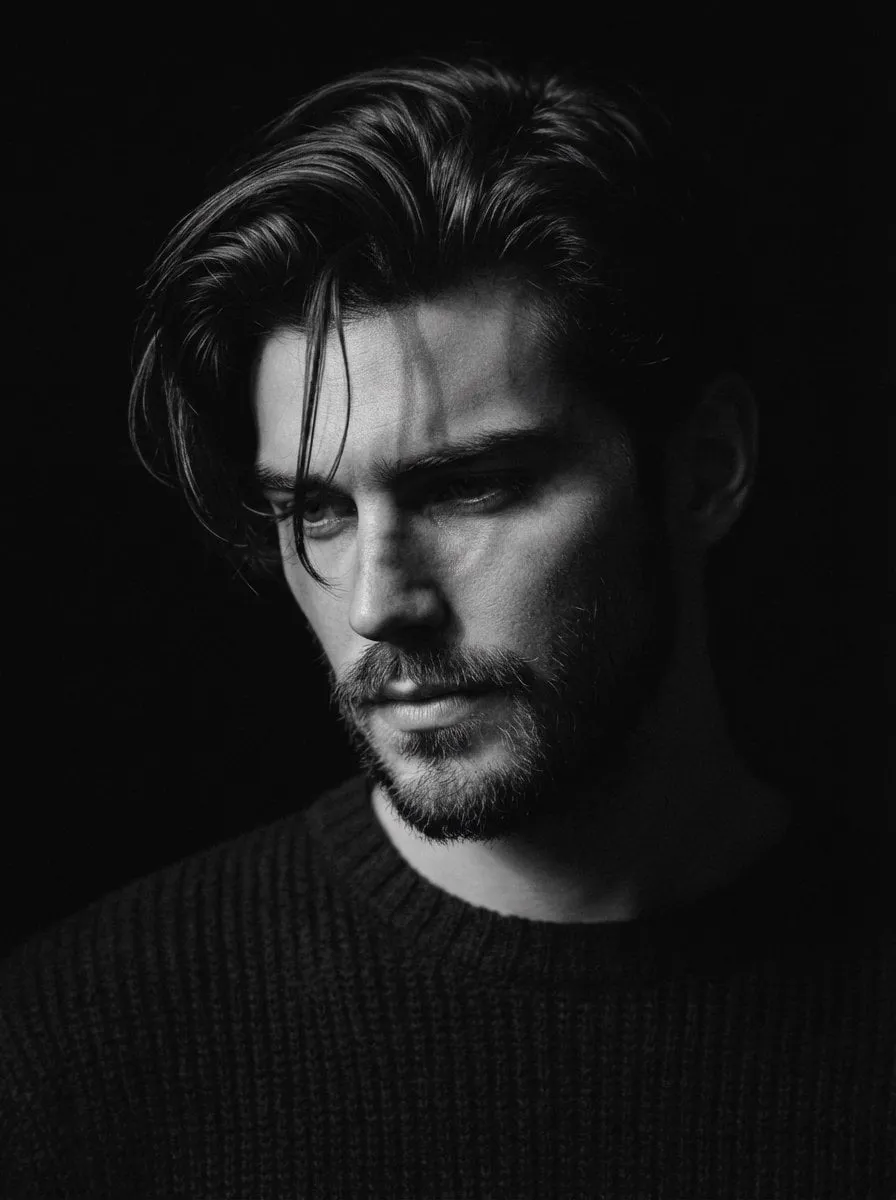
The transition from static imagery to dynamic video content is accelerating, establishing image-to-video synthesis as a cornerstone of modern digital strategy. Moving beyond simple text-to-video prompts, the leading edge now focuses on imbuing existing visual assets — character designs, product mockups, concept art — with complex, coherent motion and narrative flow.
Video now accounts for the majority of online engagement, creating unprecedented demand for speed and variation. The challenges remain steep: achieving temporal consistency, maintaining stylistic adherence across long sequences, and managing computational cost. Platforms like Domer are architected to solve these scalability and consistency challenges with the AI video generator and AI image generator.
1. The Technological Underpinnings
1.1 From Frame Interpolation to Coherent Motion Generation
Early attempts at video generation relied heavily on frame interpolation, resulting in blurry outputs. Modern image-to-video synthesis leverages latent space diffusion techniques combined with temporal attention mechanisms to predict future frames based on the initial image and a prompt or motion vector field.
Key stages of the process:
- Image encoding into latent space.
- Motion vector initialization via text or keyframes.
- Temporal unfolding with continuity awareness.
- Decoding back to high-resolution video.
1.2 Mastering Character Consistency via Multi-Image Fusion
One of the most persistent hurdles has been maintaining character consistency across varied scenes. Multi-image fusion synthesizes a unified character embedding from several reference images, capturing the keyframe essence regardless of lighting or angle.
- Establish a robust identity token that transcends the initial input frame.
- Inject this token into the generation process of the chosen model.
- Force all subsequent frames to conform to the defined identity blueprint.
2. Advanced Model Orchestration
2.1 Selecting the Right Tool
No single model excels at every task. Some prioritize speed, others fidelity, and still others specific aesthetic domains. A successful workflow demands the intelligence to select the optimal model for the specific input image and desired output motion.
2.2 Staged Approach
Creators often employ a staged approach:
- Use fast, budget-friendly models for initial blocking.
- Review composition and character design.
- Render final, crucial shots with the highest-tier models.
3. Integrating Director-Level Intelligence
3.1 From Generating to Directing
An AI agent director focuses on the filmic intent. It acts as an intelligent layer between the creator's high-level vision and the model's technical parameters, applying established filmmaking principles:
- Camera movement suggestions (dolly-in, rack focus).
- Shot composition adhering to the rule of thirds.
- Pacing adjustments based on emotional context.
3.2 Leveraging Advanced Features
High-level creative control requires models that expose fine-grained parameters:
- Video-to-video transformation for style changes.
- First-to-last frame control for complex actions.
- Reference-to-video capabilities with multiple input images.
4. Practical Workflow
Step 1: Prepare your input image
Use text-to-image to create a high-quality keyframe.
Step 2: Animate
Use image-to-video to bring your image to life.
Step 3: Maintain consistency
Use multi-image fusion to keep characters stable across scenes.
Step 4: Refine and render
Iterate with fast models, then render the final version with premium models.
5. Common Mistakes
Starting with a low-quality image: The output quality depends on input quality. Invest in good keyframes.
Skipping references: Without references, your character drifts between scenes.
Rendering everything at premium cost: Iterate cheap, render premium.
Conclusion
Image-to-video synthesis has become the dominant content creation paradigm. With the AI video generator, AI image generator, and intelligent model orchestration, solo creators can produce cinematic quality previously reserved for high-budget productions.
