
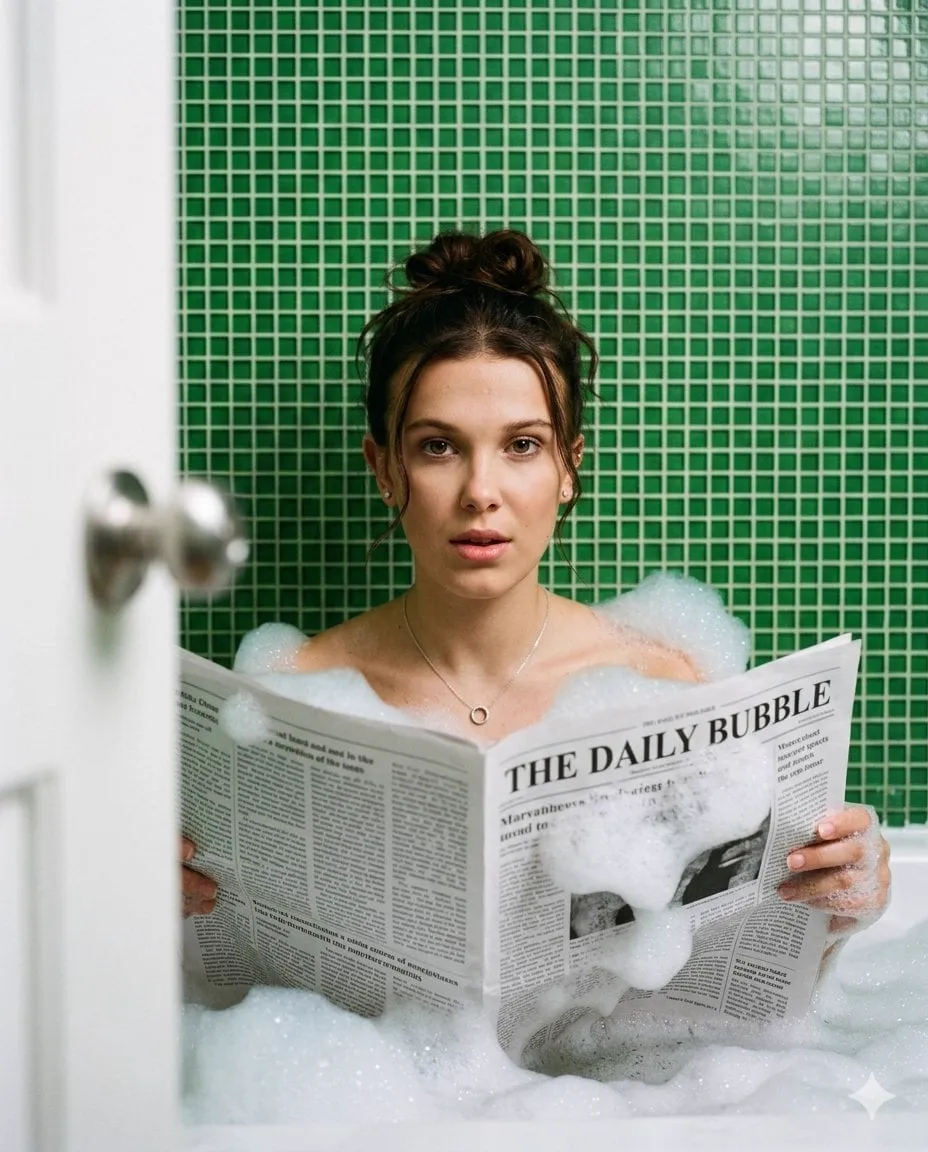
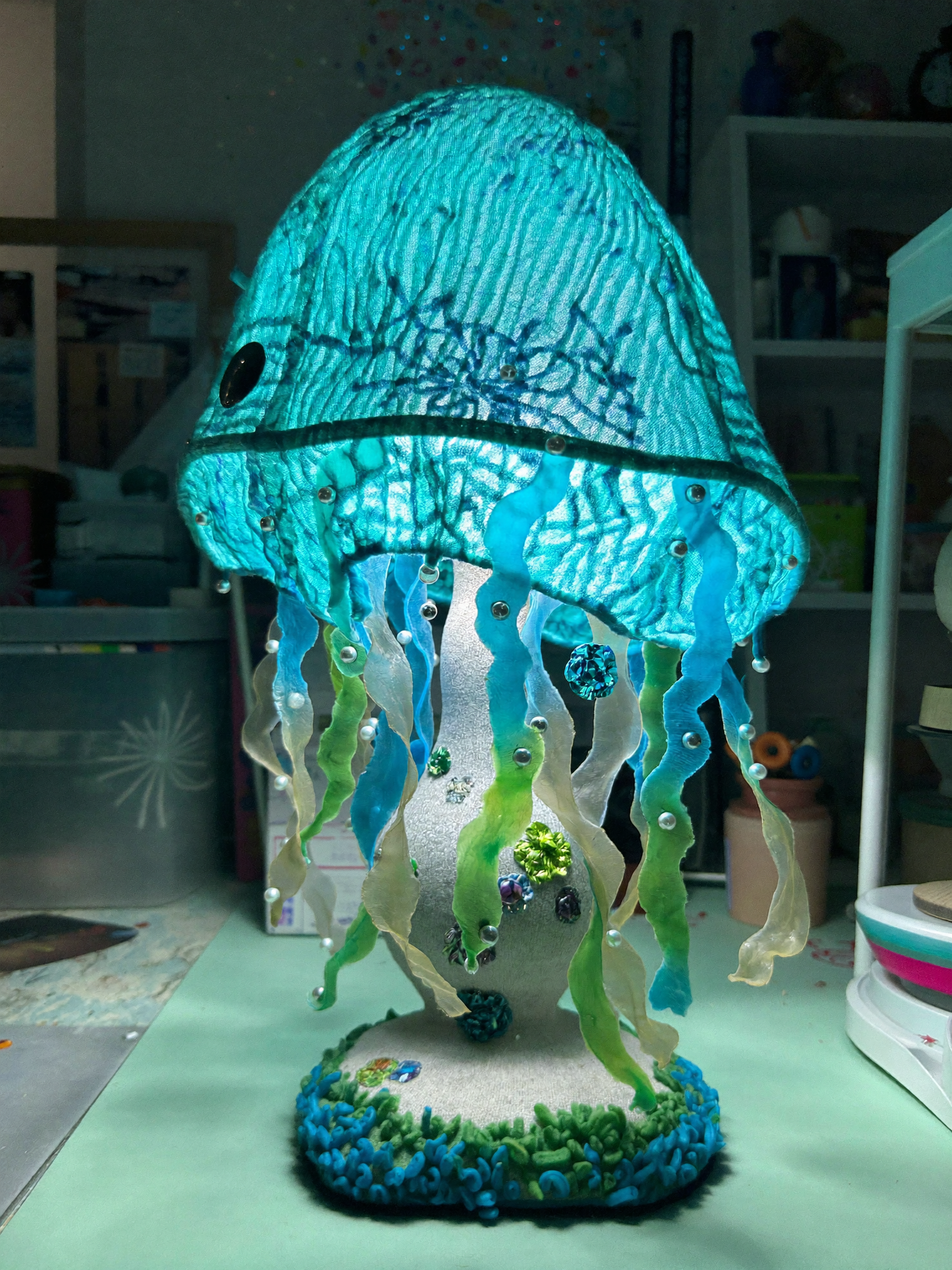
Image-to-Video, often abbreviated as I2V, is one of the highest-demand capabilities in AI content creation in 2025. The idea is simple: you provide a still image, and the model animates it into a moving clip. The execution, however, involves a surprisingly deep stack of technology, from latent diffusion models trained on massive video datasets to sophisticated consistency controls. When done well, I2V turns a single photograph, illustration, or product shot into a cinematic sequence that would have required a full production crew only a few years ago.
This guide explains how I2V works under the hood, the techniques that separate amateur results from professional ones, and how to choose the right model for each job.
The Current Landscape
By July 2025, the digital content industry has moved past the novelty phase of AI video. Image-to-Video has become one of the most requested features because it fits naturally into existing creative workflows: teams already have images, whether product shots, concept art, or brand visuals, and they want motion without reshooting.
The market reflects this demand. The AI-generated video market is projected to be worth billions of dollars, and I2V is a core driver because it lowers the barrier to entry dramatically. You no longer need to write a detailed text prompt from scratch; a strong image already encodes composition, lighting, and subject, and the model focuses its energy on motion and narrative.
Why I2V Matters in 2025
The importance of I2V in 2025 comes from a leap in underlying technology. New diffusion models can simulate real-world physics and control cameras with remarkable precision. Models like Runway Gen-4 and OpenAI Sora have demonstrated the ability to generate longer videos with stronger narrative connections, which changes what creators can expect from a single image prompt.
Two consequences follow. First, quality expectations have risen; a simple pan-and-zoom animation no longer impresses anyone. Second, the competitive bar has moved to consistency and control: keeping a character recognizable, keeping a style coherent, and directing exactly what moves in the frame.
1. How Image-to-Video Models Work
1.1 The Mechanics of Animating a Still Image
Modern I2V is not simple overlay or basic motion effects. It uses advanced neural networks, especially latent diffusion models trained on enormous video datasets. The core technique is to provide the model with an image prompt, the starting frame, alongside a text prompt that describes the desired motion and camera behavior.
During generation, the model learns the structure of the image, then imagines plausible continuations in time. This is why results can be startlingly good: the model is not moving pixels around, it is predicting what the world in the image would look like a few seconds later. It understands that water flows, that hair moves in wind, and that a character turning toward the camera changes their visible features.
1.2 Consistency Control: The Key to Professional Results
The greatest challenge in image-to-video is maintaining character consistency when the camera angle or scene context changes. If a character's shape or costume changes drastically, the video becomes unconvincing and unusable for professional work.
Consistency control techniques have advanced significantly. Multi-image fusion lets you supply several reference frames of the same subject, anchoring identity across the sequence. Keyframe control lets you define the important frames manually, so the model knows exactly where the character starts and ends. The combination of these techniques is what separates a coherent animated scene from a hallucination party.
1.3 Choosing the Right Model
The AI video generation market in 2025 is full of models with specialized strengths. Choosing correctly matters a great deal for both cost efficiency and output quality. Some models excel at photorealistic physics; others are tuned for stylized animation; still others prioritize speed for iterative work.
A practical selection framework: define the shot type, the required realism level, the motion complexity, and the budget. Then match those requirements against a shortlist of models you have tested. Keep a small set of go-to models, one for cinematic realism, one for stylized work, and one for fast prototyping, and you will cover most production scenarios without analysis paralysis.
2. Advanced Techniques for Motion and Style Control
2.1 Coherent, Realistic Motion
Creating scenes with coherent motion is about giving the model clear guidance without over-constraining it. Describe the primary motion, the camera movement, and the interaction between subject and environment. For example, instead of "a woman walks," specify "the camera follows the woman as she walks along the rainy street, her coat moving in the wind, reflections trailing behind her."
Specificity helps the model commit to a physics-consistent interpretation. It also reduces the chance of unintended motion, such as background elements warping when the subject moves.
2.2 Style and Color Consistency
Managing style and tone through AI is a matter of locking the visual parameters. If your image has a warm, filmic grade, the model should preserve it across frames. Reference images and style keywords both help, but the most reliable method is to provide multiple frames in the same style so the model has no excuse to drift.
2.3 Integrating AI Director Assistants
AI director assistants can improve I2V workflows by automating camera reasoning and shot planning. Instead of manually deciding that a sequence needs a slow push-in followed by a rack focus, the assistant can propose the shot structure, and you approve or adjust. For creators working alone, this is effectively a junior cinematographer on call.
3. Industry Applications and Community Models
3.1 Marketing and Advertising
I2V is transforming advertising production. A brand that already has professional product photography can animate those assets into video ads without a studio day. Variants can be produced quickly for different platforms and aspect ratios, and the creative team can test multiple motion treatments of the same product shot.
3.2 Storytelling and Short Films
For short films and narrative content, I2V enables visual storytelling from concept art and storyboard frames. Directors can pre-visualize scenes with motion before committing to expensive production, or produce finished short-form pieces entirely from generated assets.
3.3 Custom Models and Community Revenue
Creators are increasingly training custom models on their own styles and characters, then sharing or monetizing them in community marketplaces. For I2V specifically, a custom model trained on your visual identity makes every subsequent animation more consistent and more on-brand, which compounds across a catalog of content.
4. Optimizing the Source Image Before Generation
The quality of an I2V output is largely determined by the quality of the input image. Before feeding an image to a video model, spend time improving it: upscale low-resolution assets, clean up noise and artifacts, and correct color and exposure issues. Many pipelines also regenerate the source image with an image model first, producing a clean, high-detail starting frame that the video model can work with confidently.
A clean source image pays off in two ways: the output looks better, and the model wastes less of its capacity compensating for input defects, which means fewer artifacts and better adherence to your motion instructions.
Common Artifacts and How to Fix Them
Even with good inputs, I2V output can contain artifacts. Knowing the common ones and their fixes saves hours of frustration.
Morphing subjects occur when the model cannot hold the subject's identity during motion. Fix: add reference frames, tighten keyframes, and reduce the amount of change described in the prompt.
Warping backgrounds happen when the model applies motion to the environment instead of the subject. Fix: describe the camera as locked or subtle, and specify that the background stays static.
Flickering textures appear when the model changes surface detail between frames, which is common with fabric, foliage, and water. Fix: use a model with stronger temporal consistency, or generate at higher quality settings and denoise in post.
Unintended extras, like extra fingers or background characters, come from the model filling ambiguous space. Fix: describe the frame completely, including what is not present, and keep compositions clean.
Limbs or objects that pass through each other result from weak physics understanding. Fix: avoid extreme motion in the prompt, and break the shot into smaller segments with more sensible motion arcs.
Batch Production: From One Image to a Campaign
Once the technique is mastered, I2V becomes a batch production tool. A single high-quality product image can generate a slow hero pan for the website, a fast punch-in for social ads, a lifestyle animation for the brand film, and a stylized version for specific platforms.
The workflow is repeatable: prepare the master image once, then write a motion prompt per variant. Keep the motion vocabulary consistent across variants so the campaign feels unified, while varying pacing and emphasis to fit each platform.
Batch production also makes testing affordable. Instead of commissioning one expensive animation and hoping it works, produce five motion treatments and let performance data choose. The cost difference is small; the information gain is large.
Example Prompt Templates
Here are three reusable prompt templates.
Product hero, slow reveal: "Slow push-in on the product from a three-quarter angle. Soft studio lighting, gentle reflections, background static and blurred. The product rotates slightly to reveal its side detail."
Character action, cinematic: "The character turns from profile to face the camera, coat moving in a light wind. Shallow depth of field, warm sunset light, camera holds steady, then slowly racks focus to the background."
Anime style, dynamic: "The character leaps across the frame with exaggerated motion lines. Vibrant colors, clean line art, background speed lines. Camera follows the arc of the jump, freeze-frame at the peak."
Use the templates as starting points, then adjust motion and atmosphere for each shot.
A Quick Checklist for Professional I2V
- Start with a high-quality, high-resolution source image.
- Correct color and exposure before generation.
- Use reference frames for characters and environments that must stay consistent.
- Describe motion specifically: subject movement, camera movement, environment interaction.
- Run a fast test pass before committing to final generation.
- Review frames for consistency artifacts, and regenerate with tighter anchors if needed.
FAQ
What is the difference between image-to-video and text-to-video?
Text-to-video builds the scene from words alone. Image-to-video starts from an existing image, which already defines composition, subject, and style, and the model adds motion. I2V generally gives you more control over the visual identity of the output.
How long can an I2V clip be?
It depends on the model. Some produce clips of a few seconds; others handle longer sequences with narrative continuity. For longer pieces, use keyframe control and stitch multiple generated segments.
Do I need a powerful computer to use I2V?
Most I2V generation runs in the cloud, so your local hardware matters much less than the quality of your inputs and prompts. A stable internet connection and good asset preparation matter more.
Why do my characters change appearance between scenes?
Usually because the model lacks a strong anchor. Add more reference frames, use keyframe control, and keep the generation on a single model for the whole sequence.
Can I animate a photo of a real person?
Yes, with care. Use reference frames and be mindful of ethical and legal considerations when depicting real people, especially for commercial use. Many creators prefer animated illustrations or stylized treatments for this reason.
How many times should I regenerate a weak clip?
Regenerate with a changed variable, not blindly. Adjust the reference frames, the motion prompt, or the model, and keep notes on what changed. If three targeted attempts fail, the problem is usually in the input image rather than the prompt.
Conclusion
Image-to-Video is one of the most accessible ways to enter AI video production, and one of the most rewarding when you master its core discipline: consistency. Understand how the models think, prepare clean inputs, anchor your characters and environments, and direct motion with specific language. The result is a workflow that turns a single still image into a library of cinematic clips, ready for ads, stories, and social content.
