

Why Reels Still Matter More Than Ever
Short-form video has stopped being a trend and become the default way most people consume content on social media. Instagram Reels, in particular, remains one of the highest-leverage formats for creators, small businesses, and personal brands because it reaches people who do not follow you yet. In 2025, the platform is no longer rewarding pure novelty or lucky timing. Instead, it rewards a repeatable system: creators who understand how the algorithm reads engagement, who build strong hooks, and who produce consistently are the ones who keep growing.
The good news is that you do not need a film crew, a studio, or even a professional editor to compete. The bad news is that throwing clips together and hoping for the best rarely works anymore. This guide walks through how the Reels algorithm actually decides what to show, then gives you a practical set of hacks and fast workflows, including how AI tools can compress a full production cycle into a single afternoon.
How the Reels Algorithm Really Works in 2025
Instagram has moved away from a simple chronological or purely popularity-based feed. Every Reel is scored against a prediction about how a specific viewer will react, and the platform uses machine learning to personalize that prediction for every single person who might see your video. There is no single magic number, but the ranking signals cluster into a few groups you can actually influence.
The first group is engagement: whether people like, comment, share, save, or watch to the end. Shares and saves are weighted heavily because they signal that a viewer found the video valuable enough to take action. Comments also matter, especially early ones, because they create the social proof that convinces the algorithm a video is worth pushing further.
The second group is watch behavior. Instagram pays close attention to how long someone watches before swiping away, whether they rewatch the video, and whether they tap into the profile afterwards. A video that holds attention for the full duration will outperform one with more total views but a poor completion rate.
The third group is context: your account history, the relationship between you and the viewer, and the topic signals in the video itself. This is where captions, on-screen text, spoken audio, and hashtags come in. Instagram can parse the words in your video and description, so the topic of your Reel determines which interest groups it gets tested against.
The Metrics That Actually Drive Reach
If you only track one number, track completion rate. A Reel that most people watch to the end signals high quality, and Instagram responds by expanding its audience. The first five seconds decide whether someone stays, so your hook is not a stylistic choice; it is the single most important ranking factor you control.
Rewatches are the second most powerful signal. When viewers replay a section, the algorithm interprets it as deep interest. You can design for rewatching by including a fast transition, a satisfying reveal, or a subtle detail people will want to see again. Saves are the third. Saves are the strongest vote of long-term value, and they are why list-style content, tutorials, and step-by-step tips outperform generic clips.
Finally, shares push your video beyond your own audience. Content that people send to friends, such as relatable moments, useful hacks, and strong opinions, gets an automatic distribution boost. A good mental model is to design every Reel so that at least one person watching will want to do one of these four things: finish it, replay it, save it, or share it.
The First Three Seconds: Hook Strategy That Stops the Scroll
Your hook has one job: to make a stranger stop and decide this video is worth their time. A strong hook combines a visual and a verbal element. On the visual side, start with motion, a close-up, or an unexpected object instead of a slow fade-in. On the verbal side, either say your promise out loud or put it in large on-screen text within the first frame.
Promises work better than statements. Compare "Here is my editing setup" with "This one setting doubled my Reel views." The second version creates curiosity and a reason to stay. You can also use a pattern interrupt: a surprising claim, a common mistake, or a direct question that the viewer feels compelled to answer. Whatever you choose, keep the hook under three seconds, and make sure the video delivers on it immediately.
Audio and Sound Trends: Use Them Strategically
Trending audio is a double-edged sword. Using a popular sound can increase the chance of discovery because Instagram surfaces Reels with trending audio in related sound pages. But if everyone uses the same audio, the novelty fades, and your video competes against thousands of near-identical clips.
A smarter strategy is to combine a trending sound with a strong visual hook, or to use the sound as a structural element rather than the main reason to watch. Original voiceover is often the better long-term play, because spoken words give Instagram more topic signals to rank you for, and they make your content feel more personal. If you use music, keep it at a level where it supports the video without drowning out your voice, and always check that the audio matches the emotional tone of the edit.
Hashtag and Keyword Strategy in 2025
Hashtags still help, but they work differently than they did a few years ago. Instagram now reads the words in your caption, on-screen text, and voiceover, so keywords matter at least as much as hashtags. Write a caption that clearly states what the video is about, then use a mix of three to eight hashtags: one or two broad tags for reach, a few medium tags for competition level, and one or two niche tags that exactly describe your topic.
Avoid the old habit of cramming thirty hashtags into the caption. The platform has repeatedly said this does not help, and it looks spammy. Instead, put your main keyword in the first sentence of the caption, repeat it naturally in the on-screen text, and let hashtags reinforce the topic rather than carry it alone.
Format, Length, and the Algorithm Bias
Vertical 9:16 video is non-negotiable for Reels; it is the format the platform was built around, and horizontal clips get punished in the feed. Keep important content away from the extreme edges, because the interface overlays icons and text on the right side and bottom.
Length is where strategy matters. Reels can now be quite long, but that does not mean longer is better. Shorter videos, roughly fifteen to thirty seconds, tend to have higher completion rates, which makes them easier for the algorithm to push. Longer videos work when the content genuinely needs the time, such as tutorials or storytelling, but they demand a much stronger hook to hold attention. A practical rule: cut everything that is not necessary, then cut a little more.
The Engagement Loop: Comments and Saves
The first hour after publishing matters more than any other hour, because that is when Instagram decides whether to test your Reel with a wider audience. Reply to every early comment, and ask a question in the caption or at the end of the video that invites a response. Simple prompts like "Which one would you try first?" or "Save this for your next shoot" convert passive viewers into active ones.
Saves deserve special attention because they are the clearest signal of utility. Content that gets saved includes checklists, comparisons, tutorials, and anything with actionable steps. If you want more saves, structure your Reel around a small number of steps, number them on screen, and tell viewers explicitly that the steps are worth keeping.
Building a Fast AI-Assisted Production Workflow
Consistency is the real growth engine, but consistency is impossible if every Reel takes six hours. This is where AI tools shine: they remove the slow parts of production so you can publish daily without burning out.
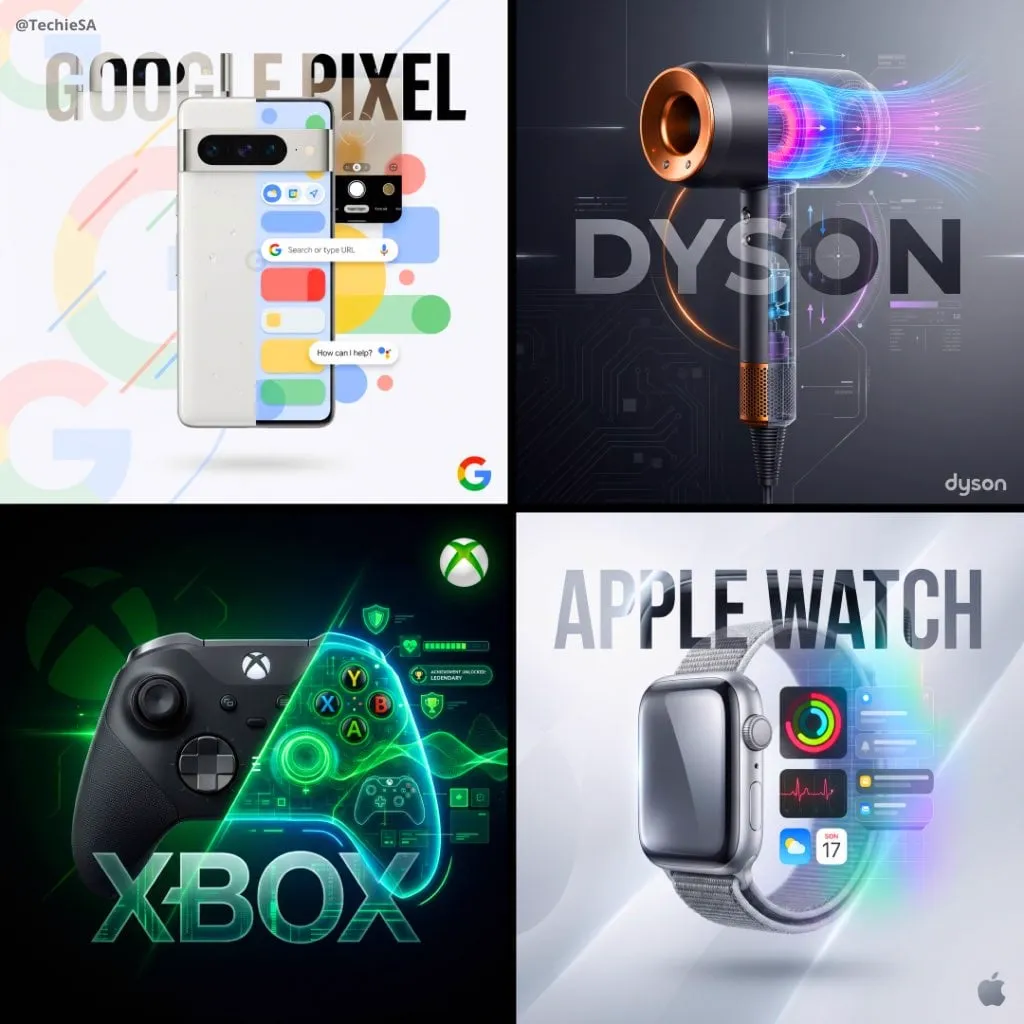
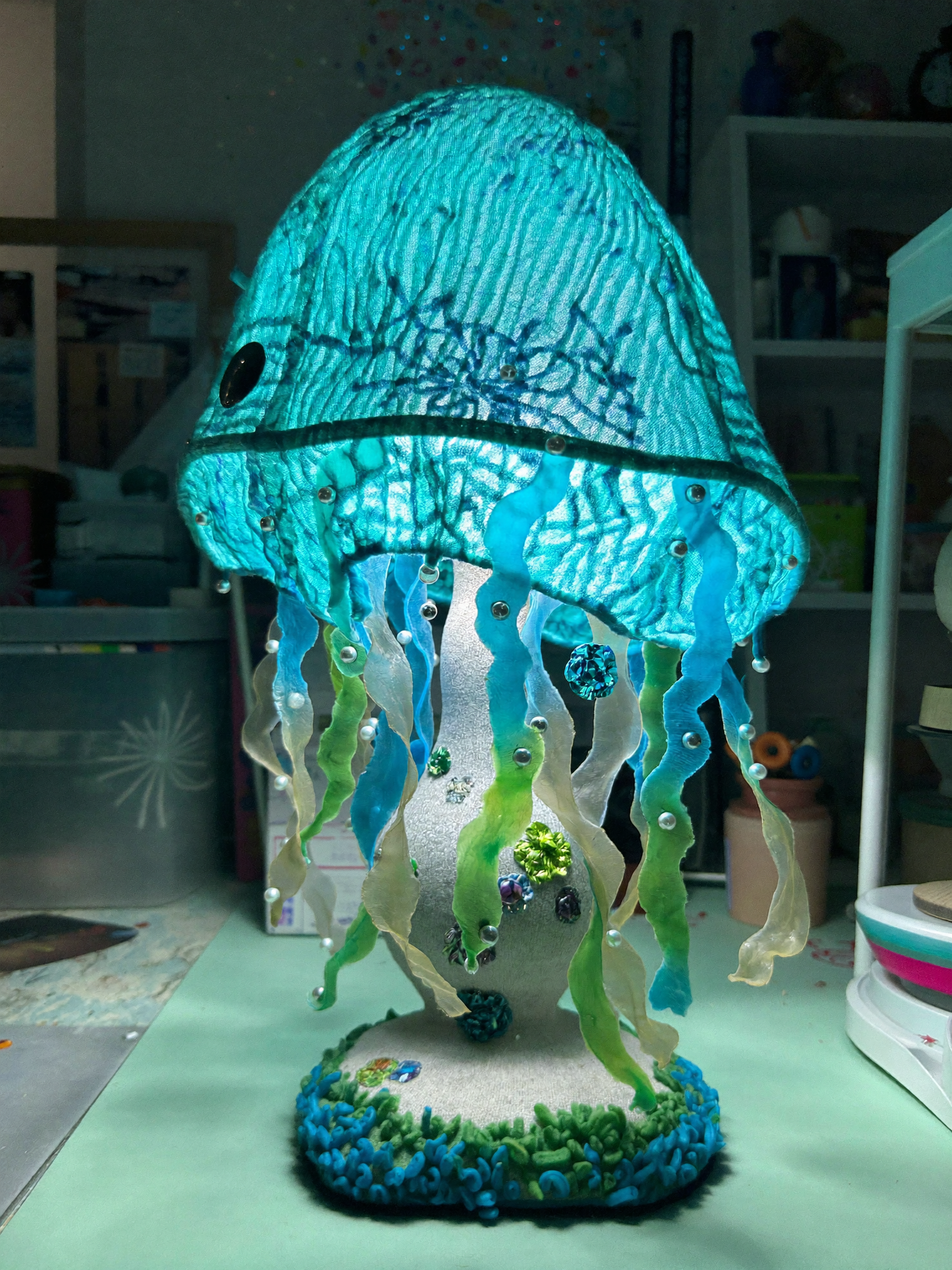
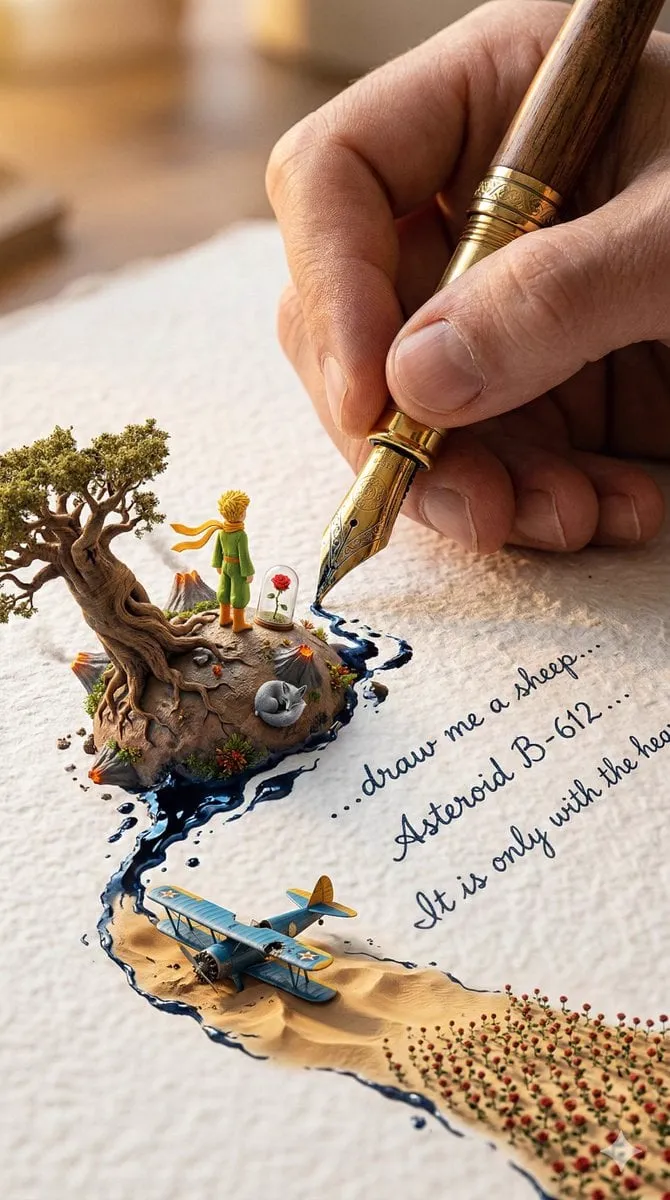
Start with an idea bank. Keep a running list of topics, hooks, and formats, and use a language model to expand one idea into a short script with a hook, three beats, and a call to action. Next, generate supporting assets. AI image generators can produce thumbnails, background plates, and stylized illustrations in seconds, and AI voice tools can create narration in a consistent voice if you prefer not to record your own.
For the edit, assemble your clips in a timeline tool, but let AI handle the tedious parts: automatic captioning and subtitles, background removal, and even rough cuts based on your script. Many editors now include AI features that analyze your footage and suggest the best moments. The goal is a repeatable template: idea, script, assets, edit, caption, publish. When the template is fast enough, you can test more ideas, keep what works, and double down on the formats the algorithm rewards.
A Practical Weekly Reels System
A sustainable system is better than a viral hit. Plan one theme per week, batch three to five Reels in a single session, and stagger publication across the week so you can respond to performance. After each publish, log three numbers: completion rate, saves, and shares. Over a few weeks, patterns emerge: certain hooks, lengths, and topics consistently outperform others. Double down on those patterns and cut the rest.
Do not delete underperforming Reels. Instagram treats deletions as a negative signal, and an older video can still pick up distribution later if the topic trends again. Instead, repurpose the concept with a different hook, a different audio track, and a fresh edit.
Turning One Idea into a Week of Reels
Batching is the fastest way to raise publishing frequency without raising burnout. Start with a single strong idea and ask how many angles it supports: the mistake version, the step-by-step version, the myth-busting version, and the behind-the-scenes version. Each angle gets its own hook, its own caption, and its own call to action, but they all share one research pass and one asset batch.
A concrete session looks like this. Monday morning, pick the week's theme and write four hooks. Use an AI writing tool to draft the scripts in fifteen minutes. Generate supporting visuals with an image generator, and record one voiceover block that you reuse with different edits. Then assemble all four Reels in one sitting, because the editing muscle memory makes each subsequent cut faster. By Friday you have published four videos, learned which angle resonated, and spent roughly the same time most people spend on a single video.
The follow-up matters too. On Saturday, log the numbers for each Reel and write one line on what you would change. That weekly review is what turns a publishing habit into a compounding growth system, because every week starts from the evidence of the week before.
Common Mistakes That Quietly Kill Reach
Several habits keep creators stuck. Posting at inconsistent times confuses the algorithm's ability to learn your audience. Ignoring captions entirely wastes a major ranking signal. Using watermarked or recycled content from other platforms reduces distribution, because Instagram prefers native content. And chasing every trend with no relevance to your niche trains the algorithm to show you to the wrong people, which destroys your completion rate.
Another quiet killer is over-editing: too many effects, transitions, and text overlays that slow the pacing. The best Reels often look simple because every element earns its place. If a transition or effect does not support the hook or the payoff, remove it.
FAQ
How many times should I post Reels per week?
Most accounts see results from three to five Reels per week if quality is consistent. One great Reel a week beats five rushed ones, but total inactivity kills growth, so choose a volume you can sustain for months.
Do hashtags still matter for Reels in 2025?
Yes, but less than keywords. Write a clear caption, use on-screen text, and support it with three to eight relevant hashtags instead of a long spammy list.
Is it better to make short or long Reels?
Short Reels, roughly fifteen to thirty seconds, usually have better completion rates and are easier to distribute. Use longer formats only when the content truly needs the time, and strengthen the hook accordingly.
How important is the first comment?
Very important. Early engagement in the first hour tells the algorithm the video is worth testing. Reply to all early comments and pin a comment that invites discussion.
Can AI-generated video really perform like filmed content?
Yes, for many use cases. AI-generated visuals are strongest for illustrative content, product demos, stylized scenes, and b-roll. Authenticity still matters, so mix AI assets with real footage and your own voice where possible.
Should I delete Reels that flop?
No. Deleting sends a negative signal and removes a chance for later distribution. Analyze why it flopped, adjust, and repost the concept with a new hook and edit.
