
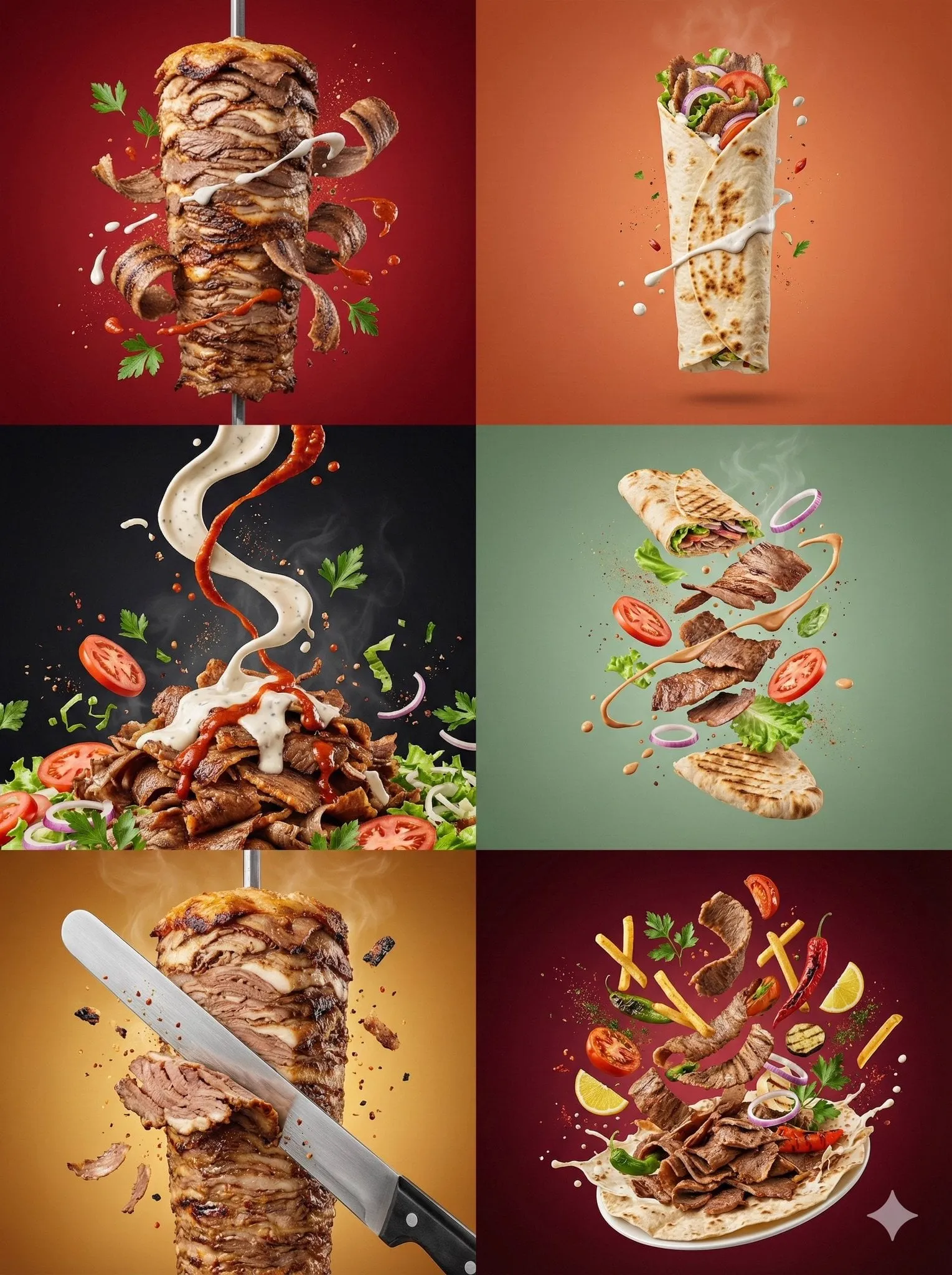
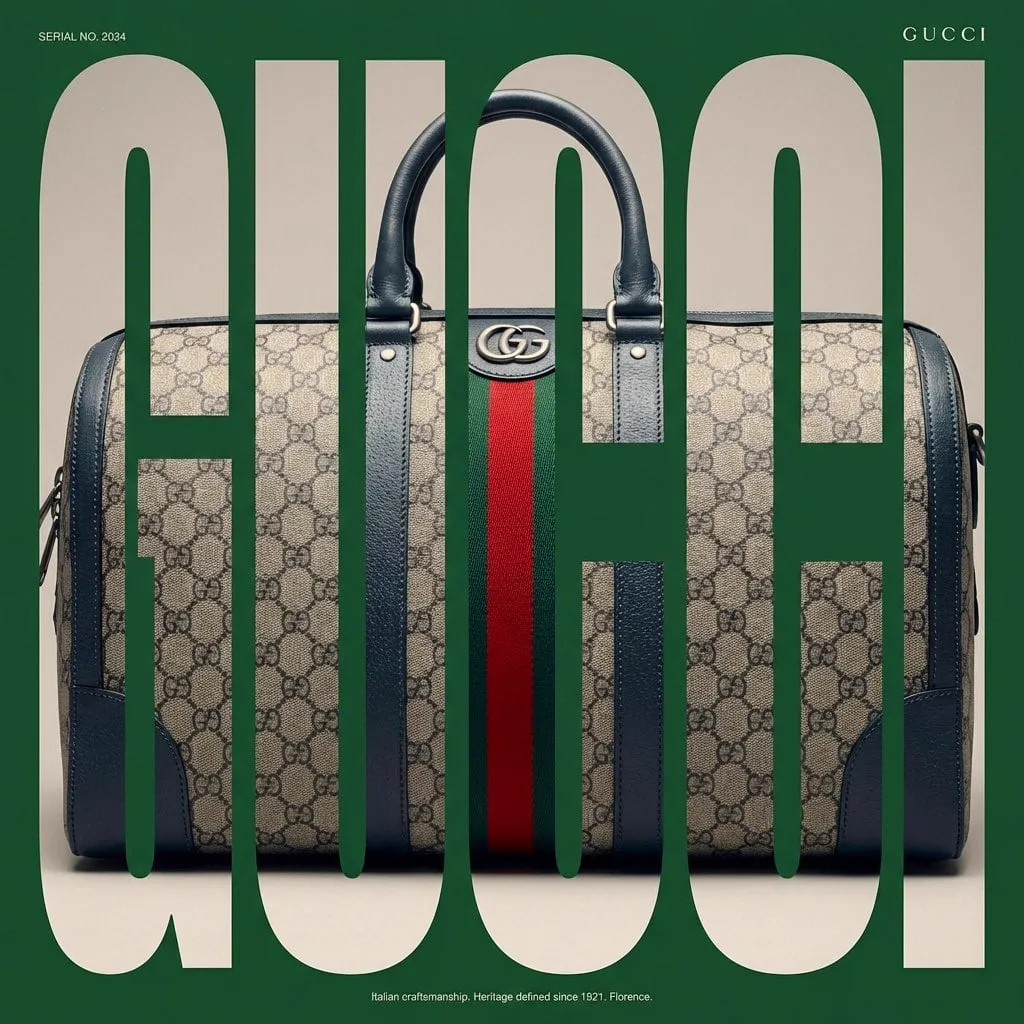
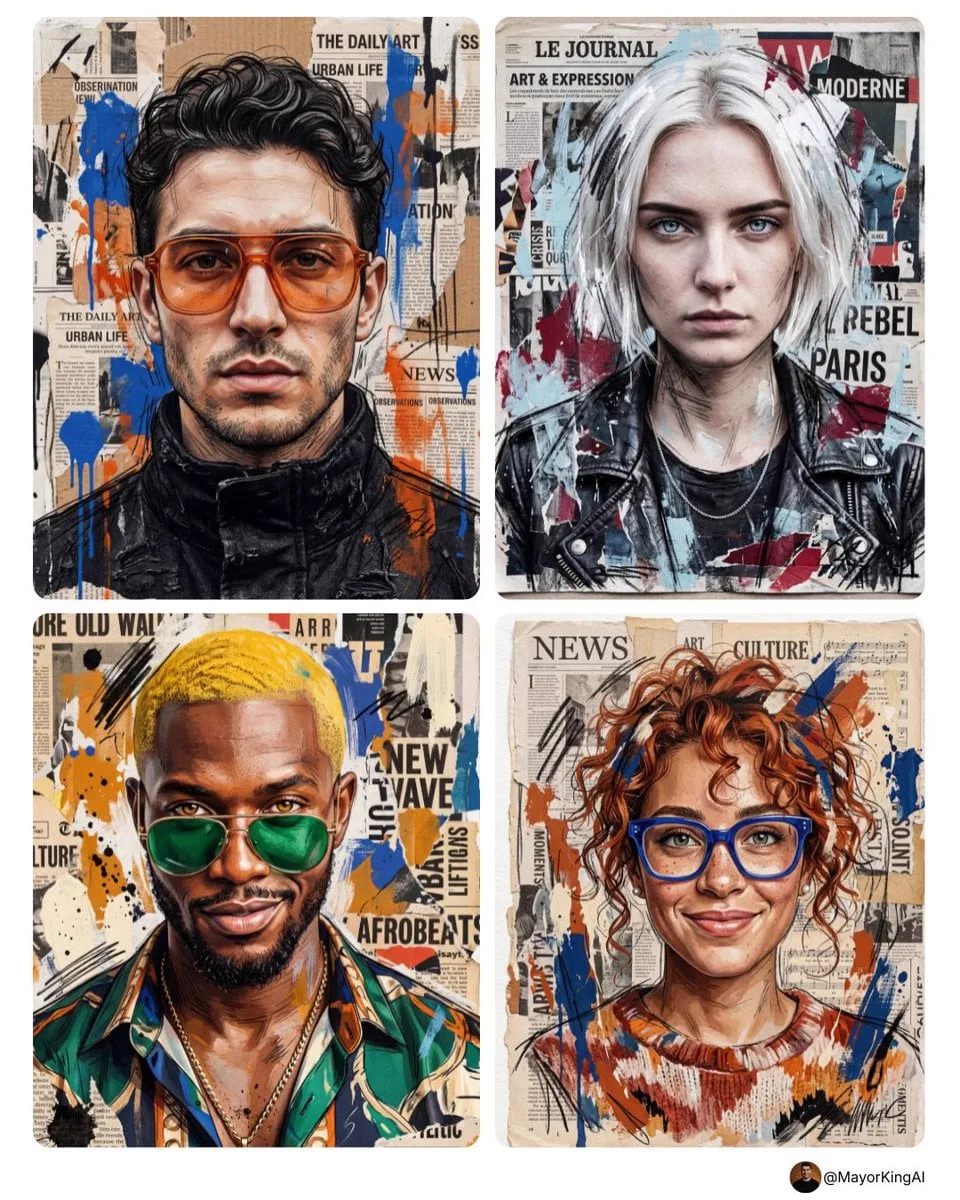
The phrase "text to video" has become a catch-all for a very diverse group of tools. Under that single label you will find engines optimized for photorealism, engines built for narrative coherence, engines that prioritize speed, and engines that serve a specific regional audience with distinctive aesthetics. Understanding the differences is not academic. It is the difference between fighting a tool for an hour and producing a finished piece in one sitting.
This article walks through the leading engines as they exist in practice, what each one is genuinely good at, where each one struggles, and how to combine them into a single production pipeline.
The State of Text-to-Video in Practice
The field has matured quickly along three axes: visual quality, temporal consistency, and prompt fidelity. Early tools produced recognizable but unstable clips. Current tools produce shots where faces hold, physics behave, and the lighting matches the mood of the prompt.
Maturity does not mean uniformity. Every engine is a bet on a specific strength, and that bet shows in the output. An engine trained on cinematic datasets will make everything look like a film still, even when you ask for a casual vlog. An engine trained on social content will make everything feel native to a phone screen. Knowing the default bias of each engine is the first step to using it well.
What Separates a Great Engine from a Good One
Four capabilities separate the leaders from the pack:
- Temporal consistency: do characters and objects stay stable across the clip and across shots?
- Prompt adherence: does the output match the letter of the request, not just the mood?
- Motion realism: does movement follow physics, with believable weight and acceleration?
- Control surface: can you steer composition, camera, and style, or are you stuck with the model's default?
A great engine excels at at least two of these and gives you tools to compensate for its weaknesses. A good engine is strong at one and opaque about the rest. Most workflow problems come from using an engine where its weakness overlaps with the project's requirement.
The Premium Tier: Flux, Runway, and Sora
Flux
Flux is the image-first family, and it shows. Its default output has a level of photographic detail and stylistic control that makes it the first stop for hero visuals and product shots. When the deliverable is a single frame that must look perfect, Flux is hard to beat. Its limitations appear in long sequences, where maintaining motion coherence takes more work.
Runway Gen-4
Runway Gen-4 is the consistency champion. Its models keep characters, objects, and locations recognizable from shot to shot, which is the foundation of any narrative work. It also speaks camera language fluently: close-ups, wide shots, and transitions read as intentional choices. If you are assembling a multi-shot sequence, Gen-4 is the most reliable anchor engine.
OpenAI Sora
The Sora series is the narrative specialist. It understands sequences of events, causal relationships, and spatial arrangements better than most competitors. Prompts describing an action chain, such as "the door opens, the cat runs out, the vase tips over", produce a coherent chain instead of disconnected imagery. For story-driven content, that understanding is worth more than raw resolution.
The Asian Innovators: Kling, MiniMax, and PixVerse
Kling
Kling models are the prompt-adherence workhorses. They follow detailed, literal instructions, including culturally specific requests that other engines quietly ignore. This makes Kling dependable for client briefs and for projects where the description is a contract. The trade-off is a default aesthetic that some creators find less cinematic than the premium Western engines.
MiniMax
The MiniMax Hailuo line is known for physical realism at moderate cost. It handles objects interacting, clothing moving, and weight shifting with a naturalness that makes it a strong budget choice for action scenes and character-driven content. It is also fast, which makes it excellent for iteration-heavy workflows.
PixVerse
PixVerse focuses on creative control. Its feature set includes tools for compositing, style mixing, and fine-grained steering of individual elements. If your project lives in the space between generation and compositing, PixVerse gives you more levers than the average engine. Its strengths are creativity tools rather than raw realism.
The Motion Specialists: Luma, Pika, and Vidu
Luma Ray 2
Luma's models are the camera-motion experts. They produce dynamic moves, large-scale scenes, and sweeping shots with a fluency that other engines struggle to match. When the prompt is about movement through space, such as a drone-like flyover or a tracking shot through a crowd, Luma is the first choice.
Pika
Pika balances speed with visual integration. It is a fast engine with a strong editing mindset, useful when you need many variations quickly or when you want to extend and modify existing clips. Pika shines in social-first workflows where iteration speed matters more than absolute fidelity.
Vidu Q1
Vidu is the multimodal reference specialist, with particular strength in anime and stylized content. It handles reference images well, preserving character design across generations, which makes it a favorite for animation pipelines and stylized series work.
The Open Ecosystem: Hunyuan and Wan
Tencent Hunyuan Video
Hunyuan is the open-weight powerhouse. It delivers high quality with the flexibility of self-hosting and fine-tuning, which makes it attractive to teams that want full control over their pipeline and their data. The cost is operational: you trade a managed service for infrastructure management.
Alibaba Wan Series
The Wan series is notable for strong first-and-last-frame control, which is a precise and valuable capability. If you need a shot to start and end on exact frames, for seamless looping or for matching storyboard panels, Wan gives you that control natively.
A Practical Comparison Table
| Engine | Core Strength | Best For | Watch Out For |
|---|---|---|---|
| Flux | Photorealism and detail | Hero visuals, product shots | Motion coherence in long clips |
| Runway Gen-4 | Temporal consistency | Multi-shot narratives | Budget settings feel generic |
| Sora | Narrative understanding | Story-driven scenes | Less control over style defaults |
| Kling | Prompt adherence | Client briefs, literal requests | Default aesthetic can feel plain |
| MiniMax | Physical realism | Action, character motion | Fewer premium style options |
| PixVerse | Creative control | Compositing and style mixing | Steeper learning curve |
| Luma Ray 2 | Camera motion | Dynamic shots, flyovers | Detail density at high speed |
| Pika | Speed and integration | Social iteration | Not the top of raw quality |
| Vidu Q1 | Reference fidelity | Anime, stylized series | Niche default style |
| Hunyuan | Open flexibility | Self-hosted pipelines | Operational overhead |
| Wan | Frame control | Loops, storyboard matching | Narrower community support |
Building a Model-Agnostic Workflow
The most professional pattern is to stop asking "which engine should I use" and start asking "which engine should handle this shot". A production pipeline that treats engines as a portfolio looks like this:
- Concept and storyboard: define the shot list and the emotional curve before any generation.
- Look development: generate key frames with Flux or a comparable image engine, then lock the style.
- Shot production: assign each shot to the engine that matches its requirement. Narrative beats go to Sora or Runway; dynamic moves go to Luma; fast variations go to Pika or MiniMax.
- Consistency pass: feed approved frames into image-to-video generation so every shot inherits the locked look.
- Assembly and polish: edit the clips together, add sound, and only then decide whether any shot deserves a premium regeneration.
The benefit of this approach is resilience. When one engine updates or disappoints, the pipeline adapts by reassigning shots instead of restarting.
A Realistic Example: A 30-Second Product Spot
To see the portfolio approach in action, walk through a typical brief: a thirty-second product spot for a portable speaker, targeting a young urban audience.
- Shot one, the hook: a close-up of the speaker on a rooftop at sunset. Generate the still with an image-first engine, because the hero visual has to be flawless. Use that still as the reference for the motion pass.
- Shot two, the lifestyle moment: a person carrying the speaker through a busy market. This needs physical realism and believable interaction with a crowd, so a physics-focused engine is the right call. Feed the hero still in as a reference so the speaker never morphs.
- Shot three, the motion beat: a dynamic flyover of the city with the music swelling. This is camera-motion territory; the movement is the entire point of the shot, so assign it to the motion specialist.
- Shot four, the payoff: the speaker close-up again, bass visible in the frame, cutting to the product name. Return to the image engine for the still, and use the consistency engine for the final push-in so the product stays identical to shot one.
The pattern is clear: stills come from the image leader, physical moments come from the physics leader, the camera beat comes from the motion leader, and every engine receives the same locked reference frames. The result is a spot where each shot is generated by the tool best suited to it, yet the whole piece reads as one visual language. The audience will not know which engine made which shot, and that is exactly the point.
How Often Should You Re-Evaluate Your Portfolio?
Treat engine evaluation as a quarterly habit, not a weekly panic. The landscape moves fast, but your workflow should move slowly. Once a quarter, run your fixed test suite against the current leaders, check whether any limitation that blocked a real project has been solved, and swap an engine only when the evidence from your own deliverables supports it. Everything else is noise. A portfolio that changes every week never builds a playbook, and the playbook is what actually produces the consistency audiences reward.
Frequently Asked Questions
Do I need to master every engine? No. Master two: one for stills and look development, one for motion. Learn the others well enough to know when to call them in.
Is there a single best engine? There is a best engine per job, and the job changes every shot. The question only has an answer when you specify the deliverable.
How do I keep quality consistent when mixing engines? Lock the style in the still stage, use reference frames, and carry the same palette and lighting descriptions into every prompt. The engine is less important than the anchor.
Are open-weight models a real alternative? For teams with infrastructure skills and data requirements, yes. For individual creators, managed services usually win on total cost of ownership.
How fast should I expect to iterate? A single shot from prompt to acceptable output is typically minutes. A full project is hours, and most of that time is selection and assembly, not generation.
What if I can only afford one engine? Buy the consistency anchor. A consistency-first engine covers the most ground for narrative and product work, and you can compensate for stills by using its image mode before generating motion.
How do I evaluate a new engine without wasting a week? Run a fixed test suite: one product shot, one person walking, one camera move, one style test. Generate the same four prompts on your current engine and the candidate, and compare on a timeline, not in a demo.
Do I need the same engine for every platform format? No. You need the same visual anchors, but the format changes the composition. Generate the master in the highest resolution, then re-frame for vertical, horizontal, and square from the same stills instead of regenerating from scratch.
How do I know a portfolio approach is working? The tell is consistency of output across shots and projects. If a video looks assembled rather than generated piece by piece, the portfolio approach is doing its job, and the engine choices fade into the background where they belong.
Final Thoughts
The engine landscape is rich enough that no one tool deserves your loyalty. Each engine is a distinct instrument, and a finished video is an ensemble performance. Learn the instruments, know which one leads for each shot, and standardize the anchors that keep the whole piece consistent. That is the difference between using AI video and producing with it.
