
Learn AI Filmmaking: From Idea to Short Clip in Minutes
The idea of turning a thought into a finished short film in a few minutes used to be fantasy. Traditional filmmaking demands weeks of planning, shooting, editing, and revision. In 2025, that timeline has collapsed. Generative AI lets creators move from a written idea to a polished short clip in minutes, and the workflow is now accessible to anyone with a prompt and a reference image, not just studios with large budgets.
This guide explains how AI filmmaking actually works, which models matter, how to keep your characters and scenes consistent, and how to build a repeatable workflow that turns ideas into clips quickly without sacrificing quality.
Why AI Filmmaking Matters in 2025
The demand for short video has never been higher. Social platforms reward creators who publish consistently, and marketing teams need endless variations of the same message. Traditional production cannot keep up with that pace. AI filmmaking answers the core problem: how do you produce quality video at the speed of an idea?
Market analysts project the AI-generated video market to reach tens of billions of dollars by the middle of the decade, driven by tools that keep getting easier to use and models that keep getting better. The result is a production model where one person can operate like a small studio: write the concept, generate the visuals, layer in audio, and publish, all in a single afternoon.
How AI Video Generation Actually Works
Modern AI video tools are built on diffusion models and transformer architectures trained on enormous datasets. When you type a prompt, the model translates your text into an embedding, then iteratively refines noise into a sequence of frames that matches your description. The best models understand more than keywords; they understand spatial relationships, lighting, motion, and even the physical behavior of objects.
The pipeline behind a single generated clip involves several stages: text encoding, frame synthesis, temporal smoothing, and upscaling. That is why the same prompt can produce different results on different models. Each model has its own strengths, and knowing them is the first skill of AI filmmaking.
The Models You Need to Know
No single model dominates every use case, and serious creators learn to switch between them.
- Flux Series: known for photorealistic image generation and strong style consistency, built on non-destructive training approaches that preserve detail across generations. It is a solid foundation for character sheets, concept art, and scene references.
- Runway Gen-4 and Gen-3 Alpha: the gold standard for cinematic video quality. They excel at scene coherence and complex object motion, which makes them ideal when you need several clips that feel like they belong to the same production.
- Sora Series: OpenAI's breakthrough in realism and world modeling. Sora produces videos with unprecedented physical plausibility and a deep understanding of how scenes are structured, which matters for narrative work.
- Kling AI: a strong Asian alternative known for prompt adherence and aesthetic diversity. It handles stylized looks well and is often more accessible for everyday projects.
- MiniMax Hailuo: a cost-effective option for high-volume content that still looks polished.
- Luma Ray, Pika, and Vidu Q1: specialized models for visual effects and motion, useful when you need fluid movement, object persistence, or creative effects that generic models struggle with.
A practical strategy is to build a toolkit: use a premium model for the hero shot, a fast model for variations and b-roll, and a specialized model for effects. That mix keeps quality high and costs manageable.
Building Consistency: Characters, Style, and Scenes
The hardest part of AI filmmaking is not generating one good clip; it is generating a series of clips that feel like one film. Viewers notice immediately when a character changes face between scenes or when the lighting suddenly shifts.
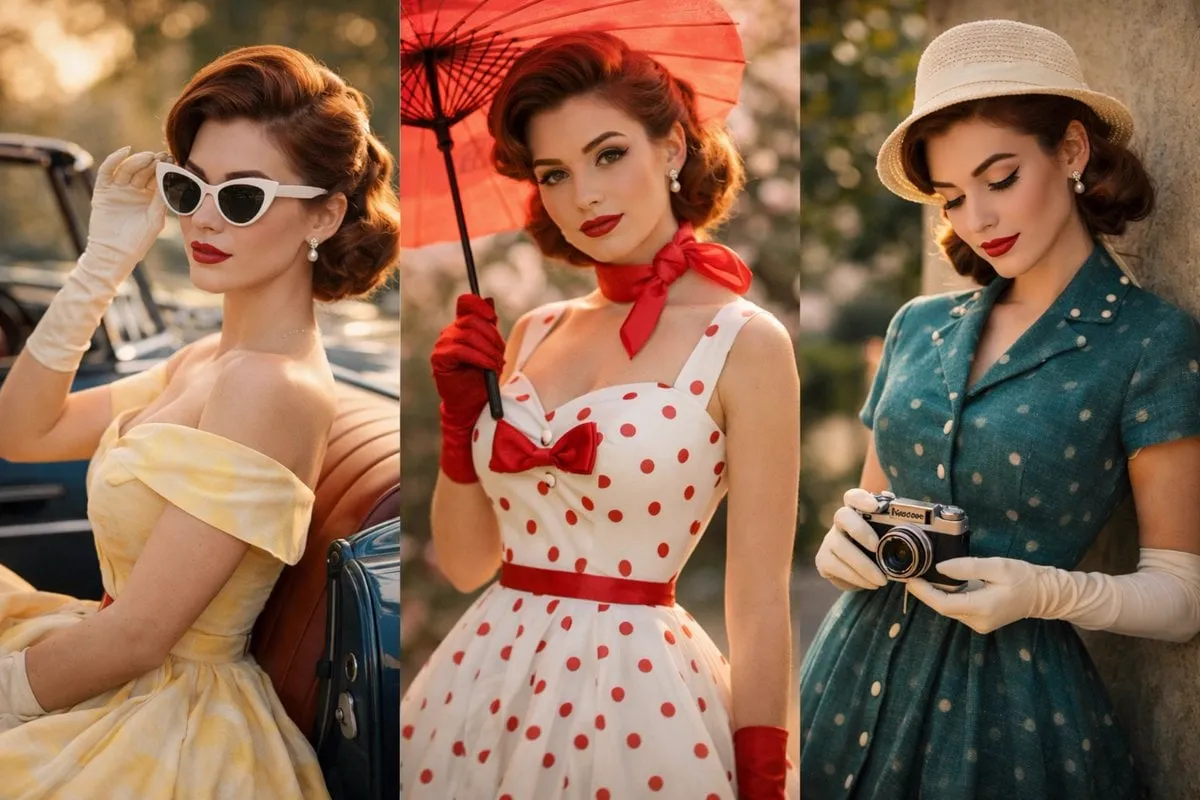
The solution is reference-based generation. Feed the model several images of your character or scene, and it learns a consistent interpretation across shots. Multi-image fusion is the technique behind this: multiple reference angles, outfits, and expressions combine into a stable character model that survives scene changes. The more consistent your references, the more consistent your output.
The same logic applies to style. A reference image can anchor the color palette, lighting mood, and art direction for an entire series. Once you have a style locked, every generated clip inherits it, and your content starts to look like a branded production rather than isolated experiments.
The AI Director: Automating the Creative Process
Beyond raw generation, the current generation of tools adds an intelligent layer that behaves like a director's assistant. This AI agent helps with scene composition, suggests camera angles, structures narrative beats, and manages shot order. Instead of prompting each clip in isolation, you describe the whole scene and the agent decomposes it into shots, keeping them consistent.
This matters for two reasons. First, scalability: a defined workflow can reproduce the same style and structure across a series of episodes or campaign videos. Second, reproducibility: when the agent manages the parameters, you can iterate on the story without breaking the visual identity.
You still make the creative decisions, but the mechanical work of composition, framing, and continuity moves to the machine.
From Idea to Clip: A Step-by-Step Workflow
A reliable AI filmmaking workflow looks like this:
- Write the idea as a short treatment. One sentence for the concept, one paragraph for the action, one list of shots you need.
- Create a style anchor. Generate or select a reference image that defines the look, palette, and mood.
- Build character references. Create a small sheet of your main character from multiple angles before generating any scenes.
- Generate scene by scene. Use the best model for each shot, always passing the style and character references.
- Review for continuity. Watch all clips together and fix any character or lighting drift with adjusted references.
- Edit and finish. Cut the clips, add music, sound effects, and voiceover, then export at high quality.
- Publish and iterate. Shorten or expand based on audience response, and reuse the style anchor for the next video.
This workflow turns filmmaking into a repeatable system. The first video takes the longest because you build the anchors; every video after that is faster.
Audio and Sound Design
Video is half picture, half sound, and AI filmmaking now covers both. Voice synthesis tools generate narration in multiple languages, and sound design tools build music beds, effects, and ambient textures from text descriptions. Adding a proper audio layer transforms a sequence of generated clips into something that feels like a real production.
Keep the audio consistent with the visual style: a cinematic look needs a cinematic soundscape, while a fast-paced social clip needs rhythmic music and punchy effects. Align the voiceover to the shot changes, and use a continuous music bed to mask any gaps between generated segments.
Cost and Time: Choosing Models Wisely
Not every shot needs a premium model. A simple cost-benefit analysis saves significant budget without hurting the final result:
- Hero shots, product reveals, and anything that anchors the video: use your best model.
- Transitions, b-roll, and background plates: use a fast, cost-effective model.
- Effects and specialty motion: use a specialized model only where needed.
- Drafts and storyboards: use the cheapest model; quality matters only in the final pass.
Time works the same way. Generate drafts quickly to validate the story, then invest the slow, premium generations on the shots that actually make it into the final cut.
Community, Monetization, and Building an Audience
AI filmmaking is not just a production technique; it is an economy. Creators publish their workflows, share model prompts, and sell templates and style packs. Communities around AI filmmaking exchange references, compare model outputs, and collaborate on projects. Monetization ranges from sponsored content and platform revenue to selling custom AI-generated assets and training materials.
The practical advice is to build a visible system: document your workflow, share your style anchors, and publish consistently. The audience is not just watching your videos; they are watching your process.
Common Mistakes to Avoid
- Skipping character references. Without them, your character changes face every scene.
- Using one model for everything. You pay premium prices for shots that a fast model handles perfectly.
- Ignoring audio. Generated clips without sound feel unfinished no matter how good they look.
- Over-prompting. Cramming every detail into one prompt produces chaos; break the scene into shots.
- Forgetting continuity. Review the whole timeline together, not clip by clip.
Choosing Your Tool Stack
Newcomers often ask which tools to start with. The honest answer is that the tool matters less than the workflow, but a sensible starting stack looks like this.
For concept and reference work, start with a strong image generator like the Flux Series. Build your character sheets and style anchors there, because consistent references are the foundation of everything else. For your first video clips, pick one capable video model that matches your primary need: Sora for realism and narrative scenes, Runway for cinematic coherence, or Kling for stylized looks and prompt adherence. Master one model before expanding your toolkit.
Add a fast, cost-effective model like MiniMax Hailuo for drafts, variations, and b-roll, and keep one specialized motion model such as Luma Ray, Pika, or Vidu Q1 for effects that the main model handles poorly. Round out the stack with an editor you already know, a voice synthesis tool for narration, and a sound design tool for music and effects.
The decision criteria are simple: quality for hero shots, speed and cost for volume, specialization for edge cases, and consistency for anything that spans multiple clips. As your volume grows, add models deliberately rather than collecting them. A small, well-understood toolkit beats a large, chaotic one every time.
FAQ
How long does it take to make an AI short film?
A simple 30- to 60-second clip with an established style can go from idea to finished video in under an hour. The first project takes longer because you build references and learn the tools.
Do I need to know how to code?
No. Modern tools are prompt-driven. The skills that matter are writing clear prompts, building good references, and editing the results.
Can AI match my specific art style?
Yes, if you provide strong style references. Style transfer and reference-based generation let you anchor a look and reproduce it across clips.
Is AI-generated video good enough for clients?
For social content, concept work, product demos, and localized variations, absolutely. For hero brand films, combine AI elements with professional finishing.
What if my generated characters look inconsistent?
Rebuild your character reference sheet with more angles and expressions, and pass it to every scene generation. Consistency is proportional to the quality of your references.
What skills do I need to succeed with AI filmmaking?
Three skills matter most: writing clear prompts that describe action, composition, and mood; building strong references that keep characters and styles consistent; and editing the results so the clips feel like one production. Technical skill with the models matters less than these creative disciplines, and they improve quickly with practice.
How do I know which model to use for a scene?
Match the model to the role of the shot. If the scene carries the story or the brand, use your premium model. If it is a transition, a background, or a draft, use the fast model. If it needs a specific effect, use the specialized model. This keeps quality where it counts and cost under control.
Final Thoughts
AI filmmaking has turned the gap between idea and video from weeks into minutes. The tools are powerful, but the craft is still yours: choose the right model for each shot, build references that hold characters and styles together, layer in proper audio, and iterate based on what works. Learn the workflow once, and you have a system that produces quality short films on demand.
