
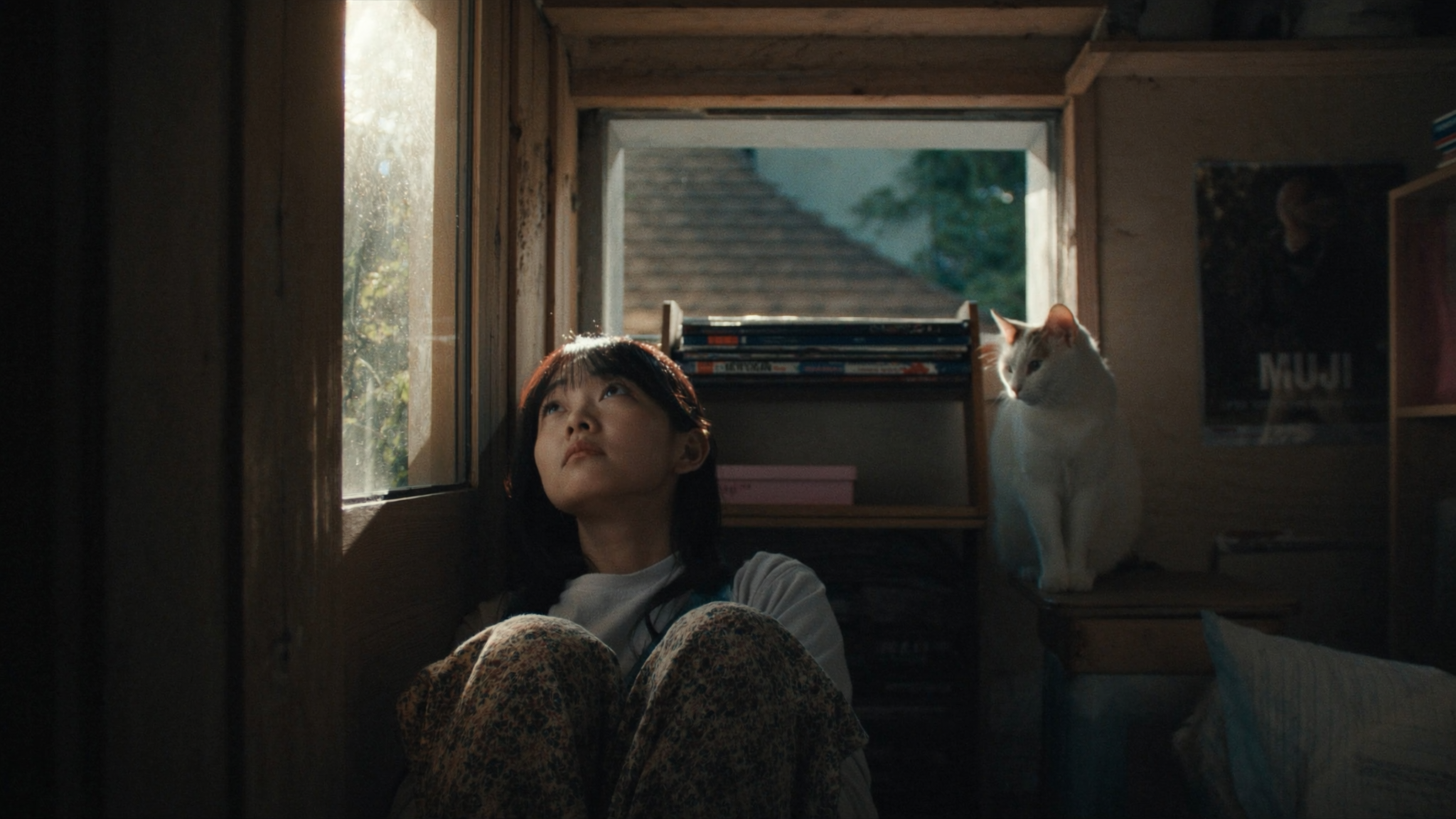

Visual consistency has always been the hardest problem in AI-generated imagery. Anyone who has worked with generative tools knows the frustration: you craft a perfect character, and then the very next image gives them a completely different face. Hair changes color, facial features shift, clothing redesigns itself. For years, creators accepted this instability as the price of working with AI. Then a new architectural idea started changing the game — an approach that treats an image not as a single monolithic output, but as a construction built from modular visual building blocks.
Think of it like building with LEGO bricks. A finished model is impressive, but the real power lies in the bricks: standardized components that snap together according to clear rules. When you understand which brick goes where, you can build the same castle twice, or build a hundred variations while keeping the core structure recognizable. The "Lego Pixel" approach applies this same logic to image processing. Instead of generating an entire image from a vague prompt, you define the visual components of your subject once, then reassemble them consistently across every scene.
This article explains the Lego Pixel architecture, how it solves visual drift, and how you can use it to create images and videos that actually stay consistent across an entire project.
The modular image: treating visuals as building blocks
The core insight of the Lego Pixel approach is that a coherent image is not generated — it is assembled. A character, a location, or a product shot can be broken down into layers: the underlying geometry of the subject, the stylistic treatment, the lighting, the composition. Each layer is a brick. When these bricks are well-defined and reusable, the same subject can appear in a hundred different contexts without losing its identity.
This is a fundamental shift from traditional prompting. With a text prompt, you describe what you want and hope the model interprets it correctly. With modular building blocks, you show the model what the subject looks like, from multiple angles and in multiple conditions, and the model maintains that definition no matter what scene you drop it into.
The practical benefit is reproducibility. Define your character's face once, as a brick. Define their outfit, their proportions, their color palette — each as a separate brick. Now you can generate an establishing shot, a close-up, an action scene, and a moody night scene, and the character will look like the same person in all of them. This is exactly what production teams need, and it is why the modular approach has moved from academic idea to practical workflow so quickly.
How the Lego Pixel architecture works under the hood
At a technical level, the modular image approach separates an image into structural and stylistic components. The structural components encode what the subject is: facial geometry, body proportions, object shapes, spatial relationships. The stylistic components encode how the subject looks: color grading, texture, lighting mood, rendering style.
This separation matters because it mirrors how human perception works. When you recognize a friend in a dark room, you are using structural information — their silhouette, their height, the shape of their head. When you recognize a brand's video from a single frame, you are using stylistic information — the color palette, the typography, the lighting. By keeping these layers distinct, the system can preserve identity (structure) while adapting presentation (style) to different scenes.
The fusion of multiple reference images is the mechanism that builds these layers. Instead of relying on a single photo, the system ingests several images of the same subject and extracts the features that are stable across all of them. These stable features become the subject's identity definition. The technique is known as multi-image fusion, and combined with keyframe control it forms the technical backbone of consistent AI video production.
Why visual drift happens without modular control
To appreciate what modular building blocks solve, you need to understand why drift happens in the first place. Generative models are statistical samplers. When you give them a text description, they sample from a huge distribution of possible images that match the description. That distribution contains millions of variations of "a woman with brown hair" — different faces, different bone structures, different skin tones.
For a single image, this is a feature: you can generate twenty options and pick the best. For a sequence, it is a disaster. Every frame is a fresh sample, and nothing forces the model to reuse the face it generated in the previous shot. The result is character drift: faces change, outfits mutate, and the viewer loses trust in the visual world.
Text prompts cannot fully solve this, because language is inherently underspecified. Words like "handsome" or "confident" map to entirely different visual features for different people. The only way to lock down a face with precision is to show the model what the face is, not tell it. That is what the modular approach does: it replaces ambiguous descriptions with concrete visual references.
Keyframe control: planning the sequence like a director
The Lego Pixel approach does not stop at single images. For video, the same philosophy extends to keyframe control. A keyframe is a frame that defines a critical moment in a sequence: the opening shot, a turning point, the final image. By specifying keyframes, you give the model anchor points that the rest of the sequence must respect.
This is the difference between asking a model to improvise a story and asking it to connect the plot points you have already written. With keyframes, the model fills in the transitions, but the key moments are under your control. The character does not drift because their appearance is locked in the keyframes. The camera move follows your plan because you defined where it starts and ends.
For creators, keyframe control is the tool that transforms AI video from a lottery into a production process. You can storyboard a scene, specify the important frames, and generate a sequence that actually matches your vision. When a segment does not work, you regenerate just that segment instead of the entire take.
Building a modular asset library for your projects
The most practical application of the Lego Pixel philosophy is building a reusable asset library. Instead of recreating your character or location from scratch for every project, you build them once as modular assets and reuse them indefinitely.
Start with your character sheet: a set of reference images showing the character from the front, side, and three-quarter angles, in neutral and expressive poses, in different outfits if needed. This sheet is the character's identity definition. Then build environment sheets: reference sets for each location your project uses, showing architectural details, color palettes, and lighting conditions.
When you start a new project, load the relevant assets rather than describing everything from scratch. The character will look right because the model is not guessing — it is reassembling defined components. The location will look right because it is built from the same bricks as before. This consistency is what makes a portfolio of AI-generated work feel like a real body of work rather than a random collection.
The library also compounds over time. Every project adds new assets: new poses, new outfits, new environments, new lighting conditions. After a few months, you have a rich toolkit that makes new projects dramatically faster and more consistent.
Orchestrating models: using the right brick for the right job
The modular philosophy also applies to model selection. Different models have different strengths, just as different bricks suit different purposes. A photorealistic model may excel at lifelike characters, while a stylized model captures a specific aesthetic better. A fast model is ideal for exploration; a premium model is worth its cost for final renders.
The practical workflow is layered. Use fast, affordable models to explore ideas and test compositions. Once you have selected a direction, switch to higher-quality models for the final output. Keep your asset definitions the same across both phases, so the exploration and the final result remain consistent.
This layering is also how you control costs. Premium generation is expensive; spending it on every experimental variation is wasteful. By using cheap models for the search and expensive models for the production, you get the best of both worlds: speed during exploration, quality in the final output.
Common mistakes and how to avoid them
The modular approach is powerful, but it has its own failure modes. The most common mistake is inconsistency within the reference set itself. If one reference image shows your character with short hair and another with long hair, the system will produce a confused average. Curate your references carefully: same features, same palette, same rendering style.
The second mistake is switching models mid-project. Different models interpret references differently. Even with perfect assets, a character will look subtly different if you switch generation engines between scenes. Lock your model choice for the duration of a project.
The third mistake is over-constraining the system. If every brick is locked with maximum strength, the output can look stiff and lifeless, like the character is frozen. Good workflows balance consistency with freedom: lock the identity, but allow the scene, the lighting, and the composition to vary.
The fourth mistake is neglecting validation. Generate a test batch early, compare frames side by side, and fix problems before you invest in full production. A few minutes of validation saves hours of rework.
Building a consistent visual brand with modular assets
The modular approach is not just for characters and films — it is a brand tool. Companies that produce AI-generated content face the same consistency problem at portfolio scale: every post, every ad, every video should be instantly recognizable as belonging to the same brand.
Define your brand's visual bricks: the color palette, the typography style, the lighting mood, the composition rules. Apply these as style assets across all content. Now every piece of content, regardless of its subject, shares the same visual DNA. This is how brands built with AI achieve the recognition that traditional brands achieve through years of art direction.
The payoff is trust. Audiences subconsciously register consistency as professionalism. When your content looks like it comes from one coherent world, it reads as intentional, high-quality, and worth paying attention to. When it looks like random AI outputs, it reads as disposable. The modular approach is what separates the two.
Frequently asked questions
How many reference images do I need for a character? A solid starting point is three to eight well-chosen images covering different angles and conditions. Consistency within the set matters more than the count.
Can I build assets for objects and products, not just characters? Absolutely. Products, vehicles, buildings, and stylized visual approaches all benefit from modular definition. The principles are identical.
Does this work with any AI video tool? Support for multi-image fusion varies by tool. Check whether your platform accepts multiple reference images and offers keyframe control. Tools like Runway Gen-4, Kling, and Vidu support multi-reference workflows.
Is the modular approach more expensive? The per-generation cost is comparable, but the total cost is usually lower because you regenerate far less. Consistency means fewer retakes, and that saves both time and budget.
How long does it take to build a good asset library? The first project is slower because you are building assets from scratch. Subsequent projects get dramatically faster as you reuse and extend the library.
Conclusion
The Lego Pixel approach reframes the central problem of AI imagery: instead of trying to generate consistency, you build it. By treating images as assemblies of modular components, defining identities with multiple references, and controlling sequences through keyframes, you take the randomness out of generative workflows.
This is not a single technique but a way of thinking. It applies to characters, environments, brands, and entire portfolios. It rewards discipline — careful reference curation, consistent model usage, early validation — and it pays back in the currency that matters most to creators: work that looks intentional, professional, and recognizably yours.
