
Visual consistency is the hardest problem in AI content creation. Generate one image and it can be stunning; generate a sequence of images with the same character, and the face subtly changes, the costume shifts color, the lighting drifts. The Lego Pixel technique approaches this problem from an unexpected direction: instead of chasing ever-more-realistic output, it treats the image as a matrix of blocks — like a construction toy — that can be edited, rebuilt, and locked into place. The result is a crisp pixel-art style that is not only visually distinctive but structurally consistent. This guide explains what the technique is, how it works, and how to use it in a complete creative workflow.
Why Visual Consistency Is the Real Challenge
The raw capability of AI image and video generation has improved dramatically. Models can produce photorealistic scenes, believable motion, and rich textures. But realism creates a new problem: the more detailed and realistic an image is, the more obvious small inconsistencies become. A character's jawline that changes by two pixels between shots is invisible in a still image and jarring in a sequence.
This matters everywhere creators work: brand campaigns need the same mascot across dozens of assets; storytellers need the same hero across scenes; product teams need the same visualization across renders. The industry term is visual drift, and it is the main reason AI-generated projects still require heavy human cleanup.
The Lego Pixel technique sidesteps the problem by changing the definition of success. Instead of "how photorealistic can we get," it asks "how perfectly can we control a limited visual language?" When every image is built from discrete, stylized blocks, consistency becomes a structural property rather than a fragile achievement.
What the Lego Pixel Technique Is
The technique takes its name from the way construction toys work: a small set of standardized pieces can build almost anything, and every build follows the same rules. In image terms, the output of a generative model is treated as a matrix that can be decomposed — each pixel or group of pixels becomes an independent, addressable element.
Instead of editing the image as a continuous photograph, the technique:
- segments the image into semantic regions (character, background, object, texture);
- applies a limited palette and block-based rendering rules;
- allows each region to be regenerated or refined independently;
- reassembles the pieces into a final image that follows one consistent visual grammar.
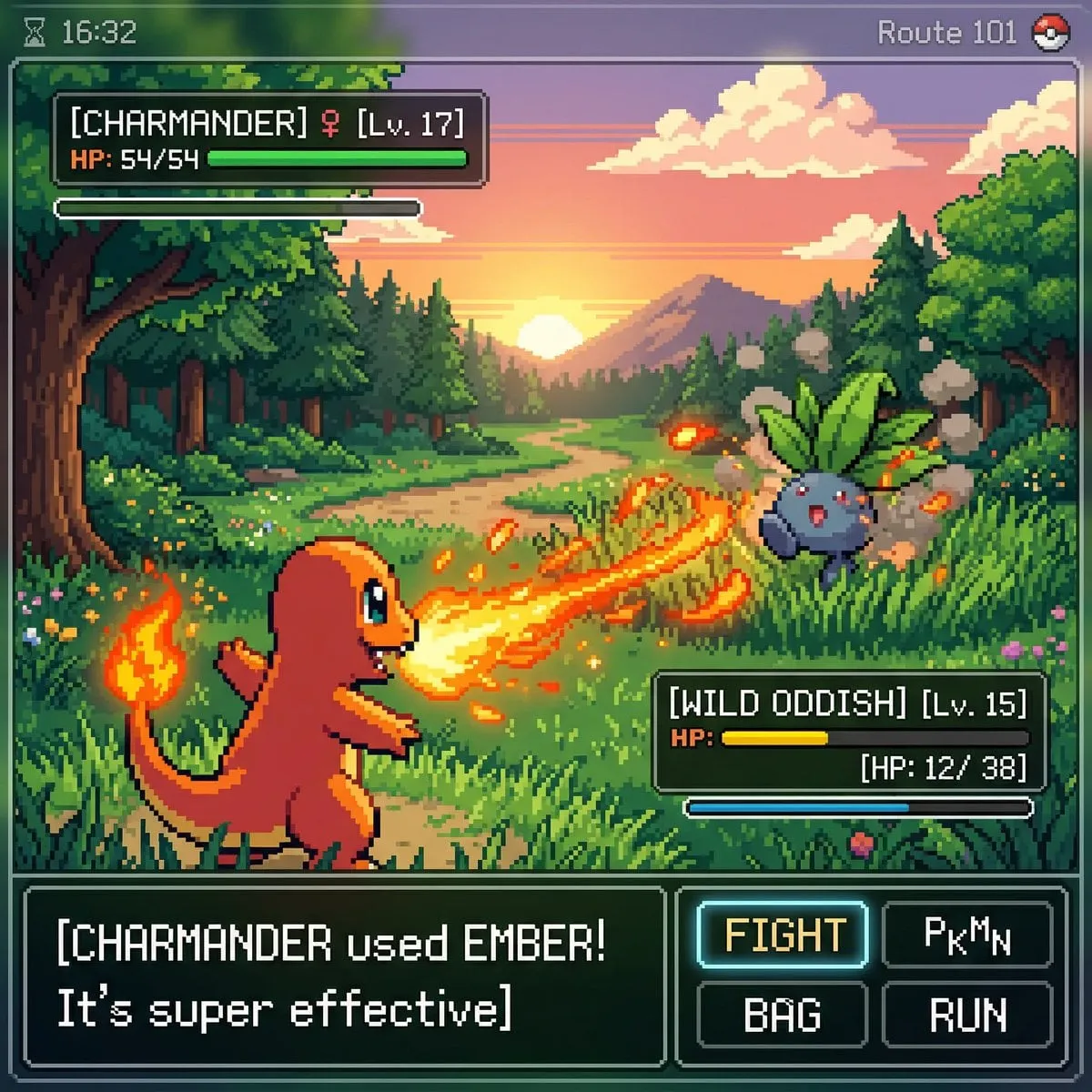
The result looks like deliberate pixel art, but the process is closer to modular construction than to classical image editing. It is this modularity that makes the technique powerful: because every piece is discrete and rule-bound, it can be swapped, rebuilt, and matched across multiple images.
How the Technique Works: Segmentation and Reconstruction
The core of the approach is segmentation. Advanced segmentation networks interact directly with the output of generative models, dividing an image into meaningful parts. The system learns not only where the boundaries are but what kind of region each one is: skin, fabric, sky, metal, foliage.
Once the image is segmented, each region is handled according to its type:
- Large flat areas (sky, walls, floors) become simple block fields with minimal variation.
- Detailed areas (faces, hands, logos) get more granular blocks and stricter color rules.
- Texture areas (fabric, foliage, water) use patterns that read as texture even at low resolution.
After processing, the regions are reassembled into a single coherent image. The palette is locked before assembly, so every region uses colors from the same family. This is what gives the final image its "built from one toy set" feel — and what makes it repeatable across different source images.
Keeping Characters Consistent with Reference Anchors
The most valuable application of the technique is character consistency. Once a character has been converted into a block-based representation, that representation becomes a reusable asset — like a Lego minifigure that can be placed in any scene.
The workflow is simple in concept:
- Convert the character's reference images (face, profile, full body) into block-based form.
- Lock the palette and the block rules for that character.
- When generating a new scene, anchor the character to those references.
- Verify the output against the reference set before accepting it.
This approach converts a fuzzy target ("keep this character looking the same") into a precise specification ("use these blocks, this palette, these proportions"). It does not eliminate every inconsistency, but it reduces drift dramatically and makes whatever drift remains easy to spot and fix.
Refining Textures, Color, and Lighting
The technique also shines at texture refinement. Photorealistic textures are hard to control: fabric folds, wood grain, and water reflections all generate slightly differently each time. In block-based rendering, texture is expressed as pattern rather than noise.
- Fabrics become repeating stitch or weave patterns that stay stable across images.
- Metals and glass use consistent highlight rules and edge blocks.
- Foliage and terrain use dithering patterns that read as organic at a distance.
Because these patterns are deterministic once defined, the same material looks the same in every image. For product visualization, this is a major win: a product shot in pixel style can be reproduced reliably across colors, angles, and scenes.
Color and lighting control
Color and light are where most AI images drift. The Lego Pixel approach makes both governable.
- Palette locking: define a fixed set of colors (often 8 to 32) and forbid anything outside it. This instantly unifies a series of images and gives the style its identity.
- Lighting as rules: instead of trying to reproduce realistic light, the technique uses simplified shading — a limited set of light and shadow values per block. Sunlight, moody light, and neon light become palettes and shadow depths rather than unpredictable physics.
- Cinematic grading at block level: because every region is addressable, you can adjust the mood of an entire image by shifting one palette, without retouching individual pixels.
This is why the technique feels like art direction rather than post-processing: you are designing the rules of a visual world, then letting the generator fill it in.
The Complete Workflow: From Idea to Final Output
A repeatable workflow makes the technique practical.
Phase one: define the style
Decide the block size, palette, and shading rules. Create a small style sheet with example images and the exact palette values. This style sheet is the contract for the whole project.
Phase two: produce base output
Generate the initial images with your chosen model. Do not chase perfection here; the point is raw material. Generate more variation than you need.
Phase three: convert and refine
Run the base images through the block-based conversion. Check each image against the style sheet, refine problem regions, and lock in the good results. Characters get their reference packs during this phase.
Phase four: assemble and verify
Place the characters and scenes into the final layout or sequence. Compare every image to the references, fix drift, and confirm the palette has not leaked. Export the final set.
Phase five: distribute
Use the consistent style across the project — video, social assets, thumbnails, merchandise. Because the style is locked, every new asset you produce extends the same visual universe instead of starting over.
Lego Pixel vs Traditional Editing Approaches
It helps to compare the technique with the alternatives.
- Prompt regeneration: asking the model to regenerate an image until it looks right. Flexible but unpredictable; each attempt can drift further from the target. The Lego Pixel approach replaces guesswork with a locked specification.
- Classical retouching: editing pixels in an image editor. Precise but slow, and it does not transfer to new images. The Lego Pixel approach is asset-based: once the rules exist, they apply to every new image.
- Style transfer: applying a reference style to new content. Powerful, but often produces inconsistent results across a sequence. The Lego Pixel approach adds a structural layer on top of style, which is what makes it consistent.
None of these are mutually exclusive. Many professionals combine them: prompt regeneration for exploration, style transfer for look, and the block-based approach for the final, consistent pass.
Creative Applications and Monetization
The technique opens real creative and commercial opportunities:
- Brand mascots: one consistent character across a whole campaign, from posts to packaging.
- Game art: pixel-style assets that match a defined palette and scale cleanly.
- NFT and collectible art: series where every piece shares a grammar but differs in composition.
- Merchandise: the block-based style translates naturally to physical products, patterns, and embroidery.
- Video and animation: sequences where the style holds across frames, solving the drift problem that plagues AI animation.
For monetization, the consistent style is the product. A signature visual language is what makes a creator or brand recognizable — and recognition is what commands premium pricing.
Building a reusable style sheet library
The most efficient way to work with the Lego Pixel technique is to treat style sheets as a library rather than a one-off setup. Once you have defined a palette, block rules, and shading conventions that you like, save them as a reusable asset — the same way a designer keeps brand guidelines.
A practical library starts with a folder structure: one folder per style, each containing the palette file, the block rules, the reference images, and the prompts that produced the best results. Name everything clearly — "neon-city-16px", "forest-palette-8px" — so you can find the right style in seconds.
Over time, the library becomes your visual vocabulary. When a client asks for "something retro but modern," you can show them three style sheets instead of describing the idea in words. When a project needs a consistent universe, you pull the matching sheet and generate assets that already agree with each other.
The library also makes iteration cheap. A small change — a shifted palette, a larger block size — turns an existing style into a new variant without rebuilding from scratch. Keep a short log of what each variant was used for and how it performed; that record turns taste into evidence.
Building the library takes discipline in the first few projects, but it compounds. Every new style sheet is a tool you will reuse, and every reuse makes the next project faster, more consistent, and more clearly yours.
FAQ
Do I need programming skills to use the Lego Pixel technique?
No. The concept is technical, but the implementation is available through visual tools and AI platforms. You do need visual judgment: palette choices, composition, and the discipline to follow a style sheet.
Is the technique only for pixel art?
The full block-based approach produces pixel art naturally, but the underlying idea — segmentation, palette locking, reference anchoring — applies to other stylized looks too. Start with pixel art because it is the cleanest expression of the concept.
How do I keep the style from looking cheap?
Pixel art looks cheap when the palette is random, the blocks are uneven, or the composition is weak. Invest in the style sheet: a tight palette, consistent block sizes, and strong silhouettes make the difference between "retro" and "sloppy."
Can I use it for commercial projects?
Yes, with the usual caveats: respect the licensing terms of the tools you use, secure rights to any source images, and keep your workflow documented. The technique itself is a method, not a license.
How long does it take to master?
The basics are learnable in a few sessions: convert an image, lock a palette, match a character. Mastery comes from building a library of reusable style sheets and reference packs — that is where the real speed and quality live.
Conclusion
The Lego Pixel technique answers a question that most AI content tools ignore: how do you keep a style and a character consistent across an entire project? By treating images as modular constructions rather than continuous photographs, it turns visual consistency from a fragile achievement into a structural guarantee. Define your palette and block rules, build reference packs for your characters, convert and verify every image, and you can produce series, campaigns, and animations that feel like one coherent world. The result is more than a trend; it is a workflow that turns the unpredictability of generative tools into a deliberate, repeatable art direction.
