
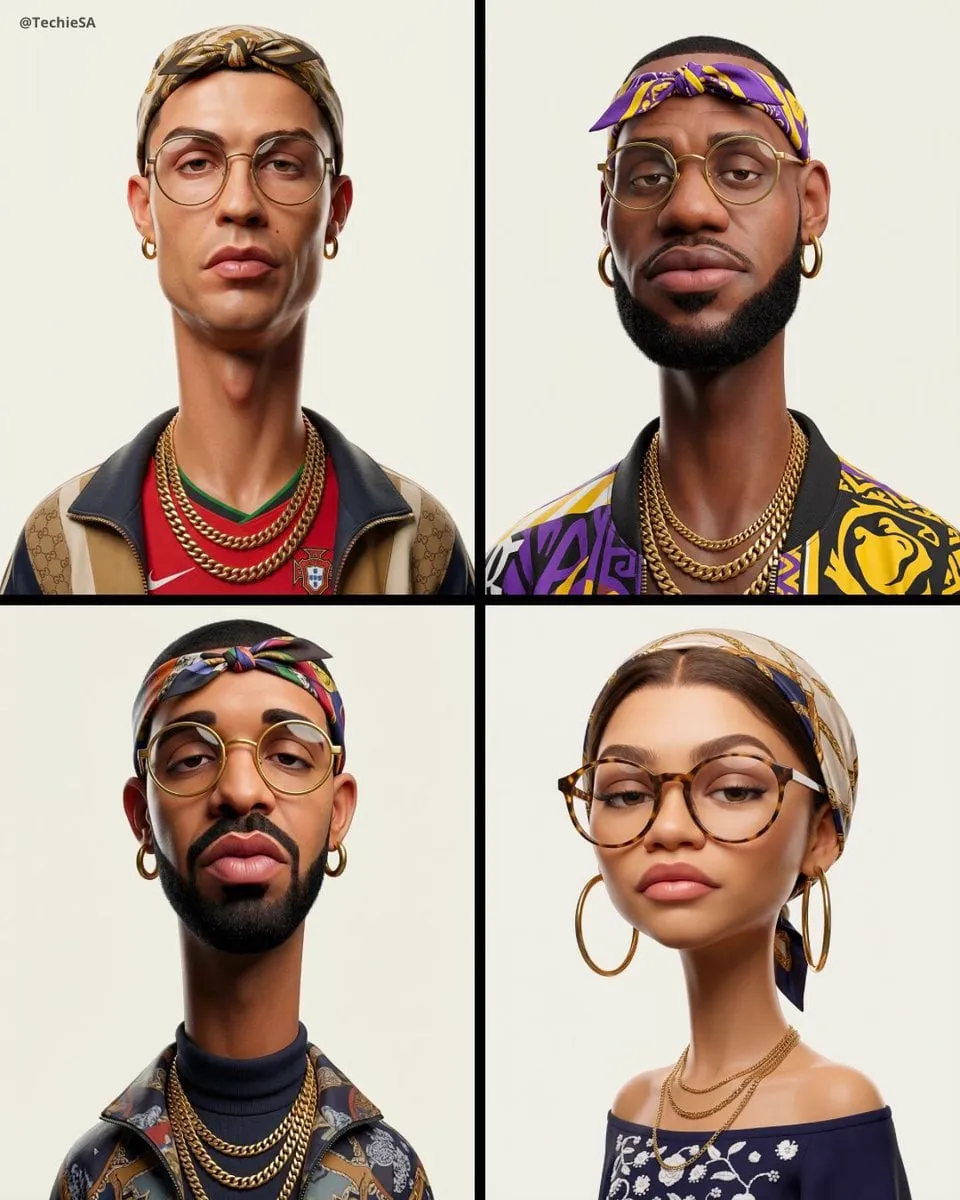

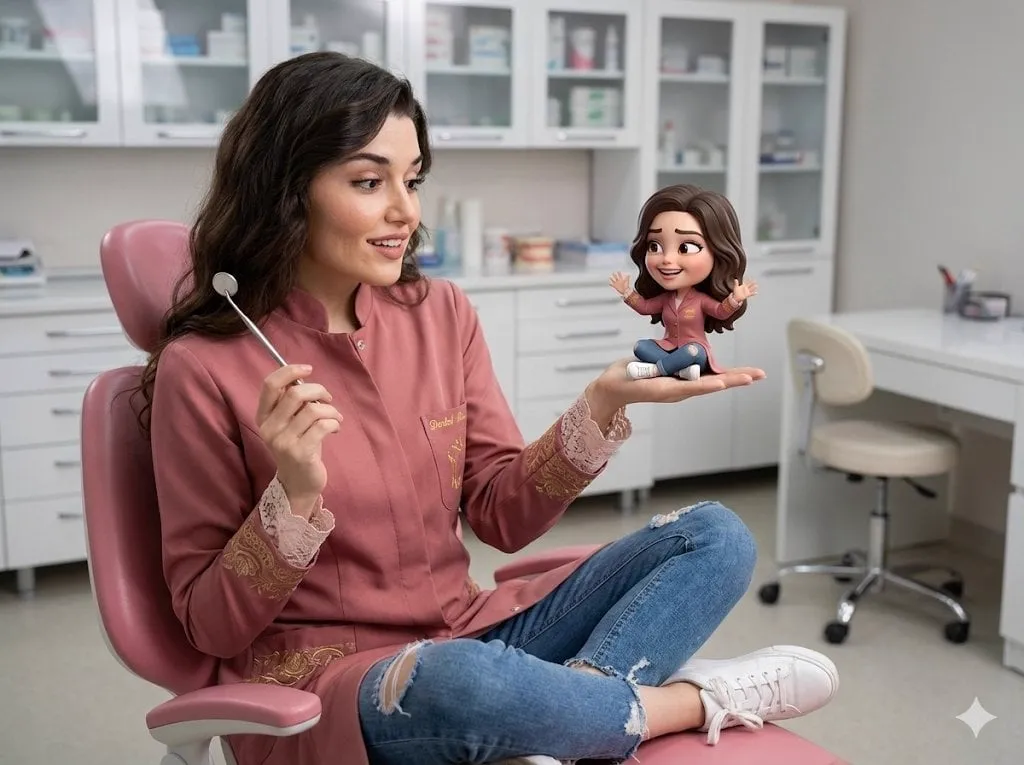
The most reliable way to look like a beginner in AI video is not bad motion or blurry frames; it is inconsistency. A character whose face changes from shot to shot. A world whose architecture rearranges itself between scenes. A color palette that drifts from warm to cold for no reason. Viewers feel it immediately, and it kills the one thing that makes content valuable: a recognizable identity.
The Lego Pixel technique is a method for fixing this at the source. Instead of treating every generation as a one-off, you treat your visual style as a set of modular building blocks, like bricks in a construction set. You define the bricks once, lock them into reference assets, and assemble every scene from the same set. This article explains the technique, shows you how to build your own brick set, and outlines why creators who master it end up with a proprietary visual language instead of a folder of random clips.
What Is the Lego Pixel Technique?
The name comes from the analogy: just as Lego bricks are standardized pieces that snap together into unlimited constructions, style bricks are standardized visual elements that snap together into unlimited scenes. The technique is not a new AI model and it does not require special software. It is a workflow discipline: define, lock, reuse.
Most creators work the opposite way. They type a prompt, like the look they get, and type another prompt hoping the next clip matches. The first clip looks great, the fifth clip looks unrelated, and the project slowly falls apart. Lego Pixel reverses the order. Before generating anything, you decide which visual elements define your style, you create reference assets for each one, and then every generation pulls from that same inventory.
The payoff is twofold. First, consistency: scenes assembled from the same bricks look like they belong together. Second, speed: once the brick set exists, new videos become assembly work rather than invention.
Why Visual Drift Is the Real Enemy
Visual drift is the gradual, shot-to-shot divergence of a style. It happens because generative models have no memory. Every prompt starts from noise, and while strong prompts push the output in a direction, tiny variations in wording, order, and seed produce noticeably different results.
Drift matters more than people think. A single inconsistent clip can break a whole series, because the audience reads the visual language as the identity of the creator or brand. In a competitive feed, consistency is what turns viewers into followers; people subscribe to a look they can recognize.
Drift is also expensive. When you notice halfway through a project that the style has shifted, you either regenerate everything or ship an inconsistent product. The Lego Pixel technique prevents this by making the style a fixed input, not an aspiration.
Step 1: Inventory Your Style Bricks
A style brick is any visual element that recurs across your scenes. Start with these five categories:
- Character: faces, body types, wardrobe, hair, and the specific details that make a character recognizable
- Palette: the dominant colors and their relationships, such as teal shadows with warm skin tones
- Texture: surface quality, such as film grain, painterly brushstrokes, plastic gloss, or watercolor bleed
- Lighting: the default light setup, such as golden hour, neon night, soft studio, or harsh noon
- Camera grammar: the shot vocabulary you use repeatedly, such as slow push-ins, hand-held energy, or locked wide frames
For each category, write down the concrete attributes that define your project. Be specific. "Warm lighting" is not a brick; "low golden sun from screen left, long shadows, honey-colored skin tones" is. The more concrete the inventory, the easier it is to lock into reference assets later.
Step 2: Create Reference Sheets That Lock the Look
An inventory on paper is only half the work. The other half is turning each brick into a reference asset that a model can actually use. A reference sheet is a still image that captures the brick perfectly, generated deliberately and kept permanently.
For characters, generate a sheet showing the character in several poses and angles until the face, wardrobe, and proportions are stable. For palettes, generate a simple frame that displays the exact color relationships you want. For lighting, generate a scene that demonstrates the light setup in action. For textures, generate a close-up that shows the surface quality unmistakably.
The rule of thumb: if you cannot point to one image and say "this is exactly the look," the brick is not locked yet. Keep regenerating until the reference is unambiguous. A mediocre reference produces mediocre consistency, because the model is copying from an asset that is itself drifting.
Name your files clearly and keep them in a project folder. These references are the most valuable files in your project, more valuable than any single generated clip.
Step 3: Assemble Scenes from the Same Brick Set
With reference sheets ready, every generation becomes an assembly operation. You pass the relevant references into the tool, then write a prompt that describes only what is new about the shot: the action, the camera, and the composition.
The critical habit is never to regenerate a brick from scratch. If a character appears in a scene, that scene uses the character reference sheet, not a text description of the character. If the scene happens in your signature palette, the palette reference goes in. The prompt handles the performance; the references handle the identity.
This separation is the heart of the technique. Most people try to describe everything in text and get drift. Lego Pixel practitioners describe only the variables and let the references supply the constants.
Step 4: Choose Models That Respect the System
The brick set should be model-agnostic. A well-locked reference sheet works across different generators, which is exactly why the technique is powerful: you are no longer married to one tool.
Still, some choices make assembly easier. Models with strong reference-image support are ideal, because they honor the locked bricks with less prompt gymnastics. Multi-image fusion capabilities matter for scenes with several recurring elements, such as two characters plus a signature location. For fast exploration, use a lightweight model to preview compositions before committing to a high-fidelity pass.
One practical rule: keep a note of which model generated each reference sheet. If you ever need to rebuild the sheet, reproducing it with the same model and similar settings is much easier than reverse-engineering an unknown generation.
Step 5: Build a Reusable Prompt Library
Beyond the visual bricks, you should build a prompt library of reusable fragments. These are the text pieces that consistently produce good results in your workflow: camera moves, lighting setups, material descriptions, and composition patterns.
A prompt library turns assembly into near-instant production. Instead of writing "slow push-in, shallow depth of field, lens flare, warm rim light" from memory every time, you pull the fragment that already works. Over time, you will notice which fragments your preferred models reward and which they ignore, and you can prune the library accordingly.
Store the library in a plain text file or a spreadsheet, grouped by category. Treat it as a living document that improves with every project.
Building a Proprietary Visual Asset
Here is why the technique matters commercially. When your output is consistent and recognizable, it becomes a proprietary visual asset: a look that audiences associate with you and that competitors cannot easily copy, because it is built from your references, your palette, and your prompt library.
Consider a creator who publishes a fantasy series with a locked character, a consistent world, and a signature color grade. Every episode reinforces the brand. Sponsors see it, platforms reward it, and the audience develops an attachment that one-off viral clips never produce. The creator is no longer selling individual videos; they are building a franchise.
This is the strategic argument for the technique: it converts a tool that generates disposable content into a system that generates compounding brand equity.
Lego Pixel in Practice: A Mini Case Study
Imagine a small studio that produces short sci-fi trailers for indie projects. They start with a brick inventory: a signature character with a distinctive jacket, a palette of cold cyan and rust orange, film-grain texture, and a lighting setup of harsh neon mixed with practical lamps.
They generate reference sheets for the character, the palette, and the two main locations. Every trailer shot passes the character sheet and the palette sheet as references, with prompts describing only the action. Because the bricks are locked, trailers produced months apart still look like the same universe. The studio builds a prompt library of camera moves that work well on their preferred models, and a new trailer that once took two weeks now takes two days.
The visible result: an audience that recognizes a trailer as "one of theirs" within seconds. That recognition is the entire point.
A Starter Brick Set Template
If you are starting your first project and the inventory feels abstract, copy this template and fill in the blanks. It gives you a working structure in under an hour.
- Character brick: name, face reference, hairstyle, wardrobe, signature accessory, emotional range
- Palette brick: two or three dominant colors, one accent color, the relationship between shadows and highlights
- Texture brick: surface quality words, a texture reference image, what should never appear in the frame
- Lighting brick: light direction, color temperature, time-of-day default, secondary light source
- Camera brick: three default shot sizes, two signature moves, the transition style between shots
- World brick: key locations, architectural rules, recurring props, weather and atmosphere defaults
Keep the template in the same folder as your references. Every project starts by copying the folder and updating only what is genuinely new. This is what makes the technique scalable: the system does not reset between projects, it evolves.
Troubleshooting Common Brick-Set Problems
Even with a locked system, things go wrong. Here are the most common failures and the fixes that actually work.
- The reference is ignored: the model is not seeing the reference, or the prompt contradicts it. Fix: simplify the prompt, keep it close to what the reference shows, and check that the tool actually supports reference input for the model you selected.
- Drift between early and late scenes: the brick set is not being applied consistently. Fix: audit your generation log; you will usually find that a prompt omitted the palette or lighting fragment. Reuse the exact style block.
- The look is consistent but boring: the bricks are too restrictive. Fix: add an accent brick that changes per scene, such as a mood shift in lighting or a location-specific prop, while keeping the identity bricks fixed.
- A brick no longer matches the project: the project evolved beyond the original references. Fix: deliberately regenerate the affected reference sheet rather than stretching the old one.
- Different models produce different interpretations: expected, because models read references differently. Fix: standardize on one model for each brick's reference sheet and log it, so regenerations reproduce the same interpretation.
FAQ
Does Lego Pixel work with any AI video tool? It works best with tools that support reference images, but even text-only tools benefit from the discipline of locked style keywords and reusable prompt fragments.
How long does it take to build a brick set? For a first project, plan for a focused session of a few hours. Later projects reuse most bricks and only add the ones that are genuinely new.
Is a brick set reusable across projects? Some bricks are project-specific, like a unique character. Others, like your palette and texture, can become a house style that unifies everything you publish.
Can I change the style later? Yes. Update the reference sheets and prompt library deliberately. The technique is a system for control, not a cage; when the brand evolves, you rebuild the bricks intentionally.
What is the most common mistake? Treating the first good-looking frame as the locked reference. Always generate several candidates and choose the one that is most stable and most representative before committing.
How many bricks do I really need? Start with five or six: character, palette, texture, lighting, camera, and one world element. More bricks add control but also add maintenance; grow the set only when a recurring element earns its place.
Do I need to lock everything before generating? No. Lock the identity bricks first, and let the project teach you which extra bricks matter. Trying to define everything up front usually means you do not actually know your style yet.
How do I know a reference sheet is good enough? Generate three test scenes from it with different prompts. If the character, palette, and lighting read as the same across all three, the sheet is locked.
