

For local businesses, video has crossed the line from optional to essential. Customers no longer discover a nearby restaurant, salon, or repair shop by reading a static page; they watch a short clip, decide within seconds, and act. The businesses winning this game are not necessarily the ones with the biggest budgets. They are the ones with a repeatable system for producing video that looks consistent, feels local, and shows up where customers actually search.
This guide lays out a practical video marketing playbook for local businesses: what to make, how to keep it consistent, how to get found, and how to measure what matters.
Why Video Is No Longer Optional for Local Brands
Consumer behavior has shifted decisively toward visual discovery. A large majority of internet users now prefer short or medium-length video over text and static images when researching products and services. For a local business, that means your first impression is often a video thumbnail in a search result, a feed, or a map listing.
The stakes are higher because local decisions are quick decisions. A customer comparing two plumbers or two coffee shops rarely reads long reviews. They watch a few clips, judge credibility and vibe, and move on. Businesses that cannot show up with clear, current, and appealing video lose the comparison before they ever get the call.
There is also a compounding effect. Consistent video output builds a library of content that feeds multiple channels: social feeds, map listings, ads, and your own website. Every clip becomes an asset that works beyond the moment it is posted.
The Shift to Vertical, Short-Form Content
Vertical video dominates local discovery. Platforms built around Reels, Shorts, and TikTok-style feeds reward content that is immediate, entertaining, and easy to consume while scrolling. The practical implications for a local business are straightforward: shoot vertical, keep clips short, and lead with the most interesting moment.
Short-form does not mean shallow. The best local videos compress a complete idea into under a minute: a transformation, a product in use, a customer reaction, or a quick answer to a common question. The format rewards specificity. A video about "our new menu" underperforms a video about "the one sandwich our regulars order every Friday."
The other implication is speed. Feeds reward freshness, so the production process must be fast enough to keep up with a posting cadence of several clips per week. That speed requirement is exactly where manual, agency-style production breaks down for small teams.
Building a Consistent Visual Identity Across Campaigns
One of the biggest struggles for local businesses is visual consistency. A single brand aesthetic is easy to imagine and hard to execute when every video is shot by a different person, in a different place, at a different time of day. The result is a feed that looks chaotic even when every individual video is decent.
Consistency starts before shooting, with a simple style guide: the colors associated with your brand, the tone of your captions, the kind of music you use, and the camera style you prefer. It does not need to be a 30-page document. One page with examples is enough.
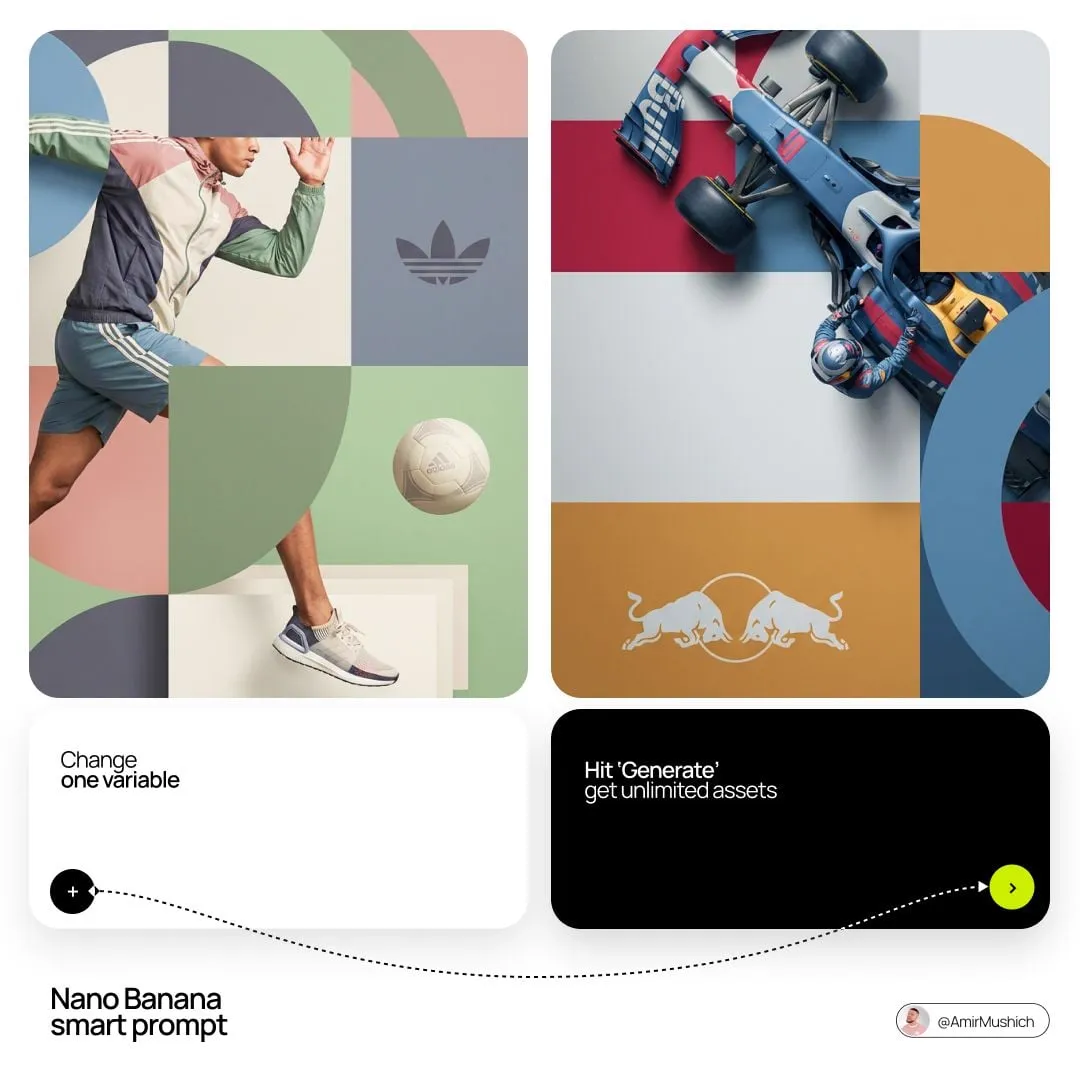
From there, AI-assisted workflows help. Reference images can lock the look of products, interiors, and even staff appearances across different videos. If your coffee shop's signature drink must look identical in every clip, generate or shoot it once against a reference and reuse the visual standard everywhere. Consistency becomes a system, not a hope.
Hyper-Local Content: Turning Proximity into an Advantage
Build a Digital Local Presence
Local customers want proof that you are real and nearby. Video that shows your street, your interior, your team, and your neighborhood builds trust that generic stock footage cannot. Even simple clips with the local skyline or a familiar landmark signal "we are here," which matters enormously for conversion.
Behind-the-Scenes Content
Behind-the-scenes clips are cheap to produce and disproportionately effective. A bakery showing dough rising at 5 a.m., a garage showing a repair in progress, a salon showing a transformation in steps: this content builds authenticity and makes the business feel human. It also fills the content calendar during weeks when no major campaign is running.
Turning Customer Content into Polish
User-generated content is the most trusted form of local proof, but raw customer clips often look rough. A lightweight polish pass, stable colors, clear captions, and a clean audio track, can turn a shaky phone clip into a shareable asset. Asking satisfied customers for permission to reshare and lightly polish their content is one of the highest-ROI habits a local business can adopt.
Getting Found: Video SEO for Local Search
Video does not just appear; it has to be discovered. Local search now surfaces video in map listings, search results, and platform feeds, so a little SEO discipline goes a long way.
Start with the basics: name files and titles descriptively, write captions that include your category and neighborhood, and add location tags wherever the platform allows. A video titled "final-cut.mp4" will never rank for "barber shop in Eastwood" even if it shows the best fade in town.
Match content to intent. Think about the questions customers actually type: "how much does a roof repair cost," "where can I get a vegan cake near me," "is the shop open Sundays." Short videos that answer these questions directly are the ones search engines and platforms surface.
Finally, keep the content current. Stale videos hurt trust and rankings. A monthly refresh cycle, re-shooting key clips and retiring outdated ones, keeps the local presence feeling alive.
Choosing the Right Formats for Each Platform
Different platforms want different things, and the mistake is producing one video and posting it everywhere unchanged.
For feed-based social platforms, prioritize short vertical clips with captions, strong hooks in the first two seconds, and a clear call to action. For map listings and search profiles, prioritize clean, informative clips that show the space, the team, and the product clearly, with minimal flash. For ads, prioritize the offer and the proof: a clear headline, a visible result, and a way to act.
A practical model is to produce one solid core video per week and cut it into platform-specific versions: a 15-second teaser for feeds, a 30-second explainer for search profiles, and a longer cut for your website. One production effort, multiple distributions.
A Repeatable Monthly Video Workflow
The goal of any local video system is repeatability. A simple monthly rhythm looks like this:
Week one: plan. Choose three to four topics based on customer questions, seasonal events, or new offerings. Write one-line scripts and list the shots you need.
Week two: shoot and generate. Capture real footage and fill gaps with AI-generated clips for scenes that are hard to shoot, such as product close-ups on a clean background.
Week three: edit and polish. Keep it simple: trim, captions, music, color consistency. Each video should follow the same style guide.
Week four: publish and review. Post across channels, track which topics perform, and feed the winners into next month's plan.
The rhythm matters more than any single video. A predictable cadence builds the library, trains the audience, and gives the algorithm something to reward.
Measuring What Matters
Local video success is not measured by likes. The metrics that matter are foot traffic, calls, bookings, and direction requests. If a platform offers these signals, track them. If not, use a simple phone number, a promo code, or a "mention this video" prompt to tie video views back to real action.
Also watch the leading indicators: completion rate tells you if the hook works, saves and shares tell you if the content has value, and search impressions tell you if you are being found. Review them monthly, double down on what works, and cut what does not.
A Low-Budget Setup That Actually Works
You do not need a studio to start. A practical setup for a local business costs very little and produces content that looks credible and consistent.
Phone first. Modern phones capture excellent footage, especially in good light. Learn the basics of your camera app: lock exposure, avoid digital zoom, and shoot in the highest resolution available. Vertical composition matters more than lens quality for feed-based platforms.
Light before gear. A window with soft daylight, a simple LED panel, or even a white sheet as a diffuser transforms footage quality more than any camera upgrade. Test your usual shooting spots and choose the ones with consistent, flattering light.
Sound matters twice as much as you think. A cheap clip-on microphone or recording in a quiet room beats camera audio every time. If you record voiceover, keep it short, clear, and in the local language.
Build a mini style guide. One page with your colors, fonts for captions, preferred music mood, and three example videos you like. Share it with anyone who shoots or edits for you. This single document does more for consistency than any tool.
Use free and low-cost tools. Edit on free desktop or mobile software, generate captions automatically, and source music from royalty-free libraries. Upgrade only when a specific limitation is costing you measurable results.
Common Mistakes Local Businesses Make With Video
Posting without a hook. A video that starts with a logo or a greeting loses most viewers in the first seconds. Lead with the product, the transformation, or the question the customer is asking.
Being inconsistent rather than imperfect. Businesses wait for the perfect video and post once a month, while competitors post average videos weekly and build the audience. Consistency compounds; perfection stalls.
Ignoring local search. Beautiful videos that cannot be found in map listings or search results are wasted effort. Titles, captions, and location tags are not optional extras; they are the distribution mechanism.
Shooting for the business instead of the customer. The question is not "what do we want to show?" but "what does the customer need to see to trust and choose us?" Answering the customer's question is always the better creative brief.
Giving up before the library builds. Local video is compounding. Early results are rarely dramatic, which causes teams to abandon the system just before it would have started working. Commit to a minimum of twelve weeks of consistent publishing before judging the outcome.
Seasonal and Event-Based Content
Local businesses live on rhythms: holidays, seasons, local events, and community moments. Building these into the video calendar gives you predictable spikes in relevance and a natural reason to post.
Map the year first. List the dates that matter to your customers: local holidays, back-to-school season, weather-driven demand, and community events. For each date, define one or two video ideas that answer a real customer need rather than just celebrating.
Prepare in advance. Batch-produce the seasonal assets before the moment arrives: a holiday greeting, a seasonal menu video, a "what to expect this weekend" clip. When the date comes, you publish instead of scrambling.
Connect to foot traffic. Seasonal content is the perfect vehicle for driving visits: announce hours, promotions, and limited offerings in the video, and make the call to action concrete. A customer who watches a holiday video and knows your exact schedule is far more likely to walk in.
Frequently Asked Questions
Do I need a professional camera?
No. Modern phones produce excellent footage, and consistent lighting and clean audio matter far more than camera quality. AI tools can also generate polished clips that fill gaps you cannot shoot.
How often should I post?
Consistency beats volume. Three to four quality clips per week is a realistic, effective cadence for most local businesses.
Can AI-generated video hurt trust?
Only if it is deceptive. Use AI to enhance and fill gaps, be transparent, and always ground the content in real local proof: your space, your team, your customers.
How long before results show?
Local video compounds. Expect the first meaningful signals in six to twelve weeks of consistent publishing, with the library continuing to pay off as it grows.
What if I have no time to make videos?
Then systematize harder. Use templates, batch record several clips in one session, reuse footage across platforms, and delegate editing to a team member or a simple tool. The goal is a cadence you can sustain, not a heroic month.
Should I show my face in videos?
Not necessarily, but it helps. Audiences trust people more than logos. If the owner or a friendly team member appears regularly, the business feels approachable. If not, use products, spaces, and customer stories as the faces of the brand.
How do I keep the content fresh every week?
Build a topic bank. Write down every customer question, common objection, product detail, and behind-the-scenes moment you can think of. That bank becomes a permanent source of video ideas, so the calendar never runs dry.
Final Thoughts
Local businesses do not need to outspend competitors; they need to out-system them. A consistent style guide, a repeatable monthly workflow, hyper-local content, and disciplined distribution turn video from a daunting task into a dependable growth engine. Start small, stay consistent, and let the library do the selling.
