
Why Longer Watch Time Matters on TikTok in 2025
TikTok's algorithm is built around one question: how long do people keep watching? Retention rate — the share of viewers who stay until the end — is one of the strongest signals the platform uses to decide whether a video deserves wider distribution. Longer watch time leads to more impressions, which leads to more followers, comments, and conversions. That simple chain is why so many creators obsess over the first three seconds.
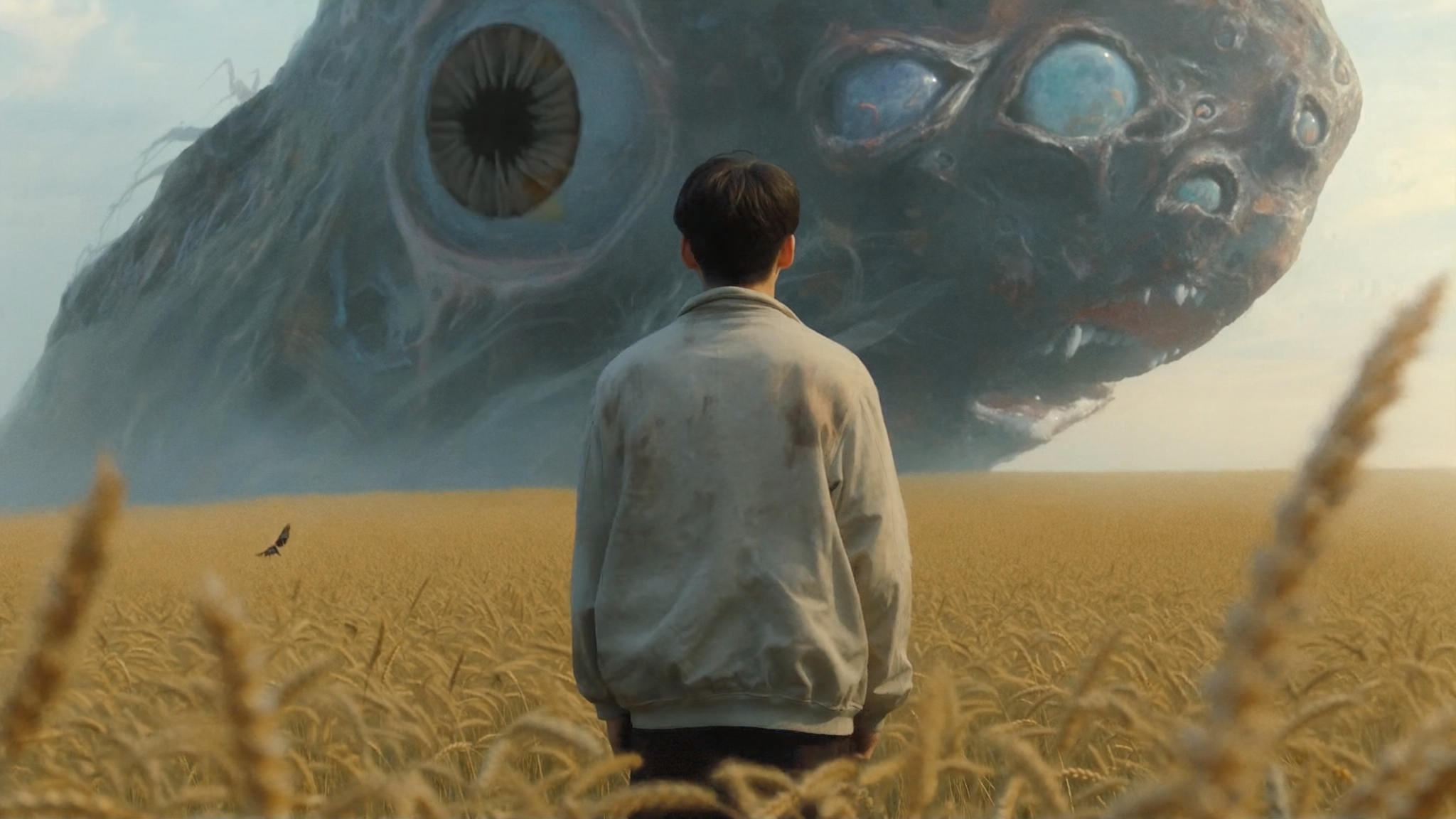
Here is the paradox creators face in 2025: the platform rewards short, punchy content, but users also respond to stories with a little more depth. Pure one-note clips feel disposable. Viewers have seen thousands of them, and their expectations have risen. The sweet spot is content that feels fast-paced yet has enough substance to keep people watching through the final second. That is where images come in. Static images, used deliberately, are one of the most underrated tools for extending a TikTok without turning it into a boring slideshow.
The Strategy: Using Images to Extend Your Videos
The basic idea is simple: instead of trying to generate one long continuous video sequence, you build a video from a series of connected visual beats. Each image becomes a narrative anchor. The viewer's eye has time to register the scene, the text overlay delivers the message, and the cut to the next image keeps momentum going. Done well, this feels intentional — like a comic strip or a film storyboard — rather than like a cheap slideshow.
Why does this extend watch time? Because a single image holds attention differently than motion. Motion is constant stimulation; images create small moments of comprehension. When you pair an image with a caption or voiceover, viewers need a few seconds to read and process. Those seconds are exactly what pushes your average watch time up. The technique also buys you flexibility: you can stretch a simple concept into 30 or 45 seconds without needing hours of generated footage.
Technique 1: Build Consistent Keyframes
Coherence is the difference between a professional image-driven video and a random slideshow. If your images look unrelated — different lighting, different product angles, different style — viewers bounce within seconds. The key is to use images that are visually consistent enough to feel like frames from the same story.
Start by defining your keyframes. A keyframe is a fixed visual anchor: the product at a specific angle, the character in a specific pose, the scene in a specific setting. Before generating anything, decide on:
- The main subject and how it should look in every frame.
- The color palette and lighting mood.
- The camera distance (wide, medium, close-up) for each beat.
Once you have these anchors, every image you use should reference them. If you are working with AI video tools, this is where multi-reference input matters. Feed the model two or three reference images of your subject and ask it to keep the subject consistent while changing the scene or action. The result is a sequence that reads as one story instead of six unrelated clips.
Technique 2: Use High-Definition Static Assets
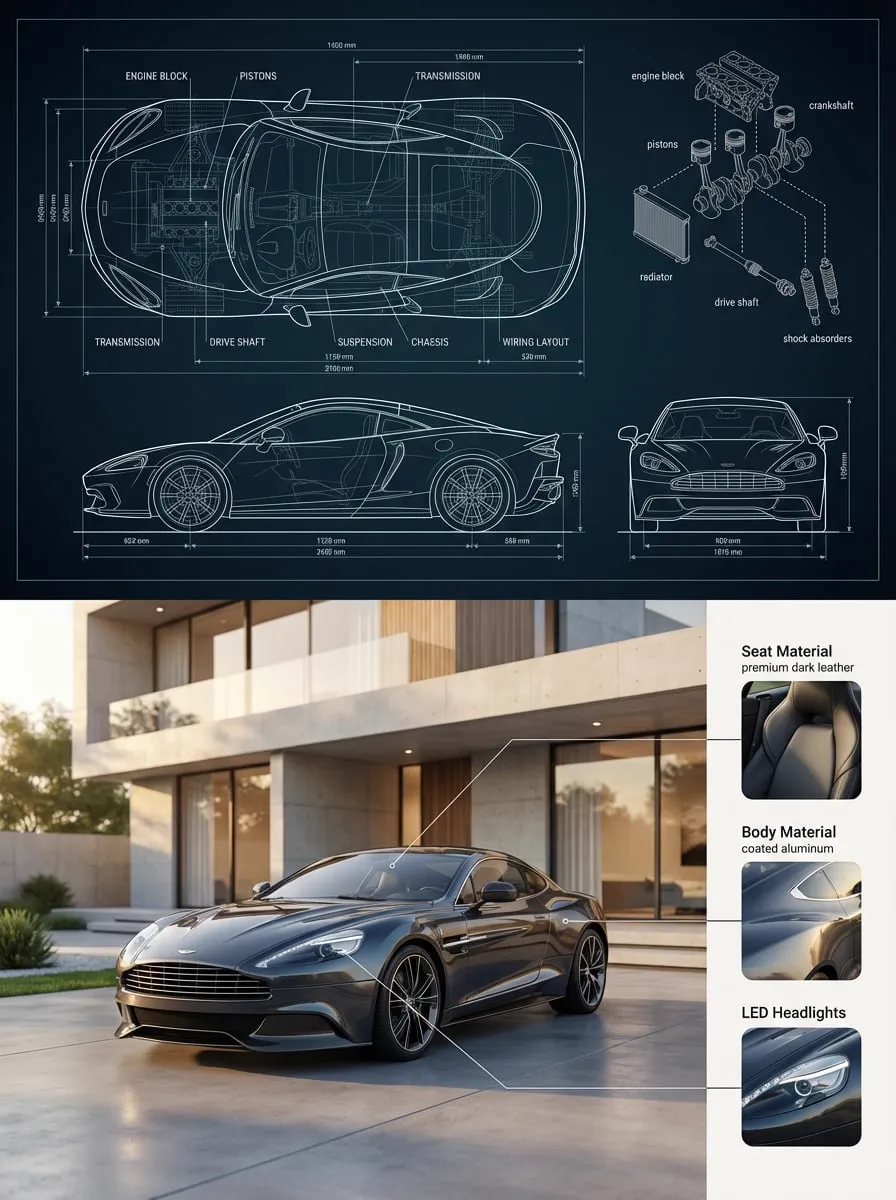
Resolution is a silent trust signal. A grainy, blurry image tells viewers the content is low-effort, and TikTok's algorithm and audience both punish that. High-definition static assets serve a double purpose: they increase visual density, and they give the video a polished, produced feel.
Practical tips for sourcing and preparing assets:
- Use the highest resolution source files you have. Downscale only when the platform requires it.
- If you are creating images with AI, generate them at the model's maximum resolution and then crop for composition. Cropping a large image preserves sharpness; upscaling a small image never does.
- Match aspect ratio to your final video format (9:16 for TikTok). Generation or cropping to 9:16 from the start avoids awkward zooming later.
- Keep text overlays in a consistent position across frames so the video feels designed rather than assembled.
Remember that the first frame sets the expectation. If the opening image is sharp, colorful, and composed, viewers give the video a chance. If it is dull, they scroll before the first second finishes.
Technique 3: Create Soft Transitions with Image Fusion
Abrupt cuts between unrelated images feel jarring. The fix is smooth, intentional transitions. One powerful approach is image fusion: blending two images so the video moves from one visual state to another fluidly — a slow zoom into a detail, a morph between product angles, a pan across a scene.
Image fusion works especially well for TikTok because it creates the illusion of camera movement, which keeps the video feeling cinematic even when the underlying content is static. Some AI video tools support this directly: you provide a start frame and an end frame, and the model generates the motion between them. Others let you describe the transition in the prompt — "slow dolly in from wide shot to close-up" — and the model handles the interpolation.
Use fusion deliberately. A good transition serves the story: it can reveal a product detail, shift mood, or connect a problem to its solution. A transition with no narrative purpose is decoration, and decoration alone does not earn watch time.
Technique 4: Design Looping Content with Frame Packs
Looping videos — content that ends exactly where it began — are a TikTok staple because they encourage multiple views. A viewer who watches a satisfying loop once often watches it again to catch details, doubling your watch time on a single impression.
To build a loop with images:
- Design the first and last frames to match visually or semantically.
- Keep the middle frames as a journey that returns to the start.
- Avoid text that must be read top-to-bottom if it breaks the loop illusion; or accept the text and make the loop purely visual.
- Test the loop by watching it several times. If the join is obvious, adjust the final frame.
Frame packs — pre-designed sets of coordinated images — are a practical shortcut here. You can create a template pack for recurring content types: product reveals, before-and-after comparisons, step-by-step tutorials, mood transitions. Once the pack exists, producing a new video becomes an assembly task instead of a creative one.
The AI Workflow: From Images to Video in Minutes
A realistic workflow for an image-driven TikTok takes about an hour once you have your assets:
- Outline the beat structure: 6–10 images with one message per beat.
- Prepare or generate the images with consistent styling and resolution.
- Import them into your editing tool (CapCut, DaVinci Resolve, or any timeline editor).
- Set the duration for each image based on its message length — about 2.5 to 4 seconds per beat is a good default.
- Add transitions (fade, zoom, fusion) between beats.
- Layer text overlays, captions, or a voiceover.
- Add music and sound effects; align key beats to the music's drops.
- Export, review on a phone, and iterate on the first three seconds.
The AI-specific steps — generating consistent images, creating fusion transitions, extending stills into motion — replace what used to require a shoot. Everything else is standard editing discipline.
Keeping Character and Brand Consistent Across Scenes
If your content features a recurring character — a mascot, a presenter, an avatar — consistency across scenes becomes the whole game. Viewers recognize the character, and that recognition is what makes a series binge-able.
To keep characters consistent:
- Maintain a small reference set of the character from multiple angles and in multiple outfits.
- Reuse the same character description in every generation prompt.
- When a model supports reference images, always attach them.
- Lock the character's key traits (hair, eye color, outfit details) in your template so they never drift.
The same logic applies to brand assets: logo placement, color palette, and product appearance should be fixed across the video series. Consistency is what turns individual videos into a recognizable channel.
Using Sound and Music to Extend Engagement
Images hold the eye, but sound holds the mood. A well-chosen track or sound effect can add several seconds of retention on its own — viewers often stay to hear how a sound resolves.
Sound strategies for image-driven TikToks:
- Choose music with clear structural changes (buildups, drops) and sync your image changes to them.
- Use voiceover to carry the narrative; text-plus-voice doubles the processing time viewers invest.
- Add subtle sound effects for each image change (whoosh, click, snap) to make cuts feel designed.
- Match music to the emotional tone of the images. A mismatch reads as low effort instantly.
Measuring Results: Retention Curves That Actually Tell You Something
You cannot improve what you do not measure. TikTok's analytics show a retention curve for each video — the percentage of viewers remaining at each second. Read it carefully:
- A sharp drop in the first two seconds means the hook failed. The opening image, text, or sound is not compelling enough.
- A gradual decline through the middle is normal, but a plateau in the middle suggests viewers are engaged — usually a sign your image beats are working.
- A spike near the end often means viewers replayed the loop, which the algorithm treats favorably.
- Compare videos with similar topics but different image counts. If the 8-image version outperforms the 4-image version on watch time, your extension strategy is working.
A Worked Example: Building a 30-Second Product Demo
Let's put the techniques together. Suppose you sell a reusable water bottle and want a 30-second demo that holds attention:
- Hook (0–3s): A close-up of the bottle in bright studio light with the text "The bottle you'll never lose." One image, sharp, bold.
- Problem (3–8s): A shot of a cluttered gym bag with a leaking disposable bottle. The text reads "Disposable bottles leak."
- Reveal (8–15s): A smooth fusion transition from the mess to the reusable bottle standing on a clean desk. This is your keyframe: the bottle appears in the exact same position and scale in the following frames.
- Features (15–24s): Three short beats — the leak-proof cap, the insulation test with ice cubes, the car cup-holder fit. Each beat is one image with a one-line caption.
- Payoff (24–30s): The bottle back in the first composition, now with the text "Switch once. Save every day." The visual echo of frame 1 gives the video a satisfying loop feel.
This structure uses six images, two fusion transitions, and one loop moment. It takes about an hour to assemble and gives you a video with a clear story arc — exactly what retention curves reward.
You can reuse the same skeleton for almost any product: replace the problem and feature beats, keep the hook-and-payoff framing, and the structure still works. That is the real value of building with image beats: the format is portable, so your production quality improves with every new video you make using it.
Common Mistakes to Avoid
- Random image collections: unrelated visuals kill coherence. Every frame must belong to the same story.
- Over-long static frames: an image held for eight seconds with no motion feels dead. Keep beats short or add subtle motion (zoom, pan).
- Text walls: too much text per frame overwhelms viewers. One short message per beat.
- Ignoring the first frame: if the opening image is weak, nothing else matters.
- Forgetting mobile viewing: check your video on a phone at arm's length. If the text is unreadable, it is too small.
FAQ
How many images should a 30-second TikTok use?
Six to ten is a good range. Fewer images feel slow; more feel rushed. Adjust based on how much text and narration each beat carries.
Can I use AI-generated images for commercial content?
Yes, if the tool's terms allow commercial use and you are not imitating a protected style or real person without permission. Check the license before you build a business around it.
Do I still need video editing skills?
Basic timeline editing helps, but modern mobile editors make the assembly fast. The more important skills are storytelling, prompt writing, and knowing your audience.
Does this technique work on YouTube Shorts and Instagram Reels too?
Yes. The same image-beat structure works across short-form platforms. Adjust aspect ratios and caption styles per platform.
Final Thoughts
Images are not a compromise for creators who cannot make video — they are a deliberate technique for building watch time. Combined with consistent keyframes, smooth transitions, looping design, and sound, static assets become the backbone of videos that hold attention from the first frame to the last. Start with one template, measure the retention curve, and refine. The creators who win on TikTok are not the ones with the most expensive production; they are the ones who understand attention and design every second deliberately.
