
Why diversify beyond a single AI video tool
Luma Dream Machine impressed creators with accessible high-quality generation. But relying on one tool limits you: each model has strengths and weaknesses, and a single engine cannot be the best choice for every scene. Professional workflows today combine multiple models, picking the right one for each task.
This guide looks at what matters when comparing alternatives: motion fidelity, character consistency, control, and how well tools integrate into a pipeline.
Motion fidelity: the hardest metric
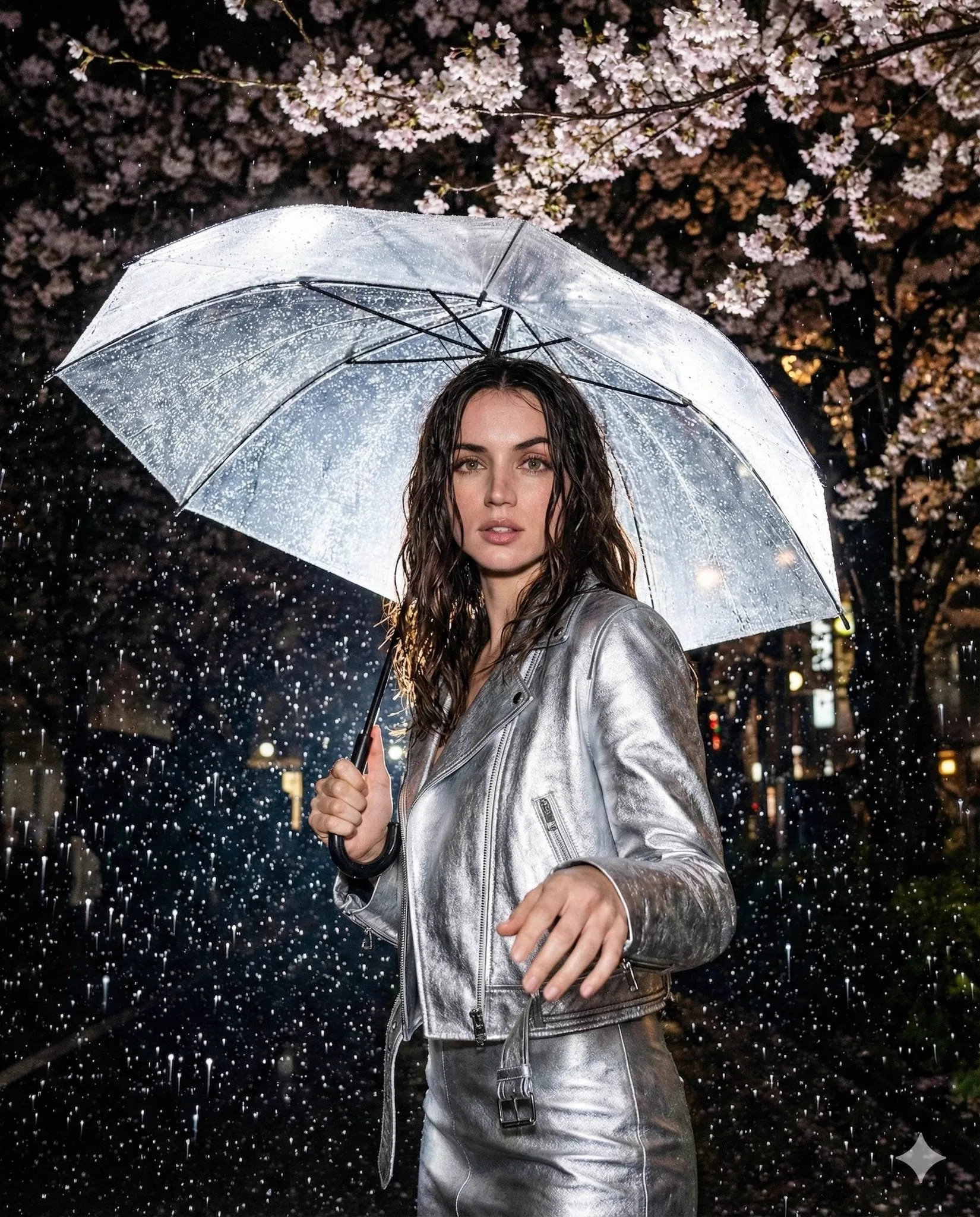
Smooth, physically believable motion separates amateur output from professional results. Some models excel at natural camera movement; others handle complex action or subtle facial motion better. When testing alternatives, generate the same scene in several tools and compare frame by frame.
Look for jitter, deformation, and objects that flicker or disappear. A model that fails on temporal coherence is only good for concept work, not final assets.
Character consistency across scenes
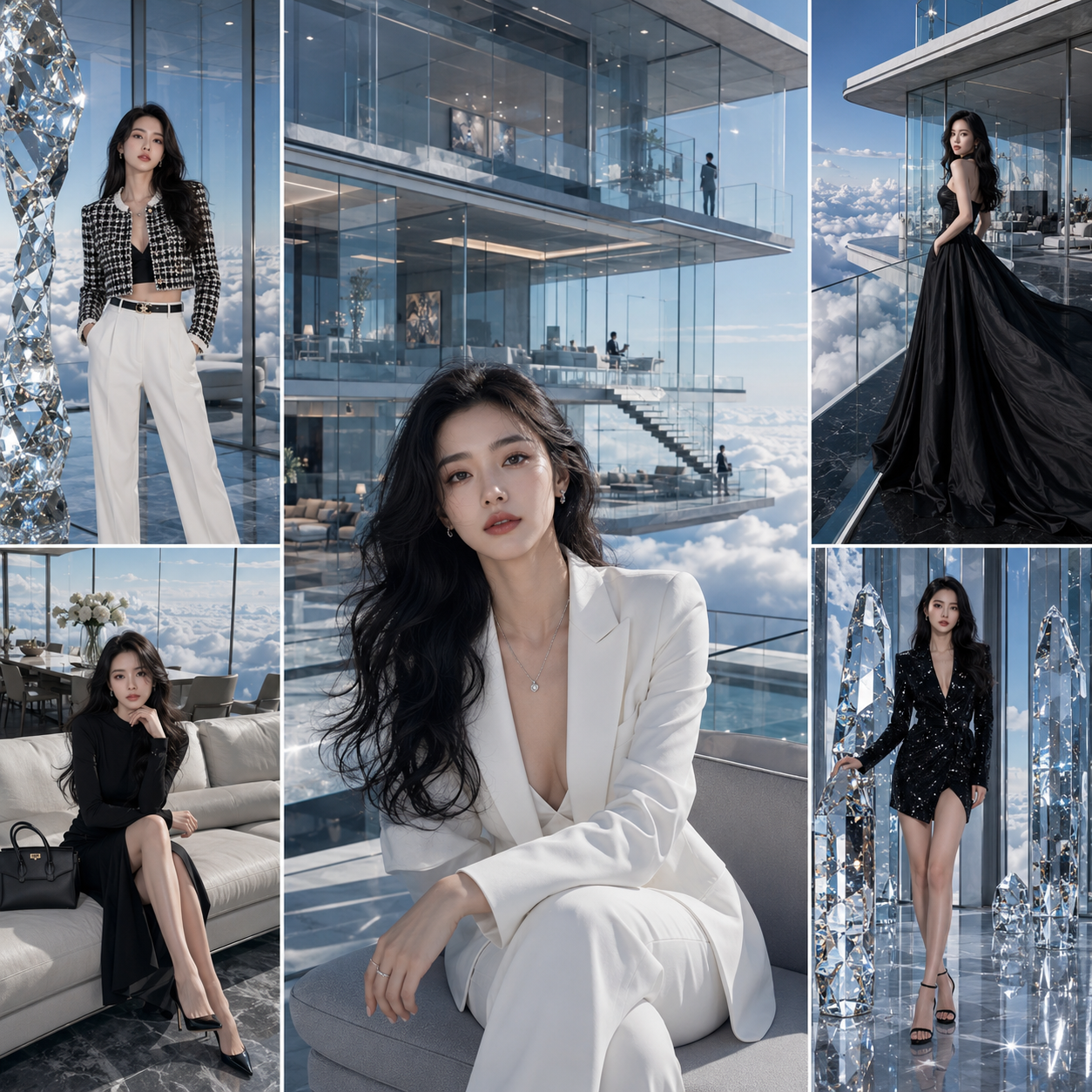
If your project has a recurring character, consistency is non-negotiable. Many models generate a great single shot but change the character's face or costume in the next scene. The fix is reference-based generation: give the model multiple images of the character and require it to keep the same identity.
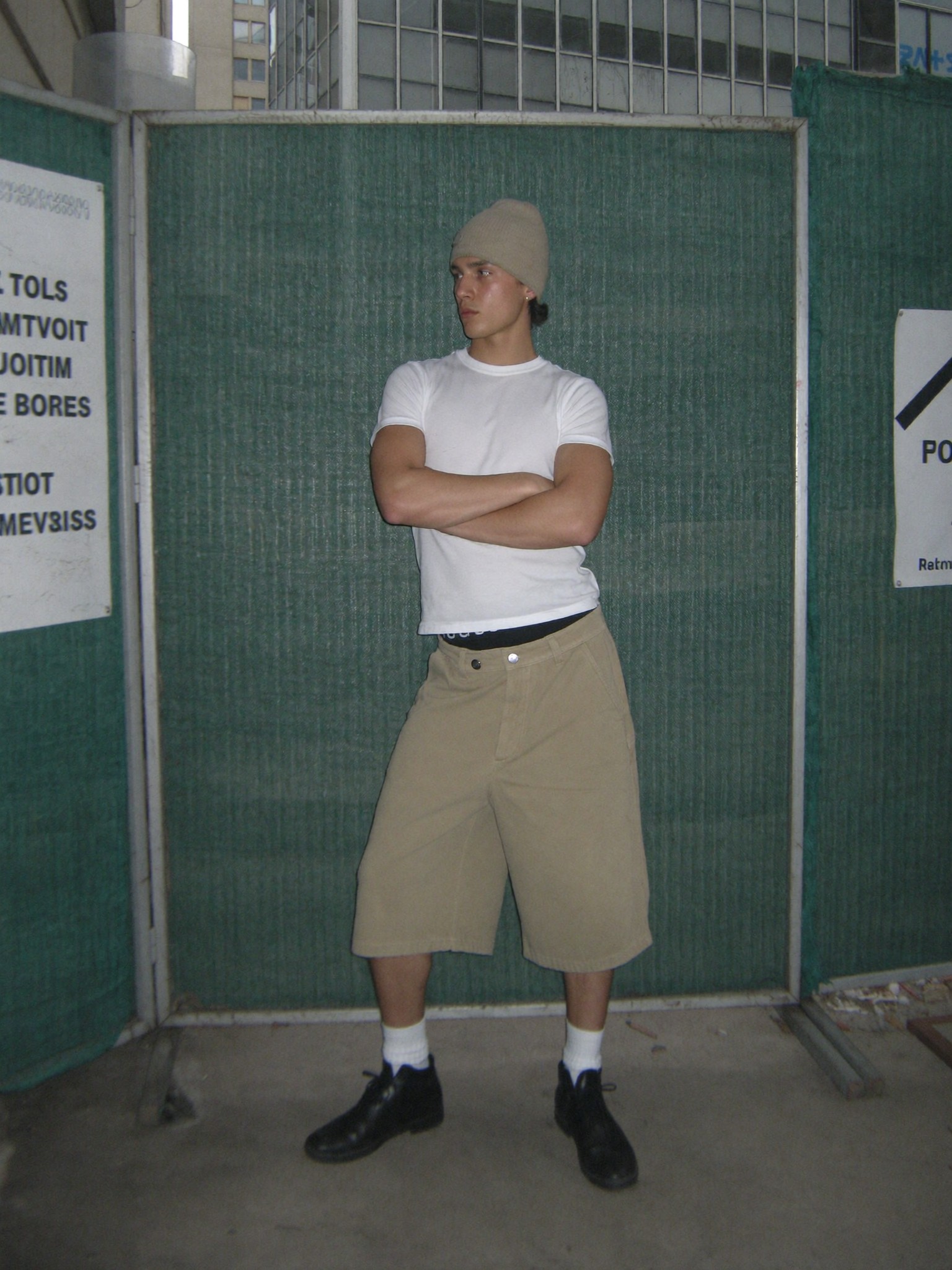
Start by building a consistent reference set. Domer AI Image Generator lets you produce multiple angles of the same character with a stable look, ready to be used as anchors in video generation.
Control: prompt adherence vs explicit parameters
Simple text prompts give you speed but limited control. For production work, you often need explicit parameters: camera angle, lens, framing, first and last frame. Tools that support structured inputs let you dictate the shot instead of hoping the model guesses right.
When evaluating alternatives, test how precisely you can control camera movement and scene structure. The more control, the easier it is to match AI segments with traditionally shot footage.
Building a multi-model pipeline
A practical approach is to use fast, inexpensive models for prototyping and reserve premium models for final renders. Try this flow:
- Prototype the scene concept with a quick model.
- Validate character consistency with reference images.
- Generate the final shot with a high-fidelity model.
- Post-process for color and motion polish.
Domer AI Video Generator supports this workflow by letting you go from text or image to video with control over style and motion.
What to check before switching
- Export resolution and format fit your delivery needs.
- Watermark and license terms allow commercial use.
- Image-to-video quality matches your assets.
- Camera control is precise enough for your shots.
- The tool integrates with your editing workflow.
Final thoughts
There is no single best AI video model — only the best model for each job. By comparing motion fidelity, consistency, and control, and by combining tools in a pipeline, you get high-quality output without locking yourself into one engine. For more practical comparisons, check the Domer Blog and explore models like GPT Image 2 for stills that feed your video workflow.
