
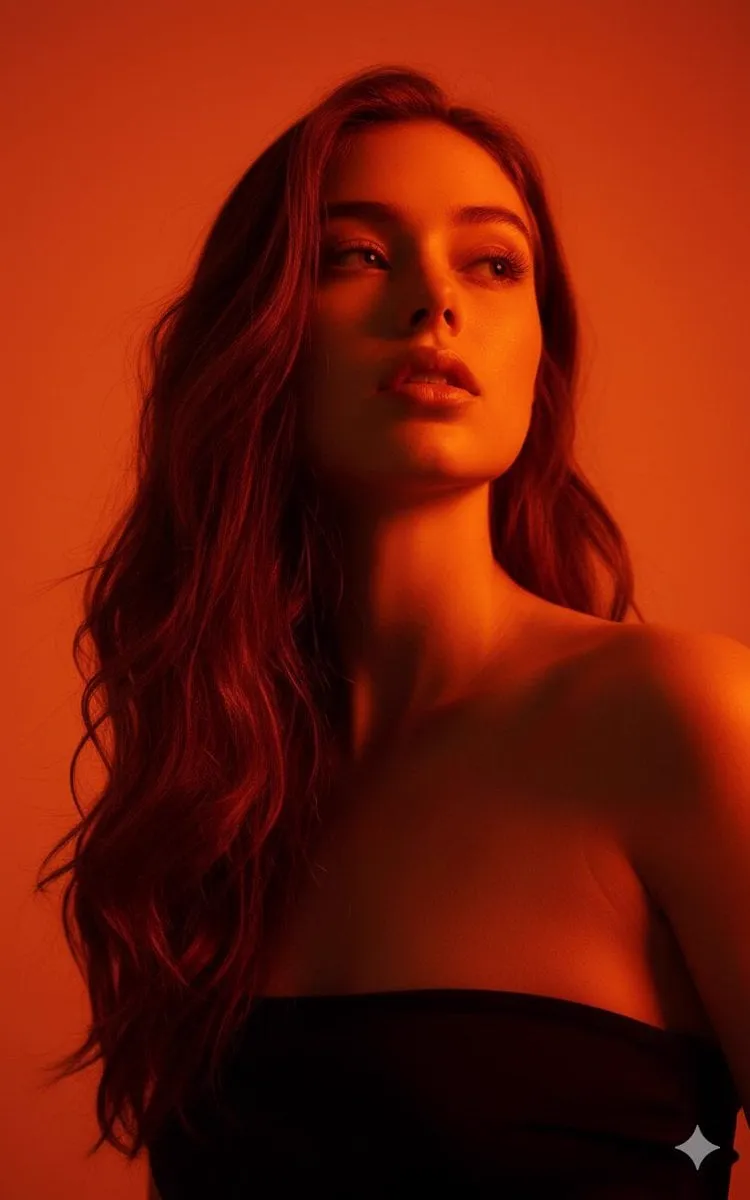
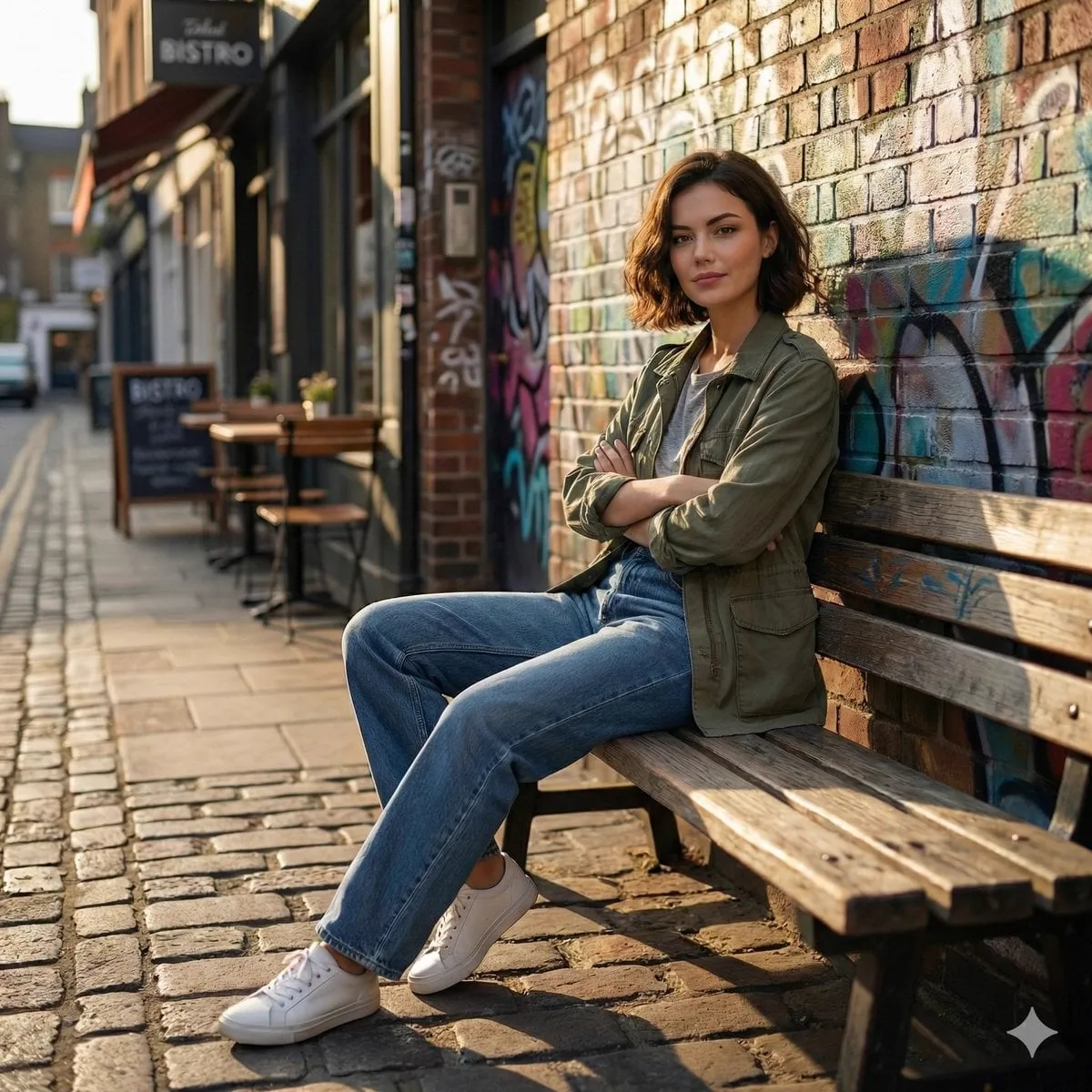
A surprise birthday video is one of those gifts that does not fit in a gift box, yet it stays with people for years. The best ones mix personal memories with a message that only you could write. The challenge has always been the craft: turning a pile of old photos and short clips into something with pace, warmth, and a real arc used to take hours of careful editing. Today, AI tools have made this dramatically easier, opening the door for almost anyone to produce a genuinely touching tribute. That accessibility is the reason this guide exists: to help you make a birthday video that feels intentional and personal, not generic or stock.
This guide walks through the whole process, from gathering material through scripting, generating scenes, and finishing with music and voice. Along the way you will find the decisions that separate a memorable video from a forgettable one, and the practical ways to keep the recipient recognizable and the story coherent.
Why a personal video beats a generic card
There is nothing wrong with a card, but a video speaks in a different register. It uses sound, motion, faces, and pacing to carry emotion in a way that static text cannot. When the video is built from real memories, it becomes a keepsake that the person can revisit long after the birthday cake is gone.
The emotional power comes from specificity. A tribute that mentions an inside joke, a shared trip, or a particular way someone laughs does more than any collection of generic congratulations. That specificity is what the AI builds around: your memories supply the meaning, and the tools supply the polish.
There is also a practical advantage. You can include people who cannot be there, or layer in old footage that would otherwise gather dust in a folder. With the right tools, you can animate a cherished photograph, add a voice note from a distant friend, or conjure a scene to match a story. The result is a gift that honestly could not have been made without the technology, and that alone makes it special.
Gathering the raw material first
Before opening any generator, spend time collecting the pieces that will carry the emotion. Good AI output depends on the quality of what you feed it, and for a personal video that means real memories.
Start with the photos. Go back through albums, collections, and message history for pictures that capture personality rather than just faces. A candid laugh, a favorite gesture, a beloved pet, a place that means something, these are the images with staying power. You want a mix of close-ups, full scenes, and moments that suggest a story.
Next, collect the motion. Home videos, phone clips, and even short moments from old recordings are gold. Even five seconds of someone laughing can anchor an entire section. Do not worry about perfection; the emotional value is in the authenticity.
Then gather the audio. Voice notes, old answering-machine greetings, a snippet of a song that mattered, or a fresh recording from a friend all add texture. Audio is often the most overlooked material, and it is also one of the most powerful ways to make a video feel alive.
Finally, write down the stories. For every key image or clip, jot down the context: who is in it, where it was, and why it matters. These notes become the backbone of your script and keep the video grounded in truth rather than in an AI's generic idea of a birthday.
Choosing the story and the structure
Every tribute needs a shape, and the shape you pick should match the person you are honoring. Three reliable structures work well.
The journey structure moves chronologically, from early memories to the present. It works beautifully for a milestone birthday because it shows growth and continuity. You can open with childhood moments and close with where the person is now.
The theme structure organizes around qualities rather than time. If your person is defined by humor, adventures, or family, group the scenes around those themes. This works well when photos are scattered and there is no clean timeline.
The message structure leads with words. It opens with a heartfelt letter, voice notes, or statements from friends, and lets the imagery illustrate the themes they mention. It is ideal when the sentiment matters more than the sequence.
Whichever structure you choose, write the script as a series of beats: an opening that hooks, a middle that builds the emotional detail, and an ending that delivers warmth and a clear wish. Even a loose script keeps the whole project from wandering, and it gives your AI prompts clear purpose.
Keeping the person recognizable across scenes
The hardest technical challenge in any AI video is consistency, and it matters enormously here. A birthday tribute that changes the honoree face from scene to scene feels odd and erodes the whole point. A few techniques keep the person recognizable.
Use reference images. Many tools now accept one or more images as a reference for the person to feature in a scene. Feed it a clean, recent photo of the honoree and build the scenes around that identity. The reference anchors the face even when the background or mood changes.
Prefer real footage. For a true tribute, use the actual photos and clips wherever possible; they can never be improved on for authenticity. Reserve AI generation for the connective tissue: title cards, stylized transition moments, or animated interpretations of a story that no photo captured.
Reuse the same reference and prompt style across all AI-generated scenes. If you change the style description between scenes, the person subtly changes with it. Lock the style once, describing consistent lighting, palette, and feel, and apply it everywhere.
When you do generate a scene featuring a person, review it carefully before including it. Flag any scene where the face or styling has drifted, and either regenerate it or replace it with real footage. A small fix at this stage prevents a jarring moment during the watch.
Generating scenes that match the memories
AI generation shines when it interprets a story you give it, rather than inventing a story of its own. Write prompts that describe a scene tied to something real, and let the tool fill in the visual details.
Animate the photos gently. Rather than restaging people, add subtle life to a real image: a slow zoom, a gentle pan, drifting light, or falling snow. Small movements breathe life into a still while keeping the person exactly as they are in the photo, the best of both worlds.
When a moment was never captured, generate an interpretation. Describe the scene vividly, tie it to the actual people and place, and let the model render an approximate artwork or cinematic shot. Label it clearly enough in your mind as an interpretation, and it will read as a heartfelt flourish rather than a fake documentary.
Keep the generated content modest. The emotional weight should stay with the real memories, so use AI to support and transition rather than to overwhelm. A few well-placed generated moments elevate a tribute; too many start to feel like a demo reel.
Building the script and the message
Words carry the soul of the gift, whether spoken by you, in text on screen, or via a voice note. Write them early and let them shape the edit.
Open with why the person matters to you in concrete terms. Avoid generic praise and reach for a specific memory that illustrates it. Instead of saying they are kind, tell the story of when they helped you at a low moment.
Pace the message across the video. Do not dump all the sentiment in the first ten seconds. Let the images build the mood and save the strongest, most direct words for the middle and the close, where they land with the most impact.
End with a wish that feels true to the person, not a formulistic line. Reference something about who they are or what lies ahead for them. A final line that names a shared memory ties the whole tribute together.
You can deliver this as a voiceover you record, as on-screen text, or as subtitles laid over the imagery. A warm, slightly imperfect human read usually beats a polished synthetic one for a personal gift, so record yourself if you are comfortable doing so.
Adding music and sound
Sound is the emotion layer of a video, yet it is the easiest part to neglect. Give it real attention and your tribute will feel far more professional.
Choose music that fits the mood without overpowering the message. A gentle, warm instrumental usually works better than lyrics that fight the voiceover for attention. Keep it consistent across the video so the tone does not shift jarringly.
Layer the sound design. Add the natural audio from your real clips, the voice notes, and any ambient sounds that carry meaning. These authentic audio moments are often the most touching part of a birthday video, so do not bury them under loud music.
Mix it properly. Keep the vocal elements clear above the music, and let the music swell slightly at emotional peaks before settling back. If you notice the voice struggling to be heard, pull the music down rather than turning it up.
Finally, check the pacing with the sound. A video is watched with ears as much as eyes, so listen to the whole piece and notice if any section drags or feels rushed. Adjust the cuts to match the musical and emotional rhythm.
The finishing steps and a careful review
Once the main edit is assembled, resist the urge to send it immediately. A short cool-off pass usually catches small issues that break the spell.
Watch the video all the way through without interruptions and look for jarring transitions, inconsistent faces, mismatched colors, or audio that jumps. These are the details that quietly undermine an otherwise lovely tribute.
Check the pacing once more. If a section lingers too long, tighten it; if it rushes, let it breathe. The right rhythm keeps the viewer engaged from the opening frame to the final wish.
Export at a good quality and in a widely playable format so the recipient can watch it on any device without fuss. A clear file name and a stable resolution make the gift effortless to open.
Prepare the surprise itself. Consider how you will present the video, on a big screen, in a message, or as part of a larger celebration. The presentation is part of the gift and deserves a little thought of its own.
Frequently asked questions
Do I need editing experience to make this? No. AI tools and beginner-friendly editors handle most of the work. The craft you bring is your judgment about which moments matter and how to order them.
What if I do not have many photos or videos? Even a few strong images and one heartfelt voice note are enough. Quality of memory beats quantity, and AI can help build connective scenes around whatever you have.
Should I worry that generated scenes will not match my memories? Label them as interpretations and use them to support, not replace, the real material. When in doubt, favor the authentic footage.
Can I make the honoree look consistent? Yes, use a clear reference image and keep your style prompt consistent across generated scenes, and review each one for drift.
How long should the video be? A two- to four-minute tribute is a good sweet spot for a birthday, long enough to build emotion but short enough to watch again and again. Match the length to the amount of strong material you have.
Final words
A birthday surprise video is a love letter you can watch. The technology now available simply lowers the barrier to making it beautiful, but the warmth has always come from you: the memories you choose, the words you find, and the care you take in the timing.
Approach it step by step. Gather the real moments first, write a script that speaks to the specific person, generate modest supporting scenes while keeping their face recognizable, and layer on meaning through sound. Review the whole thing with fresh eyes before you hit send.
The surprise will land not because of any single effect, but because you took the time to turn scattered memories into a connected story that only you could tell. That is a gift no algorithm produces on its own, and one the person will revisit for years.
