

The era of manual animation is receding
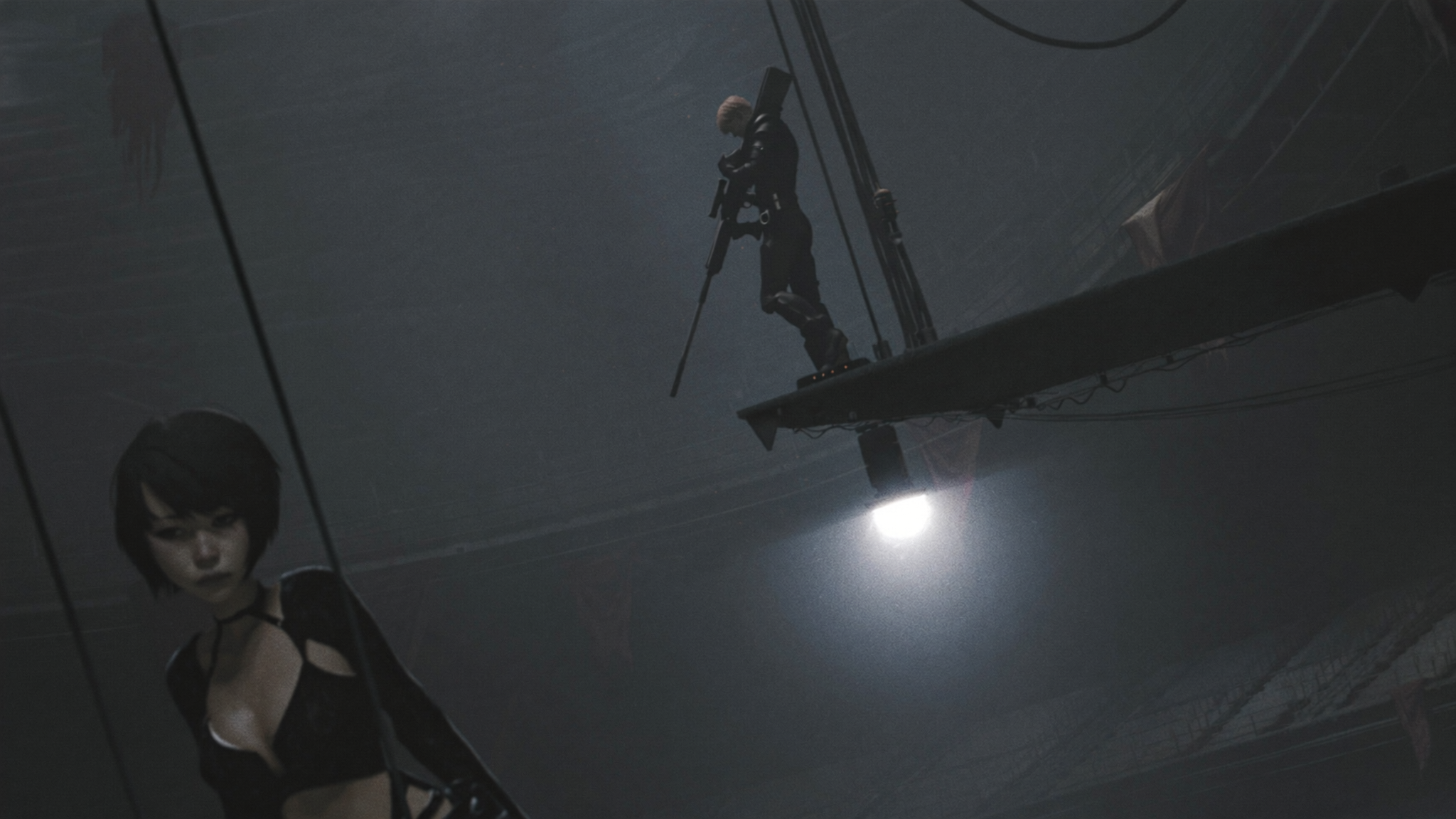
The era of manually animating or filming every scene is rapidly receding. Text-to-video generation has matured from a research curiosity into an indispensable creative tool. The bottleneck is no longer technology — it's skillful orchestration. Content velocity is now directly correlated with how deeply an organization understands the models available to it.
The AI video generation market is experiencing hyper-growth, transitioning from short, artifact-prone clips to longer sequences boasting cinematic fidelity. A primary challenge remains temporal consistency: ensuring objects and characters maintain their identity frame-to-frame. This is being aggressively addressed by advanced architectures, but it still requires deliberate workflow design on the creator's side.
Navigating the heterogeneous model ecosystem
The core challenge today is not scarcity, but abundance. With dozens of distinct models available — each with unique strengths in physics simulation, artistic style, or prompt adherence — the process of selection becomes a critical strategic decision. The shift is moving from "Can AI make a video?" to "Which specific AI model, prompted correctly, yields the best result for this specific cinematic requirement?"
Benchmarking criteria
Instead of relying on anecdotal evidence, establish rigorous benchmarking criteria:
- Output quality: fidelity, control, and adherence to the prompt.
- Cost efficiency: compute cost per generation versus quality delivered.
- Speed: how fast can you iterate for drafts and prototypes?
- Specialization: which styles or scenarios does the model excel at?
The diversity means that a model excellent for anime will perform poorly for architectural visualization. Expert triage is required — you need to know which tool fits which job.
Model selection strategy
- Photorealism and premium campaigns: use high-fidelity models for brand and advertising content where detail matters most.
- Fast drafts and prototypes: use efficient models to validate concepts before committing premium resources.
- Cultural nuance and specificity: some models excel at understanding complex cultural or stylistic references — use them when authenticity matters.
- Natural motion: models specializing in coherent, natural movement are ideal for character-driven content.
Consistency across scenes: the key differentiator
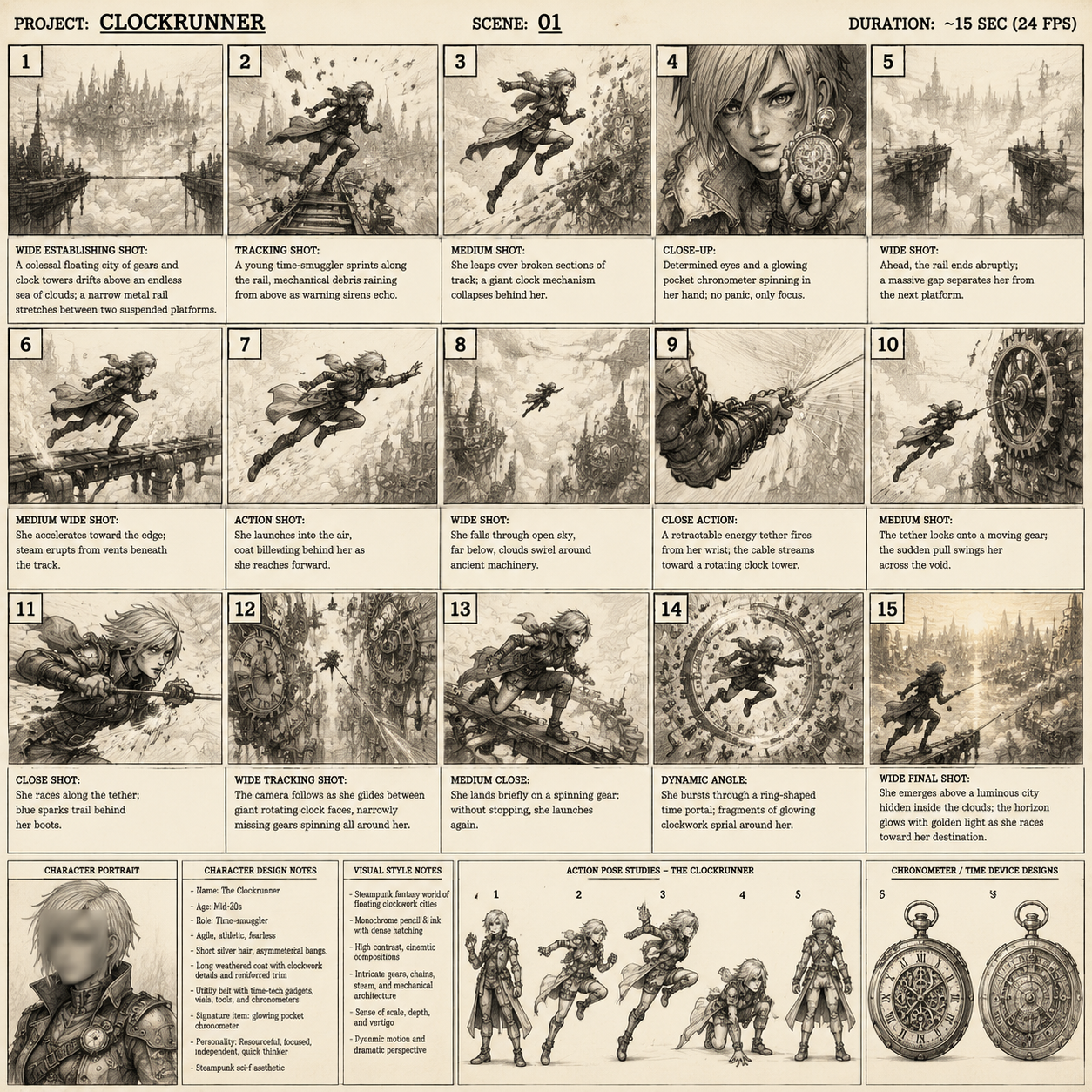
The integration of multi-image fusion capabilities — allowing character keyframe consistency across style changes — is a crucial differentiator in 2025. It minimizes the need for post-production patching and maximizes creative throughput for professional workflows.
How to maintain consistency
- Create a reference library: generate multiple images of your character from different angles, with different expressions and lighting. Start with an AI image generator.
- Define keyframes: establish the character's core poses, expressions, and wardrobe as anchors.
- Pass references through generation: use image-to-video so the model "remembers" the character's identity in every scene.
- Verify frame by frame: check consistency at each step and fix only the problematic segments.
Building an efficient production workflow
Step 1: Concept
Define the story, the scene list, and the mood of each scene. Plan which models will handle which parts.
Step 2: Prototype
Use fast, cost-effective models to validate direction. This is the stage for experimentation — iterate cheaply before committing resources.
Step 3: Final generation
Once the direction is confirmed, switch to premium models for the final render. Keep character references active to maintain consistency.
Step 4: Review and refine
Regenerate only the segments with issues. Good reference management means you never have to start from scratch.
The strategic advantage of model diversity
For creators
Access to a diverse model library means you can build bespoke visual narratives instead of generic outputs. One model for the establishing shots, another for close-ups, a third for stylized sequences — all coordinated through consistent references.
For enterprises
Businesses are leveraging cinematic fidelity for high-stakes advertising campaigns and internal training modules where clarity and realism directly impact ROI. Companies achieving high proficiency in multimodal content generation report significantly faster campaign deployment compared to traditional CGI pipelines.
For the creator economy
Platforms enabling users to train and publish their own models create a decentralized AI marketplace. Creators earn revenue sharing based on model usage, turning technical prowess into tangible income. The ability to dynamically select models ensures budget flexibility: use efficient models for initial drafts while reserving premium models for final, high-stakes renders.
Practical steps to master text-to-video
- Build your toolkit: text-to-video for narrative scenes, image-to-video for consistency, and an image generator for references.
- Learn your models: benchmark the models available to you; understand their strengths and costs.
- Standardize your prompts: develop prompt templates that reliably produce the style you want.
- Protect your character identity: maintain a reference library and pass it through every generation.
- Iterate relentlessly: use cheap models to experiment, premium models to finish.
Conclusion
Mastering text-to-video generation is about orchestration, not just generation. Benchmark your models, maintain character consistency through references, and build a workflow that moves from cheap iteration to premium output. The combination of a diverse model library and intelligent workflow design marks the inflection point where AI video generation moves from supplemental tool to primary production engine. With an AI video generator at the core of your pipeline, you can produce content that stands out — consistently, efficiently, and at scale.
