
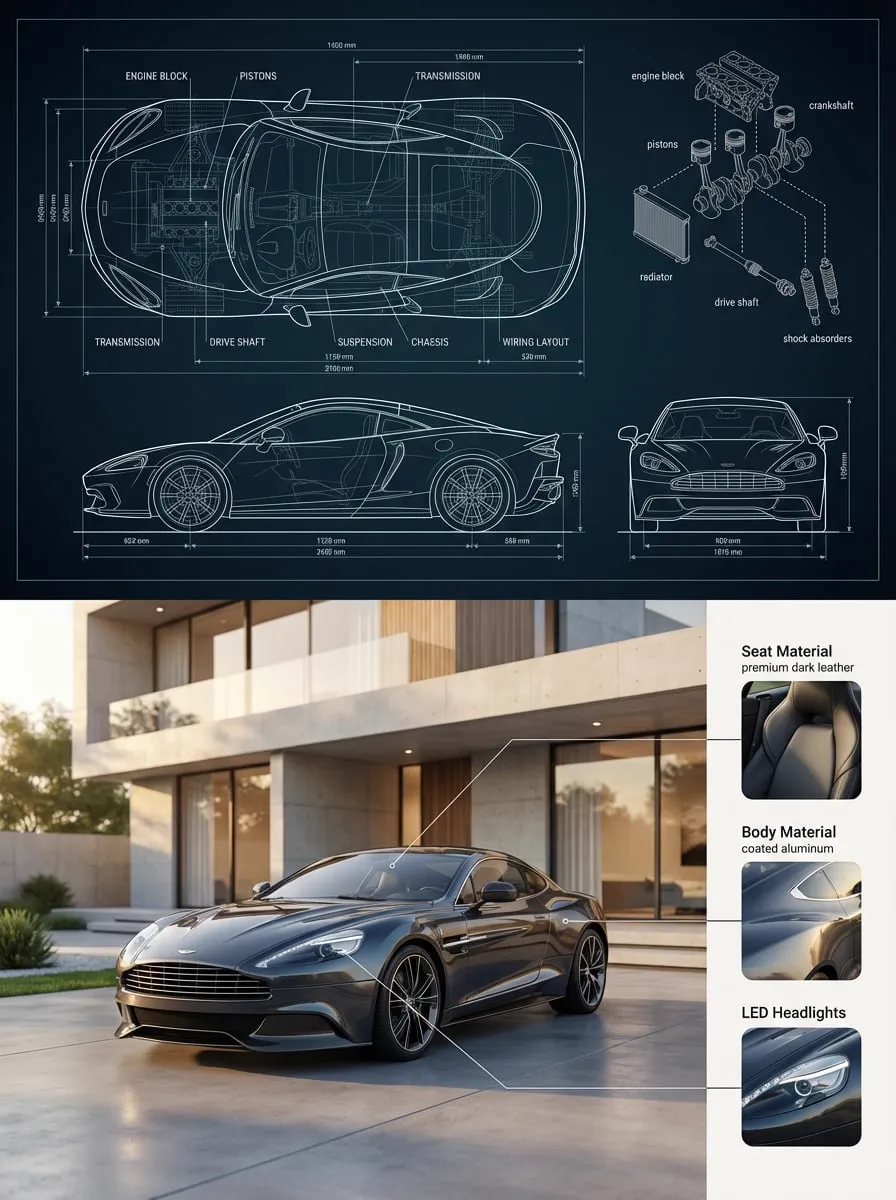
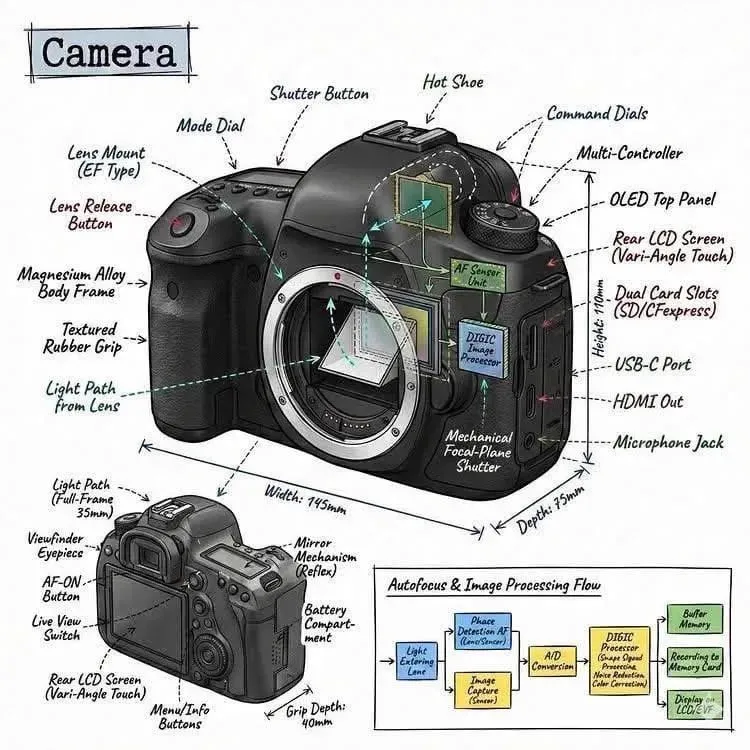
Viral short video rarely happens by luck. The clips that get shared and remembered share a set of qualities: they grab attention in the first second, they look polished rather than thrown together, and they are recognizably the work of one creator or brand. The last quality, visual identity, is what most indie creators struggle to achieve, because keeping a consistent look across many clips used to require a real production team. Multi-image fusion changes that. This article breaks down how the technique works and how you can use it to craft content that reads as professional and stays on-brand.
What Multi-Image Fusion Is
Multi-image fusion is a method where an AI video generator uses several reference images at once to build a new scene. Instead of describing everything with text, you hand the model visual anchors: a face, an outfit, a location, an object. The model blends those inputs into a coherent shot. The power of the technique is that it transplants identity and setting directly, so the output inherits the look of your references instead of inventing a new one.
For viral content this matters enormously. A creator who reuses the same character references and world references from clip to clip produces a body of work that looks unified, and that unified look is exactly what makes audiences start to recognize and follow them.
Why Visual Consistency Drives Engagement
On fast-scrolling feeds, viewers decide in a fraction of a second whether to stop. A video that looks indistinguishable from a thousand others gets skipped, while one with a distinctive, polished look stops the scroll. Consistent visual identity compounds over time: repeated exposure to the same character, palette, and vibe turns casual viewers into recognizable fans.
Inconsistency actively works against you. If each of your videos features a different actor, a different background, and a different color grade, you are essentially starting over with every post. Multi-image fusion lets you lock the look so that every clip reinforces the same mental image, which is how small creators build branded presences without a studio.
Getting Attention Is a Layered Problem
Before diving into technique, it helps to be clear about what actually makes a short video take off. Attention comes from a stack of factors, and the visual look is only one of them. The first layer is the hook, that opening moment that must stop the scroll in the first second. The second layer is the payoff, a satisfying moment the viewer is rewarded with for staying. The third is relevance, which means the content connects with something the target audience already cares about.
Visual consistency is the supporting layer that makes the first three feel trustworthy. A polished, unified look raises the perceived craftsmanship of the video, so the audience subconsciously treats it as higher-quality and therefore worth more of their attention. A janky or inconsistent look undercuts even a strong hook, because viewers read it as careless. This is why multi-image fusion matters beyond mere aesthetics: it is the mechanism that protects the credibility of every other layer that drives attention.
The Hook
Design the opening frame to be instantly readable and intriguing. Keep it simple enough to grasp in a fraction of a second, but specific enough to raise a question. A consistent character in an unexpected situation is a reliable hook, because the recognizable subject carries interest forward even before the action resolves.
The Payoff
Deliver exactly the moment your hook promised. If the hook shows a transformation, the payoff is the completed transformation in clear view. The payoff is where a strong keyframe and a confident camera move pay off, so it is the shot worth investing your best model and the most careful reference against.
Relevance
Finally, the concept must land with a specific audience. The technique guarantees the look is consistent and professional, but you still have to choose a subject your viewers actually care about. The craft of consistency makes your idea look finished; the choice of idea determines whether anyone wants to see it finished at all.
How to Set Up Your Reference Library
The technique only works if your references are clean and consistent. Build a small library of high-quality reference images before generating anything.
The Hero Reference
Your main character or subject needs one clean, front-facing image with neutral lighting. This is the anchor for the whole identity. Regenerate until it is exactly right, then freeze it and do not change it lightly.
The World Reference
Keep reference images of your key location, whether that is a room, a city street, or a stylized landscape. Setting consistency is as important as character consistency, because a recognizable place helps viewers orient and remember.
Props and Style Notes
If your content revolves around a prop, a logo, or a signature art style, keep a separate reference for each. The more concrete anchors you give the model, the less it will improvise, and the less it improvises, the tighter your brand look becomes.
Generating Climax Clips That Feel Cinematic
The technique really shines on the kind of shots that make a reel pop: dynamic action, dramatic reveals, and stylized transitions. Because you can feed in a character reference and a world reference, you can generate a high-energy hero moment that still features the same person in the same place as every other clip.
Start From a Strong Keyframe
Before generating an action clip, use a keyframe from an earlier accepted shot. This gives the model a concrete starting point, so the motion carries forward instead of starting over from scratch. The result feels like a continuous scene even when the angles change dramatically.
Describe Motion, Not Appearance
With references handling the appearance, your text should focus on what happens: the camera move, the action, the mood. Keep character keywords minimal so you do not fight the reference with contradictory wording.
Steer the Camera
For dramatic impact, describe intentional camera movement. A slow push-in, a sweeping orbit, or a quick whip pan all read as more professional than a static or drifting frame. Camera intent is one of the easiest ways to add cinematic polish.
Building a Full Video From Consistent Clips
Consistency pays off in the edit. Because every clip shares anchors, they cut together cleanly without a jarring mismatch every time the scene changes. A simple three-beat structure works well for short content: open with an establishing shot of the hero in the world, cut to a dynamic action or reveal, and close on a strong hero shot that leaves a lasting image.
Match the mood across clips by reusing the same lighting and palette keywords. Even small variations in color temperature across clips are noticeable once you start cutting, so keep the language tight and consistent.
The Technique in Practice: A Step-by-Step Walkthrough
Putting it together is straightforward once the references are ready.
First, lay out your shot list with a one-line visual for each beat. Second, for each shot pass the hero reference, the relevant world reference, and any prop references into the prompt, plus a description of the action and camera. Third, generate, and inspect the clip in motion, confirming the identity and setting match your references. Fourth, chain related shots by using the last frame of an accepted clip as the keyframe for the next one. Finally, assemble the approved clips in order and check for drift across the whole sequence before you export.
Mistakes That Break the Technique
The most common mistakes are easy to spot once you know them. Changing the hero reference mid-project guarantees a split personality across your videos, so keep one frozen version per character. Using low-quality or inconsistent references gives the model nothing stable to anchor to, so invest in clean images up front. Letting the text prompt fight the references, for example by describing brown hair when the reference is blonde, creates confusion and drift. And judging clips as stills instead of in motion hides warping problems until the edit. Watch everything moving.
Measuring the Payoff
The real test of consistency is audience recognition. Track comments and follows over a stretch of posts and notice whether more people recognize "your character" or "your style." When viewership starts coming back to the personality you built, you know the technique is working, because a consistent, cinematic identity is exactly what turns casual viewers into an audience you can count on.
Planning a Consistent Content Series
Consistency compounds when you approach whole series rather than single posts. Plan a set of videos that share the same character, world, and format, then produce them as one unit. The payoff is efficiency: the references and shot planning are built once and reused, while the audience sees a recognizable ongoing story rather than scattered experiments.
Define the Series Identity Up Front
Before the first video, write down the series identity: who the main character is, where the action takes place, and what mood every entry shares. Lock the references for character and world, and reuse them across the entire series. This single decision is what lets viewers follow the series across many separate videos.
Keep the Format Predictable
Audiences reward predictable formats. Adopt a consistent structure, such as an opening hook, a middle action beat, and a signature closing frame, and hold it steady across episodes. Predictability lets viewers know what to expect and makes each new post feel like part of the same show, which is exactly how serialized content builds momentum.
Vary Only What Matters
Within a locked format, change only what needs to change. New topics, new settings within the same world, and new actions keep the series fresh, while the identity anchors keep it coherent. Discipline in what changes and what stays locked is the real craft of a successful series.
The Business Side of a Recognizable Look
A consistent visual identity is not just aesthetic; it is an asset. A recognizable character or style makes paid and sponsored content more valuable, because the audience already associates the look with your channel. It also makes collaborations and merchandise possible. When your videos consistently feature the same design language, that language becomes a brand your audience can follow beyond any single platform.
Planning the Production Pipeline
Getting a consistent look is not only about the moment of generation; it is about the whole pipeline around it. A dependable pipeline keeps every clip on-brand before you ever see a mismatch during editing, and it makes producing large volumes of content much easier to sustain.
Build the Good Shots First
Sequencing matters for momentum. Establish your character and world in quiet, simple shots before you attempt the dense action sequences that are hardest to control. Learning the feel of your references under easy conditions gives you reference points to check when the later, harder shots inevitably push against the model.
Keep a Change Log for Your References
Treat your references like source files. Note every time you modify or replace one, and which videos used which version. A small change log prevents the disaster of trying to match a character across two videos that used subtly different reference versions months apart, when nobody can remember what changed.
Review Critically, Not Emotively
It is easy to fall in love with a single frame. Train yourself to review in the same way you would approve an edit: watch the full sequence, check identity and setting drift, and be ruthless about binning clips that break the look. Emotional attachment to one nice shot is a common source of the inconsistency that later undermines a whole body of work.
Frequently Asked Questions
Do I need to generate every clip from scratch with references?
Yes, but it becomes fast once your references are locked. The heavy work is the one-time creation of a clean, high-quality reference set. After that, each new clip just reuses the same anchors with a fresh action description, so per-clip effort stays low.
Can multi-image fusion be used for things other than characters?
Absolutely. It applies to environments, props, product shots, and even overall art direction. Anywhere you want identity to carry from one scene to another, fusion via reference images is the mechanism.
What if I want a deliberately inconsistent, chaotic look?
Then the technique is not for you, and that is fine. Consistency is a choice. But even chaotic content tends to hold attention better when at least the core subject or palette stays recognizable. Apply consistency only where it serves your goal.
How quickly can I build a recognizable identity?
It depends on posting volume and how distinctive your look is. With regular, consistent posting, audiences generally start recognizing and commenting on the style within a few weeks. Distinctiveness accelerates that; a look that is clearly different is remembered faster.
Final Thoughts
Multi-image fusion is not a magic setting that guarantees virality, but it is the mechanism that lets creators maintain a professional, recognizable visual identity on a small budget. Build a clean reference library, keep it frozen, anchor every clip to it, and cut the results together. What you lose in randomness you gain back in polish and recognition, and on a fast-scrolling feed, that recognition is the foundation of every video that takes off.
