
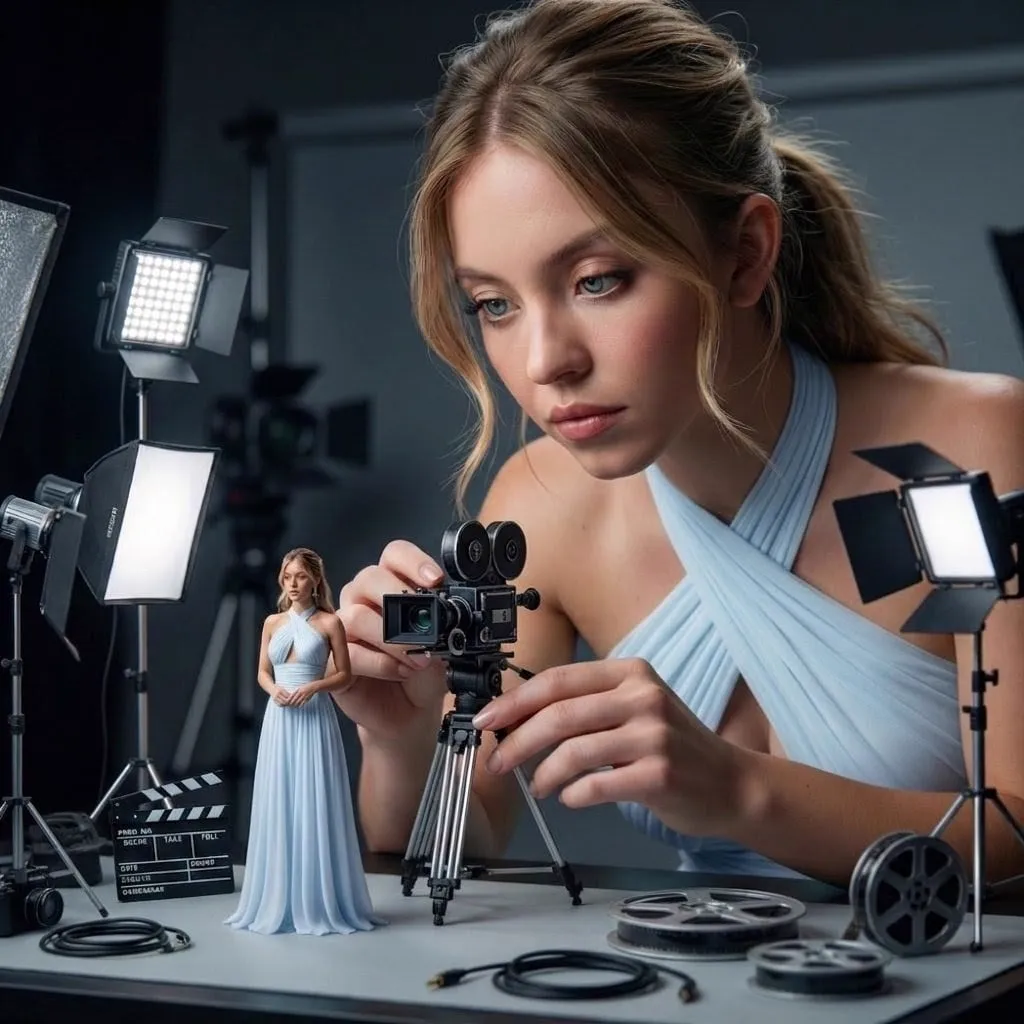

Mastering Cinematic Storytelling With AI-Assisted Direction
Storytelling used to be the preserve of directors who could command a camera, a cast, and a crew. Artificial intelligence has lowered that barrier dramatically, handing a single creator the ability to plan, visualize, and generate cinematic footage without a full production team. But the tool alone is not enough. To tell a story that keeps an audience engaged, you need to think like a director: control the camera, lock down visual consistency, and manage pacing and emotion across the whole piece. This guide shows you how.
The Shift From Prompt Engineer to AI-Assisted Director
The most important change in this new era is the role of the creator. Instead of polishing a single text prompt and hoping for a good frame, you now supervise a full visual pipeline. That means making directorial decisions at every step: what the story wants to say, how each shot supports it, and what the audience should feel when the scene lands. Your value is no longer in typing magic words, but in making choices, which is exactly what directing has always been.
Feeding Intent, Not Just Text
Rather than asking for a pretty picture, describe what the scene must accomplish. Explain the mood, the key emotional beat, and what the camera should emphasize. A directorial prompt leads: as the hero hesitates at the door, a slow push-in and a dim cold light reveal the weight of the choice. That kind of direction gives the model a clear purpose, and it gives you footage with narrative meaning rather than a sequence of disconnected images.
Structuring Scenes and Composing for Impact
Every scene needs a job. Before generating, write down the story beat, the location, and the emotional arc of the shot. Then decide the composition that serves it: a wide shot establishes space, a close-up reveals emotion, a low angle suggests power. Directing with AI means prescribing these choices deliberately instead of accepting whatever the model offers first. The discipline of shot planning is what separates a coherent short film from a random reel of impressive clips.
Camera Movement and Lens Language
Camera movement is a core storytelling grammar. A slow dolly toward a subject builds intimacy, a rapid whip pan adds energy, and a static locked-off shot can signal calm or tension. Modern AI tools let you specify these movements in the prompt, so use them with intent. Consistent lens and framing choices across the film give it a visual signature that makes the whole piece feel authored rather than assembled.
Controlling Lighting, Color, and Mood
The emotional temperature of a film lives in its lighting and color. Warm tones suggest comfort and romance; cool shadows suggest danger or melancholy. By specifying lighting direction, palette, and atmosphere in your shot descriptions, you keep the entire film in one emotional register. This consistency is what makes the audience trust the mood you are building, scene after scene.
Using Color Grading Intentionally
Plan your color grade before you start shooting rather than fixing it later. Decide on the overall palette for the film, then keep it stable across scenes and introduce deliberate shifts only at turning points in the story. When every frame shares a coherent grade, your short film reads as a single piece of work, and that reliability is a hallmark of professional storytelling.
Building Narrative Coherence Across the Whole Film
A short film succeeds because its parts accumulate. Protagonists need consistent identities, locations need recognizable geography, and the story needs to build logically from the first shot to the last. Keep reference images of your characters and key spaces, and reuse the same descriptions throughout production. This keeps the faces, costumes, and settings aligned so the edit stays believable.
Structuring Character Arcs and Personas
Even in a short piece, a character should change. Decide the arc before you produce any footage: who the character is at the start, what they want, and how they are different by the end. Generate your character references with that arc in mind, and choose costumes and expressions that track the transformation. Consistency plus change gives the audience someone to follow, not just a model to look at.
Collaboration and Sharing a Directors' Vision
Even when you work alone, your decisions benefit from clarity and structure that others could understand. Document your style guide, shot list, and loglines so a collaborator or client can review the creative intent without watching every prompt. Presenting the plan early reduces expensive misalignment, because stakeholders react to an outline instead of to dozens of generated clips. This habit also makes your process more professional and easier to hand off, whether you pass a project to an editor, a sound designer, or a client for approval.
Managing Regeneration and Editing Loops
AI production is naturally iterative, and learning to manage the loop is a skill in itself. Set a limit for how many regenerations each shot deserves before you change the approach, so perfectionism does not drain the schedule. When a shot fails, diagnose the cause before regenerating: the prompt may be too vague, the reference may clash with the new scene, or the desired motion may exceed the model's ability. Editing is the compress that turns a stack of raw shots into rhythm, so iterate on the cut as much as you generate. A disciplined loop keeps quality high and the project moving.
Directing Actors and Emotion Through the Lens
Even with AI footage, the director's core job remains guiding emotion. Decide how each shot should make the audience feel and let that decision drive the prompt. A shot meant to create suspense might use a slow push-in on a character's face with harsh shadows; a shot meant to convey relief might open wide and brighten. Explicitly naming the intended emotion and the visual that suggests it gives the footage an emotional center. When every shot knows its emotional job, the film accumulates meaning instead of just beautiful images.
Timing, Tension, and Rhythm Between Shots
Feelings are built not only inside each shot but between them. The length of a cut, the silence that follows a line, and the speed of the sequence all shape tension. Trust your edit to pace the emotion: hold a reaction beat a half-second longer for weight, cut faster during action, and let one quiet moment breathe before the next turn. Because you can regenerate footage cheaply and quickly, you have the freedom to re-edit and find the rhythm that works rather than settling for a rigid first pass.
Pre-Visualization: Planning the Film Before You Shoot
Pre-visualization saves the most time in any AI film project. Sketch the emotional arc of the whole piece before touching a generator, mapping each beat to a rough shot description and a camera choice. Create a style sheet that fixes palette, lighting, and reference images, and run a few test prompts to confirm the look early. When the style guide and arc are settled, production becomes a series of decisions against an agreed plan rather than an open-ended search. This discipline is what lets a single creator complete a coherent short film in days instead of struggling through weeks of unconnected experiments.
Reviewing Your Film Like an Audience
The final test is watching the result the way an audience will. Watch a full cut without pausing, then watch again on a phone, where much of your content will actually be seen. Note every moment that drags, every shot that breaks continuity, and every line that feels unclear. Treat each finding as an edit opportunity rather than a failure, revise the prompt or the cut, and regenerate only the shots that need it. Repeating this audience-style pass until nothing pulls the viewer out is what turns good footage into a memorable short film.
A Practical Workflow for a Short Film
Bring the ideas together in a dependable order. Write the script and map the emotional beats. Build a style guide with your palette, lighting, and character references. Produce shot by shot against the shot list, reviewing each for motion and consistency. Edit chronologically, then add pacing, music, and sound to smooth the transitions. Finish with a review pass on a small screen and on a phone, because that is where your audience will watch. This cadence keeps the project moving and the quality even.
Choosing a Story That Fits the Medium
Not every idea works equally well as an AI-assisted short. Stories with contained locations, a small cast, and clear emotional beats translate cleanly, while sprawling epics or highly physical action become unnecessarily hard to produce. When you choose your premise, match it to what you can reliably generate and finish. A quiet character study with a strong mood can land harder than an ambitious chase-scene reel that never coheres. Pairing ambition with feasibility keeps the project completable and the quality high, and a finished short always beats an abandoned grand idea.
The Story First: Guiding AI With a Strong Premise
Tools get better every year, but a weak story remains weak no matter who renders it. The fastest way to make an AI-assisted short film memorable is to start with a clear premise, a character who wants something, an obstacle, and a change by the end. Write this in a sentence before you worry about lenses or lighting. Once the spine is solid, every shot can be checked against it: does this scene move the story or the character forward? If it only looks pretty, it is decoration. Keeping the story as the filter for every creative decision is what separates a short film from a showcase of generated clips.
Using Loglines to Keep the Project Focused
A logline, a one or two sentence summary of the story, is a practical anchor throughout production. Revisit it whenever you are torn between two shot ideas and let it decide. The logline also keeps collaborators or a client aligned on what the film is about, avoiding drift toward a plot that loses the opening hook. When production gets complicated, which it often does, returning to that single sentence restores clarity quickly and prevents costly reshoots of scenes that no longer fit.
Sound Design and Music as a Storytelling Layer
Sound is half of cinema, and it is easy to overlook when the visuals are already stunning. A sparse, deliberate soundscape with a focused music bed can carry a simple scene to an emotional peak, while a wall of noise buries every nuance. Build your soundtrack to support the mood you set in the visuals, letting silence speak at the right moments and reserving musical swells for the turning points. A consistent sound language, like a consistent color grade, makes the whole piece feel authored and cohesive.
Mixing Dialogue, Effects, and Music in a Made-to-Order Edit
When you assemble generated footage, treat sound as a proper mix rather than a last-minute addition. Keep dialogue clear above effects and music, side-chain the music under narration, and leave breathing room at emotional beats. Check the mix on ordinary earbuds, which is how most viewers will hear it, and adjust for loudness so the film is comfortable to watch end to end. A clean, intentional mix is often the difference between footage that looks good and a film that feels finished.
Frequently Asked Questions
Do I need a filmmaking background? It helps but is not required. The key skills, story, composition, and pacing, can be learned, and AI tools make exercising them far more accessible.
How do I keep the film from feeling like random clips? Lock down consistent references, plan a shot list before generating, and keep the color and lighting stable. Editing choices then tie the shots into a single narrative.
What kind of story works best for AI-assisted filmmaking? Stories with controlled locations, manageable physical action, and strong mood suit these tools well. It is wise to design around their current limits.
Should I always use one model for everything? Not necessarily. Blending the best model per shot, premium for hero shots and faster models for tests, gives you both quality and efficiency.
