
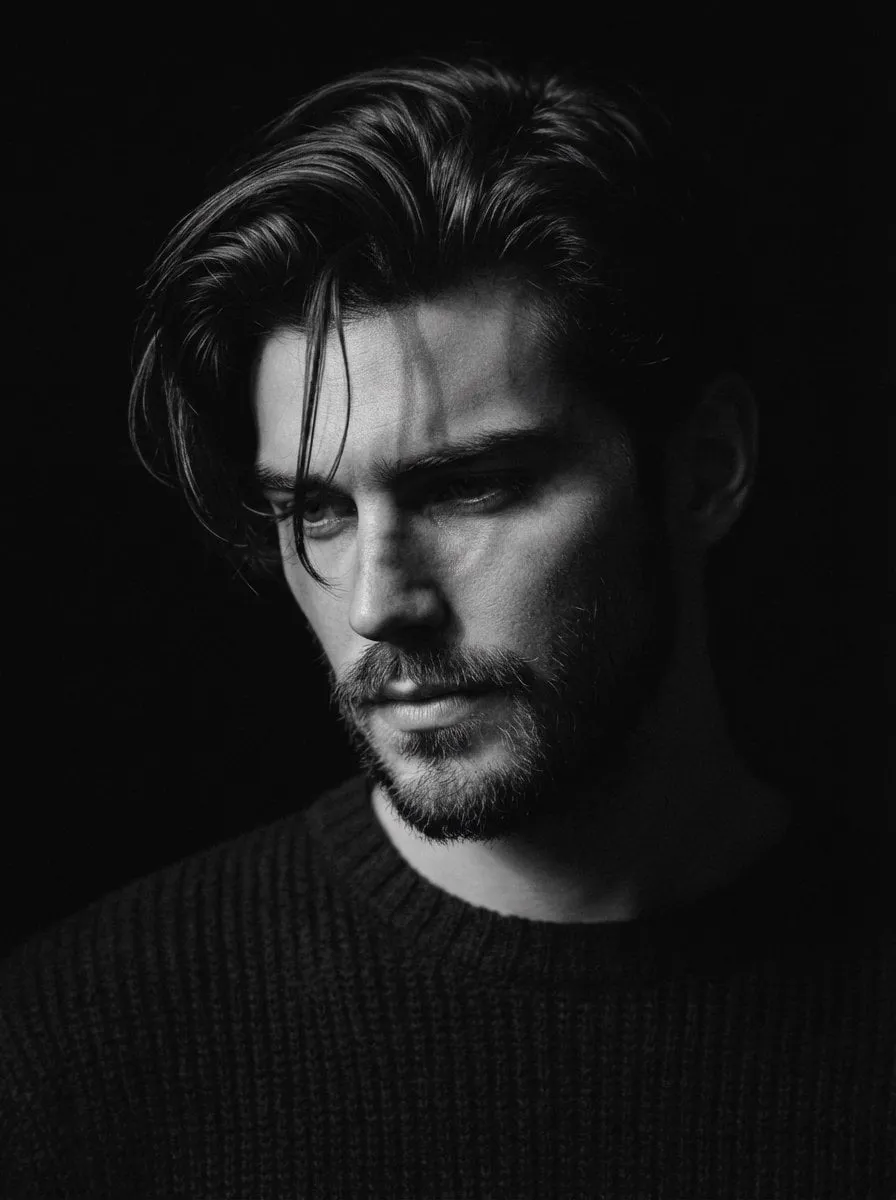

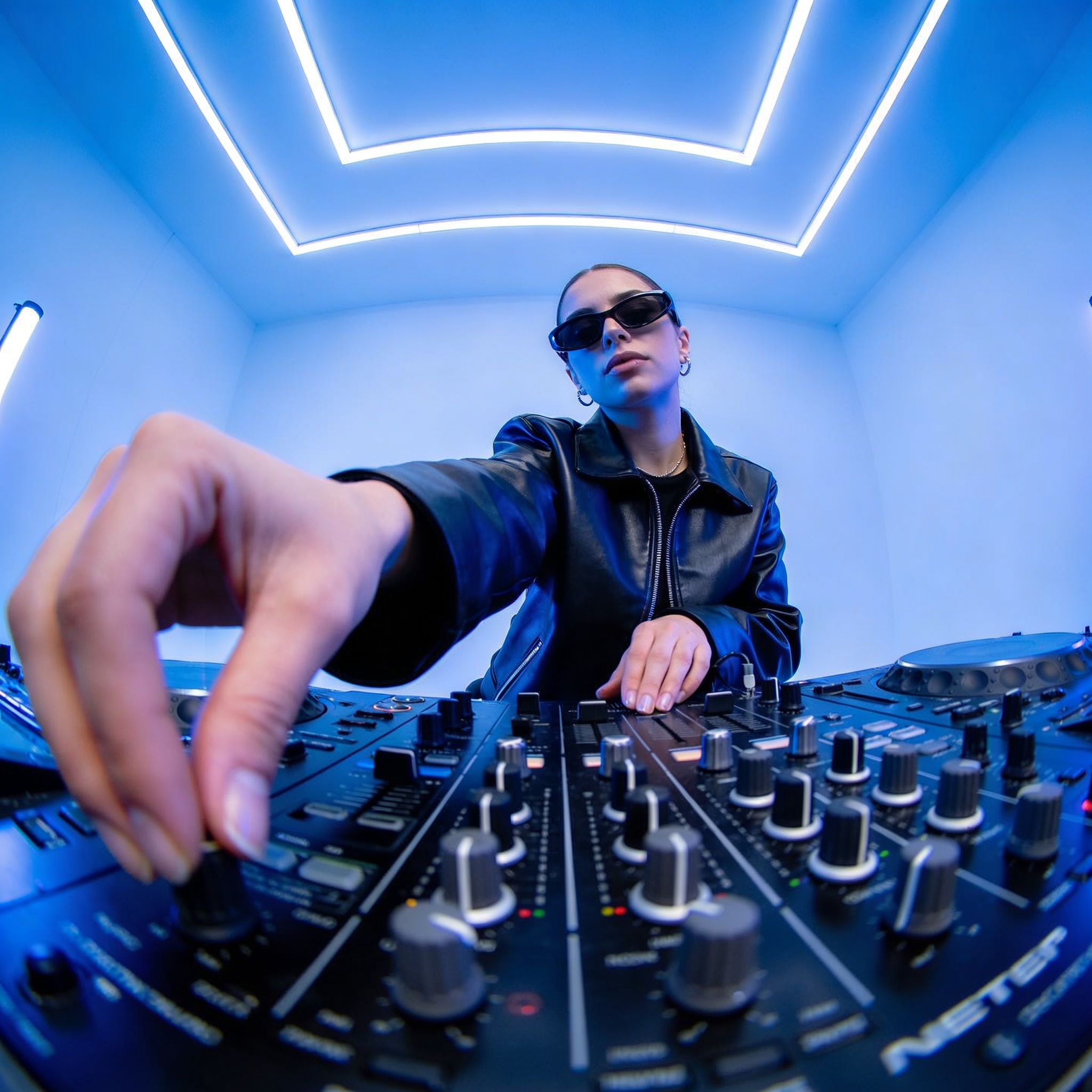
AI-powered video generation has made incredible progress, yet it keeps stumbling over one stubborn problem: keeping the same character looking like the same person across multiple shots. Generate one impressive clip of a heroine and it looks great. Ask for a second scene with the same heroine and she comes back with a different face, different clothes, different mood. For anyone trying to tell a real story, that inconsistency is a wall. It is the difference between a novelty trick and a serious production tool.
This guide focuses on the most practical solution to that wall: multi-image fusion. Instead of describing a character with words and hoping for the best, you give the model visual references and anchor every shot to them. We will go deep on how the technique works, why it solves the identity problem, how to choose the right approach, and step by step, how to build a workflow that keeps your characters as consistent as any live-action production.
Why Character Consistency Is the Hard Problem in AI Video
The difficulty hides in how a generation model actually works. A model does not create from a script or a memory of what a character looked like earlier. When you type a text description, the model generates each image as an independent interpretation of that description. Add a little randomness, and two images described identically can look completely different.
This is fine for generating a single stunning image. It is a disaster for narrative. A story needs a character to persist scene after scene: the same hair, the same scar, the same coat, the same way of moving. When nothing guarantees that continuity, the illusion of a stable character collapses as soon as you cut to a new shot.
Enter visual references. When a model can see actual images of the character throughout the process, it no longer has to invent the appearance from words. It has something concrete to reproduce. This shift, from verbal description to visual anchor, is exactly what makes character consistency achievable in practice, and it is the foundation that every serious workflow is built on.
What Multi-Image Fusion Actually Means
Multi-image fusion is the technique of combining several reference images to guide generation, rather than relying on a single image or a lone text prompt. The plural is essential. One good portrait can stabilize a face, but it tells the model almost nothing about the side profile, the full body, the back of the outfit, or how the character moves.
By fusing multiple views, you give the model a far more complete idea of who the character is. A front-facing portrait, a three-quarter profile, a full-body shot, and a close-up of a distinctive accessory together let the model reconstruct a person from every angle the camera might need. When the character turns or walks across the scene, their identity does not fall apart.
Fusion is not limited to the character either. You can fuse images that define the visual style, the color palette, the lighting mood, and even the setting. Combining identity references with style references means the whole sequence holds together consistently, not just the main subject. This combination of identity and aesthetic control is what separates a coherent production from a random slideshow of impressive clips.
How Models Preserve Identity With the Right References
The mechanism behind effective fusion rests on getting the model to treat your references as ground truth rather than suggestions. Clever systems encode the reference images into the generation so that, for every frame, the model compares its output against those references and steers the result toward them.
This is why the quality of your reference material matters so much. Clean, high-resolution, well-lit images of the character from multiple angles give the model reliable information. Blurry, low-contrast, or inconsistent references force the model to guess, and guessing is where identity starts to drift. Spending a little effort curating strong references pays off across every shot that follows.
The same principle applies to maintaining style and tone across an entire video. When the references define a consistent color grade and lighting direction, the model works within those constraints in each frame. The result is a production where everything feels like it belongs to the same world, with a "grand unified look" rather than a patchwork of slightly different interpretations.
Choosing the Right Model for Your Character Work
Not every generation model handles fusion the same way, so part of mastering consistency is choosing the right tool. Some models are built with strong fusion support, making them ideal for projects built almost entirely around a recurring character. Others are better at single-shot cinematic beauty, and pushing them to hold identity over many shots can be an uphill battle.
For character-heavy work, prioritize models that give you reliable control over references. Test them the way you would audition talent: generate the same character in several scenes and check whether the face, outfit, and presence stay true. A model that is consistent is worth more than one that produces a slightly more beautiful frame but loses the character on the second cut.
In practice this usually means maintaining a small toolkit. Keep a consistency-first model for your character shots and a high-fidelity cinematic model for establishing scenes and hero moments. By matching each requirement to the tool that naturally excels at it, you get both narrative coherence and striking visuals, without compromising either.
The Sequential Keyframe Methodology
Even with a great model, holding identity across a long video requires a method, not just a setting. The sequential keyframe methodology is exactly that: a disciplined, step-by-step approach to building a consistent sequence rather than generating shots in isolation.
The core idea is to establish your keyframes early. Define the critical poses, the important shots, and the transitions that carry the most meaning, and lock down the character's appearance in those moments with your reference images. Each subsequent shot is planned in relation to what came before, so the character always reminds the model of who it should be.
This staggered discipline is what keeps long productions coherent. Rather than generating shot five in a vacuum, you connect it to shot four and to the defining keyframes. Each new scene inherits the identity that earlier scenes locked in. The result is a narrative thread that remains visually unbroken from the opening frame to the final cut.
Sequencing Long Scenes Without Losing the Thread
The real test of consistency is a long scene with many cuts. As the number of generated shots climbs, the risk of drift compounds, and small variations in each shot add up to a character who gradually looks less and less like themselves.
To hold the thread, treat the whole sequence as one connected effort. Work from your locked keyframes outward, generating adjacent shots and checking each one against the references before moving on. Catch drift early, while it is cheap to fix, rather than discovering halfway through that the character's face has quietly changed.
Automation can help here. An AI director agent can carry the continuity burden across the sequence, deciding which references apply to which shot and keeping the narrative and visual thread consistent automatically. Under its direction, the same character can appear across dozens of shots with the stability you would expect from a shoot with the same actor and the same costume.
Integrating a Director Agent Into Your Workflow
The most promising development in consistency work is the rise of AI director agents that coordinate a production rather than merely generating clips. You describe the story at a high level, and the agent breaks it into shots, composes each one with the right references, and sequences the whole piece so the narration stays together.
For a solo creator, this is like gaining a tireless production partner who remembers every detail across the entire project. You supply the vision and the references; the agent keeps the character on model and the narrative coherent from scene to scene. This removes the single most draining part of producing long-form content by hand.
The human role shifts to direction and review. You decide whether a shot serves the story, whether the pacing works, whether the emotion lands, and you steer the agent accordingly. The agent handles the relentless mechanical task of holding identity and structure. That division of labor is what makes ambitious, multi-scene AI productions finally practical for individuals and small teams.
Building a Reference Library for Recurring Characters
If you plan to tell stories across more than one video, the most valuable asset you can build is a reference library. This is a carefully organized collection of images defining every recurring character, their multiple angles, their outfits, their signature props, and their emotional range.
The library becomes a reusable resource. Start a new video, pull the character from the library instead of rebuilding it from scratch, and every story featuring that character inherits the exact same look. Over time, a well-maintained library turns one-time production into an ongoing creative universe that audiences can follow and recognize.
This is where consistency becomes a genuine creative advantage. A character whose identity is stable across an entire series and beyond is a brand waiting to happen. Audiences bond with characters they can trust to stay the same person. When your processes guarantee that stability, you are not just producing videos; you are building a cast that viewers will come back for.
Frequently Asked Questions
Why do AI characters change appearance between shots?
Because a generation model reinterprets a text prompt independently for each image, with no memory of previous shots. Without visual references, nothing forces the character to stay the same.
How many reference images should I use?
Use enough to cover the views you will need, typically a front portrait, a profile, a full-body shot, and a detail of any distinctive outfit or prop. Quality matters more than quantity.
Does multi-image fusion work with all video models?
Many modern models support reference-based generation, but with varying quality. Test a model for consistency before trusting it with character-heavy work, and keep the tools that hold identity best.
Can I reuse the same character across multiple videos?
Absolutely, that is one of the best uses of a reference library. A well-documented character can appear consistently across an entire series, giving your audience someone to follow and your brand a recognizable face.
Troubleshooting the Consistency Workflow
Even a disciplined pipeline will occasionally throw up problems, and knowing how to diagnose them quickly is a practical skill. When a character starts to drift, work through the most likely causes in order before touching anything else.
The first suspect is almost always your reference material. If the references are low resolution, poorly lit, or inconsistent with each other, the model has nothing reliable to anchor to, and drift is inevitable. Rebuild your reference set with clean, well-lit, multi-angle images and test again. The second suspect is prompt drift: if you vary your description of who the character is between shots, you invite the model to reinterpret them. Standardize the character description so every prompt reinforces exactly the same identity.
The third suspect is that you are asking a model to hold identity beyond what it reliably supports. If a single-shot cinematic model keeps losing the character, move your character work to a consistency-first model instead of fighting the wrong tool. Starting each scene by re-anchoring to your locked keyframes also settles most transient drift. Rather than hunting for a magical fix, treat troubleshooting as a checklist: fix the references, standardize the prompts, match the model to the job, and re-anchor to keyframes. One of those four will almost always resolve the issue.
Matching Style and Dialogue Consistency
Portrait stability is only part of the story. A character who looks right but sounds wrong, or whose world changes color and mood scene to scene, will still feel broken to an audience. Consistency operates on style and behavior as much as on appearance.
Lock the style of the whole piece early. Decide your color grade, lighting direction, and art direction, encode them in your references, and check every shot against them. An AI director agent is especially useful here, because it can carry both the visual style and the narrative tone across the entire sequence without you having to repeat the direction at each step.
Dialogue and voice are the other half. If your character speaks, define a single voice and keep it consistent, whether that means a steady text voice, an established voiceover, or a consistent writing voice in the captions and pacing. Matching what the character says and how they say it to who they look like completes the illusion and turns a stable image into a believable person. Style, appearance, and voice reinforce one another, and consistent work at all three levels is what audiences register as genuine quality.
Your Path to Consistent Characters
Whether you are telling a short story, building a brand series, or producing client work, character consistency is what elevates AI video from an experiment to a craft. Master multi-image fusion, and you take the biggest single step away from "impressive random clips" and toward "deliberate, professional storytelling."
Start with the fundamentals: curate strong references for your core character, choose a model that honors them, and adopt a sequential method that locks in identity early and carries it through every scene. Add a director agent to hold the thread at scale, and build a reference library so your best work is repeatable.
Consistency is not a single technique but a set of disciplines that reinforce each other. Put them together and you will create videos that no longer fight you, where the audience follows the story and the character, never noticing the seams. That is the moment AI video stops being a trick and starts being the reliable creative medium you always wanted it to be.
