
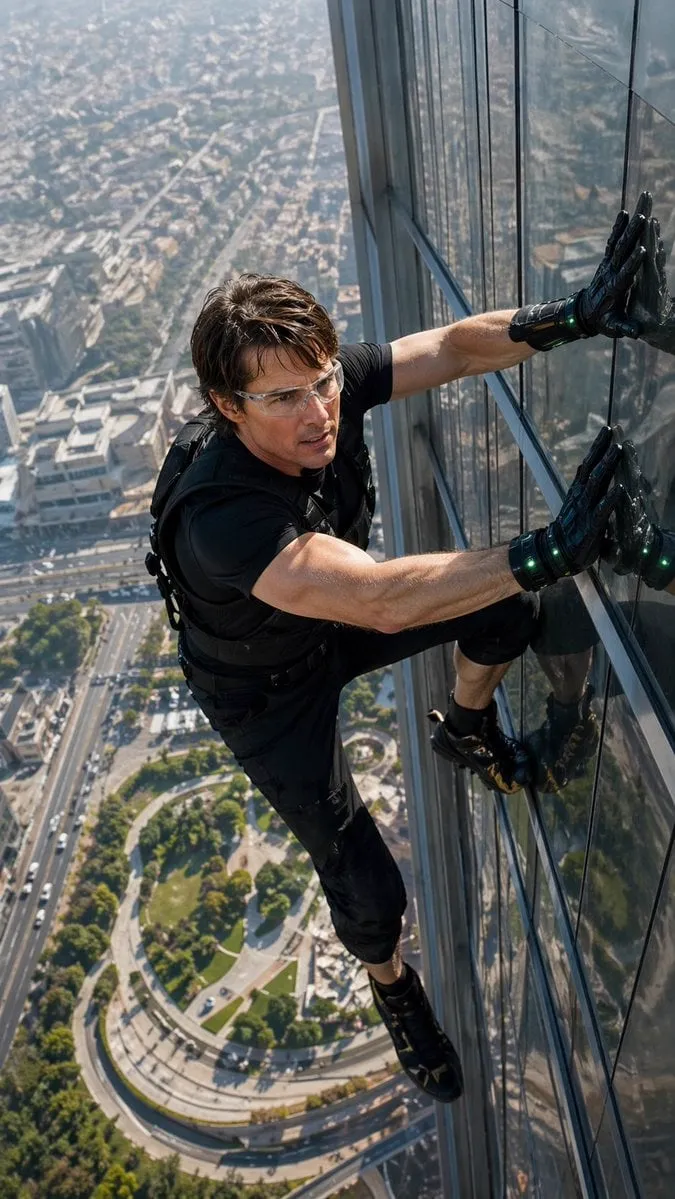

Anyone can generate a stunning AI video clip. Very few people can generate a sequence of clips that tells a story worth watching. That gap, between producing isolated images and directing a coherent narrative, is where the real value of AI video creation lives in 2025. Audiences are no longer impressed by a single photorealistic shot; they are impressed by stories that hold together, characters that stay recognizable, and emotions that build across scenes.
This guide is about mastering video storytelling with AI. It covers the narrative foundation, the tools and models you need, how to keep characters and locations consistent, how to use AI director features to orchestrate scenes, and how to structure a project from idea to finished sequence.
Why Storytelling Is the New Competitive Edge
The technology has democratized visual generation: a solo creator can now produce images and clips that once required a production studio. When everyone has access to the same models, the differentiator is no longer technical capability. It is the ability to decide what to show, in what order, and why.
Storytelling is that decision-making ability. It is what makes an audience watch to the end, remember the content, and come back for more. Brands compete for attention with content that is visually abundant; the content that wins is the content that makes people feel something. That emotional connection is built through narrative structure, not through visual polish alone.
This matters for every format: a thirty-second ad, a three-minute brand film, a series of social clips. In all of them, the story is the architecture and the AI generation is the construction material. Master the architecture and the material stops being the bottleneck.
From Single Clips to Directed Narratives
Most people start with the clip mindset: generate one impressive shot, post it, repeat. The jump to professional work happens when you start thinking in sequences: a beginning that sets up a question, a middle that develops it, an end that resolves it.
A directed narrative needs three layers of planning.
The story layer
What is the idea? What changes from the start to the end? Even in a thirty-second video, the audience needs a sense of transformation: a problem introduced and answered, a tension built and released, a question asked and resolved. Write this in one or two sentences before you generate anything.
The scene layer
Break the story into scenes, and each scene into shots. For every shot, decide what the audience must see and feel. This is where the story becomes concrete enough to generate: each shot is a prompt with a purpose.
The consistency layer
Decide what must stay consistent across the whole sequence: the main character's appearance, the key locations, the lighting style, the color palette. Consistency is what turns separate clips into a single world. Without it, the audience experiences a collage, not a story.
Building the Narrative Foundation
Before touching a model, write the story foundation. It does not need to be long; it needs to be clear.
Define the protagonist and the goal
Who is the story about, and what do they want? The protagonist can be a person, a product, an animal, or an abstract idea made visible. The goal gives the sequence direction and gives the audience a reason to care.
Define the conflict
What stands between the protagonist and the goal? Conflict creates tension, and tension is what holds attention. In an AI-generated story, the conflict can be visual: a character lost in a vast city, a product emerging from chaos, a change of season. Make the conflict visible, not just stated.
Define the emotional arc
How should the audience feel at each stage? Map the emotional curve: curiosity, surprise, worry, relief, delight. This curve guides every creative decision, from the color palette to the pacing. A story without an emotional arc is a sequence of images; with one, it is a story.
Choosing the Right Tools for the Story
Once the story is clear, choose the tools that serve it. The AI video landscape offers many models, and each has a personality.
For stories that need photorealistic believability, choose models known for realism and prompt fidelity, such as Runway or Sora-class systems, paired with image models like Flux for reference stills. For stylized worlds, animated characters, or fantasy settings, models like Kling, PixVerse, or Pika give you creative control that realism-focused models lack.
The principle is simple: the tool must serve the story's world. A story about a corporate product launch needs realism; a story about a magical creature needs stylization. Trying to force one style through the wrong tool produces content that fights itself.
Directing Visual Consistency: Characters and Locations
Consistency is the backbone of AI storytelling, and it is achieved through references, not through hope.
Build a character bible
Create a set of reference images that lock the protagonist's appearance: face, body, clothing, distinguishing features. Generate the references carefully, from multiple angles and under consistent lighting, until the identity is stable. Use these same references in every shot where the character appears.
Lock the locations
The world of the story needs its own references. For each main location, generate an image that defines the space: architecture, light, palette, atmosphere. Reuse it across shots, and describe the location's identifying features in every prompt. A recognizable world is what makes the story feel real.
Guard the palette and light
Decide the color palette and lighting language of the story and hold it across scenes. A story that starts in golden daylight and suddenly shifts to blue night can be a deliberate dramatic choice; if it happens by accident, it reads as amateur. The palette is a storytelling tool: use it deliberately.
Using AI Director Features to Orchestrate Scenes
Modern AI video platforms increasingly include director-like features: systems that take a scene description and translate it into a coherent set of shots, choosing framing, camera movement, and sequence order. These features are most powerful when you use them as an orchestration layer for a story you have already designed.
Feed the director feature your scene plan, and let it propose the shot structure. Approve or adjust the proposals, then generate. This workflow gives you the benefits of a systematic approach without losing creative control. The director feature handles the mechanics of film grammar; you handle the story.
This is especially valuable for longer sequences. Keeping thirty shots consistent by hand is exhausting; a director feature that tracks continuity and model assignment makes it manageable. It is the difference between a project that gets finished and a project that gets abandoned.
Composition and Mood: Speaking the Visual Language
The visual choices in each shot carry narrative meaning, whether you intend it or not. Learn to intend them.
Framing as emotion
Wide shots isolate and contextualize; close-ups create intimacy; low angles give power; high angles create vulnerability. Choose the framing that matches the emotional job of each shot. Your storyboard references should encode these choices deliberately.
Movement as energy
Camera movement shapes how the audience feels the scene. Slow push-ins build tension and intimacy; tracking shots create momentum; static shots create calm or unease. Describe movement in every prompt, because a video without described movement is a video with unpredictable movement.
Light as mood
Light is the fastest way to communicate emotion: golden hour for nostalgia, harsh shadows for danger, soft diffused light for safety. Set the lighting language early and keep it consistent, using it to reinforce the emotional arc of the story.
Structuring Multi-Phase Projects
A serious AI video project has phases, and each phase has a different cost and a different risk.
Pre-production: story and references
This is the cheapest phase and the most important. Write the story foundation, build the character and location references, create the storyboard. Every problem solved here costs nothing compared with the same problem discovered after generation.
Production: generation
Generate the shots in order, validating each against the storyboard. Use the last frame of one shot as the first frame of the next when you need continuity. Keep a log of what was generated, with which model, and what the result was.
Post-production: assembly
Edit the clips into sequence, add sound, music, and text, and refine the pacing. The edit is where the story's rhythm is set. A good edit can save weak shots; a weak edit can ruin strong ones.
Review and iteration
Watch the assembled sequence as an audience member, not as a creator. Identify where attention drops and where the story confuses. Fix the story problem first, then the visual problem; regenerating a shot that does not serve the story is wasted effort.
Measuring What Works
Storytelling with AI benefits from feedback loops, even in content that is not numerically measured. If you publish, the metrics tell you part of the story: watch time, completion, saves, shares. If you present to clients, their reactions tell you the rest.
The most useful metric is completion: do people stay to the end? A strong emotional arc and a clear payoff improve completion more than any visual trick. The second most useful signal is saves or repeat viewings: they indicate that the story had lasting value. Use these signals to refine the next project's story foundation, not just its visuals.
FAQ
How long does it take to plan a story before generating?
A good story foundation, references, and storyboard can take a few hours for a short video and a day or two for a longer sequence. It feels like delay, but it saves days of regeneration. Planning is the fastest part of the pipeline.
Do I need a script for short social videos?
You need a structure, even if you never write it as a formal script. One sentence for the hook, one for the development, one for the payoff. If you can say the story in three sentences, you can generate it.
How do I keep AI characters from looking artificial in emotional scenes?
Emotion in AI video comes mostly from context and pacing, not from facial acting. Build the emotion through the scene: lighting, framing, movement, and what surrounds the character. A character in a well-directed scene reads as emotional even with limited facial range.
Can AI replace the role of a human director?
The mechanical parts of directing, framing, sequencing, consistency, can be automated or assisted. The human parts, knowing what story to tell, why it matters, and how the audience should feel, remain the director's job. The best results come from the combination.
What if my story needs a style I cannot generate well?
Simplify the visual ambition and strengthen the narrative. A simple story told clearly beats an ambitious story told badly. As your skills and tools improve, expand the visual ambition; the story discipline will serve you at every level.
How do I write prompts for a whole scene, not just one shot?
Do not try to generate an entire scene in one prompt. Break the scene into its shots, write a prompt for each, and keep the connecting elements consistent: the same character references, the same location reference, the same palette. Then assemble the shots in order, using the last frame of each as the anchor for the next when you need continuity. The scene emerges from the sequence; trying to force it into a single generation produces the opposite.
How much should I rely on director-style AI features versus my own shot choices?
Treat the features as a collaborator with strong opinions, not as the author. Let them propose shot structure and camera language, then override anything that does not serve your story. The value of the feature is speed and film-grammar competence; the value you add is story judgment. The combination beats either one alone.
The Final Word
AI has made video generation abundant; it has made storytelling scarce. The creators and brands who win attention will be the ones who treat AI as a tool for executing a story they have thought through, not as a slot machine that occasionally produces something impressive. Build the foundation: a clear protagonist, a visible conflict, an emotional arc, a consistent world. Choose tools that serve the story, use references to hold the world together, and orchestrate the scenes toward a payoff. Do that consistently, and your AI videos will stop being clips and start being stories, which is exactly what audiences are hungry for.
