
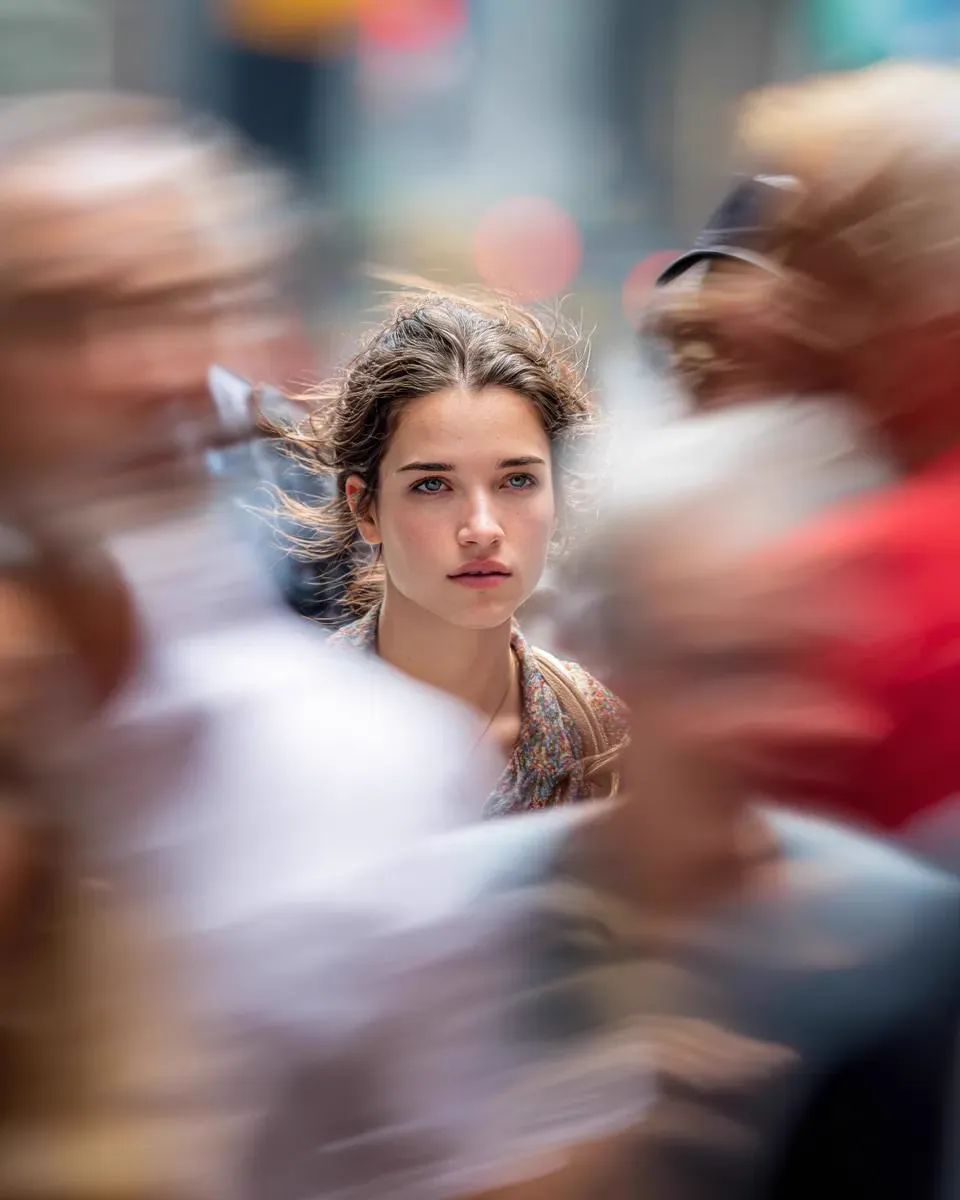
Cinematography is often described as the art of writing with light and camera. For anyone creating short films, brand content, or social videos, understanding the fundamentals of this visual language is no longer optional. Whether you are shooting on a smartphone, working with a DSLR, or generating imagery with the latest artificial intelligence tool, the same set of principles governs whether an image feels intentional or accidental. This guide walks through those foundations from the ground up, showing how beginners can make deliberate, emotionally charged frames and then extend those instincts into the rapidly growing world of AI-assisted production.
Why Cinematography Skills Matter More Than Ever
It is tempting to believe that hardware or software makes a shot. In practice, the opposite is true. A mediocre composition captured on expensive equipment still reads as mediocre, while a thoughtful composition shot on a phone can stop a viewer mid-scroll. Generative AI amplifies this dynamic. AI image and video tools can produce an almost unlimited number of frames, but they need guidance to know what a good frame looks like. If you cannot describe a strong composition, the tool has no reference for what to create.
The democratization of production tools has normalized a high standard of visual quality for everyone. Audiences now expect polish from a solo creator's reel and from a regional brand's ad alike. This means the creative burden has shifted from access to equipment toward understanding visual intent. The people who stand out are not necessarily those with the largest budget, but those who can articulate mood, focus, and rhythm through their framing choices.
There is also a practical benefit. Learning to think in shots reduces wasted iterations. When you can reason about how light, color, and camera angle shape a scene, you make fewer passes before reaching a result you like, whether that result comes from a physical shoot or a prompt.
The Language of Light and Color
Using Light as a Storytelling Tool
Light is the raw material of any image. Its direction, quality, and color temperature all carry meaning. Hard, directional light creates drama and shadow, which suits tense or heroic moments. Soft, diffused light flattens contrast and reads as gentle, optimistic, or intimate. Side lighting reveals texture and depth, while front lighting tends to flatten features and reduce dimension.
Before you touch an AI tool, try an exercise. Position one dramatic light source, such as a desk lamp, and photograph or film a friend's face from four sides. Watch how mood shifts between the angles. This simple drill teaches the most transferable lesson in cinematography: the same subject becomes a different character under different light. When you later write a prompt, you can borrow terms like rim light, golden hour, or high-contrast noir to steer the result toward the emotion you want.
Color and Emotional Temperature
Color operates on a subconscious level. Warm palettes of amber, coral, and gold suggest comfort, nostalgia, or energy. Cool palettes of blue and teal read as calm, clinical, or melancholic. The interval of teal and orange that dominates blockbuster color grading works because human skin tones naturally sit in the warm range, and cooling the shadows creates satisfying separation.
For beginners, the pragmatic lesson is moderation. A single accent color within an otherwise muted scene draws attention precisely because it is surrounded by restraint. A neon accent against a gray city, a red umbrella in an overcast street, or a yellow jacket in a desaturated forest all use the same mechanism. Decide what the viewer should notice, then protect that element from competing colors.
Composition: The Frame as a Decision
Working With the Rule of Thirds
The rule of thirds divides a frame into nine equal rectangles. Placing a subject along the grid lines or at the intersections creates tension and movement, while centered placement feels stable and confrontational. Neither is wrong; they simply say different things. A centered hero shot communicates confidence, while an off-center subject suggests imbalance or longing.
The rule of thirds is best understood as a starting point rather than a law. Symmetry, for instance, can be exceptionally powerful when used deliberately. A perfectly mirrored shot of a corridor, a dinner table, or a person standing in the center creates a sense of order, ritual, or destiny. What matters is that the choice is conscious.
Leading Lines and Depth
The eye follows lines. Roads, railways, architecture, and shadows can all guide the viewer toward your subject. Leading lines add depth by creating a sense of forward movement into the frame. Even a simple subject like a person standing at the end of a bridge becomes cinematic when the structure draws the eye toward them.
Foreground framing performs a related job. Shooting through a doorway, between branches, or past a blurred object adds layers to an otherwise flat image. The foreground object gives the frame depth and places the viewer inside a space rather than watching it from outside.
Camera Movement and Its Emotional Weight
The Feelings Behind Moves
Camera movement is inseparable from meaning. A slow push-in toward a character's face increases intimacy and tension, gradually closing the psychological distance between viewer and subject. A slow pull-back creates context, revealing the scale of a location or the isolation of a figure. A dolly-in as a character realizes a truth has become a familiar visual shorthand for dawning insight.
Handheld and gimbal movement convey energy and immediacy, which is why they dominate action and vlog content. Stability, by contrast, communicates control and composure. The camera becomes an emotional barometer: when the world is chaotic, the frame may shake; when a decision is final, the frame locks.
Match Cuts and Continuity
Beyond individual moves, the relationship between shots builds meaning. A match cut links two shots by a shared visual element, such as a shape, motion, or color, creating an implied connection across space or time. The classic image of a spinning object transitioning into a similar spinning object is both elegant and economical because it tells the viewer that two things belong together.
Motion also shapes energy. Fast cuts and whip pans accelerate perceived tempo; long takes slow it down and ask for patience. Beginners should treat editing rhythm as a tool equal to the camera itself, deciding how long each shot needs to land before the viewer loses interest or before the meaning changes.
Applying Visual Thinking With Generative AI
Translating Principles Into Prompts
Generative tools reward specificity. Instead of prompting for a woman standing, describe the light and composition you want. For example, low-angle shot of a lone hiker facing a vast valley, warm golden hour rim light, strong leading lines from the trail, cinematic wide angle. Every term you include maps back to a principle discussed above: the angle, the light quality, the composition, the lens.
The ability to iterate quickly is one of the greatest advantages of working with AI. You can generate several variations of the same scene and compare them side by side. That comparison is a learning tool. Ask yourself why one version reads as more dynamic and another as more serene, then borrow the successful qualities in the next prompt.
Controlling Character and Scene Consistency
A recurring challenge across AI video projects is maintaining a believable, consistent character across multiple shots. If every frame relies on a fresh description, features drift between takes. The solution common to modern tools is to anchor the model with reference imagery. By supplying consistent reference images of your subject, you guide later generations to preserve identifying traits such as face shape, hairstyle, and wardrobe.
This matters even more when scenes change dramatically. A character moving from daylight to neon night, or from a crowded street to an empty room, keeps their identity only if the model has a stable reference to fall back on. Building a small library of reference frames before production saves enormous time later and is a habit every serious AI filmmaker should adopt.
Practical Exercises to Build Instinct
A Weekly Framing Drill
Stop using auto composition for one week. Take ten photographs each day and, before pressing the shutter, consciously choose where the subject sits in the frame and what light falls on it. Over a few weeks you will internalize the rule of thirds, negative space, and the weight of centered vs. off-center subjects without overthinking each frame.
Describe Before You Generate
For any scene you plan to create with generative tools, force yourself to write a two-sentence description that includes light, color, composition, and camera angle. If you cannot describe it, the tool cannot build it reliably. This habit sharpens both your eye and your ability to communicate with collaborators and models.
Compare, Then Borrow
Generate three variations of the same idea and critique them honestly. Identify which one achieves the intended mood and which one fails, then articulate why. Explicitly mention the visual vocabulary: contrast, color temperature, leading line, depth of field. Naming the mechanisms turns intuition into a repeatable skill.
Choosing Tools for Your Story
The tools available today range from video editors with built-in AI to dedicated generation platforms that produce complete scenes from descriptions. It is tempting to collect them all, but clarity beats abundance. Start with one image tool and one video tool. Learn how each responds to mentions of light, composition, and camera language, then expand only when a specific project demands it.
Your choice should follow your subject matter. Photorealistic tools suit brand and documentary work, while stylized models serve games, fantasy, and illustrative content. There is no single best tool, only a tool that matches the visual language your story requires. The principles in this guide transfer across all of them because every model, under the surface, is expressing the same rules of light, composition, and motion.
Common Mistakes and How to Avoid Them
New creators tend to over-saturate color, rely on a single camera angle, and front-light every subject for maximum brightness. Each habit flattens the story. Add a deliberate shadow, change the angle between scenes, and let color carry mood instead of defaulting to loud palettes.
Another frequent misstep is treating gear as the goal. Upgrading the camera rarely improves a weak composition. Spend energy on lighting direction and framing before spending on hardware. The most affordable upgrades in filmmaking are a foldable diffuser and the willingness to move the camera physically rather than relying purely on post-production.
Frequently Asked Questions
Do I need an expensive camera to apply these principles?
No. Every principle in this guide, from lighting to composition to camera movement, applies on a smartphone. Deliberate framing and thoughtful light beat expensive glass every time.
How do I keep an AI character consistent across scenes?
Provide consistent reference images of your subject and reuse the same descriptive vocabulary for features, wardrobe, and lighting. A stable visual reference is the foundation of believable character continuity in generated video.
What should I learn first, lighting or composition?
Start with composition because it is the fastest route to a noticeably better image. Once framing feels natural, lighting becomes the tool that elevates your frames from correct to expressive.
Is the rule of thirds always correct?
No. It is a useful default, but symmetry and centered framing are powerful when used with intent. The goal is conscious choice, not rigid adherence.
Building a Shot-by-Shot Plan
Before a shoot or a generation run, sketch a simple shot list. For each scene, note the camera angle, the dominant light, the color mood, and the intended camera move. This does not need to be elaborate; a few lines per shot is enough. The act of writing it forces you to make decisions before production, which is where most beginner errors are avoided.
A shot list turns inspiration into intent. It also makes collaboration easier. Whether you are directing another person's camera or steering an AI tool, a written plan communicates exactly what each frame should do. Generative models respond especially well to a structured brief, so the effort you put into the list pays off directly in the quality of the output and the number of wasted iterations.
Using Analysis as a Learning Loop
Every generated image or recorded frame is a learning opportunity. When a result works, study why and name the reason with the vocabulary of this guide: the side lighting, the strong foreground line, the restrained palette. When it fails, do the same in reverse. Building this analysis habit accelerates progress faster than watching more tutorials, because it connects the principles to your own outcomes.
Combine this with deliberate variation. Take one base scene and generate several versions that change a single variable, such as light direction or camera angle. Comparing the results teaches you the practical effect of each principle in a way that reading alone cannot reproduce.
The Takeaway
Cinematography is a language, and like any language it is learned more quickly with practice than with theory alone. Begin with the fundamentals of light, color, and composition. Let camera movement communicate emotion. Then carry those instincts into generative tools by describing the image in the terms of light, depth, and angle that you now understand.
As generative AI removes the technical barriers to beautiful imagery, visual literacy becomes the true differentiator. The creator who can articulate why a frame works will consistently outpace the creator who simply hopes it works. Master the foundations, protect your intent through consistent references, and treat every generated image as an opportunity to study how meaning is built one frame at a time.
