
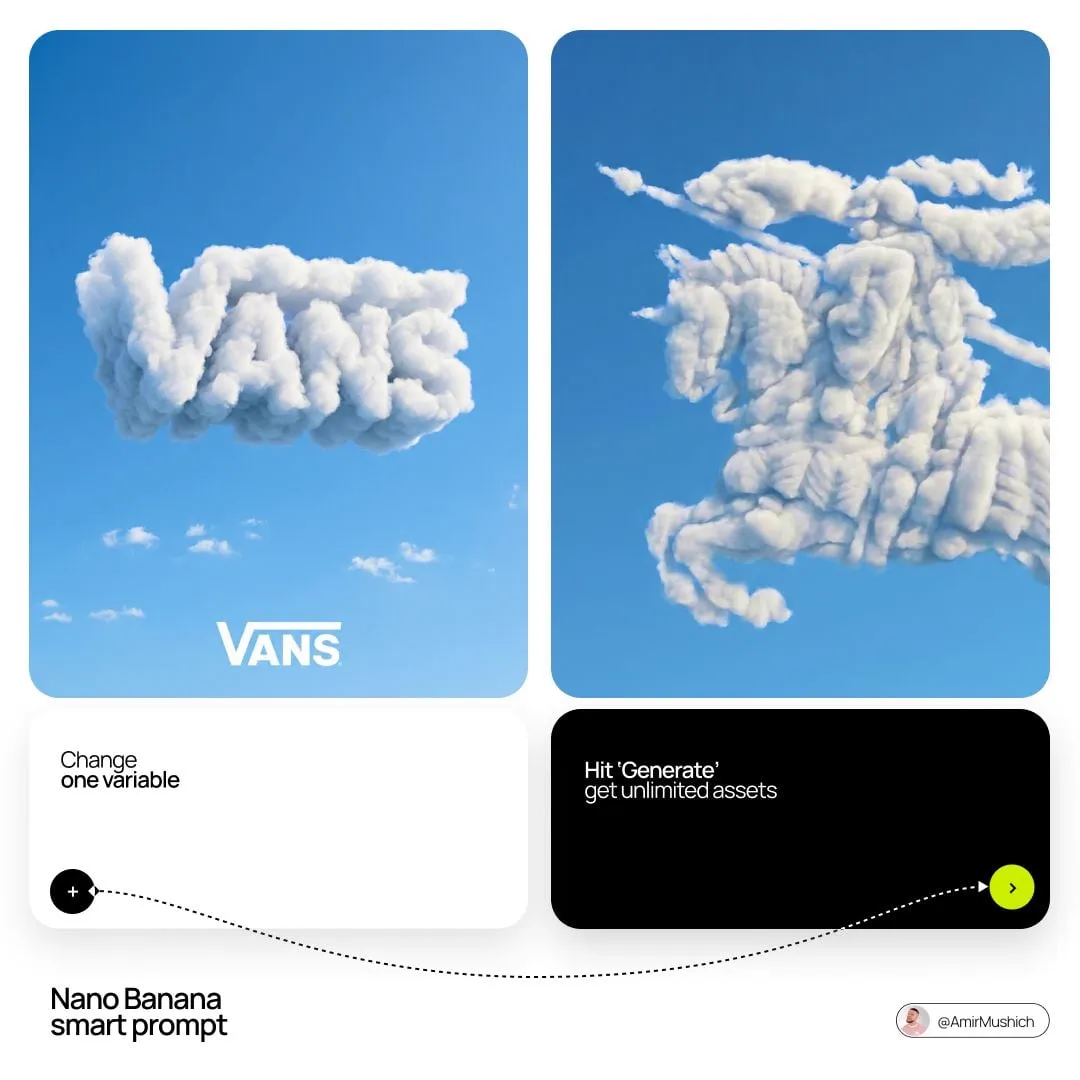

Style transfer used to mean one thing: applying a filter to the whole video and hoping it looks intentional. The new generation of tools works differently. Instead of painting over a finished clip, they treat style as a set of interchangeable building blocks that can be assembled per scene, per object, and per frame. This tutorial shows how to use that modular approach to give your videos a distinctive visual identity without destroying the original footage or losing character consistency.
From filters to layers: a different way to think about style
A filter is global. It changes every pixel in the same way, which is why a strong filter makes everything look the same. A modular system is local. It lets you keep the skin tones natural, give the environment a painterly treatment, and leave the text crisp, all in one video.
Think of it like building with toy bricks. Each brick is a small, well-defined piece of style: a color palette, a texture, a lighting rule, a material treatment. The bricks interlock, which means they combine without fighting each other. You can swap one brick for another and the rest of the composition stays intact.
This changes the creative workflow. Instead of committing to a single look at the start, you design a set of style components, then assemble them scene by scene. The same source footage can produce a gritty sci-fi version, a warm documentary version, and a stylized animated version, simply by swapping components.
How modular style transfer works under the hood
The technical foundation is decomposition. Instead of applying a style to the entire video tensor at once, the system breaks each frame into contextually aware units: regions, objects, materials, lighting zones. Each unit carries information about what it represents, not just its pixel values.
When you apply a style component, the engine knows what each unit is and how to transform it appropriately. Skin gets a subtle grade, metal gets a reflective treatment, sky gets a new color curve, and the subject's identity features are preserved because they are recognized and protected.
This is why modular systems maintain consistency better than global filters. They can apply a strong stylization to the background while keeping the character's face recognizable. That separation is the key advantage for narrative work.
Building a style block: start with references
Before you touch the video, build your style components. A style block is a package of visual decisions, usually defined by reference images and a few written rules.
Step 1: Choose a visual direction. Pick two or three reference images that represent the look you want: a film still, a painting, a photograph with interesting color grading. The closer these are to each other, the clearer the direction.
Step 2: Extract the rules. Name the concrete decisions in the reference: warm highlights with teal shadows, desaturated mid-tones, high contrast, heavy film grain, or specific material textures like brushed metal and wet asphalt.
Step 3: Create a style card. Write these rules down as a compact text description plus the reference images. This becomes the input for the transfer tool. A good style card is specific enough that someone else could reproduce it without seeing your original.
Step 4: Test on one frame. Apply the style to a single representative frame before committing to the whole video. Adjust until the result matches the intent. This saves hours of re-rendering.
Applying styles scene by scene
Once your style blocks are ready, the actual application is a sequence of small decisions:
- For each scene, decide which style block applies. A consistent overall style often uses the same base block with scene-specific tweaks.
- Keep the subject's identity block active across all scenes. This is what prevents the actor from morphing when the style changes.
- Apply environment styles with restraint. If the background treatment is too strong, it overwhelms the subject.
- Render in passes: base grade first, then texture, then effects. Reviewing each pass catches problems early.
A practical example: a travel film with three locations. Scene one is a coastal town; scene two is a night market; scene three is a mountain road. You keep the same character block and the same camera language, but you use a warm golden block for the coast, a neon block for the market, and a cool misty block for the mountain. The film feels cohesive because the subject and the grade logic are consistent, yet each location has its own personality.
Keeping characters consistent while changing style
The hardest part of stylized video is maintaining the subject. When the style changes, faces tend to change with it: skin texture shifts, eye color drifts, the character looks like a different person in every scene.
The modular approach solves this with reference anchoring. Before stylization, the system builds an identity profile of the main subjects from reference frames. During stylization, that profile is treated as an invariant: the subject is colored, graded, and textured like everything else, but its facial structure and identity features are locked.
For creators, the practical rule is: generate or shoot clean reference frames of your subjects first, and include them in every style operation. Never rely on the video alone to carry identity through a strong style change.
Texture and material transfer in practice
Material transfer is where modular styling gets fun. You can give an ordinary object a new material identity: a car that looks like brushed steel, a wall that looks like cracked concrete, water that looks like molten glass.
The technique works best on objects with clear boundaries. The system identifies the object, separates it from the background, and applies the material treatment only to the object region. This is far more convincing than trying to prompt the whole frame.
Practical tips:
- Choose materials with strong visual signatures; subtle materials get lost in motion.
- Keep the lighting direction consistent between the object and the applied material, or the result looks pasted on.
- Check the object at several frames, not just the first one, to make sure the material holds during movement.
Building a reusable style library
The real payoff of modular styling is reuse. A well-crafted style block can be applied to future projects, giving your channel or brand a consistent signature across very different content.
Organize your library by purpose rather than by look: character blocks, environment blocks, material blocks, grade blocks. Name them clearly and keep the reference images attached. When a client asks for "the look we used on the last campaign," you can find it in minutes.
A small library of ten to twenty good blocks is more useful than a huge collection of mediocre ones. Curate aggressively; delete anything you would not apply again.
Common mistakes and fixes
- Applying too many styles at once. The result is a mess. Limit yourself to one dominant block plus one accent block per scene.
- Forgetting identity protection. If the subject drifts, your identity block is missing. Re-anchor with clean reference frames.
- Ignoring motion. A texture that looks perfect in a still frame can shimmer horribly in motion. Review at full speed before finalizing.
- Copying a reference too literally. Style should be interpreted, not replicated. The goal is a look that fits your content, not a duplicate of someone else's.
Color palettes and grade logic
Every style block is built on a grade logic, and understanding it makes your choices deliberate instead of decorative.
A grade logic answers three questions:
- What is the dominant color temperature? Warm grades feel inviting and nostalgic; cool grades feel technical and detached. A single scene can mix both, but one should lead.
- Which colors are protected? In most content, skin tones and brand colors must survive the grade. Define them explicitly in the style card so the engine does not shift them into the palette.
- Where does contrast go? High contrast with crushed shadows reads as dramatic; soft low contrast reads as dreamy or documentary. Choose based on the emotion, not the trend.
When you build a style library, create blocks for the grade logic separately from the texture blocks. The same palette can pair with different textures for different projects, which gives you more combinations without more work.
A worked example: three scenes, one style system
Suppose you are making a short brand film with three very different scenes: a factory floor, an office brainstorm, and a rooftop sunset.
The character block stays identical across all three: same presenters, same identity anchors. The difference comes from the environment blocks.
- Factory scene. Cool steel grade, high contrast, texture of brushed metal and concrete. The palette reads as precision and hard work.
- Office scene. Neutral grade with warm accents, softer contrast, textures of glass and whiteboard. The palette reads as collaboration and clarity.
- Rooftop scene. Golden hour grade, gentle contrast, warm highlights and long shadows. The palette reads as possibility and payoff.
The film works because the subject is consistent and the grade logic is coherent: each scene has one dominant temperature, protected faces, and a contrast level chosen for the emotion. The style system gives the film variety without chaos.
When modular style is the wrong tool
Modular styling is powerful, but it is not always the answer.
- Realism-first content. If the goal is documentary realism, heavy stylization fights the intent. Use only the grade block and skip the texture blocks.
- Fast turnaround. If the video must ship today and the budget is tiny, a single global grade is the pragmatic choice. Modularity pays off on projects with time to iterate.
- Brand consistency above all. If the brand requires one exact look everywhere, a locked global style beats local creativity. Modularity is for projects where variation is a feature.
- Uncontrolled source material. Modular tools work best when you understand the footage. If you have no idea what is in the clips, style blocks will amplify the mess.
The craft is knowing when the extra control is worth the extra work. Modular styling is a tool, not a religion.
Frequently asked questions
Can modular style transfer fix badly shot footage? It can improve grade and texture, but it cannot repair bad focus, bad composition, or missing information. Shoot as well as you can and treat style as the finishing layer.
Will stylized video hurt my render times? Localized operations are generally efficient, but heavy texture work increases render cost. Test on short segments first and budget accordingly.
Do I need to know color theory? It helps, but a good style card can be built by studying references. The discipline is naming what you see, not knowing the jargon.
Can I use the same style block across different video generators? Transfer fidelity varies. Blocks built around strong references transfer better than blocks built around vague text descriptions.
Collaboration and versioning
Modular styling changes how teams work together, because style becomes a shared asset instead of a personal trick.
Set up a simple versioning habit: every style block gets a name, a version, and a date. When someone changes the palette or the texture rules, bump the version instead of silently overwriting. Teams that skip this end up with two scenes in the same video that use slightly different versions of the same block, and the difference reads as a mistake.
Assign ownership. One person should be responsible for the canonical blocks, so changes are deliberate and approved. Others can propose variants, but the library stays curated. This prevents the slow drift where every editor builds their own private version of the brand look.
Finally, document the intent of each block, not just its parameters. A future collaborator who knows that the factory block exists for "precision and hard work" can reuse it intelligently; one who only sees the numbers will misuse it.
Where to go next
Start with one short video and one strong style direction. Build the reference set, write the style card, test on a single frame, and only then apply it scene by scene. Once the workflow feels natural, expand your library and experiment with combining blocks. Modular styling rewards patience at the start and pays off with a body of work that looks deliberate, consistent, and unmistakably yours.
