
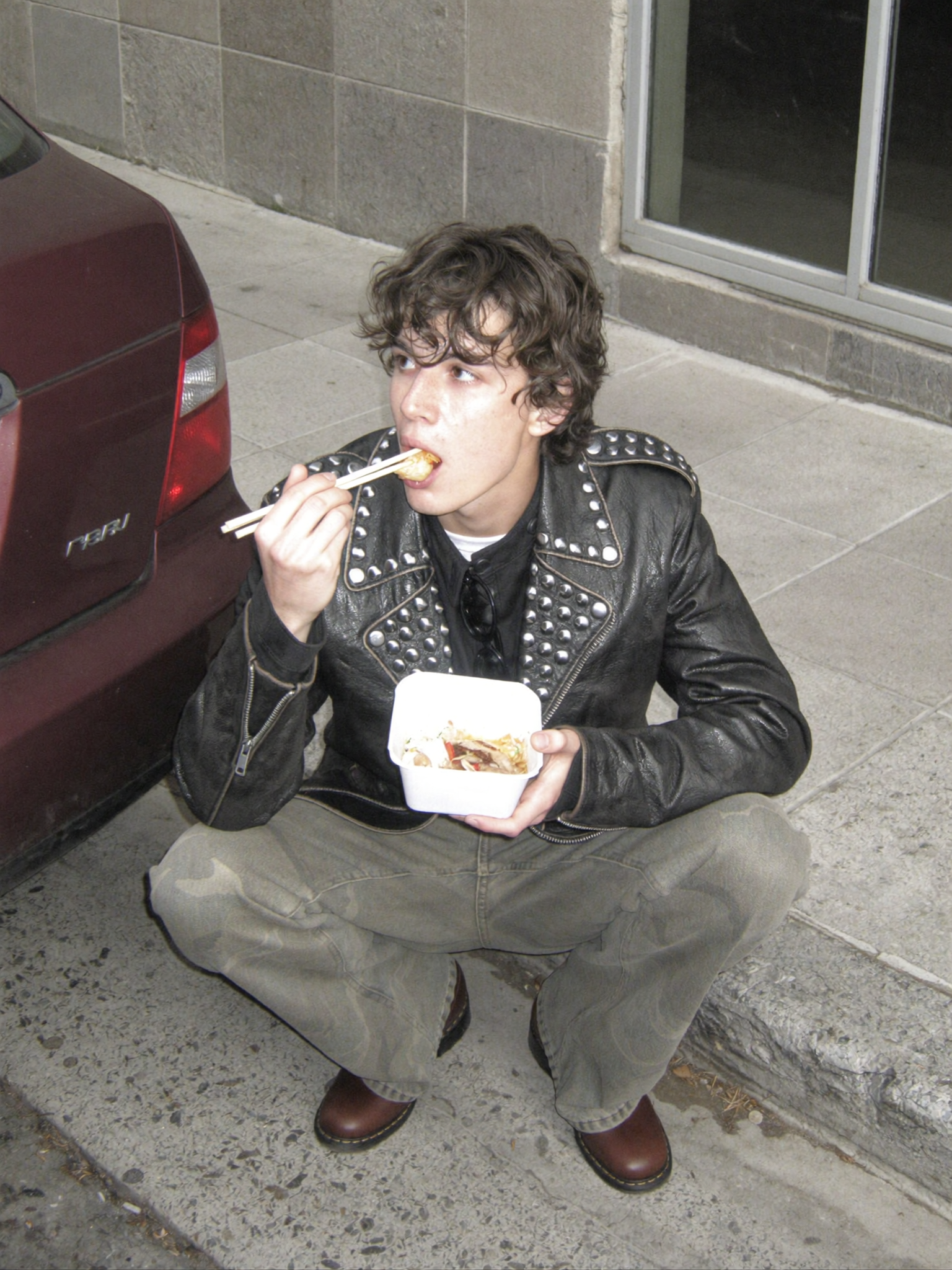
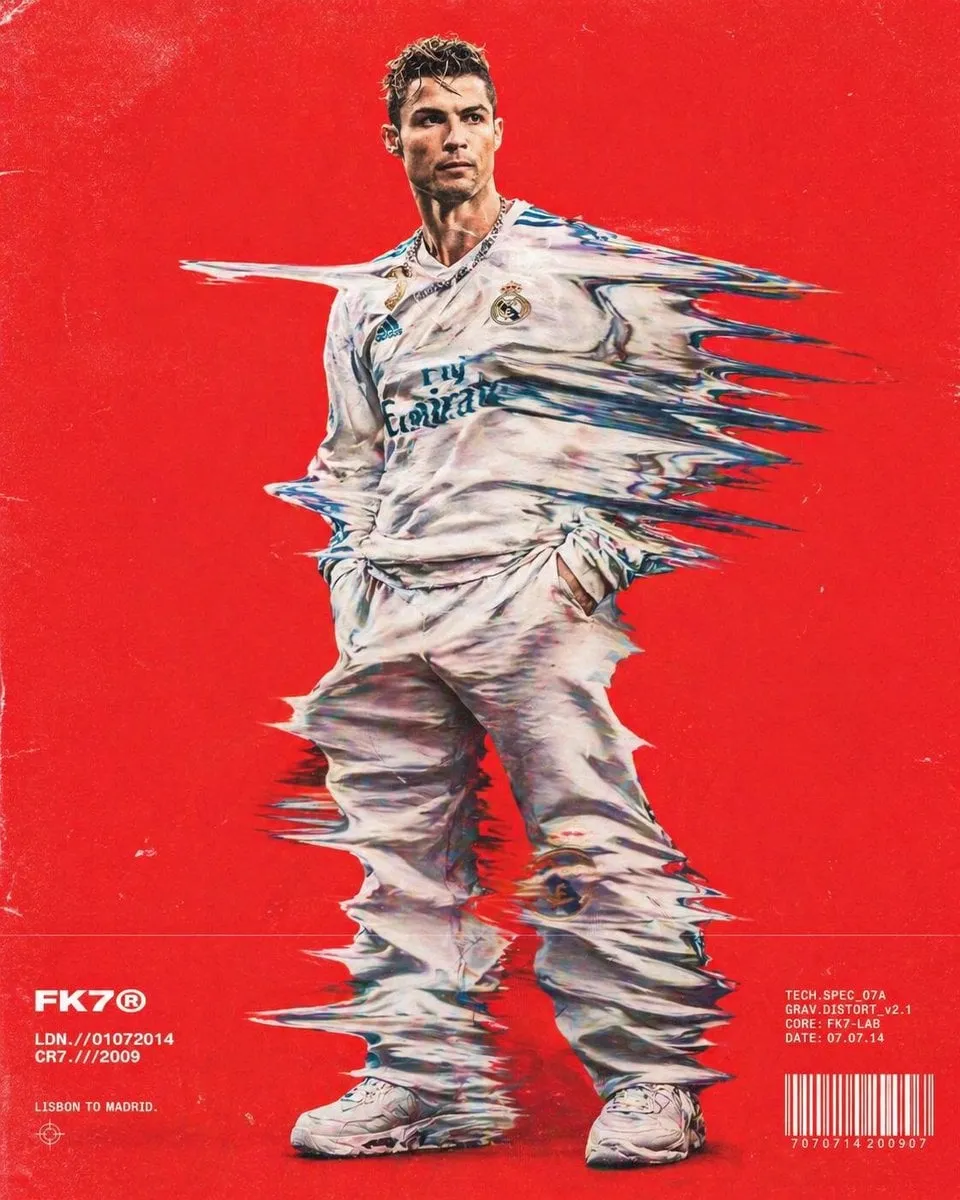
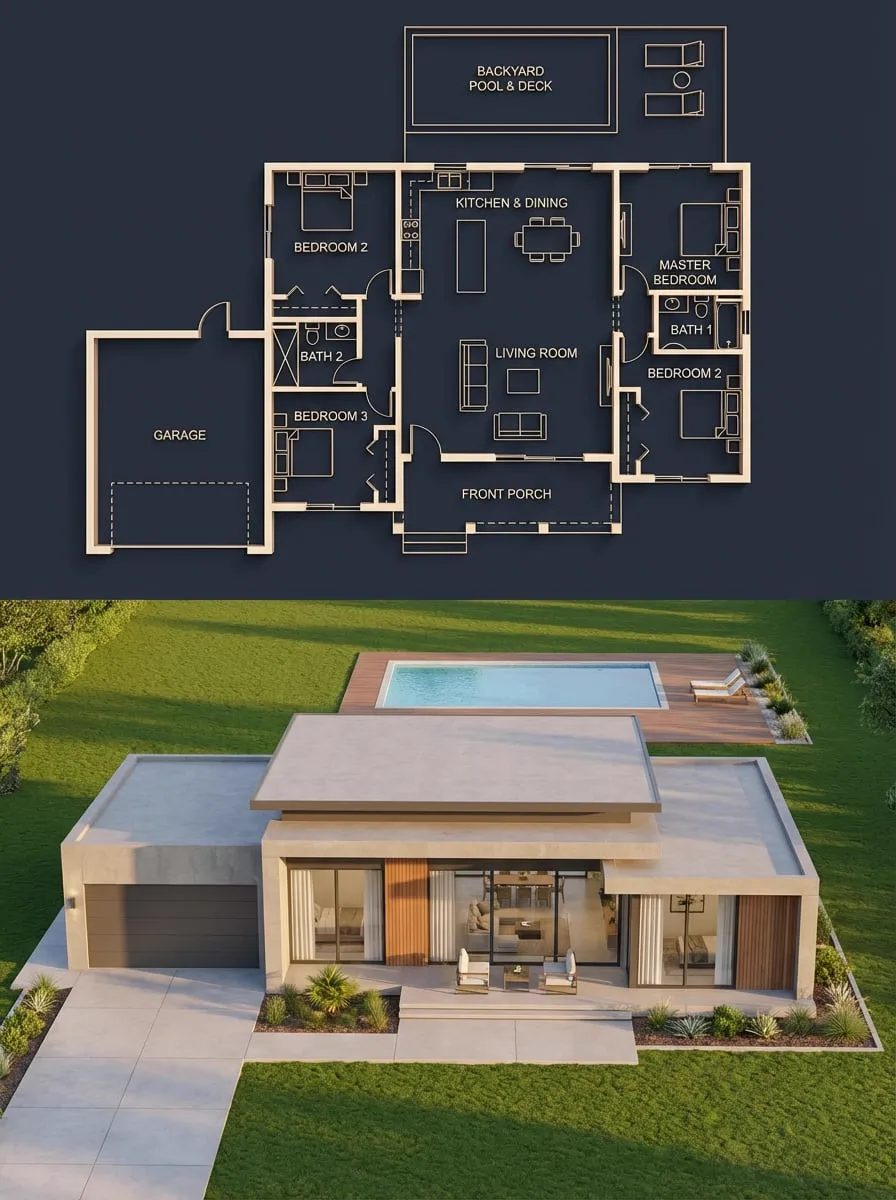
Every AI filmmaker has felt the disappointment. You generate a beautiful shot of your character, then the next scene gives them a completely different face. The nose changes, the hair shifts, the outfit recolors itself. The story collapses because the audience cannot tell who is who. Character consistency is the difference between AI content that feels like a production and AI content that feels like a glitch. The most reliable way to achieve it is multi-image fusion: giving the model several images of the same character instead of relying on text alone. This guide explains how the technique works and how to build it into a practical workflow.
Why single references are not enough
When you describe a character with text, the model translates your words into an approximation. Words like "young woman with curly hair" leave enormous room for interpretation. Even a single reference image is ambiguous, because it shows the character in one pose, one light, one expression. The model does not know which features are permanent and which are incidental to that particular shot.
This ambiguity is the root of inconsistency. The model is not failing on purpose, it is doing its best with incomplete information. Each new generation starts fresh, and without enough data about what stays the same, every generation produces a slightly different person.
Multi-image fusion solves this by providing a richer definition of identity. Several images show the character from different angles, in different lighting, with different expressions. The model extracts the stable features: the shape of the face, the color of the eyes, the proportions, the characteristic details. It learns which aspects define the identity and carries them forward into every new scene.
How multi-image fusion works
The technique treats the reference set as the ground truth of the character. Instead of one image being the star, the model ingests the entire set and reconciles the information into a single identity representation.
The process starts with feature extraction. Each reference image contributes its own view of the character: the front view defines the face shape, the profile adds the nose and jawline, the three-quarter view reveals the depth of the features. The model aligns these views and builds a more complete picture than any single image could provide.
Next comes reconciliation. The model identifies the features that are consistent across all references and treats them as the core identity. Features that conflict, such as a different hairstyle between images, are flagged as variable rather than fixed. This distinction is what allows the character to change expression or hairstyle in a scene while still being the same person.
Finally, the identity representation is applied during generation. Every new scene references the same core identity, so the character stays recognizable across different poses, lighting conditions, and settings. The result is not just visual similarity, it is the feeling of a single, continuous person.
Building a strong reference set
The quality of your fusion depends almost entirely on the quality of your reference set. A few well-chosen images outperform a pile of random captures.
Aim for variety in angle. Include a front view, side views, and three-quarter views. This gives the model the information it needs to understand the full structure of the face and body. If your character is seen from behind in the story, include a back view as well.
Include variety in lighting. A character photographed in hard light, soft light, and mixed light teaches the model which features are structural and which are effects of illumination. This prevents the model from mistaking a shadow for part of the face.
Include variety in expression. Neutral, smiling, serious, and surprised references show the range of the face while keeping the identity stable. Expression variety also helps the model animate the character convincingly, because it knows how the face changes without breaking its identity.
Keep the set consistent in style. If one reference is a photograph and another is an illustration, the model struggles to find common ground. Choose references from the same visual universe, whether that is photorealism, anime, or a specific brand aesthetic.
Defining the character before generation
Multi-image fusion is a technical tool, but it works best when paired with a clear creative definition. Before you assemble references, write down the character's identity in concrete terms: age range, distinctive features, style of clothing, mannerisms, and any details that must never change.
This definition serves two purposes. First, it helps you choose references that actually match the character you have in mind. Second, it gives you a checklist for validating every generated scene. When you review output, check the permanent features first: face shape, eye color, signature details. If they match, the character is consistent, even if the pose or lighting changed.
The definition also protects you from fusion drift, where the model blends the references into an average that looks like none of them. If the generated character does not match your written definition, refine the reference set until it does, rather than accepting a plausible but wrong version.
Using fusion across scenes and styles
The real power of multi-image fusion appears when you generate an entire sequence, not just a single scene. With a solid identity representation, you can take the character through different locations, times of day, and emotional states without losing the thread.
For each scene, keep the same reference set. This sounds obvious, but it is the most common failure point: creators swap references mid-project because a new scene feels different, and suddenly the character is a different person. The reference set is the contract of the character's identity, and it should stay fixed for the whole project.
You can, however, change everything around the identity: the setting, the lighting, the costume of supporting characters, the camera style. The character adapts to each scene while remaining themselves. This is exactly how traditional productions work, the actor stays the same, the world changes around them. Fusion gives you the same ability with AI-generated footage.
When a scene requires the character in a very different style, such as a flashback rendered as a painting, the fusion engine should preserve the identity within that new style. Review such scenes carefully, because style changes are where identity errors hide.
A practical fusion workflow
A repeatable workflow makes multi-image fusion fast and dependable. Start by assembling the reference set and writing the character definition. Save both in a project folder, because you will return to them constantly.
Next, run a consistency test before you start the real scenes. Generate the same character in two very different prompts, such as a close-up portrait and a wide shot in a park, and compare the identity. If the test passes, the reference set is solid. If it fails, improve the set now, before you invest in full scenes.
During production, generate each scene and review it against the definition checklist. Flag any scene where the identity drifts and regenerate with the same references, adjusting the prompt rather than the identity. Keep a log of which prompts produce the best consistency, because that knowledge compounds across projects.
At the end of the project, watch the entire sequence in order. Consistency is a property of the whole, not of individual shots. A scene that looked fine alone can feel wrong when placed next to the others. Reviewing the full sequence catches problems that single-scene review misses.
Troubleshooting identity drift
Even with fusion, drift happens. The first step is to identify the type of drift, because the fix depends on the cause.
If the face shape changes between scenes, the reference set probably lacks enough angle variety. Add profile and three-quarter views. If the face stays the same but the hair changes randomly, hair is being treated as variable, so pin it down in the character definition and reinforce it in the prompts. If the style changes subtly, such as skin texture becoming plastic or colors shifting, the lighting references are probably inconsistent, so standardize the lighting across the set.
If a single scene drifts but the rest of the project is solid, the problem is usually the prompt, not the identity. Review the scene prompt for language that could contradict the character, such as describing a different age or build. Regenerate with a cleaner prompt before touching the reference set.
The worst case is full identity loss, where the character becomes unrecognizable. This usually means the reference set itself is weak or internally contradictory. Go back to the source images, improve their quality and consistency, and rerun the test before continuing.
Combining fusion with other control techniques
Multi-image fusion is most powerful when combined with other control methods. Text prompts describe action and emotion, reference images define identity, and frame control shapes the composition and timing. Together, they give you full creative control over the scene.
For action scenes, describe the movement in the prompt while keeping the identity locked through the references. For emotional moments, direct the expression in the prompt, trusting the identity to stay stable because the reference set is solid. For complex sequences, use keyframes to fix the important compositions and let the model fill the motion between them.
The principle is separation of concerns: the references own identity, the prompt owns intent, and the frame control owns structure. When each tool does its job, the output is both consistent and creative, without the constant fighting that happens when you try to make one technique do everything.
Fusion for ensembles: multiple characters in one story
Character consistency gets harder when a story has more than one character, because the failure modes multiply. Each character needs its own identity, and the characters need to stay distinct from each other. A well-built ensemble is what makes a series feel like a world rather than a collection of scenes.
The solution is a separate reference set per character. Assemble the reference images for each character with the same discipline you use for a single protagonist: varied angles, varied lighting, consistent style. Keep the sets in separate folders, and label them clearly so you never mix references during generation.
When a scene includes two characters, generate it with both reference sets active. Review the output for two kinds of errors: identity drift within a character, and identity bleed between characters. Bleed happens when the model blends features, and it usually means the reference sets are not distinct enough. Strengthen the visual differences between the characters in their reference images, such as clearly different hair, build, or clothing, so the model has no reason to confuse them.
The validation checklist grows with the cast. For every scene, check each character against its own definition, then check that the characters look like different people, then check that their relationship reads visually the way the story intends. It is more work, but ensemble consistency is exactly what separates content that looks professionally cast from content that looks randomly generated.
Building a consistency checklist for every project
A checklist turns consistency from a hope into a habit. Define it once, then run it on every project without thinking about what to check.
Start with the identity layer: do the reference sets match the written character definitions, and are they fixed for the whole project? Next, the scene layer: does each generated scene match its character's permanent features, and does the prompt avoid contradicting the identity? Then the sequence layer: when scenes play in order, does the identity hold across locations, times of day, and emotional states? Finally, the style layer: if a scene uses a different visual style, does the character survive the style change?
Keep the checklist in your project folder and tick it item by item. When you skip it because a deadline is tight, that is exactly when drift slips through. The checklist is cheap, and it catches the failures that are expensive to fix after the project is published.
FAQ
How many reference images do I need? Three to five well-chosen images are usually enough for a stable identity. More images help only if they add genuine variety in angle, lighting, or expression.
Can multi-image fusion work with text-to-video models? Yes. Most modern video models accept reference images in addition to text prompts. The text describes the action, and the references define the character.
Why does my character still change between scenes? Check three things: the reference set is consistent, the identity definition is specific, and the prompt does not contradict the character. Drift usually comes from one of these three.
Does fusion work for products and brand elements? Yes. The same technique keeps a product, mascot, or logo consistent across an entire campaign. The identity is defined by reference images and protected by the same validation checklist.
Final thoughts
Multi-image fusion is the closest thing AI filmmaking has to casting an actor. It fixes the identity of the character once, then lets you move the camera, change the world, and direct the emotion without the character falling apart. The technique is simple to understand and takes discipline to execute: build a strong reference set, write a clear definition, test before production, and review the full sequence at the end.
The reward is content that audiences take seriously. When the character stays consistent, the story becomes believable, and the AI-generated world stops feeling like a sequence of lucky images. That believability is what separates work that gets shared from work that gets scrolled past. Start with one character, build the set, and run the test. Consistency is a skill, and like every skill, it improves with practice.
